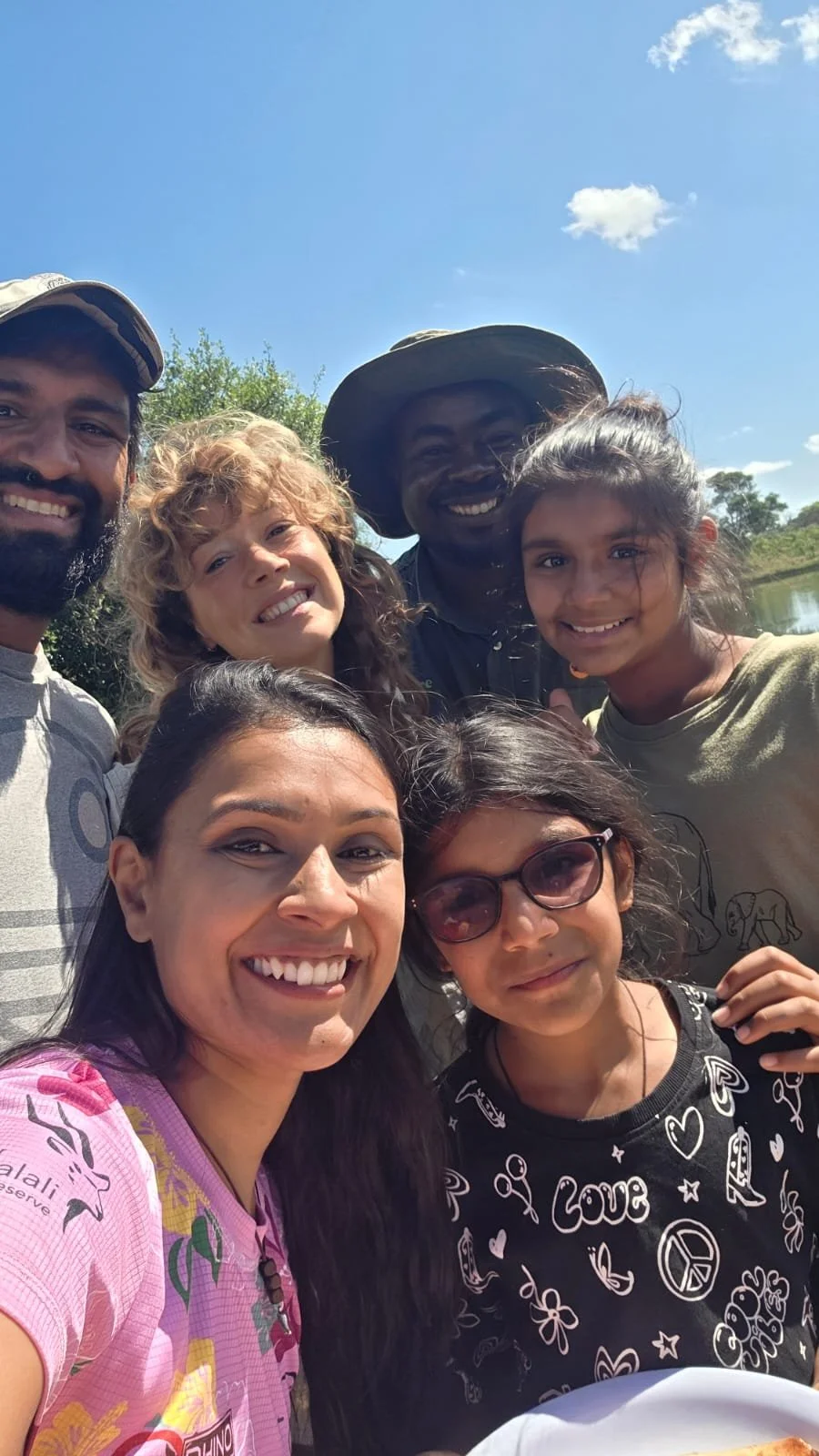
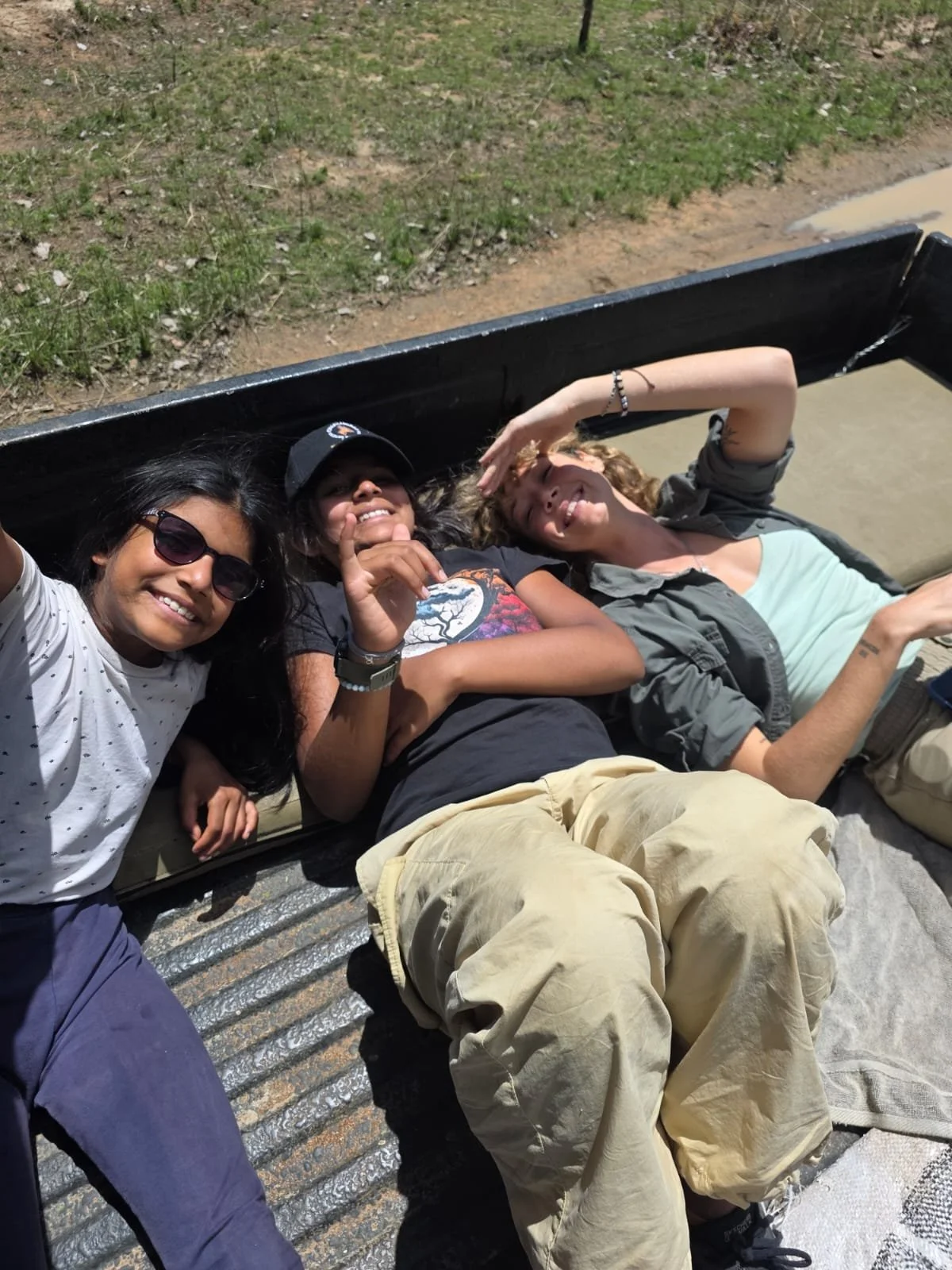
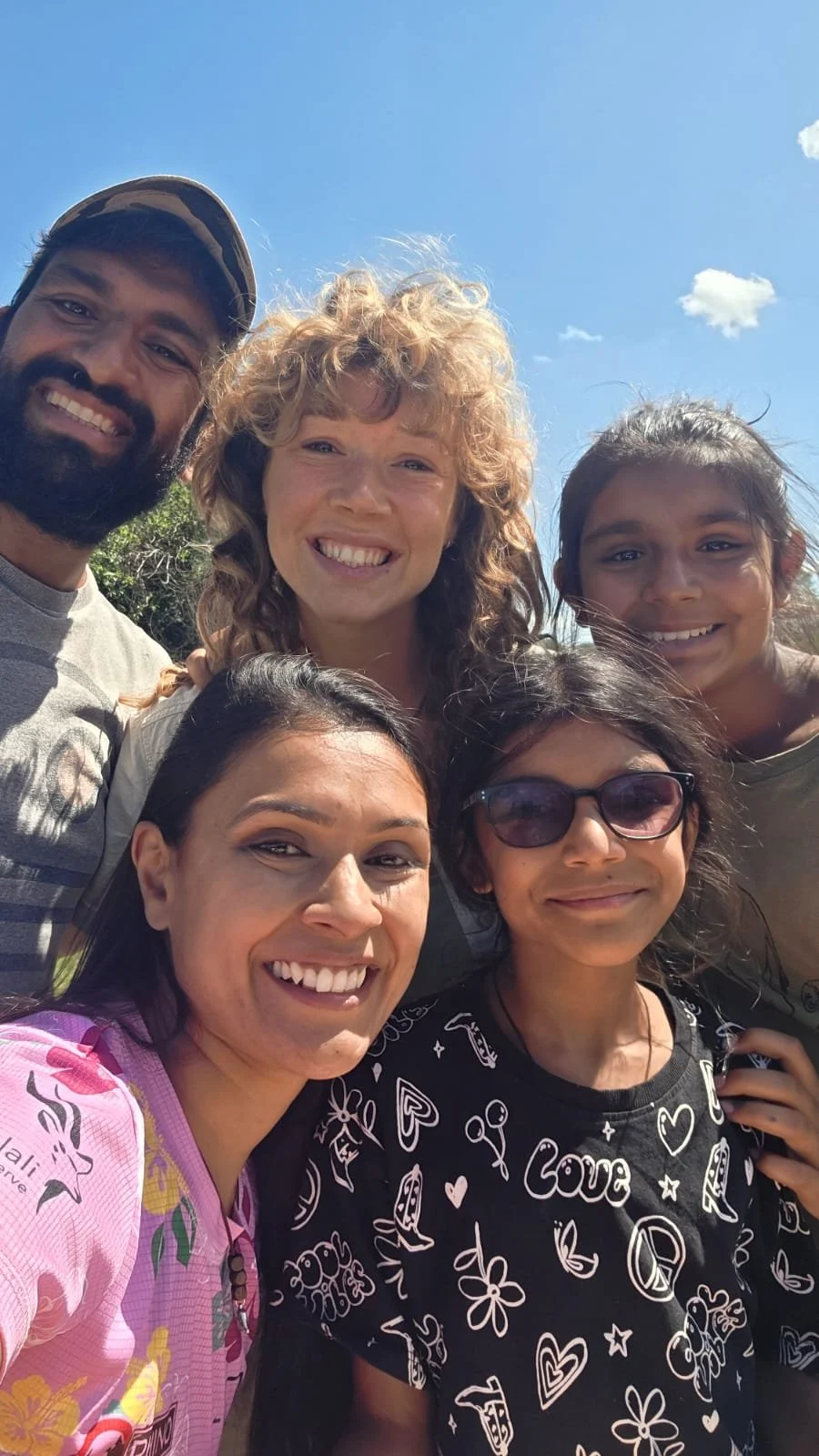
Zimbabwe - Imire Rhino & Wildlife Sanctuary (17-23 November 2025)
Project Overview:
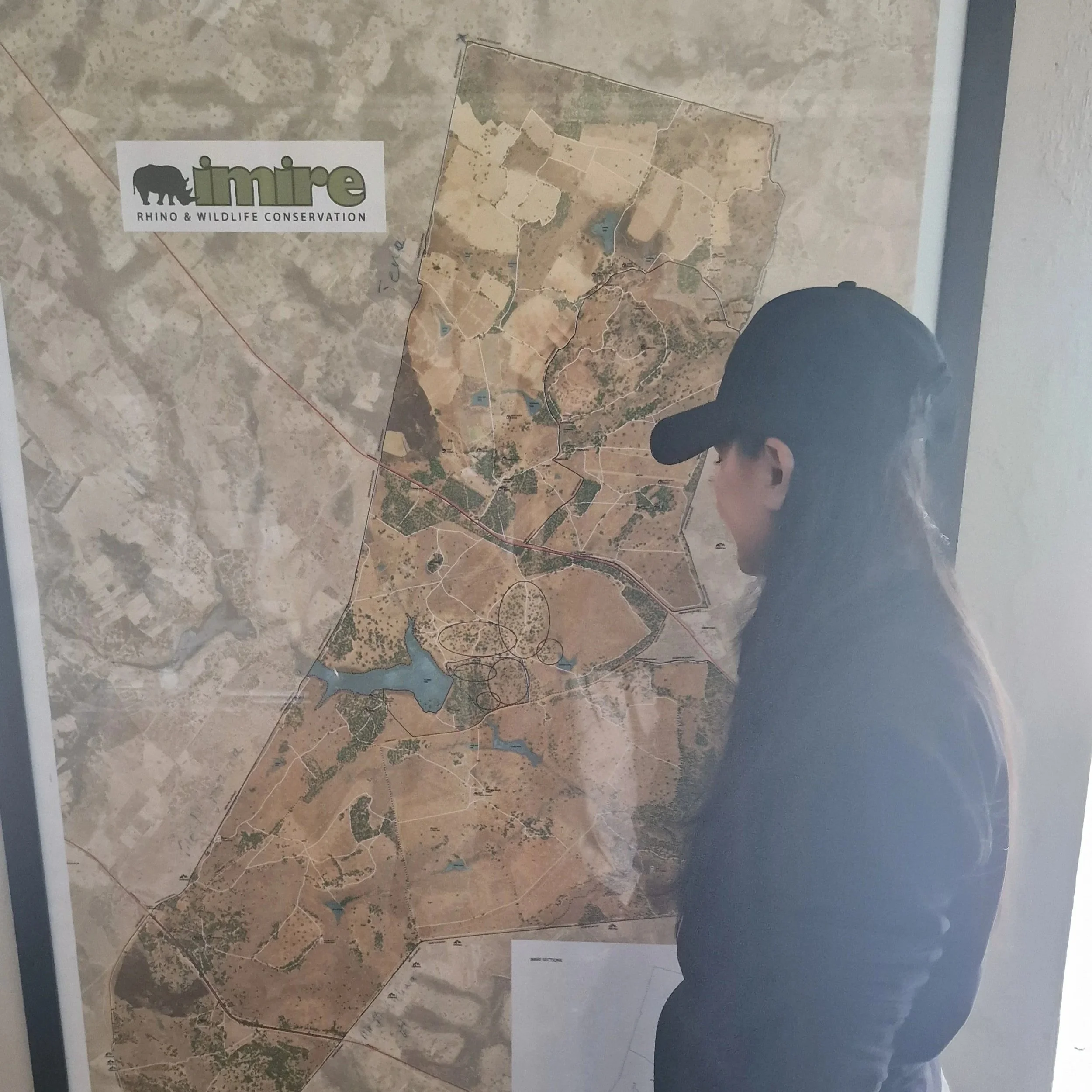
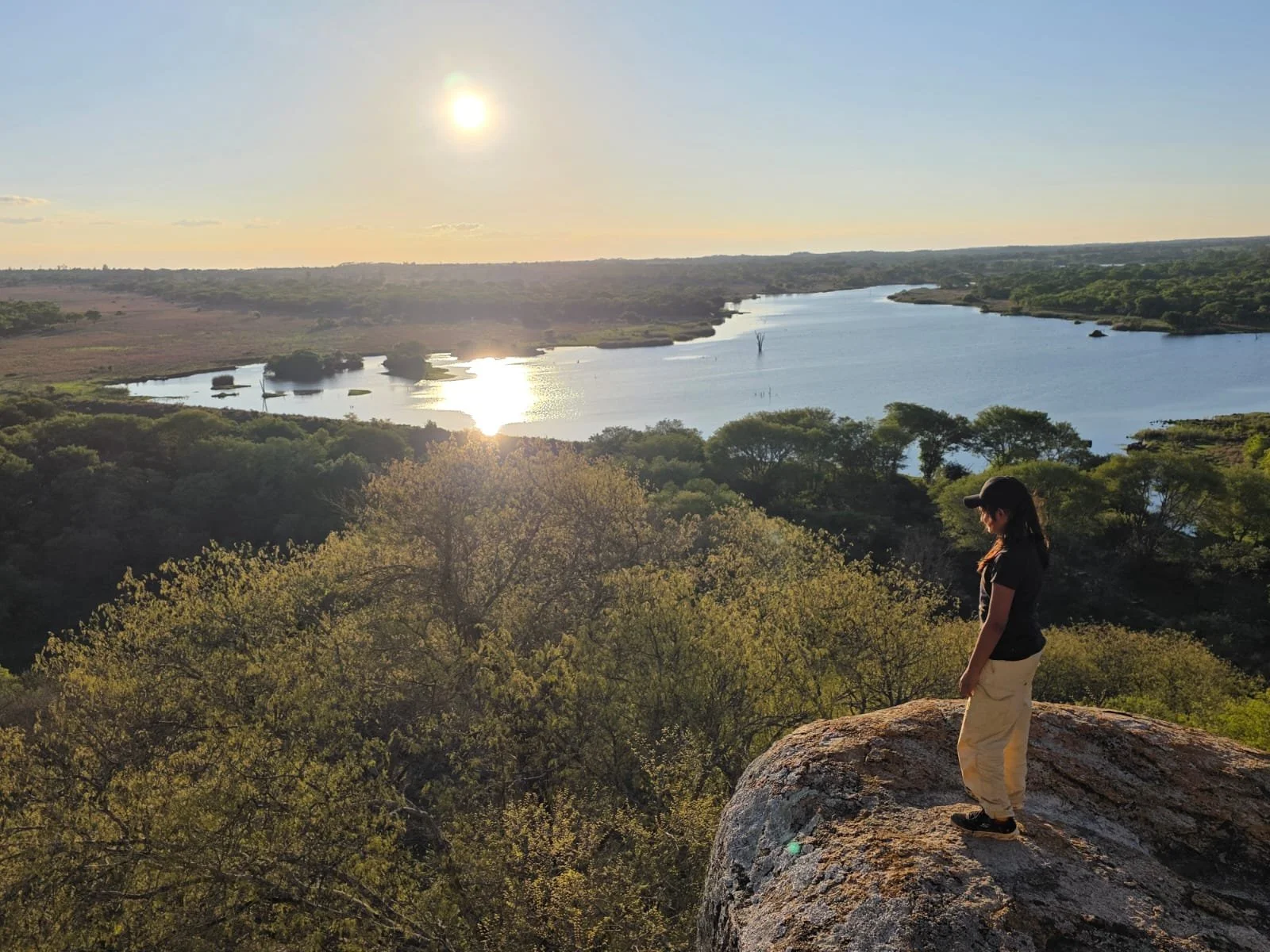
Imire Rhino and Wildlife Sanctuary is a reserve that spans 4,200 hectares, located outside the Zimbabwean capital of Harare.
Their primary mission is to help preserve wild Black and White Rhinos. They have had a successful breeding program whereby they protect and preserve rhino populations and release them into National Parks once they reach adolescence/maturity. The secondary mission is to provide a rescue zone for other animals that have been orphaned or need shelter (such as elephants, many types of antelope and some reptiles).
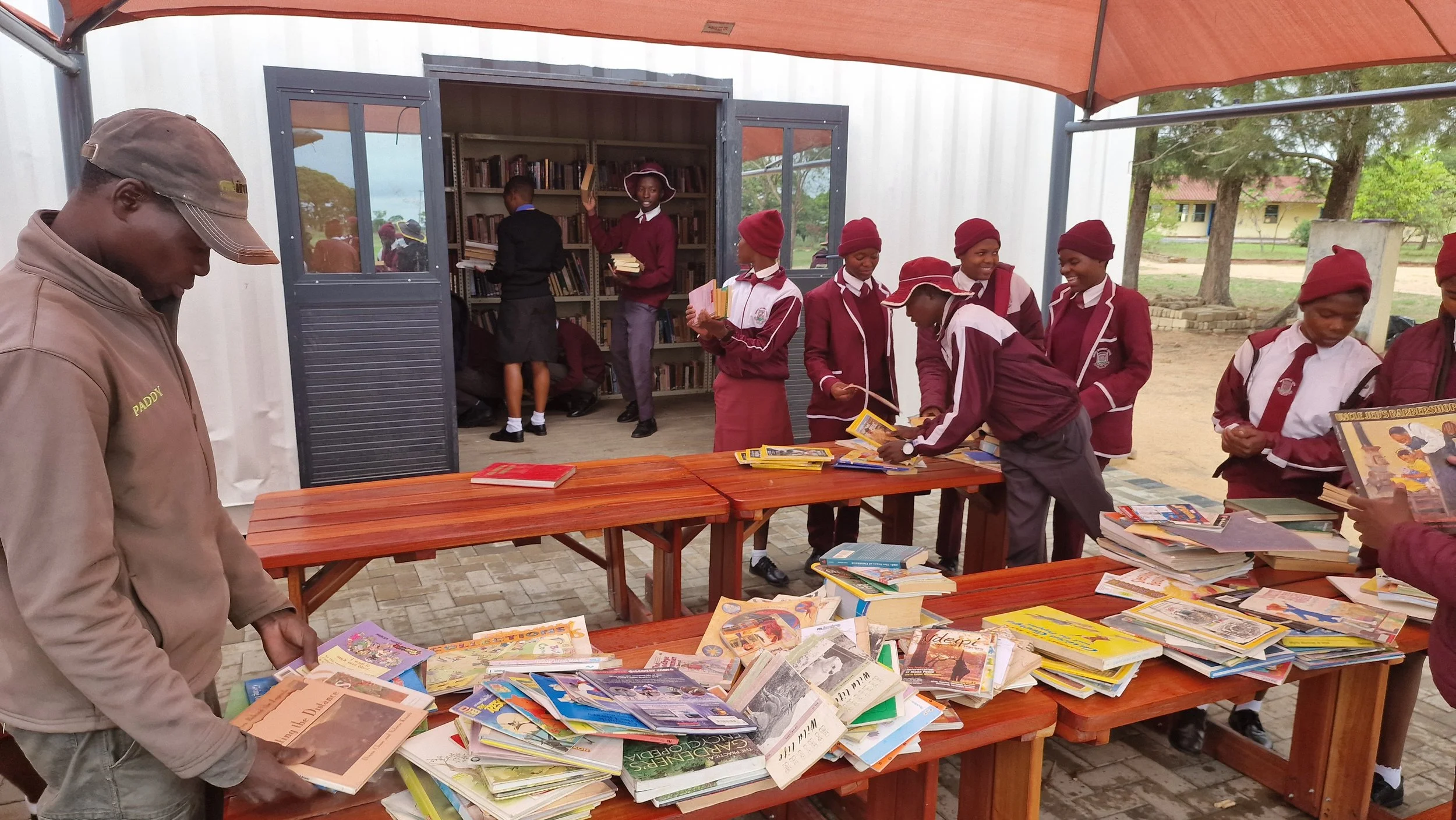
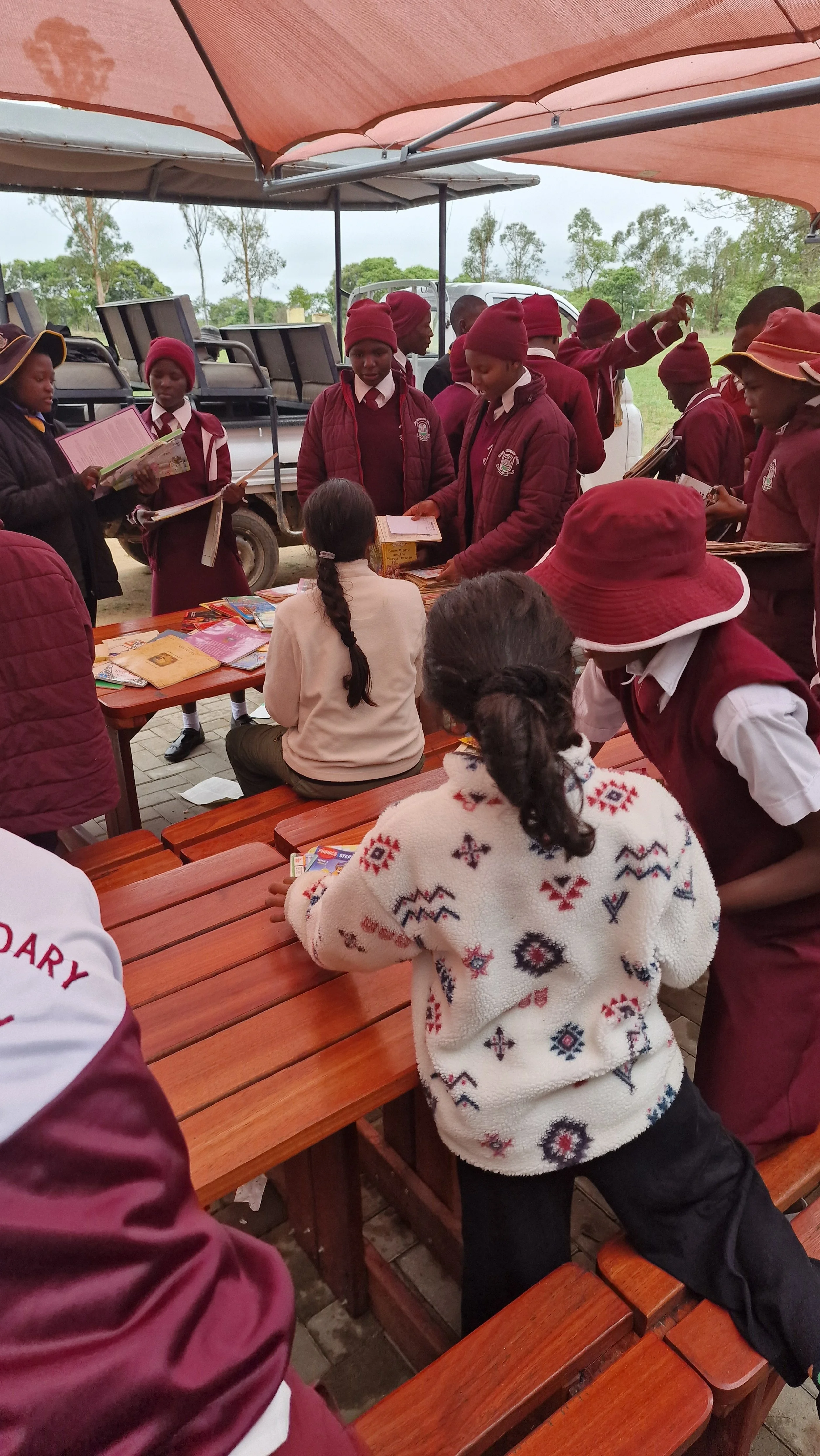
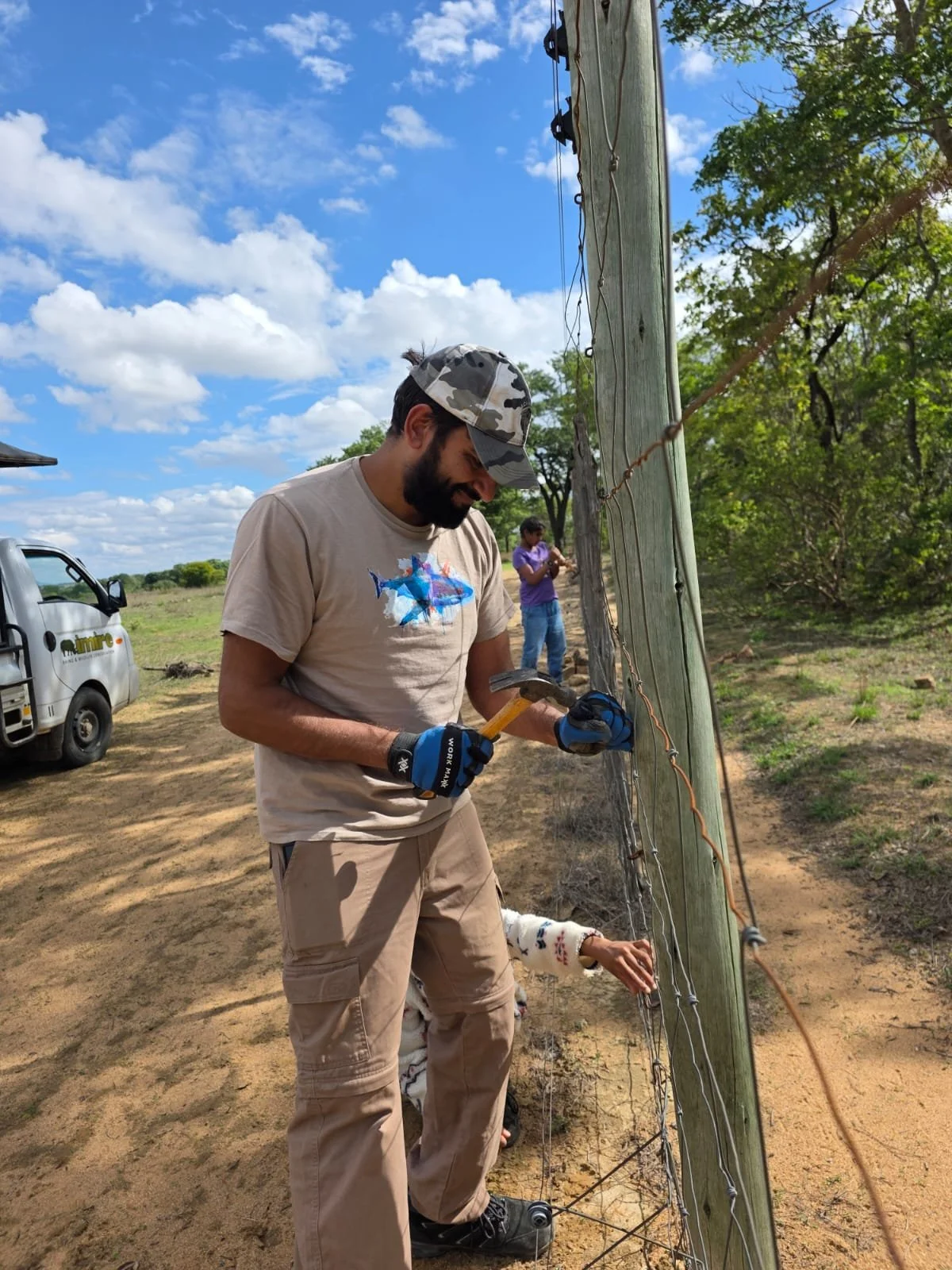
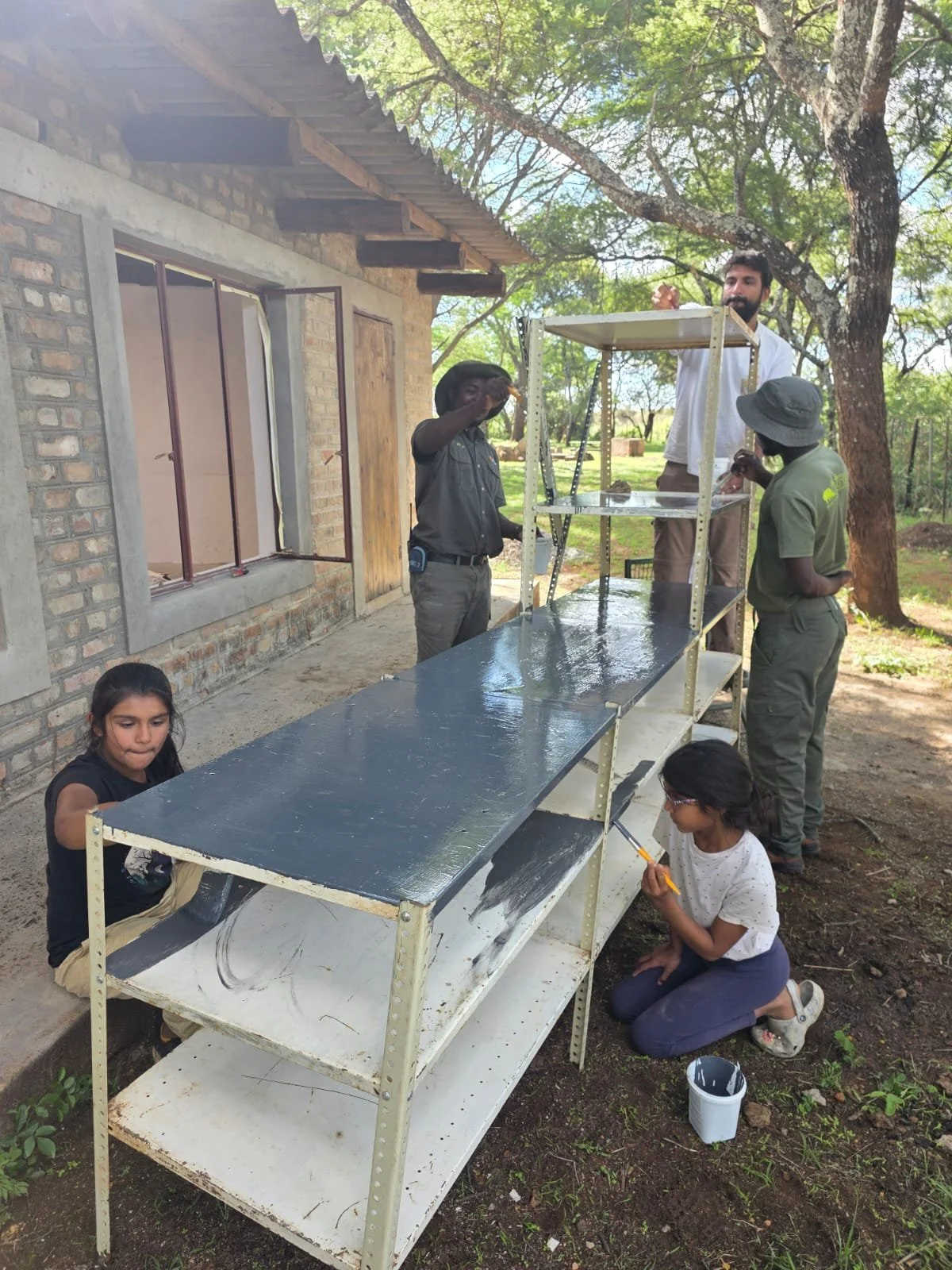
We spent one week here volunteering, and had a varied and enriching project list which included helping the lead rangers for the elephants and rhinos, visiting the local schools and helping set up a library, planting native trees, and also connecting with a women’s empowerment circle. And many other activities that gave us a glimpse into what it takes to successfully manage a reserve set deep within a community, and learn about local customs and history.
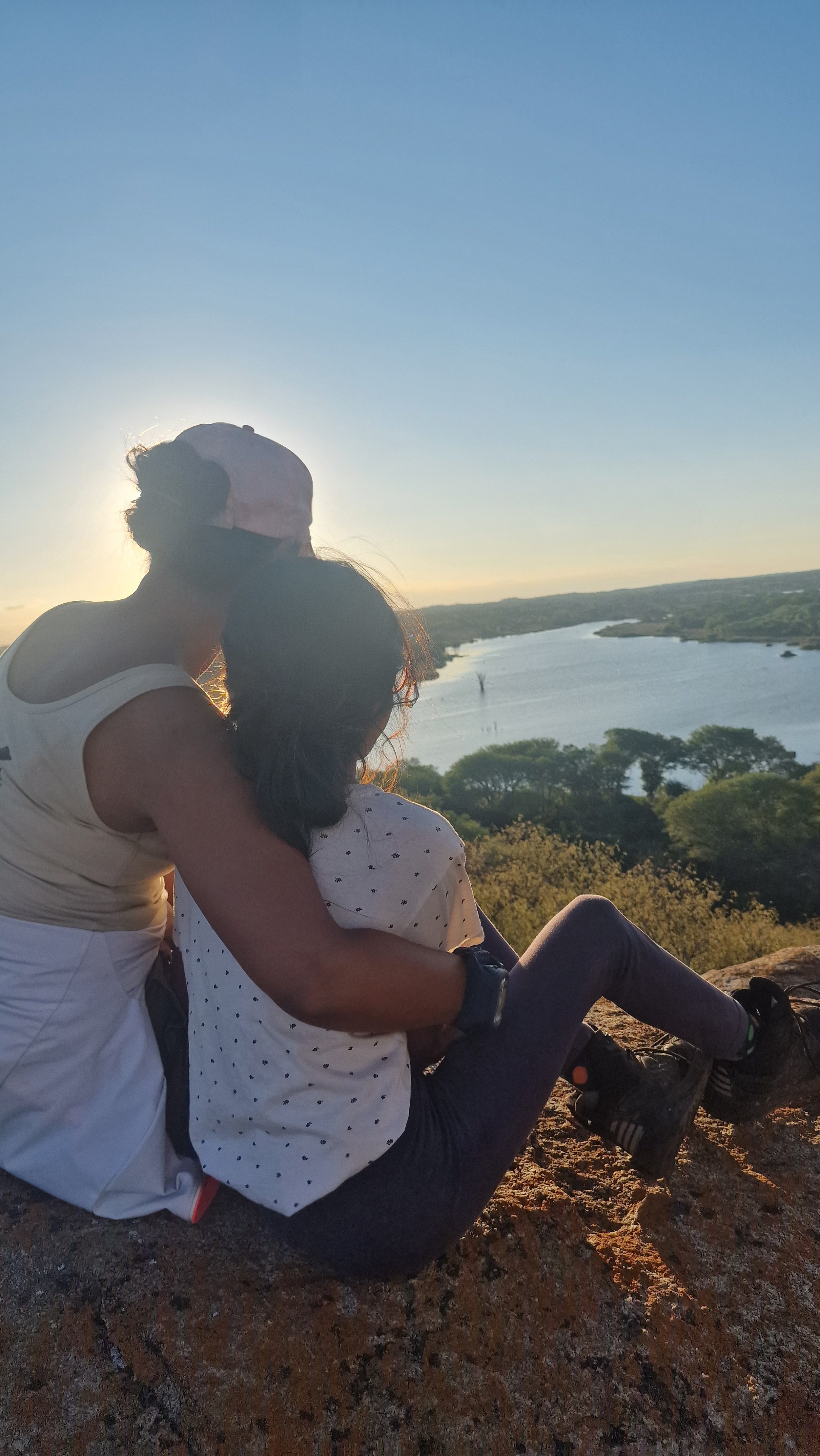
Key Insights:
The Imire group were profiled in a YouTube documentary series called “There’s a rhino in my house”. It is set in 2007/8, in the aftermath of a terrible poaching attack on the Imire grounds which resulted in the murder of all of their black rhinos, with one infant left behind. The infant was essentially adopted into the family home and raised there until eventually brough back to Imire. The documentary is funny and insightful to demonstrate the level of personal care and sacrifice sanctuary owners have to go through in this field. In talking to the guides about what happened after the documentary finished to each of the animals involved, we learned that all of the animals followed in the documentary would eventually harm their human handlers on the reserve. So there is also a clear cautionary tale embedded in here – a reminder that wild animals have instincts and needs that need to be respected, no matter if they have been hand raised by humans.
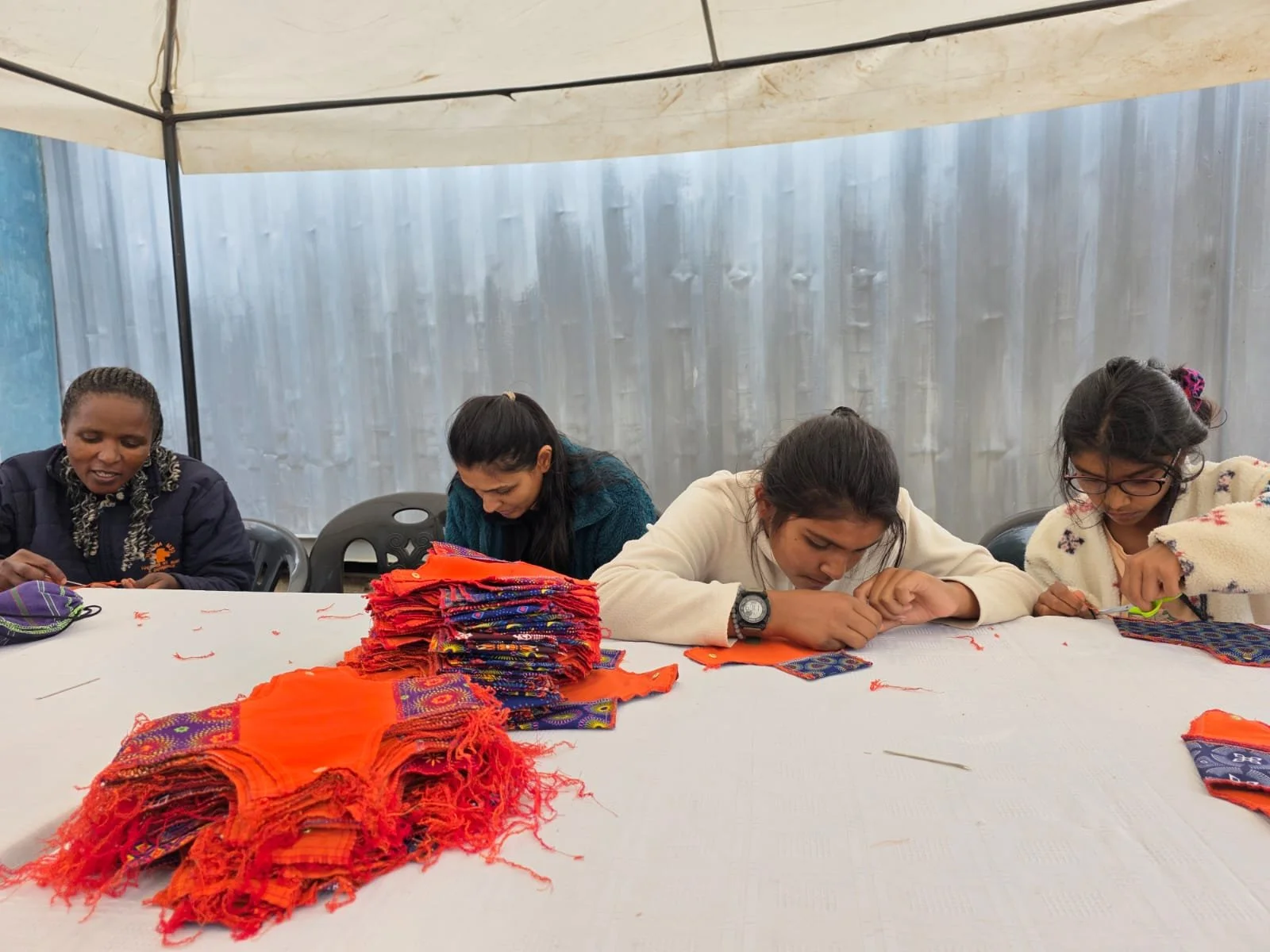
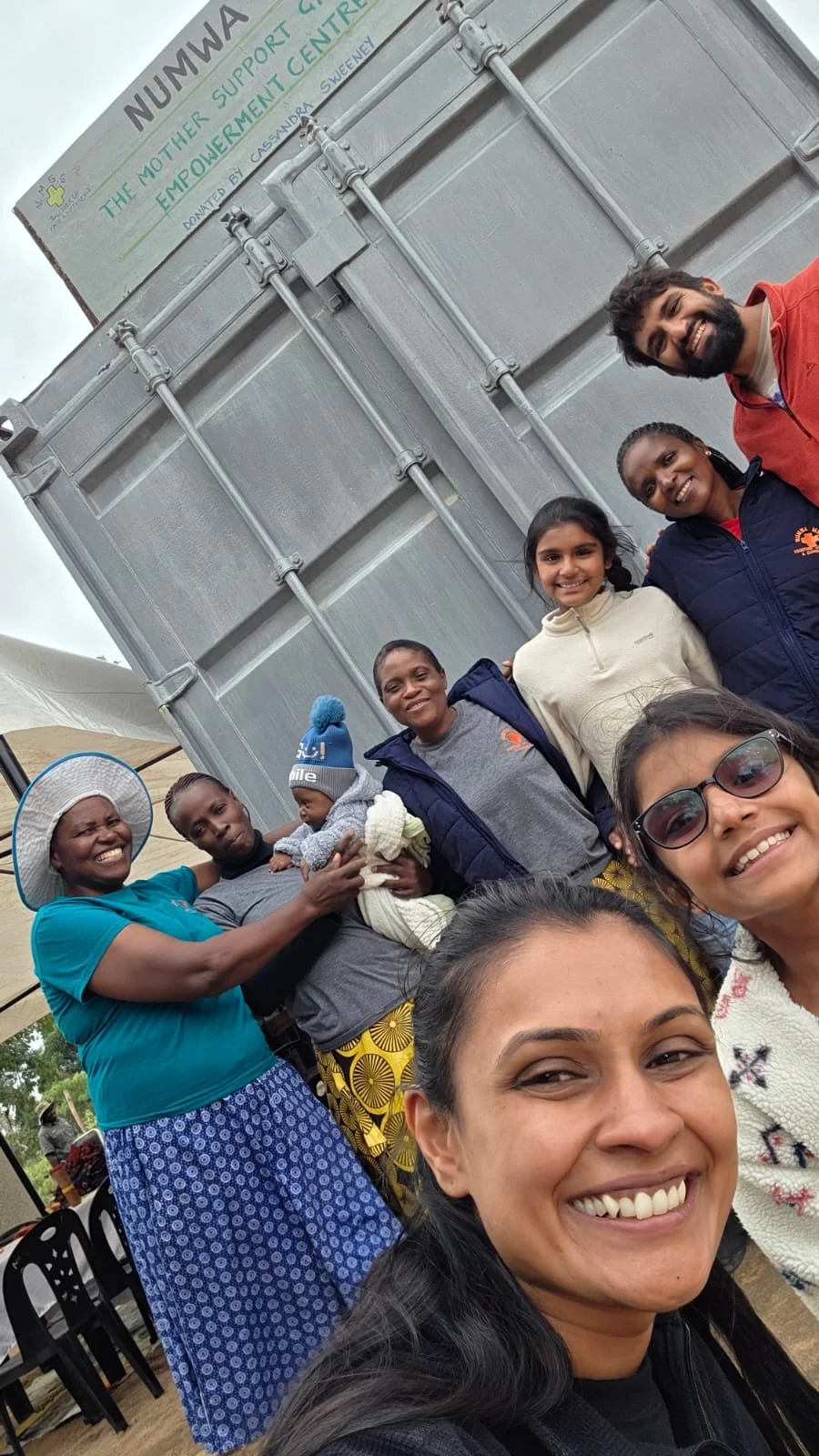
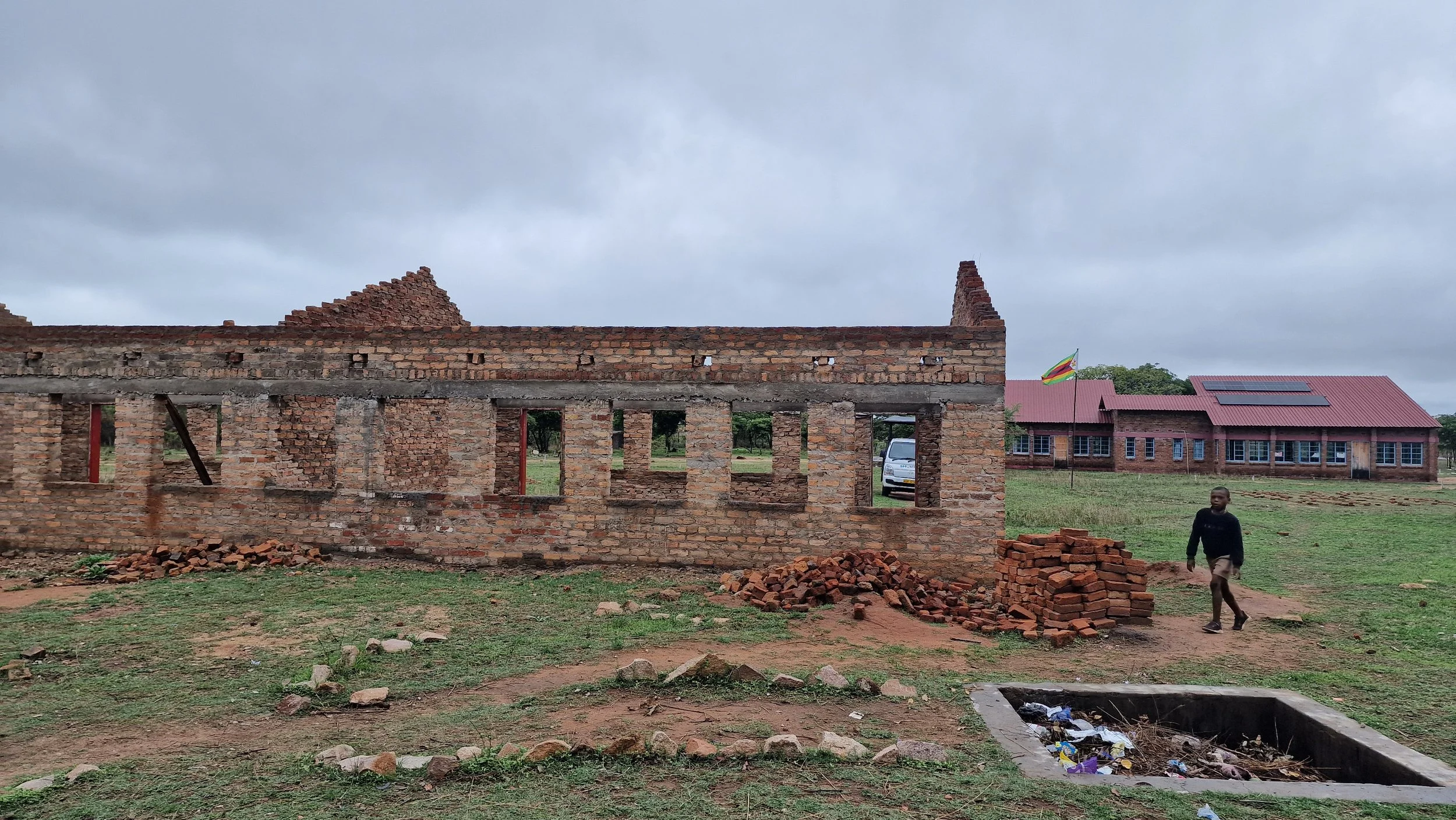
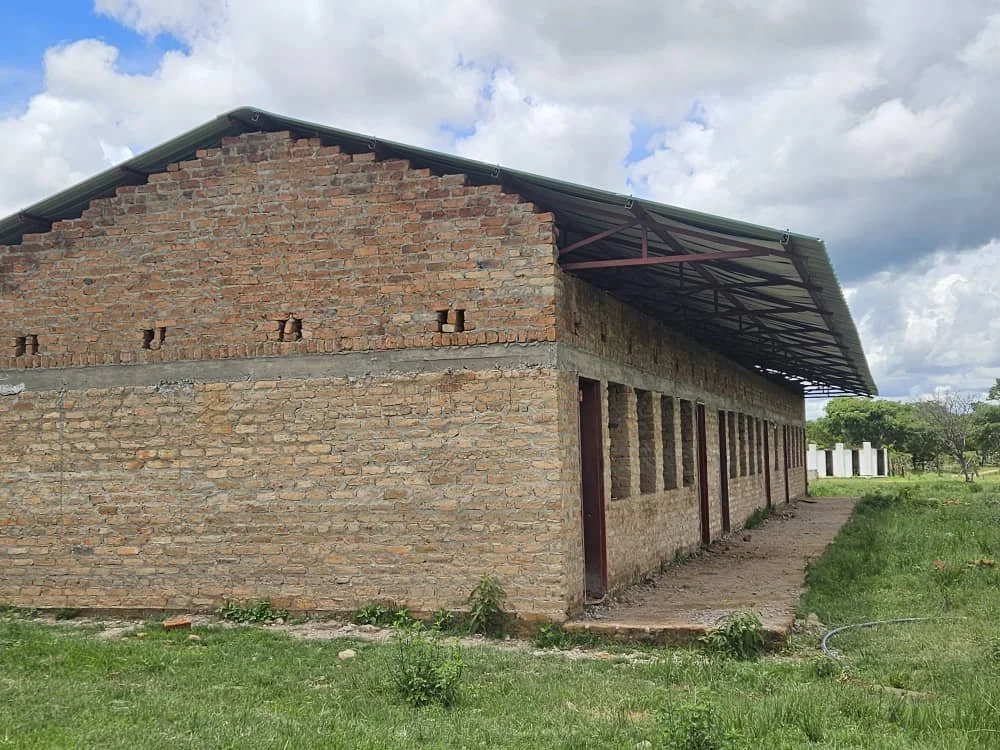
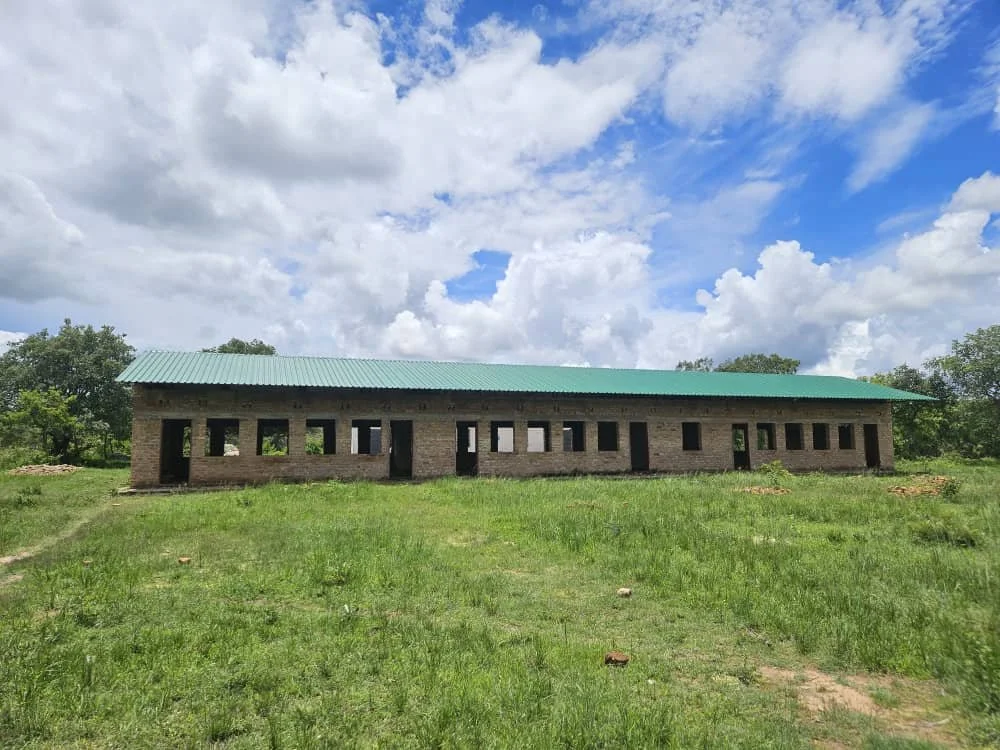
Being part of this project also reinforced the lesson of need and importance of giving back to the local community to earn their trust and support. This came in many forms – donating books and setting up a library in one of the secondary schools, supporting a women’s sewing circle and helping with building a primary school. There were also so many small acts of kindness - even just giving a lift to some of the school children as we were driving through the grounds – that cements the organisation’s social licence to operate in that area, and creates an ability to draw upon their neighbours for anti-poaching efforts.
During a talk on ecology, our main guide Trymore was telling us about biodiversity and talked about the importance of termites. We were stood in the middle of a field and looking at the different types of grasses, and examining different types of termite structures to illustrate the points he was making. Although termites might not be on anyone’s safari wish-list (!), we appreciated them in a new light once we understood the importance of termites as a keystone species, as well as their role in soil health and the ingenuity of their structures and symbiosis with fungi. Being immersed in the lesson was so much more powerful than gleaning it from books, talks or documentaries. It reminded me of the idiom “Tell me I forget, teach me I remember, involve me I learn”.
Everyone we met in Imire was really high quality and dedicated to their role. We have been blessed to meet some incredible guides and experts during our different projects, and I think our guide here (especially Trymore and Rachel) were among the best of them. Watching everyone work together here was also really special – their commitment to their team goal was tangible and inspiring. In contrast to some of the prior projects, it helped to highlight the difference a highly motivated and galvanised team can make.
One thing I reflected more on afterwards was the power of the story for creating resonance and attachment. I noticed that we remembered so many of the animals and people from Imire (after just one week), which I attribute to the way in which we were told their histories in depth and vivid detail.
In prior blogs I’ve made some passing references to principles/concepts found in Effective Altruism. One of the ideas that I first heard described by Will MacAskill many years ago is Earning to Give and making a Giving Pledge – something which really struck a chord with me, and has influenced how I think about how someone like me can best make an impact. It has been such a pleasure and so rewarding to be in the privileged position where we are earning enough to give unencumbered to organisations that we trust to put that money to the best possible use. Helping Imire close the funding gap on putting a roof on a local school is a humbling example of how our family can make a real difference.
What our day looked like
We would start early – ready to go to our first project/experience at 6am, and our day would end at around 5pm (with breaks for breakfast at around 8:30am, and lunch at 1pm). Our schedule of the specific things we did is shown below.
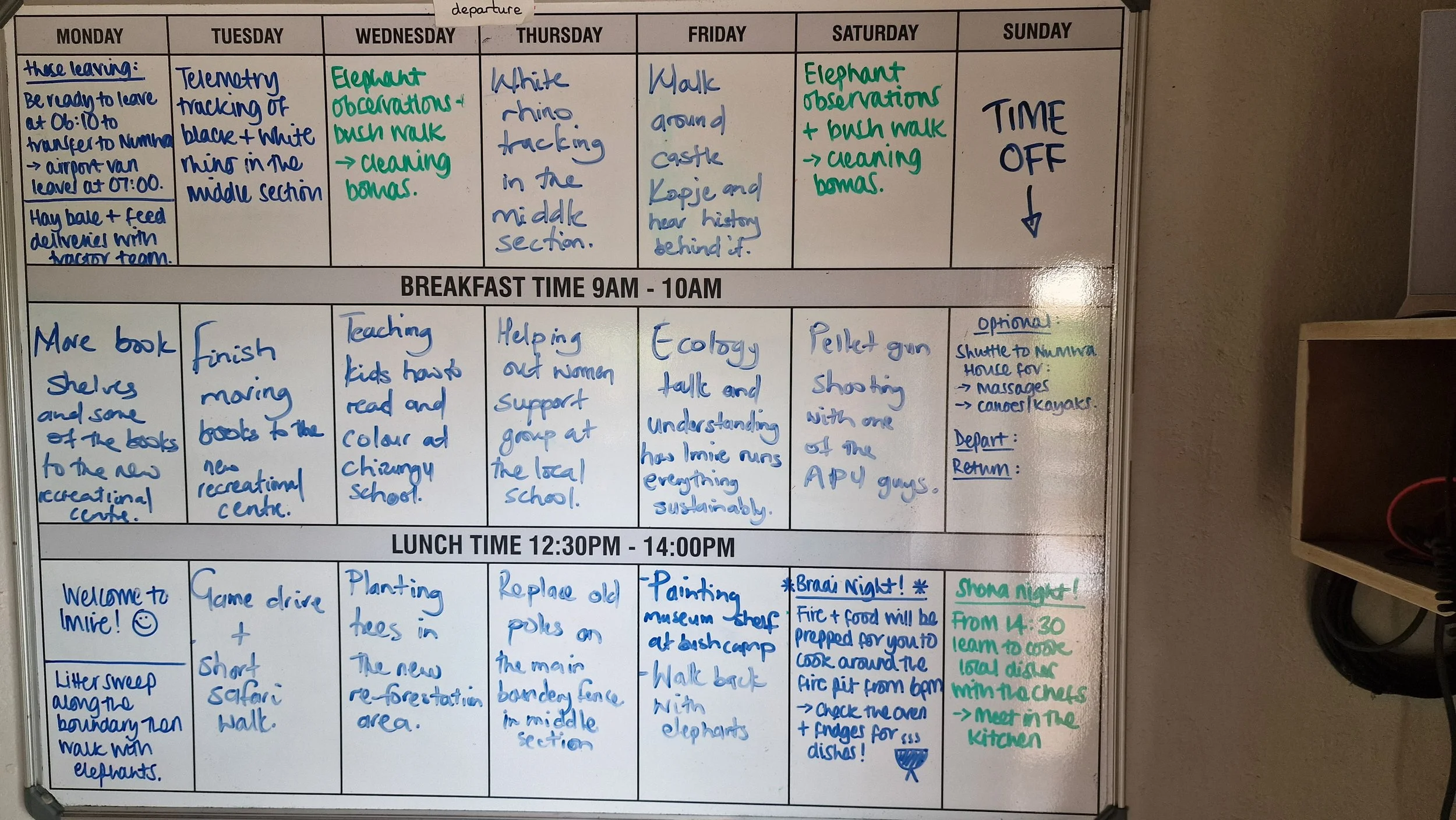
The schedule of our projects was very thoughtfully constructed to give us a great mix of different types of experiences. Some particular highlights for me included:
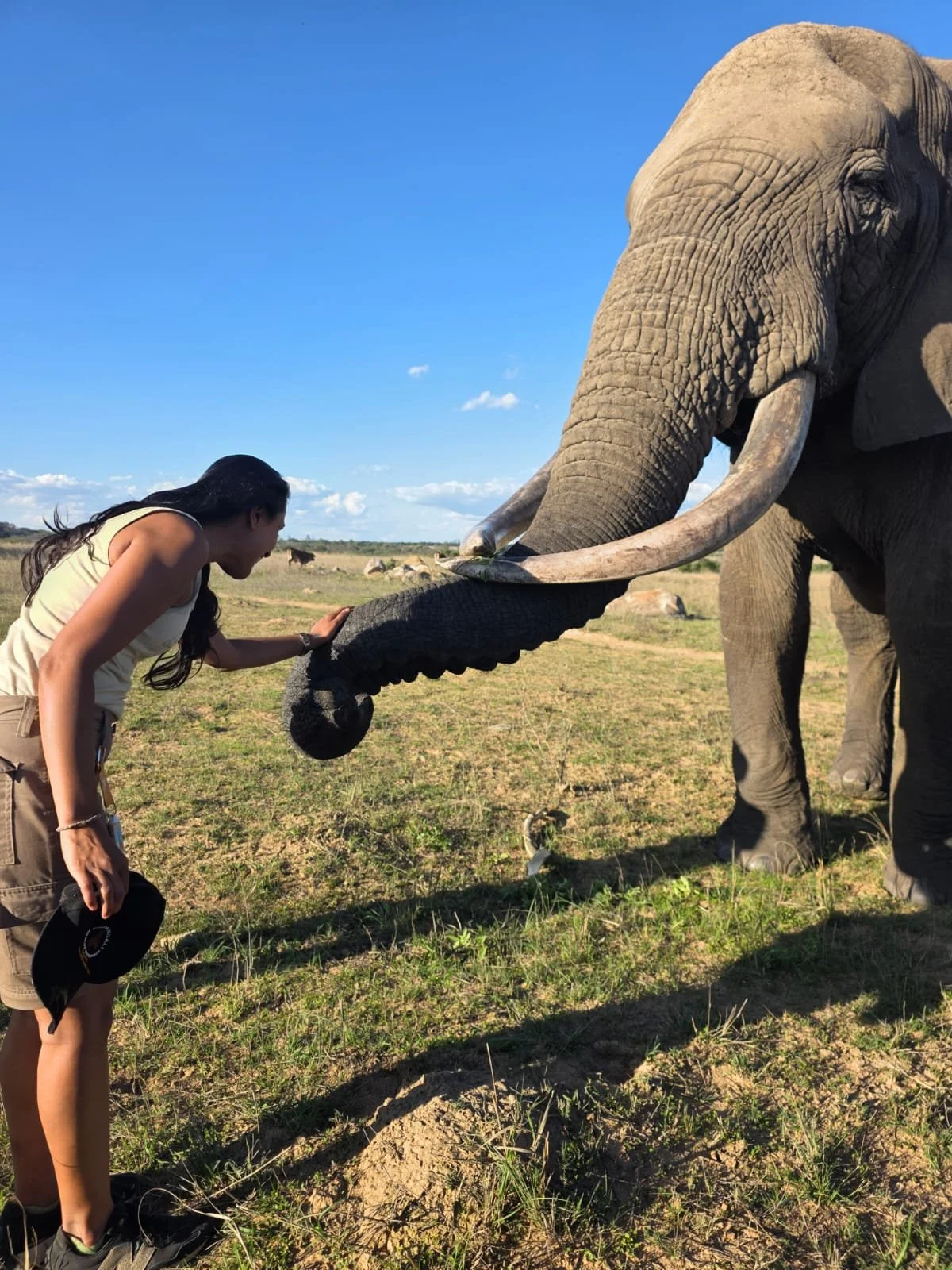
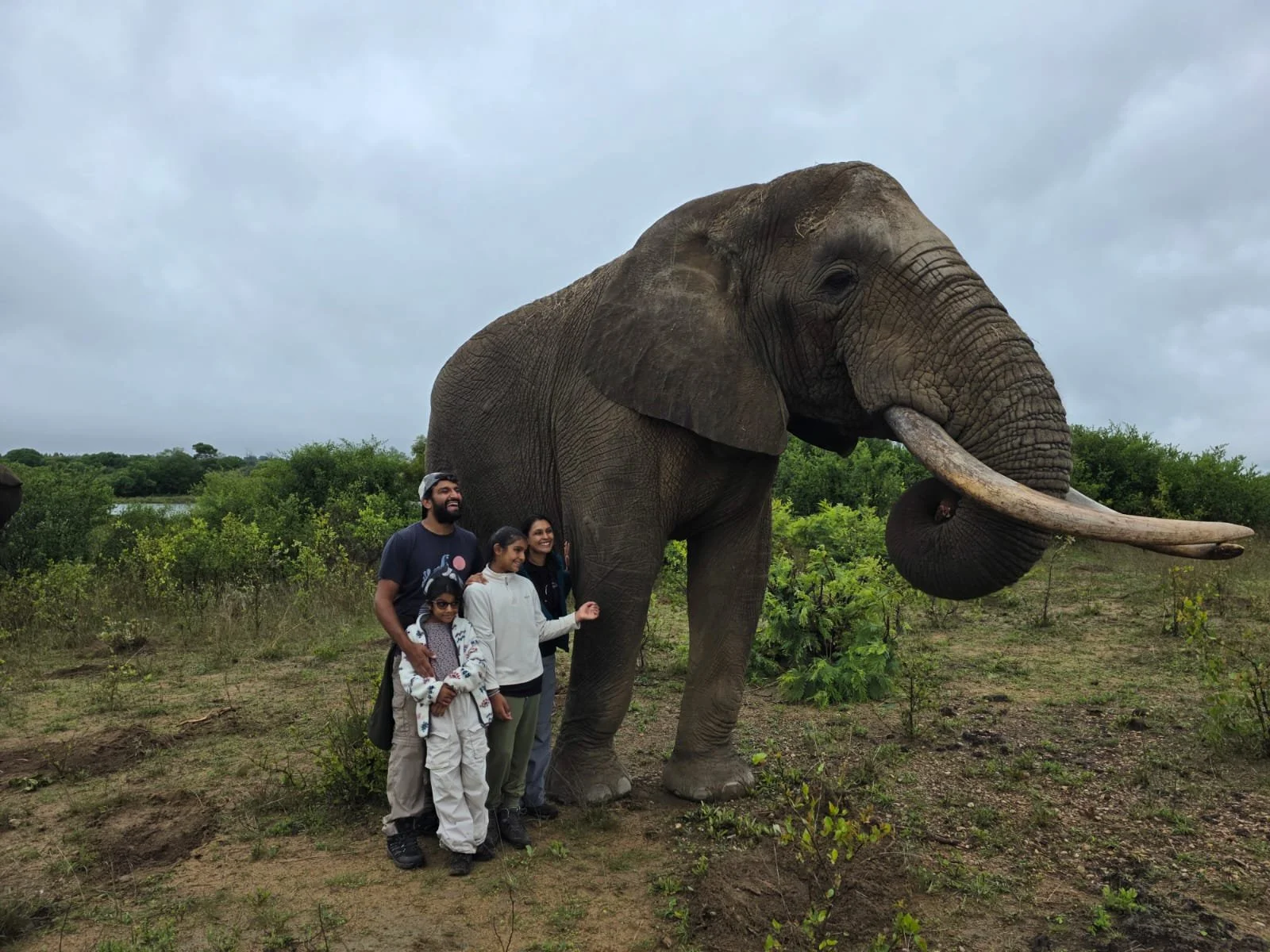
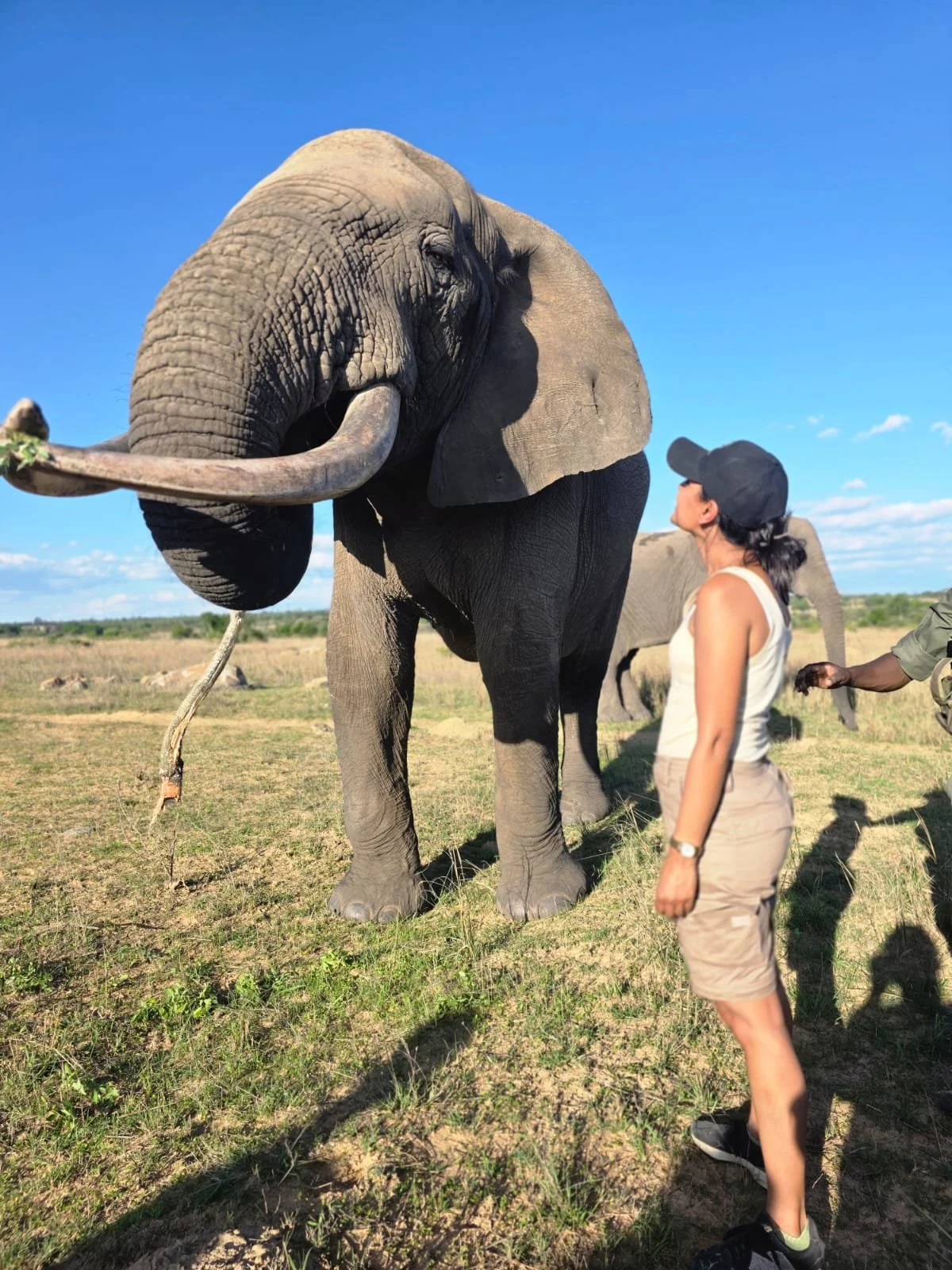
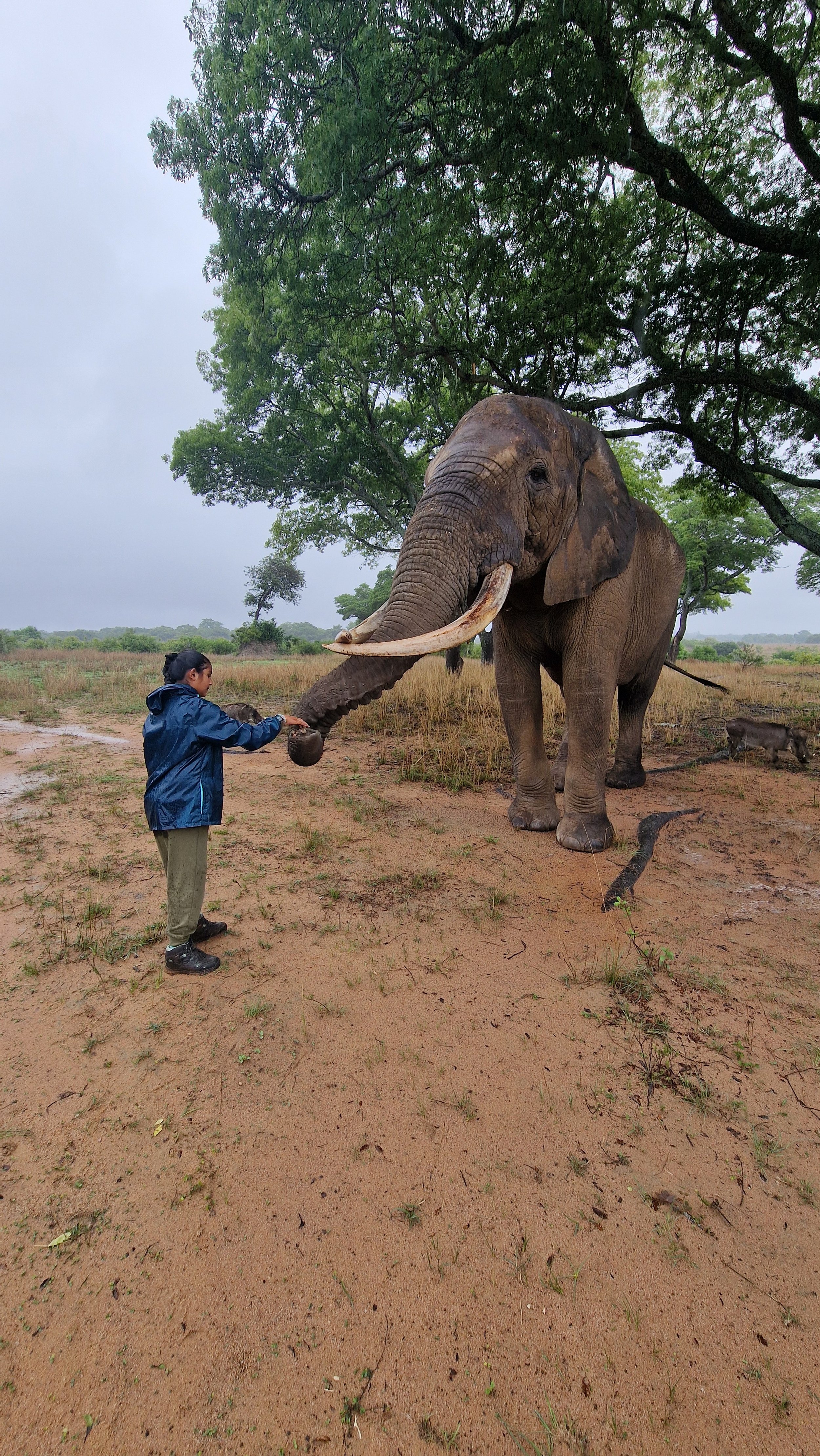
Seeing Nzou – the elephant who has an incredible backstory. Anaya is writing about her on her storyboard so I won’t repeat it here…
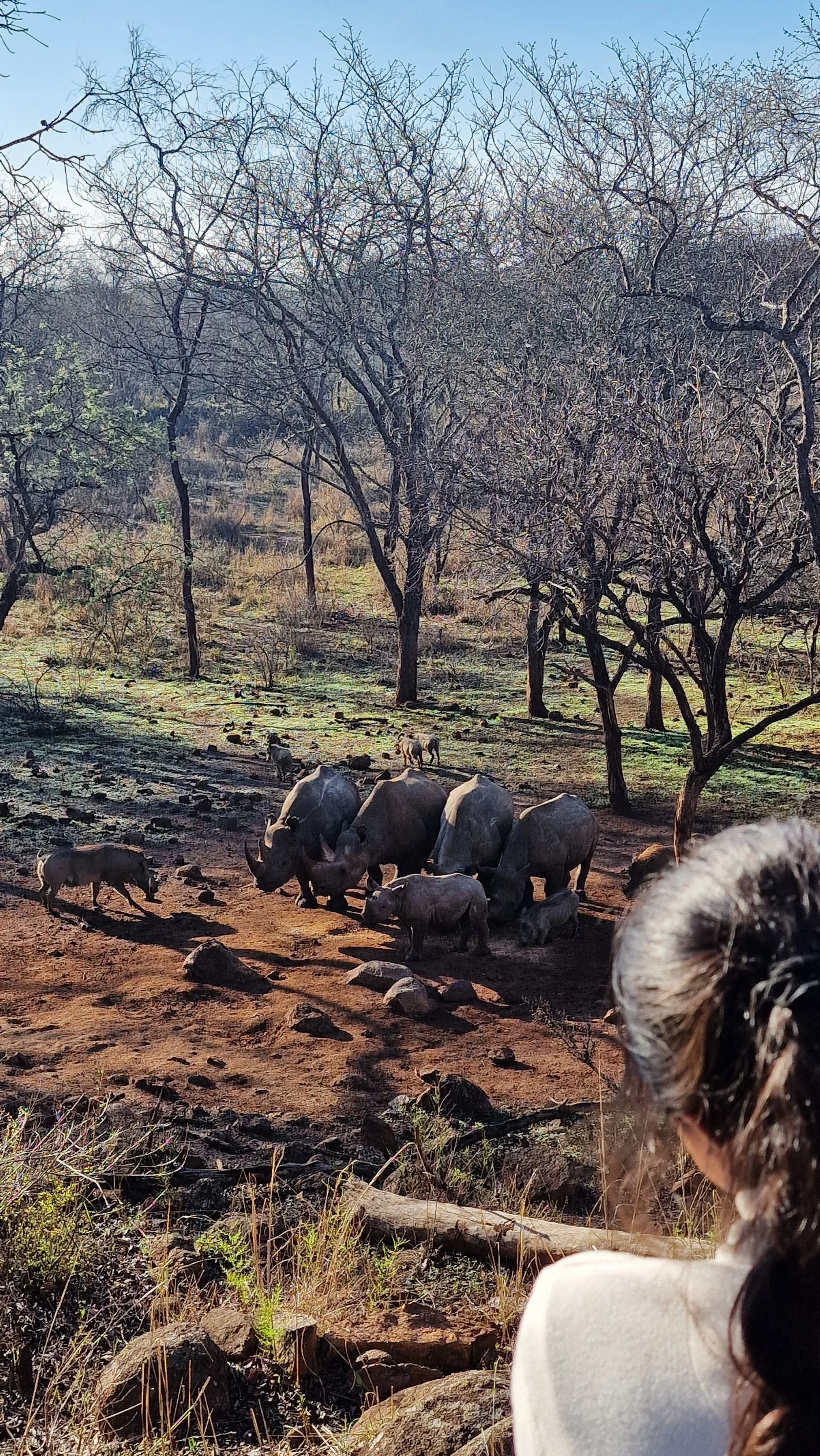
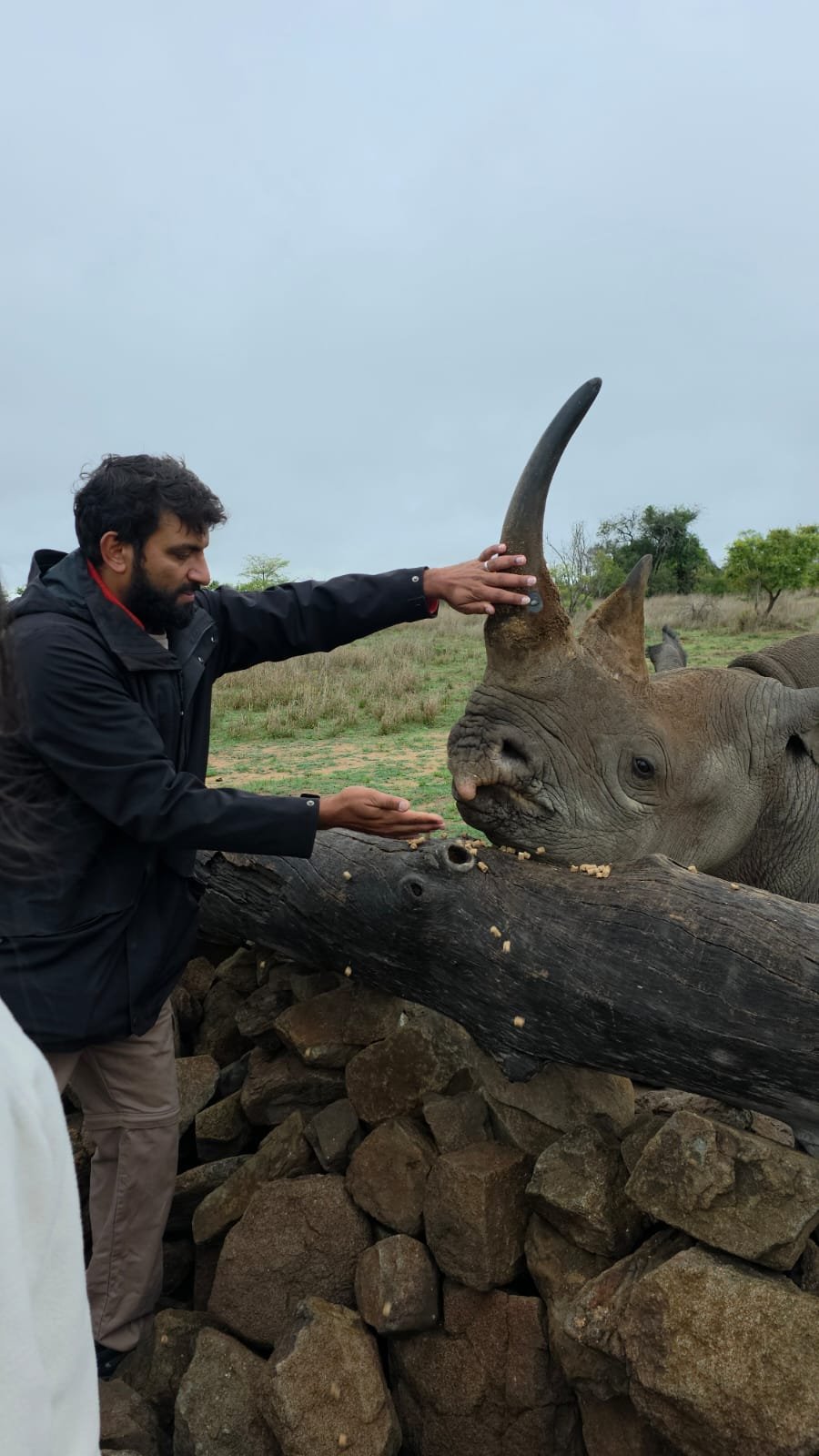
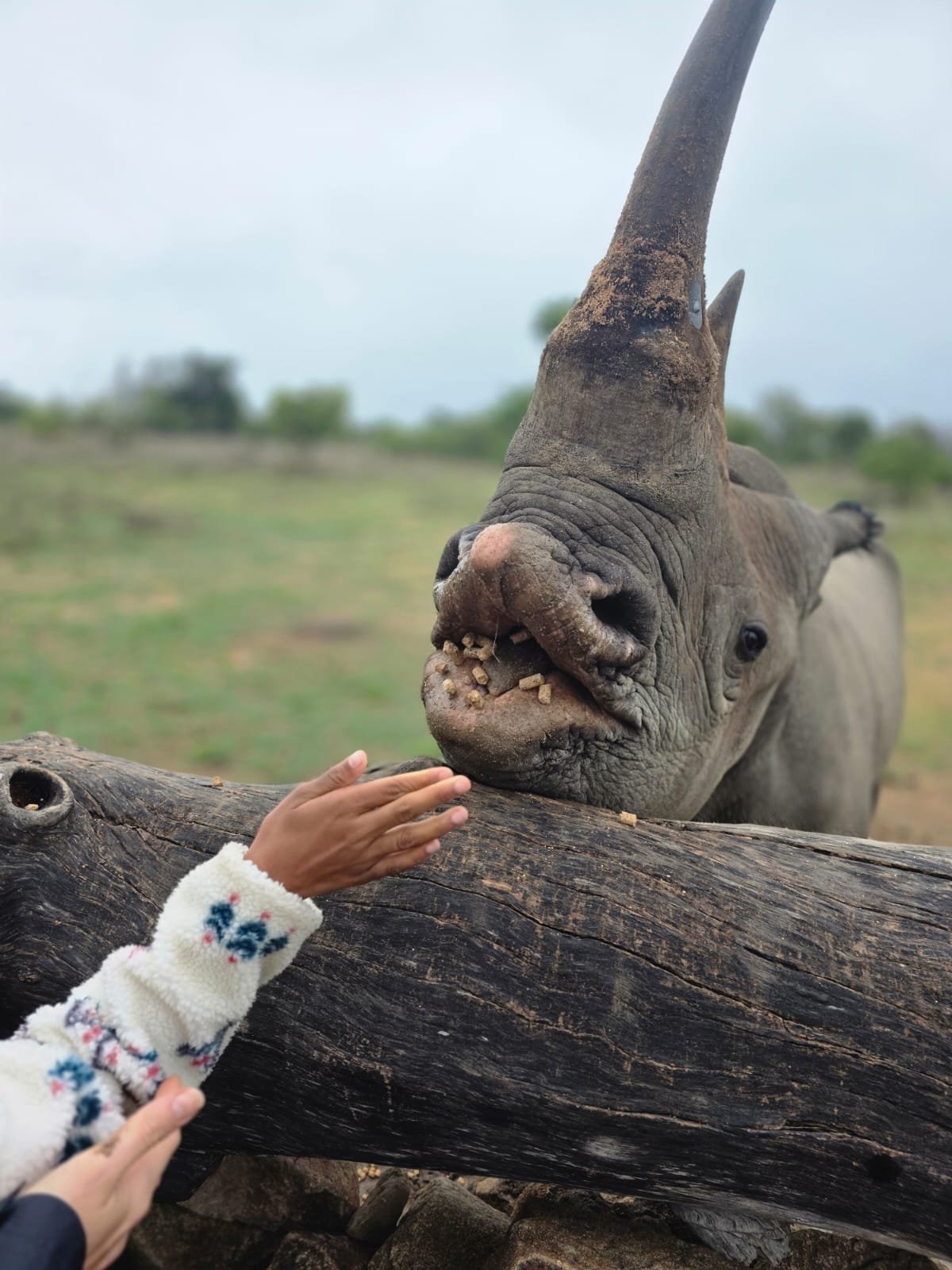
Rhinos – seeing black and white rhinos thriving in this environment was just a joy.
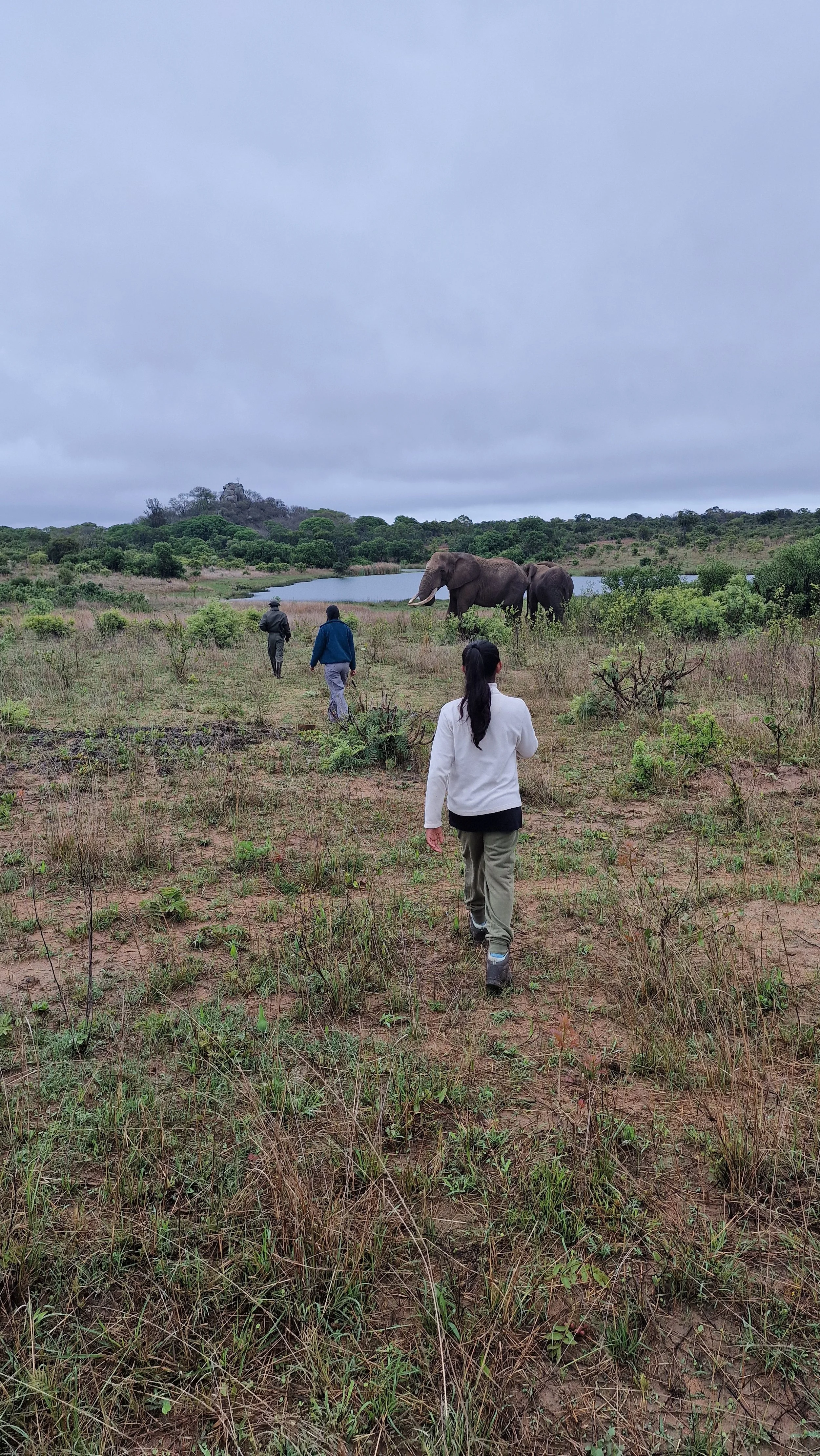
Elephant walks with Mac and Mandy – two elephants with tragic backstories that have found solace here, and who were gentle and graceful as we walked with them and watched them grazing on the trees.
Planting trees – which was so much fun, but also really rewarding to see the difference. In a lot of conservation effort it feels like you see the outcome in subtle ways after many years, and it was really nice to see be able to see an immediate difference too.
The biodiversity and ecology talks – I talk about this in a finance context, and it was great to be able to bridge the ideas and learnings from people experiencing it every day on the ground.
Women’s empowerment circle – what began as a small sewing circle to make small repairs to uniforms has now become a small enterprise that makes reusable sanitary products and has lifted over half a million young women out of “period poverty”. There is so much untapped potential in the people in this country.
I have to give a special mention for the food, accommodation and management. I think on these elements, Imire was the best place we stayed in Africa. It made the volunteering and exploring so enjoyable.
Who we met
Rachel – our main co-ordinator on the ground. Originally from the UK, Rachel has been based in Africa for 5 years, and was recently back in Imire after a brief stint away. Rachel is so warm, kind and thoughtful – she helped engage the girls and played games with us.
Trymore – our main guide who was with us everyday. A master storyteller, funny, generous, playful and patient. Super knowledgeable and engaging, and not just about the animals, but also clearly very committed to the local community.