Zimbabwe - Chipangali (3 - 14 November 2025)
Project Overview:
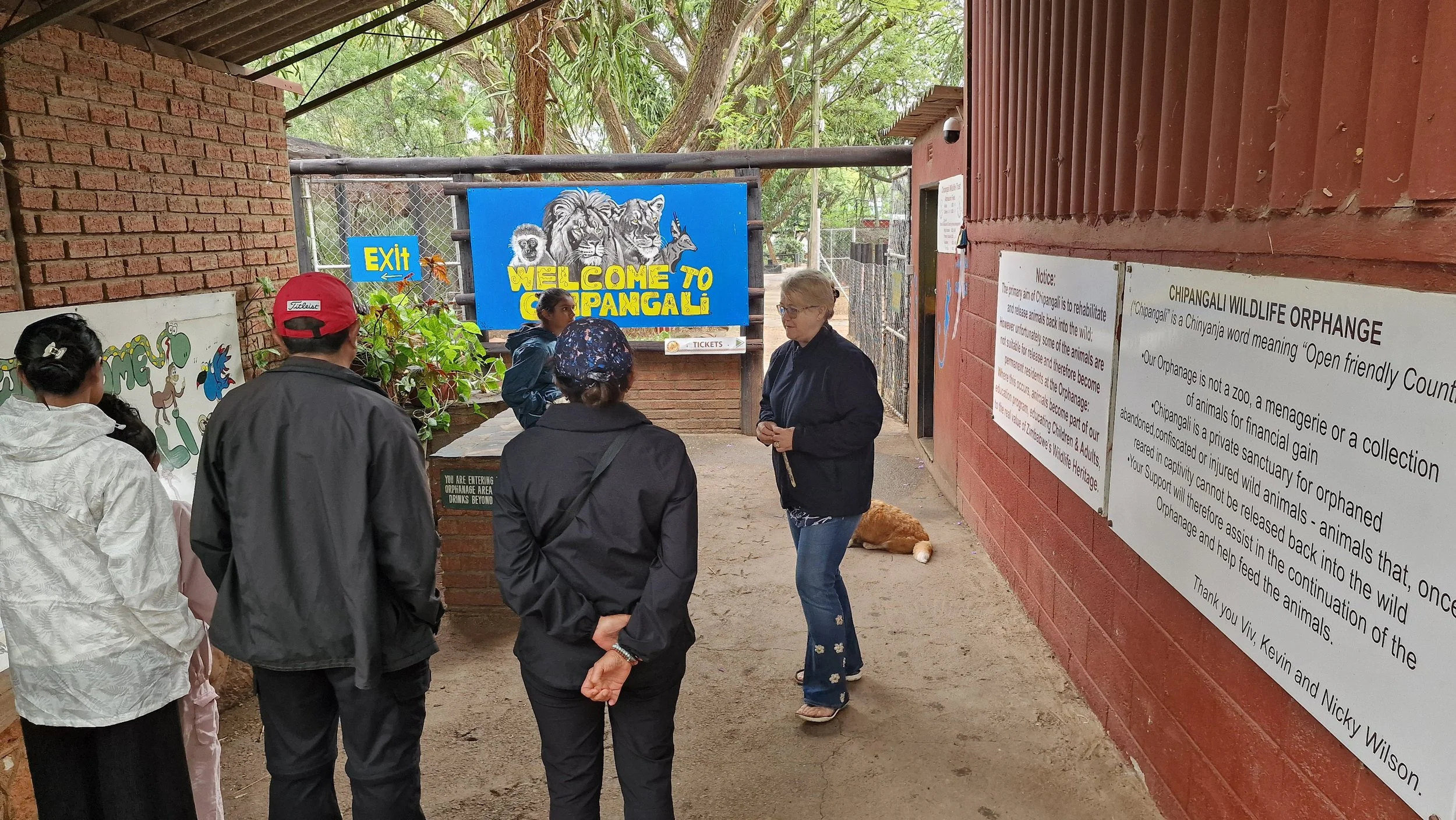
Chipangali is an animal sanctuary, focused on the rescue, rehabilitation and release of wild animals. They have been running for 52 years – making them one of the oldest animal rescue centres in Africa.
Among their many, many achievements to date - Chipangali was the first place to successfully breed Black Rhinos (to help bring them back from the brink of extinction); and the first to successfully release Vervet Monkeys back into the wild.
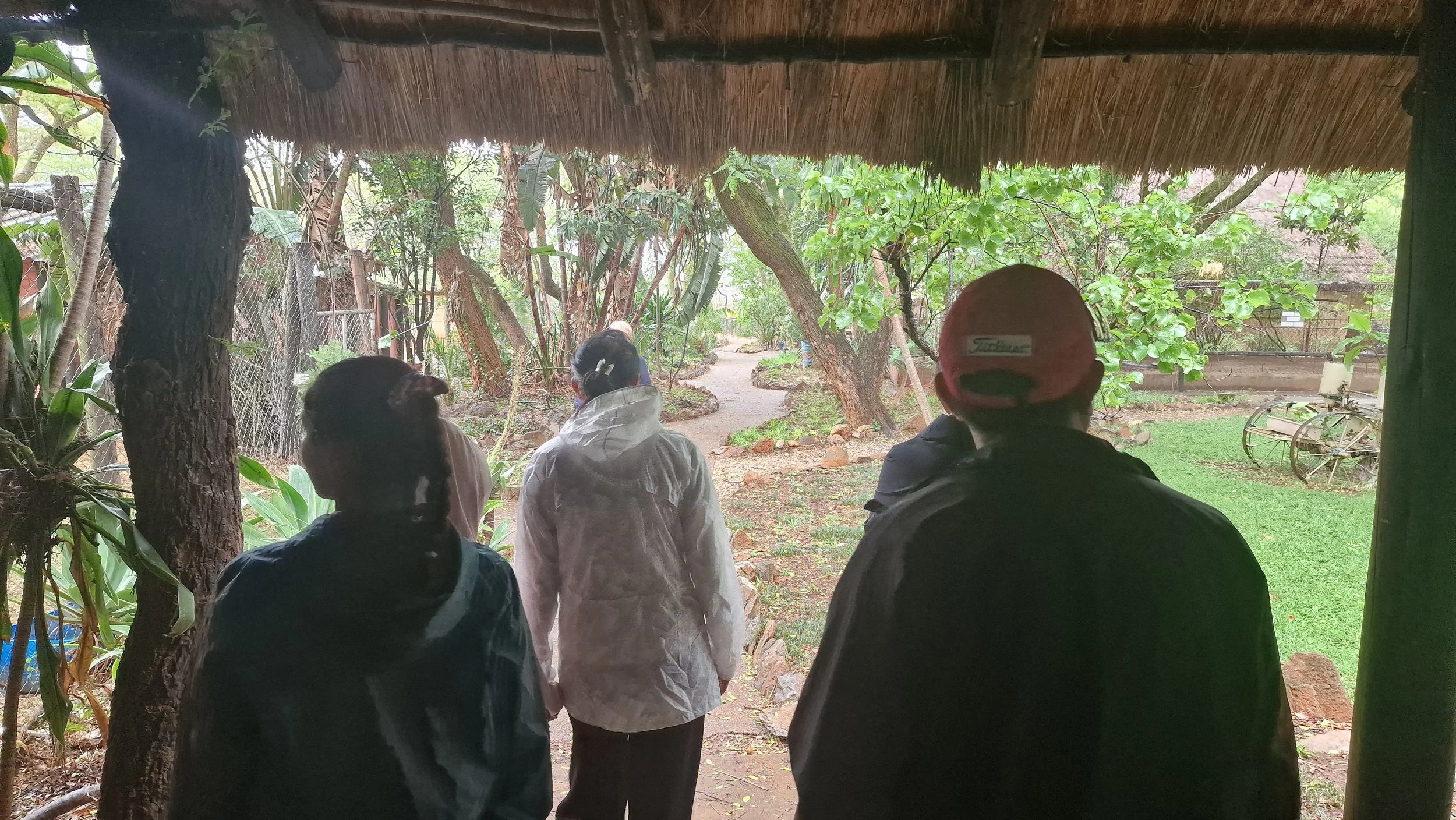
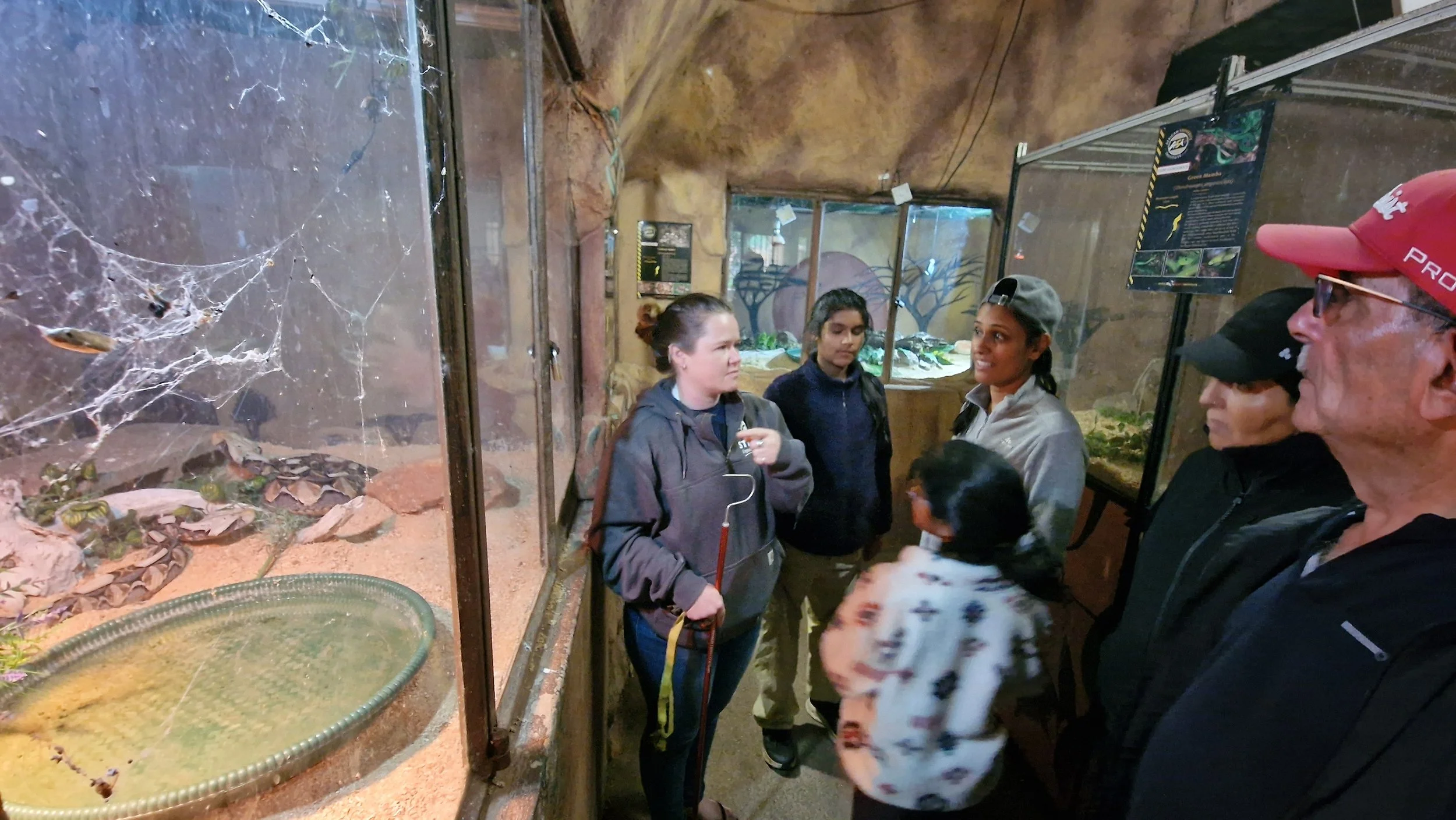
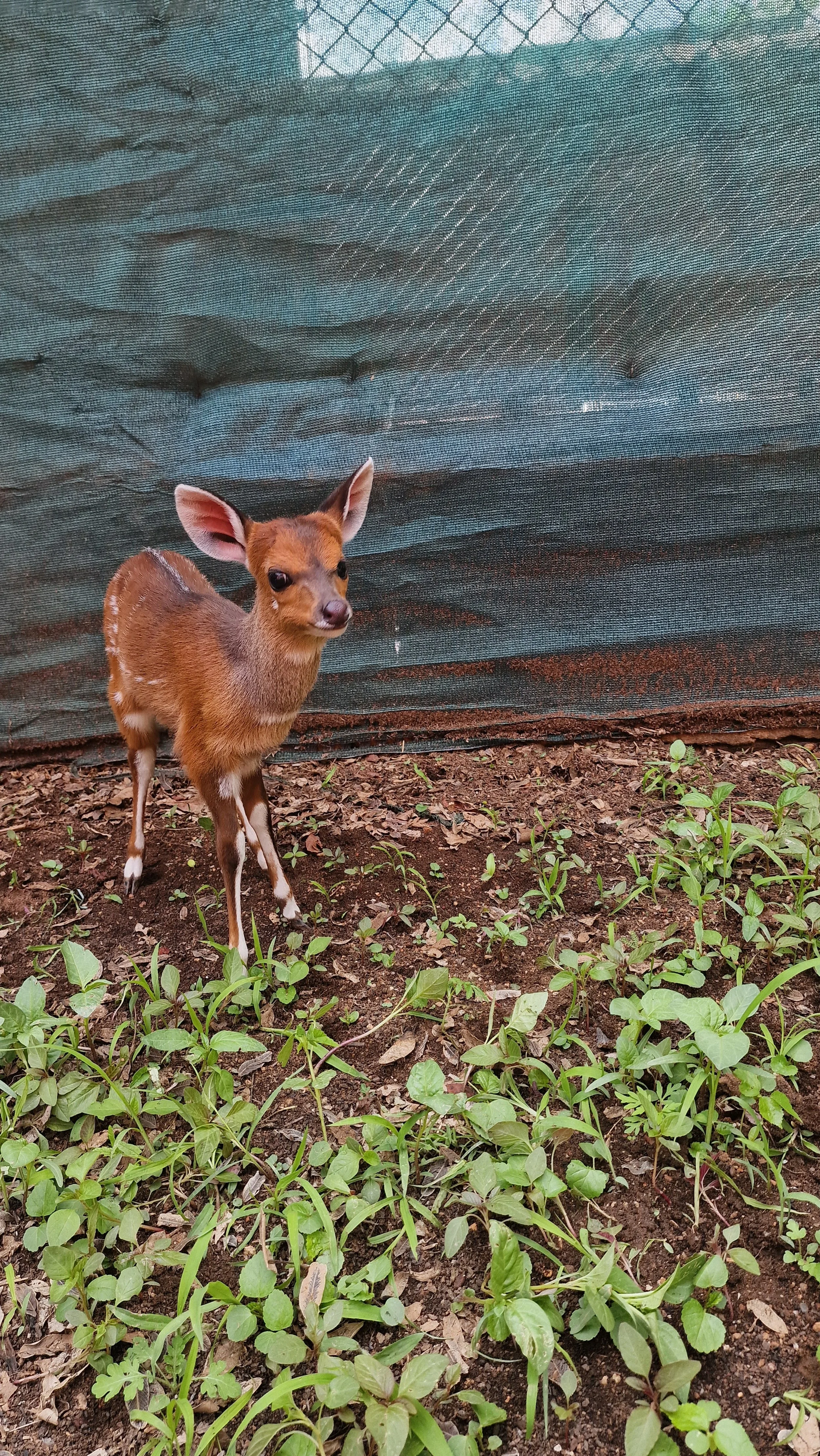
They have a wide array of different animals that have been rescued and are in their care. During our two weeks of volunteering there they had lions, leopards, hyena, baboons, bushbucks, bushbabies, black mambas, boomslangs, kudu, eagles, vultures, and many other incredible animals. We were fortunate enough to see and participate in each phase of rescue, rehabilitation and release.
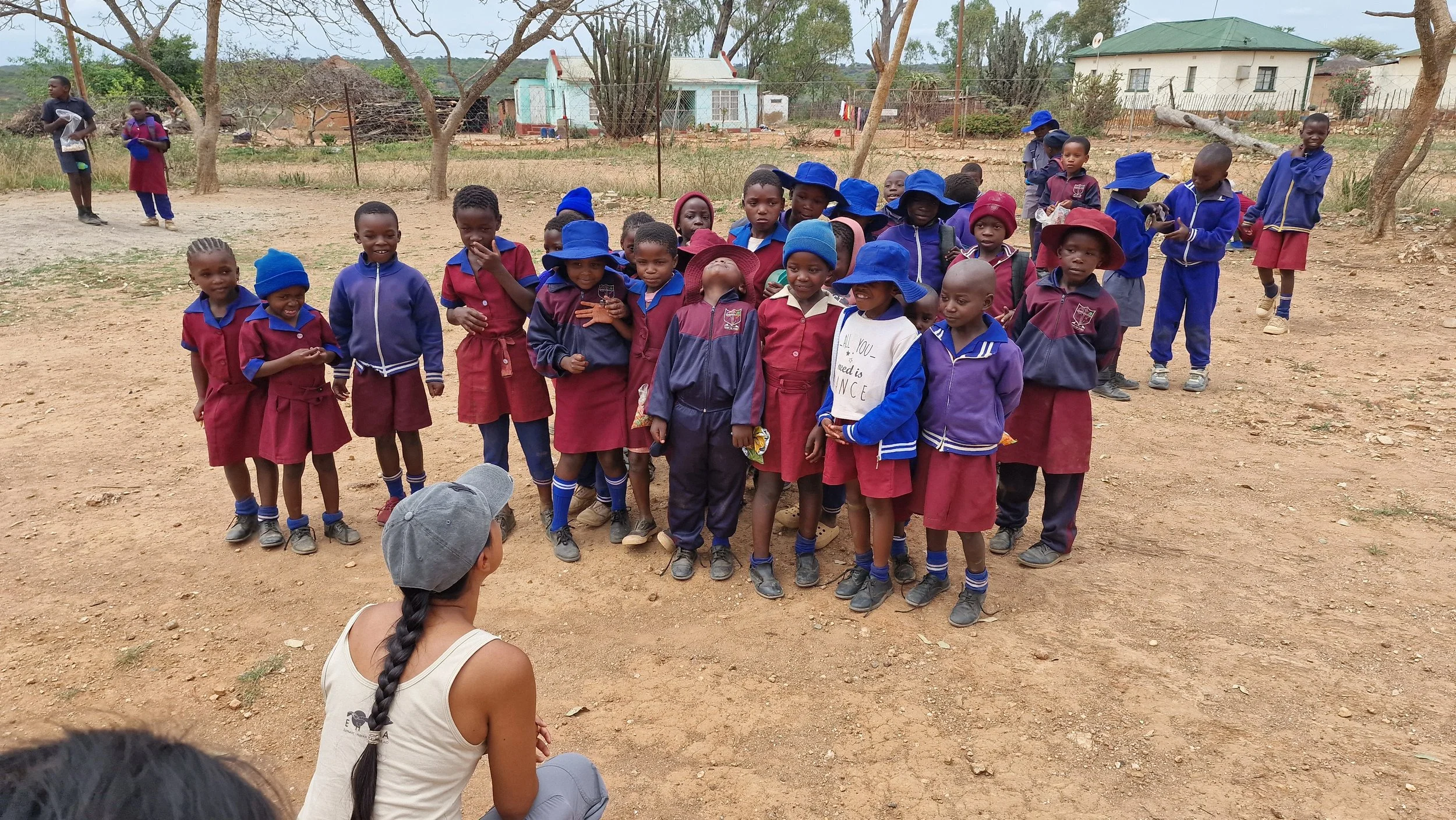
In addition to running the sanctuary they have a community outreach and education program called EPIC kids – where they teach local people and school children about different animals through school networks.
They are a family run business – owned and operated since inception by the wonderful Wilson family – now entering the third generation, with current senior directors Kevin and Nicky Wilson beginning to hand the reins to their daughter and son – Mickayla and Ryan. (Sia and Anaya interviewed Mickalya for their podcast series).
Key Insights:
I’ve noticed through the different experiences we have had so far that it is so easy to form (fairly strong) opinions and views based on our first impressions. Additionally, we often dress up our view/scepticism as a question. (Why is that bushbaby in a cage? Why does that hyena need to be here? Surely that heron needs a bigger enclosure?). At Chipangali, I was reminded of the difference of asking in the spirit of an honest enquiry (with an open mind), instead of a thinly-veiled inquiry (with pre-determined judgement). The Chipangali team had high quality answers for all of the questions we had, and had thought about angles we hadn’t even considered when it came to animal welfare. Of course they had – this is their life’s work. They were gracious in answering and said they were grateful for the questions we had – it showed that we cared enough to ask, and led to a great dialogue where we could learn and exchange perspectives, often challenging our preconceptions. A good lesson in the power of approaching things with genuine curiosity.
In a similar vein, I was reminded not to jump to judgement of “right/wrong” or “good/bad” in complex environments where resource constrains are very real. A quote that came to mind often as I felt it was exemplified by the Chipangali team was “don’t let perfect be the enemy of the good”. It is surely better to start doing something effective to the best of our ability and resources, rather doing nothing whilst waiting for perfection.
There is a quote that I will steal from Ryan and Mickayla: “Get comfortable being uncomfortable”. They would often say this to volunteers when we were doing a new activity. The work here is often hard, smelly, sweaty and dirty. There were many occasions where people would flinch or recoil from something on day one, that they would be able to do with a smile on their face by day two. I felt that each one of our family got our of our comfort zones on a regular basis, and pushed the boundaries of what we thought we were capable of.
Another good phrase I picked up was described by Mickalya as what could be a slogan for many Zimbabweans – when some new problem or challenge emerges, the initial response is “We’ll make a plan…”. And we would. Not always perfect or comfortable – but collectively and with some creativity. It was growth mindset in action.
After previous projects I reflected on how the longevity of the organisation helped compound trust and impact through time. At one point, when we asked what it has been like over 52 years, Kevin said: “Surviving for 50 years anywhere is an achievement, in Zimbabwe it’s a miracle”. It is difficult to comprehend the sacrifice that this family has had to make to survive through the hardships and economic distress that the country has gone through – hyperinflation (1, 2 and 3!), international sanctions, political upheaval and COVID to name just a few that decimated so many enterprises here. I remember learning about Zimbabwean hyperinflation in economics class – but Kevin put it into perspective by describing how they had saved for a decade to build enough money to see their kids through their entire higher education, only to see the government devalue the currency so much that in two days that same money could no longer buy a loaf of bread. Surviving through time in conservation in an arena such as this requires a level of devotion and sacrifice that most people and organisations cannot endure, without the stability of outside support and being able to make very tough trade-off decisions.
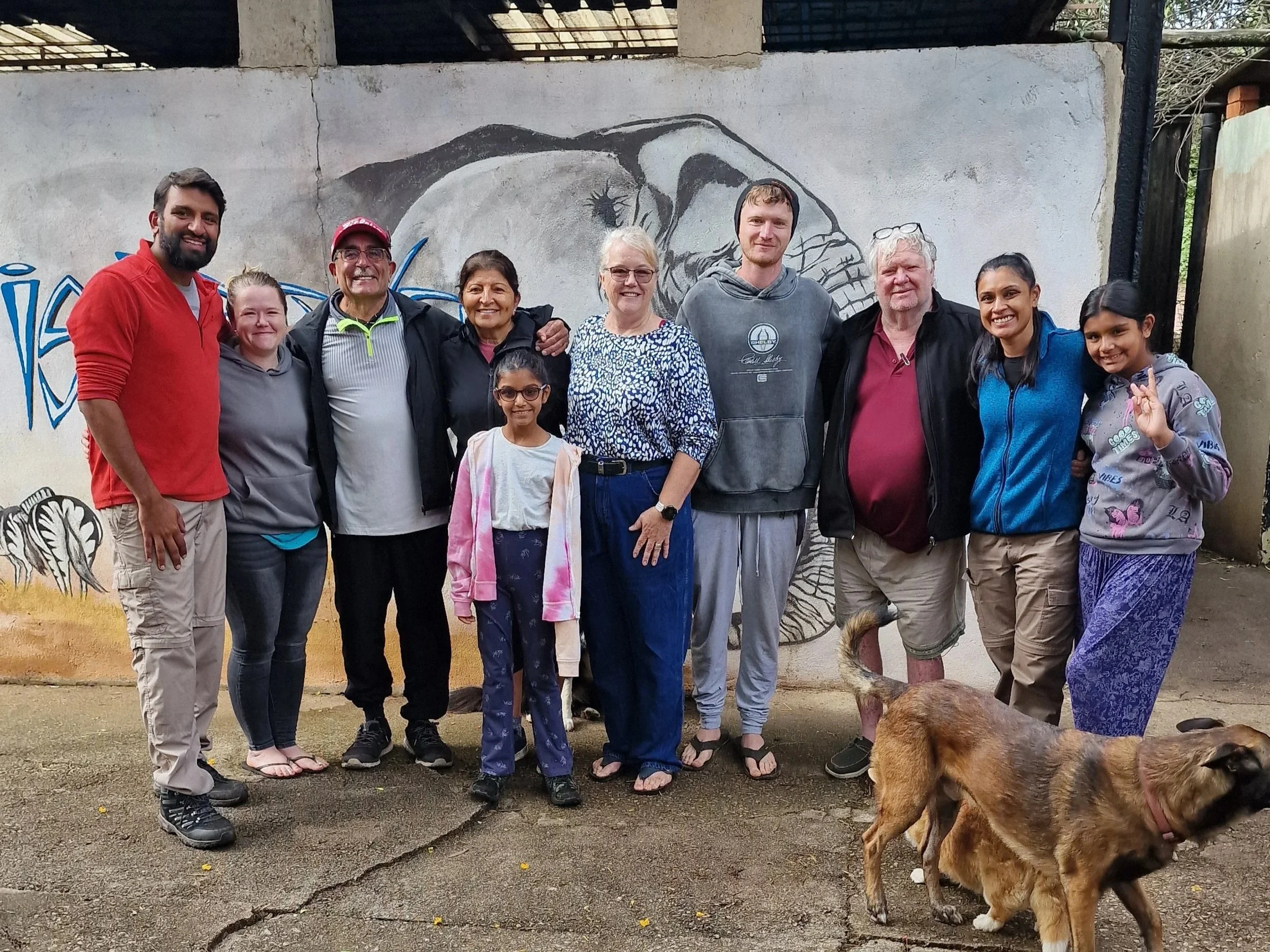
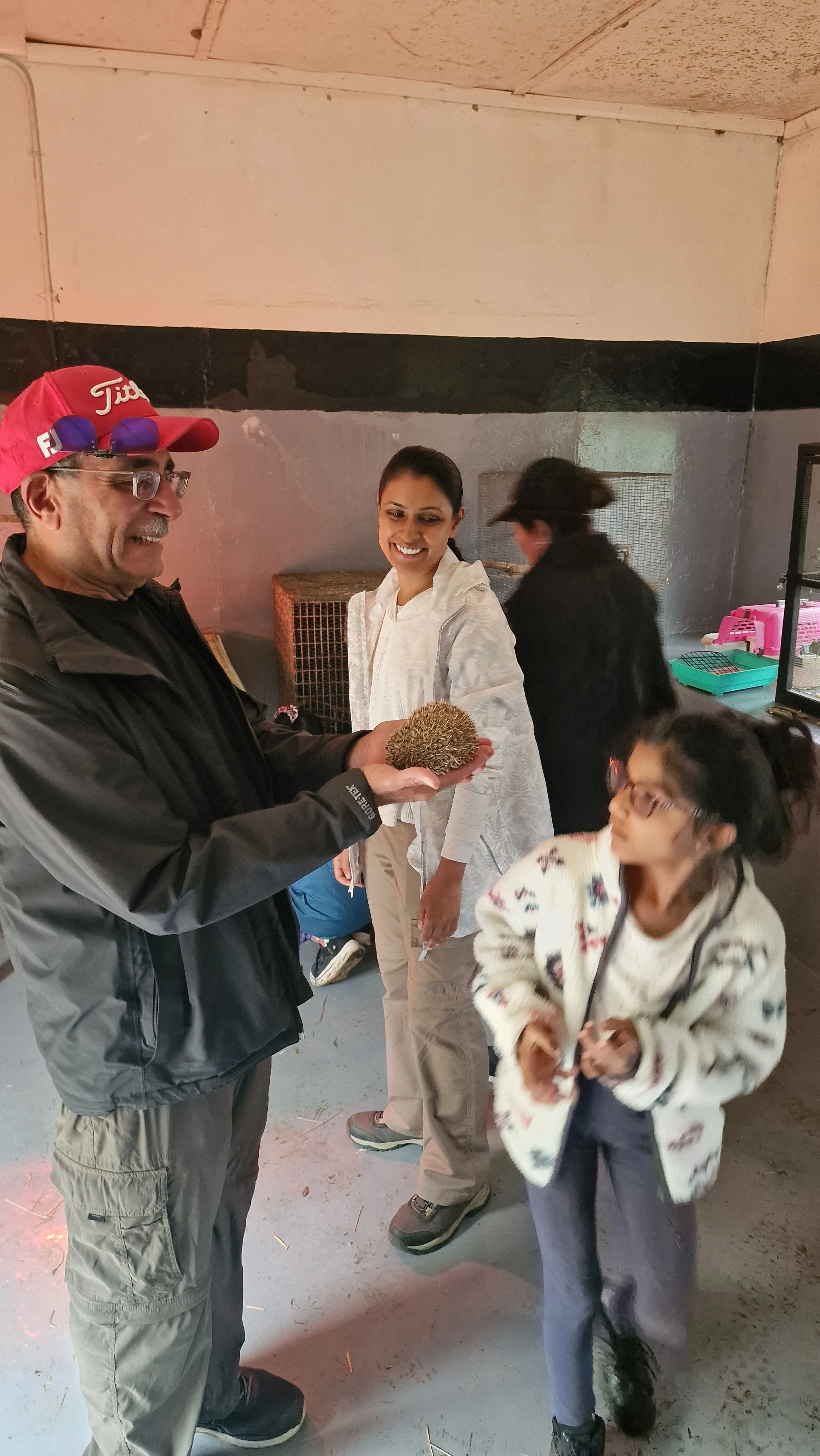
At one point I realised that whilst the ownership of Chipangali is slowly moving into the third generation of family ownership, we were here volunteering with our own three generations! Volunteering with Mum and Dad was such an incredible honour – I don’t know many 65 or 70 year-olds that could/would do the work they did here – and for Sia and Anaya to do it side-by-side with their grandparents is something that will stay with them forever. I am so grateful to them for coming and joining in and role modelling positivity and work ethic for all of us.
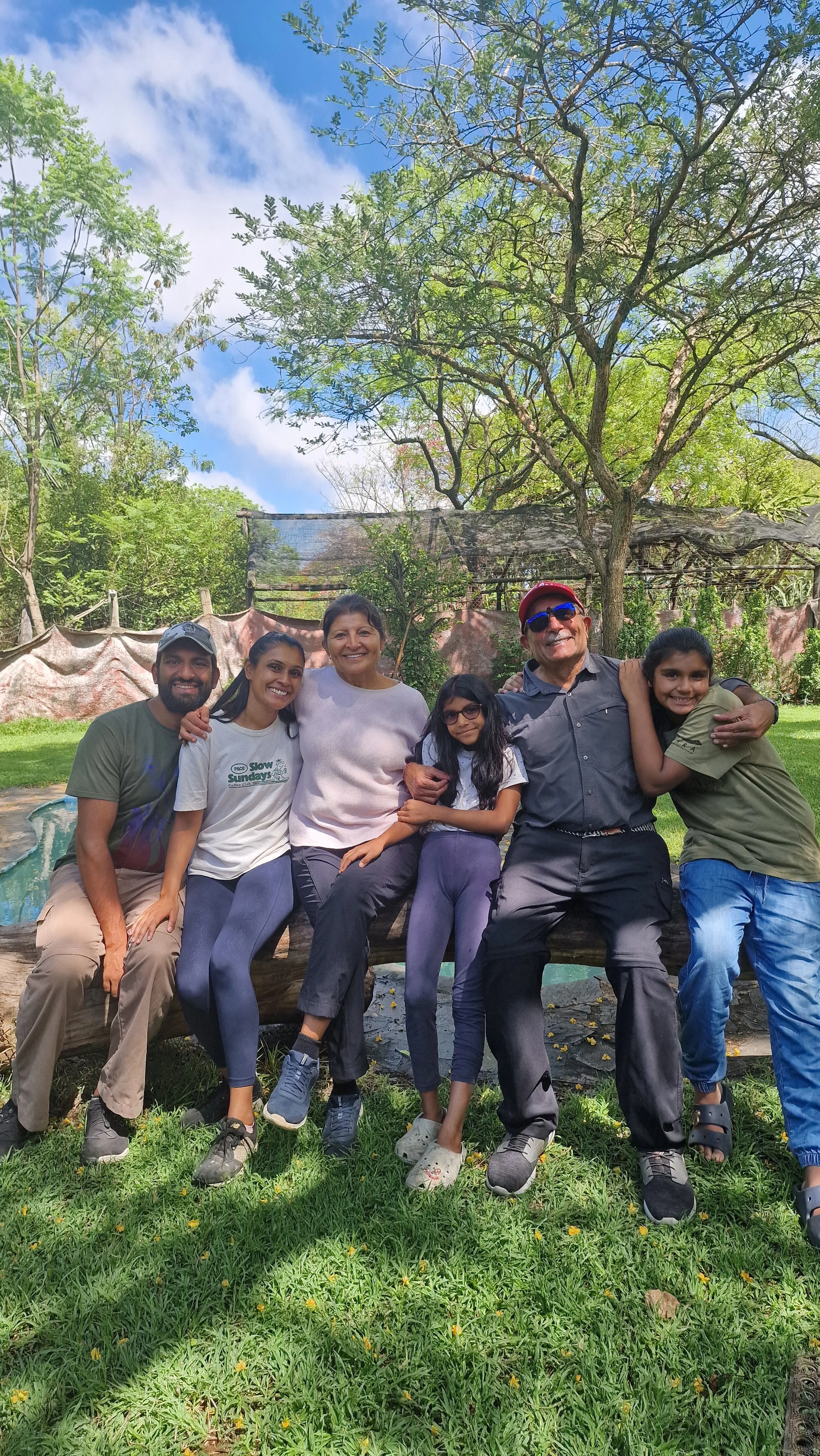
What our day looked like:
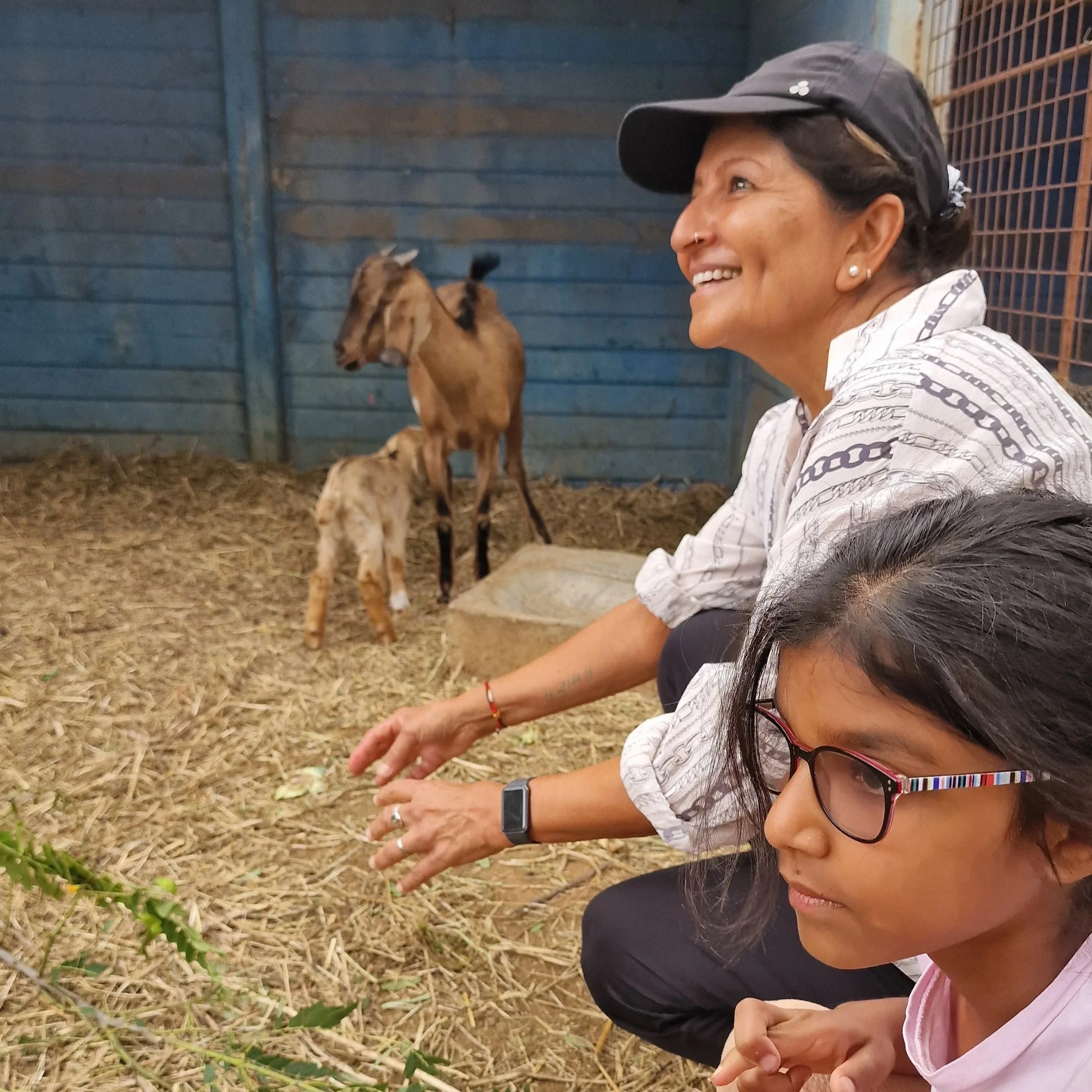
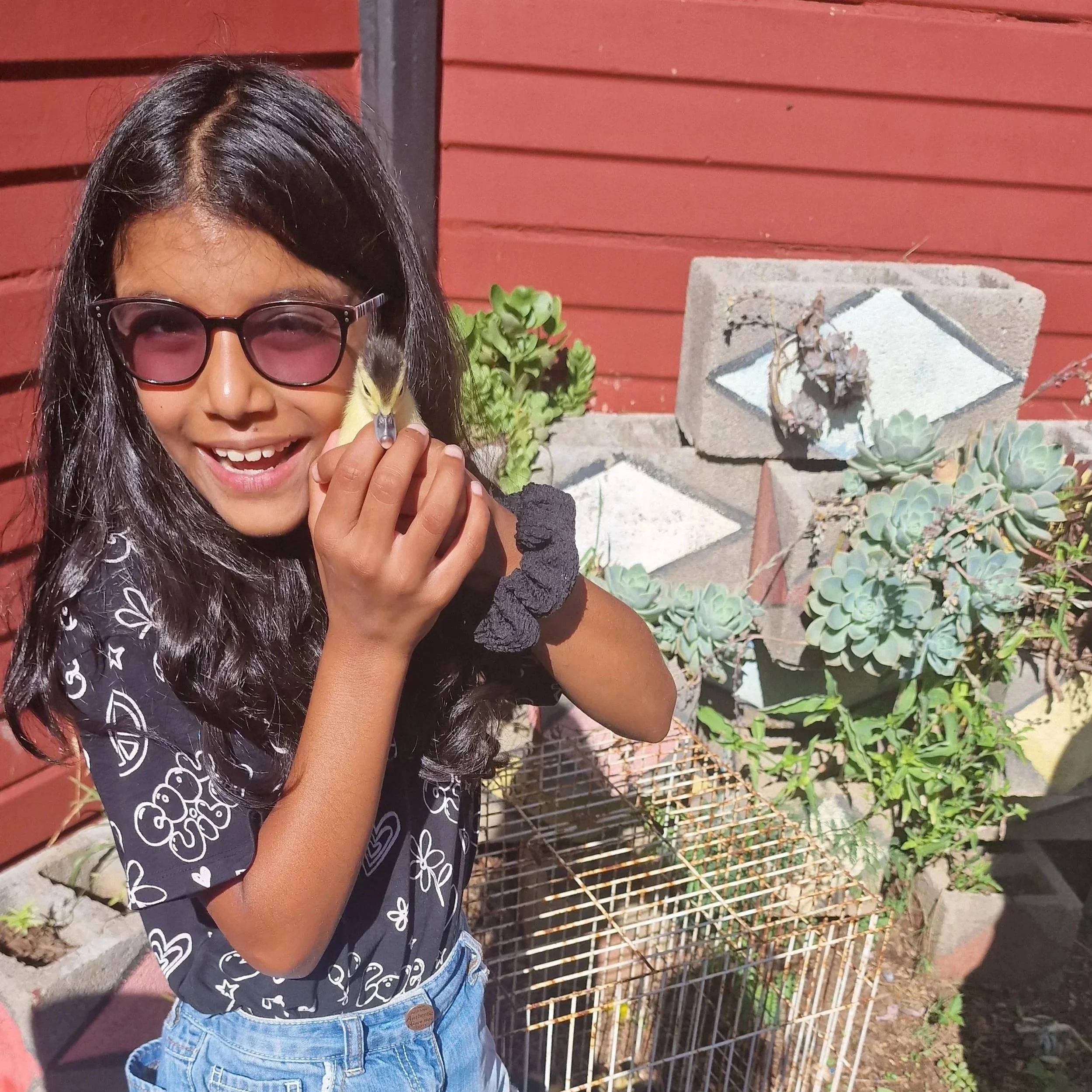
Our work day would begin with the Nursery. This is where the young and/or vulnerable animals are kept, and where the volunteers have a lot of the responsibility of ensuring the animals are fed, watered, cleaned and recovering. We would spend about an hour checking every animal and doing what was needed. We would start first thing at 8am, and come back at 4pm to do it again.
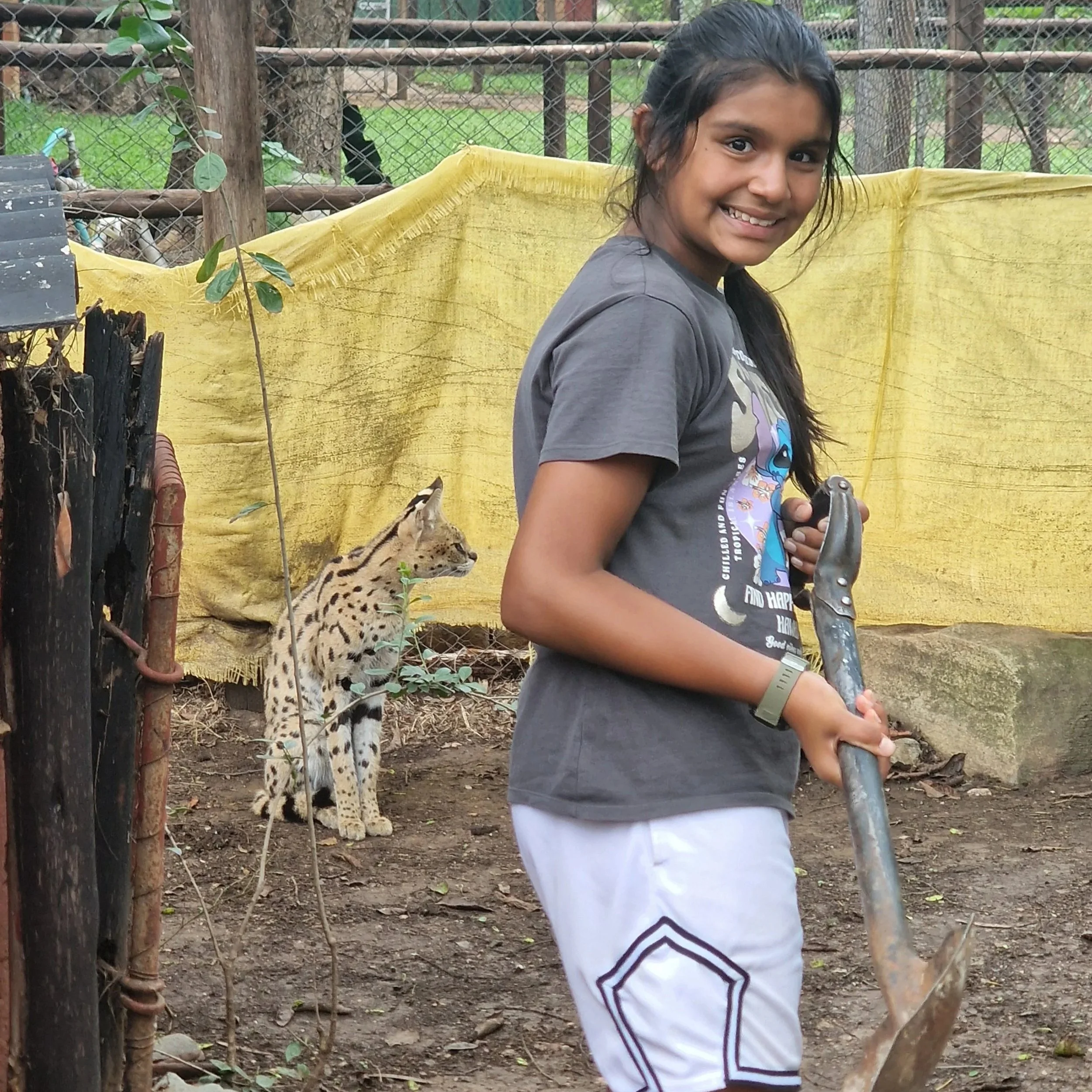
From 9-4pm we would be assigned in smaller volunteer teams (of 3-4 people). Each team would be in a different animal department, which were: Carnivores; Primates; Antelope; and the Lady Diana Centre (an education centre for domestic animals established by a grant from the Lady Diana Foundation). We would rotate through the week so that we got exposure to each department.
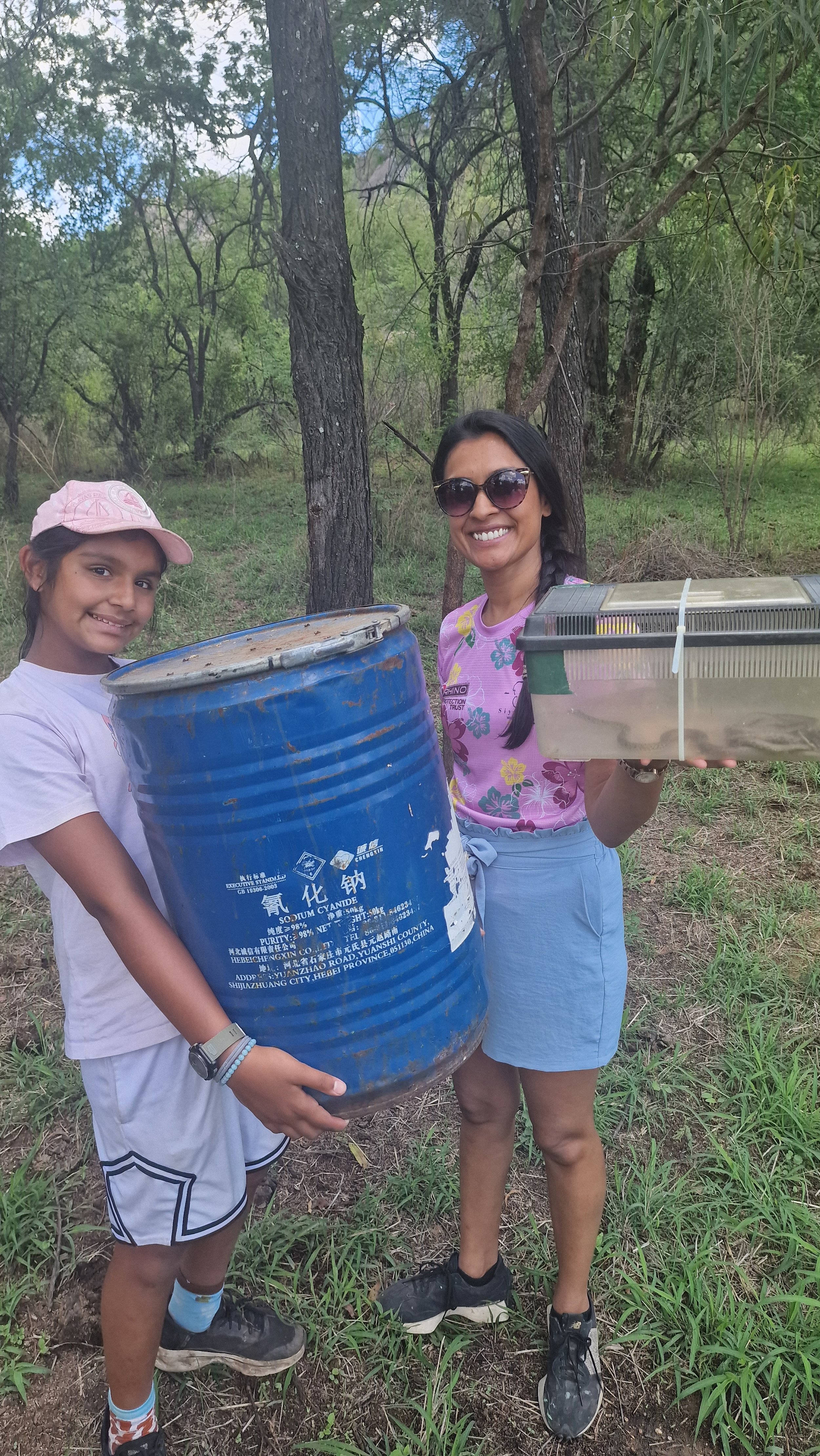
We had some incredible experiences with animals big and small here, made all the more meaningful for the fact that we got to care for them and know them individually. Some particular highlights included:
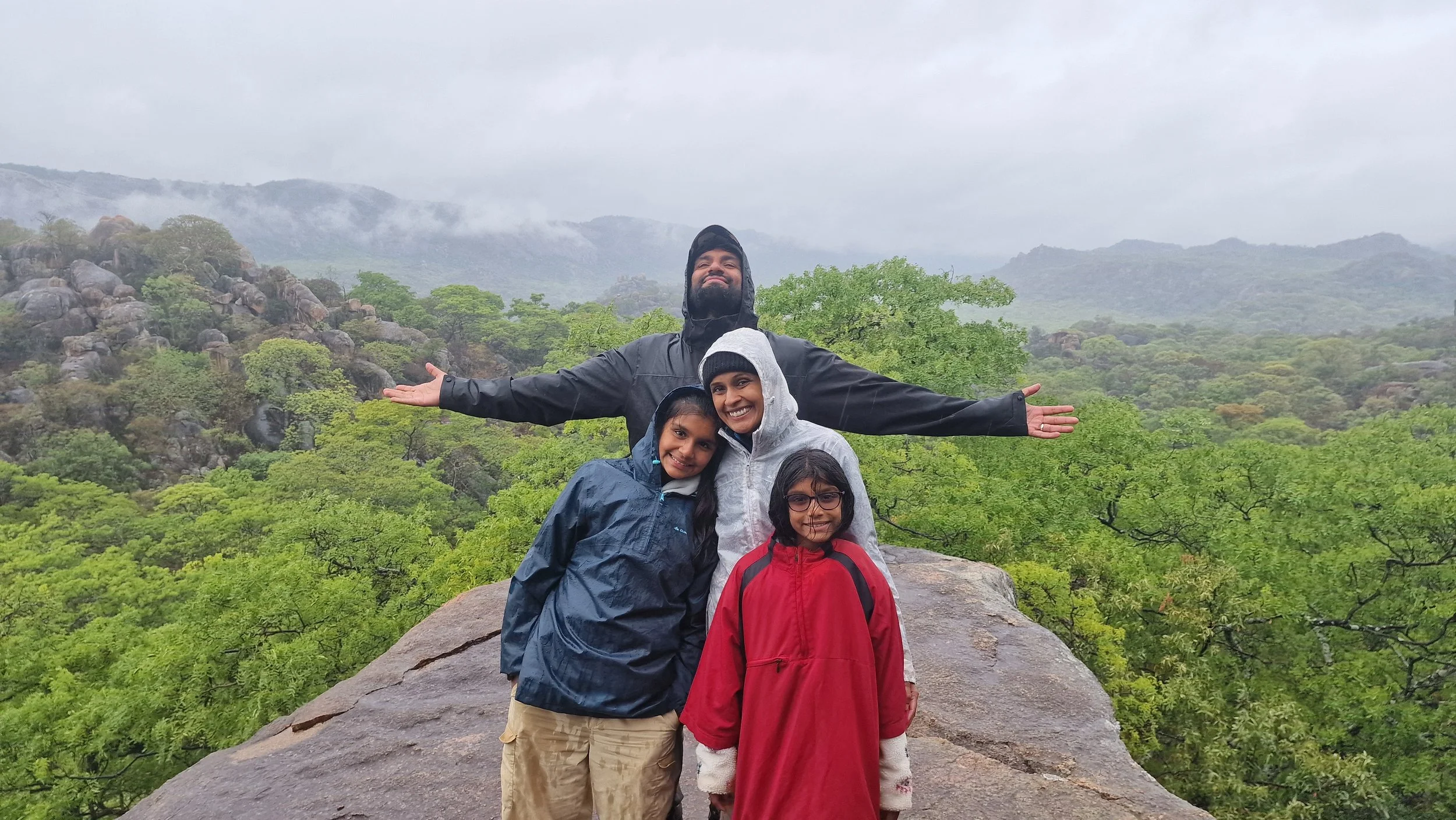
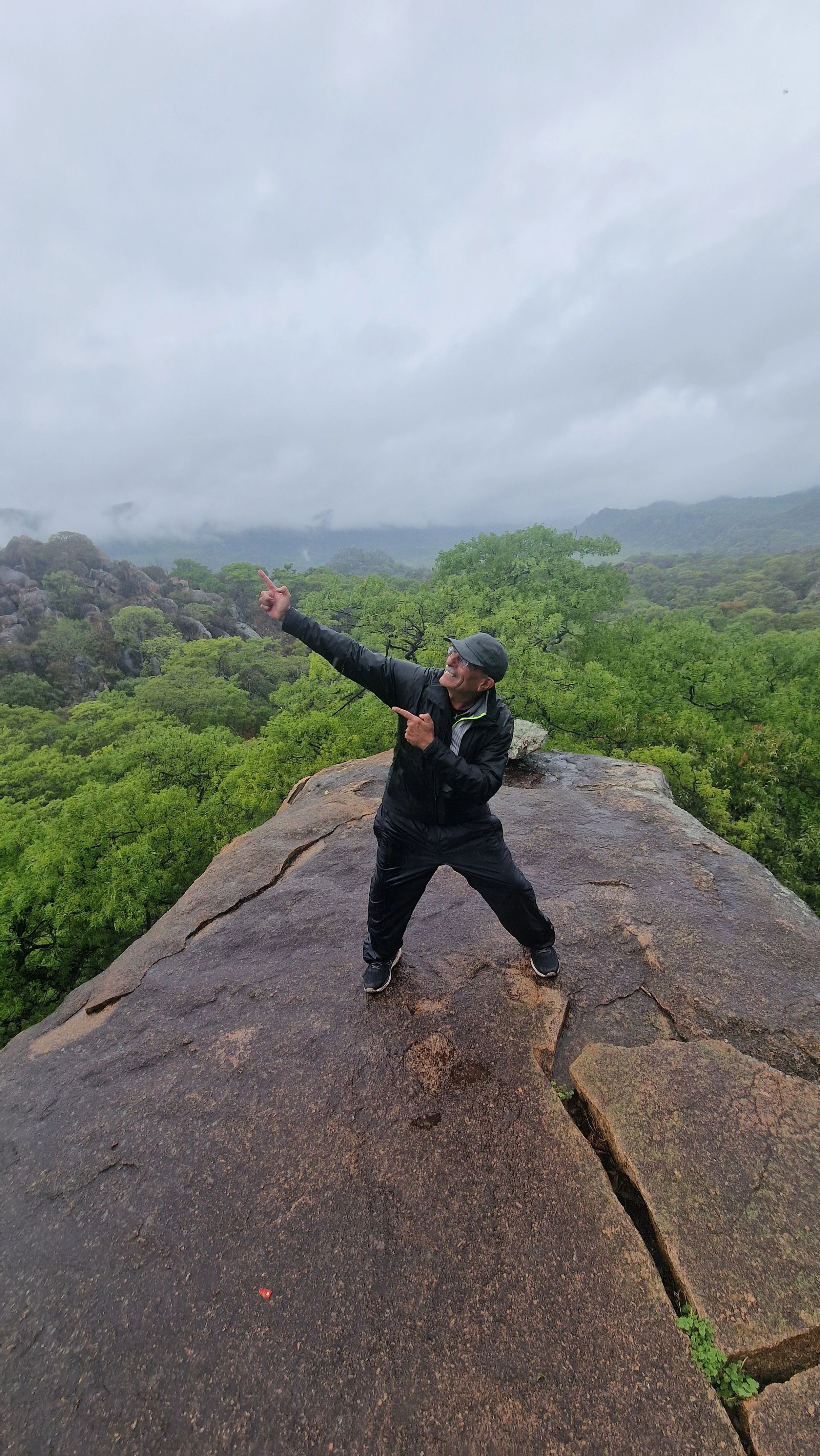
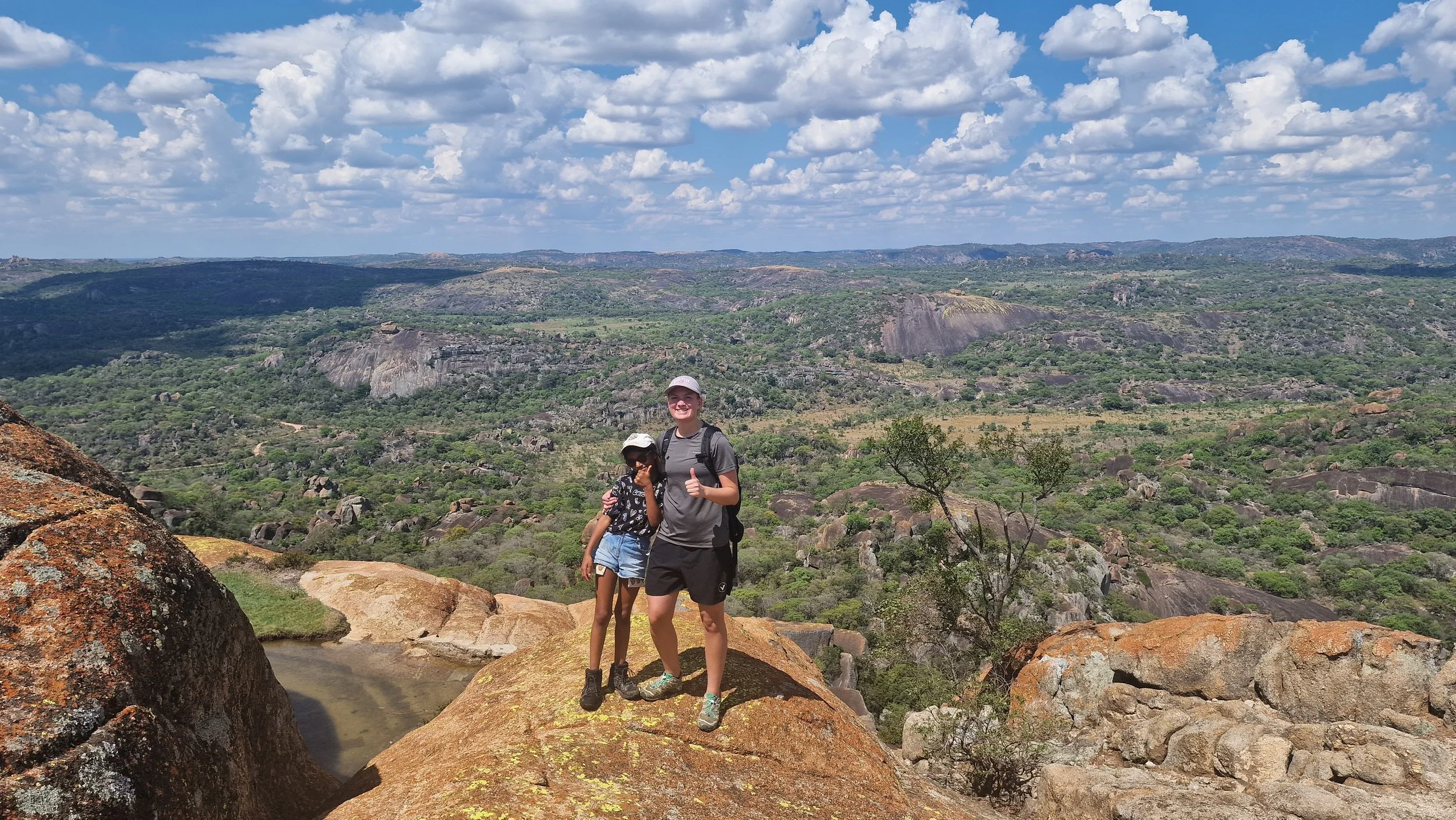
A Rhino walk in the Matopas National Park. The landscape was awe-inspiring – with intrusive igneous rocks that are dated to be 2.6-3 billion years old. We also saw cave paintings that are a staggering 10,000-100,000 years old.
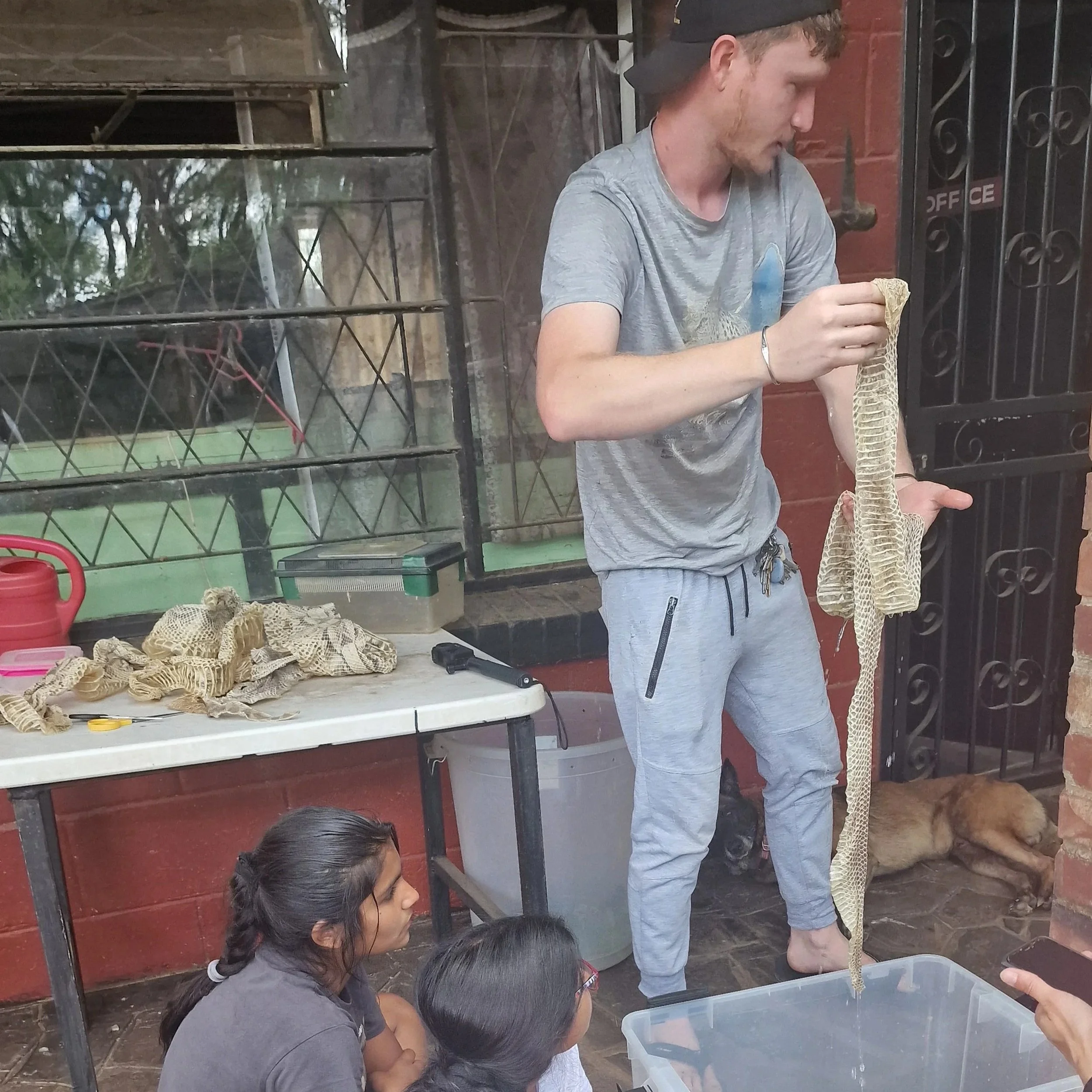
Watching Ryan whilst he removed tics from two puff adders, and helping him with educational displays of snakeskins.
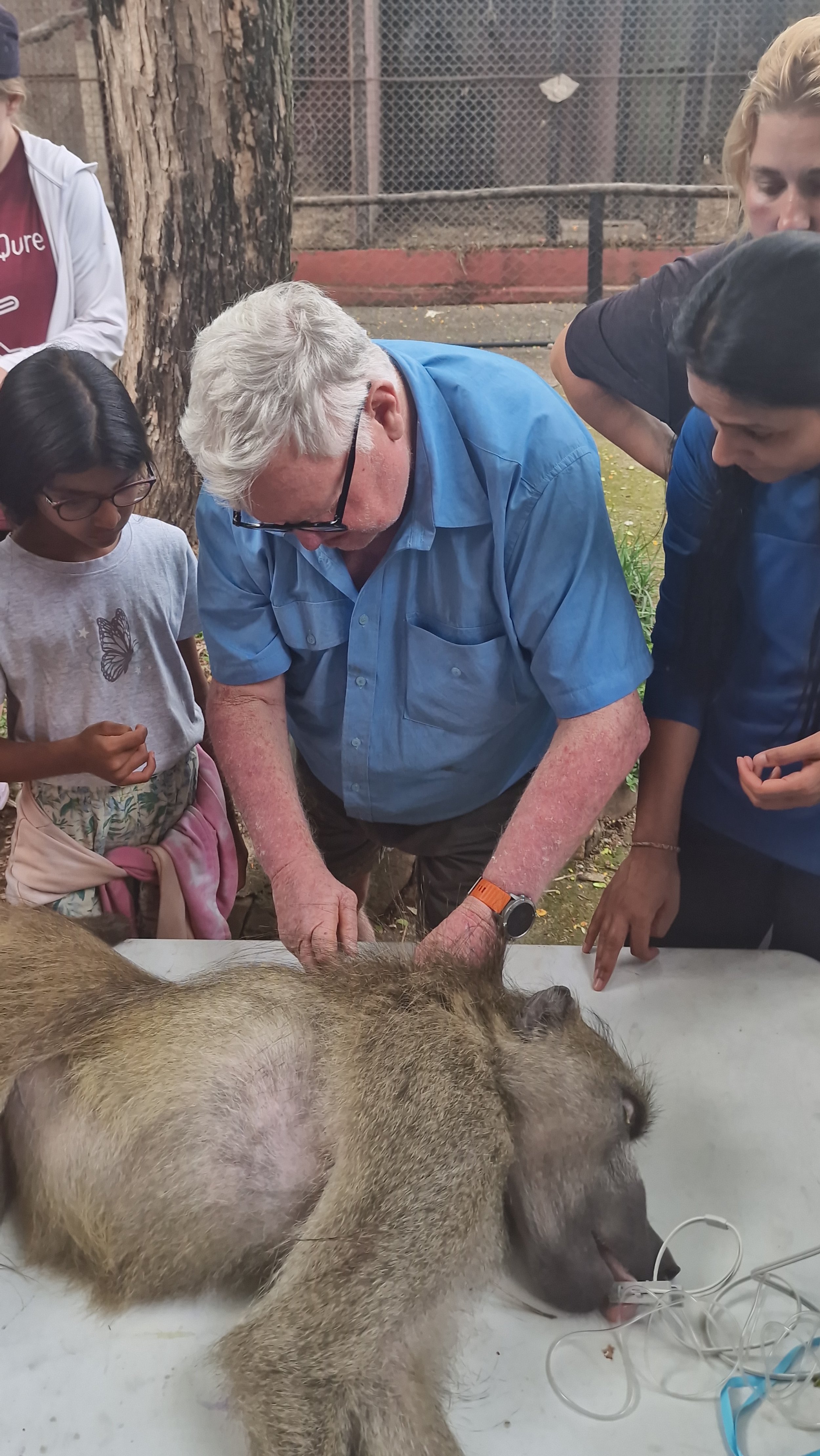
Assisting with the tranquilisation, medical checks and chipping of a baboon that was due for release back into the wild after 16 years
Going with the staff when they released animals back into the wild – including hedgehogs, four snakes and the baboon.
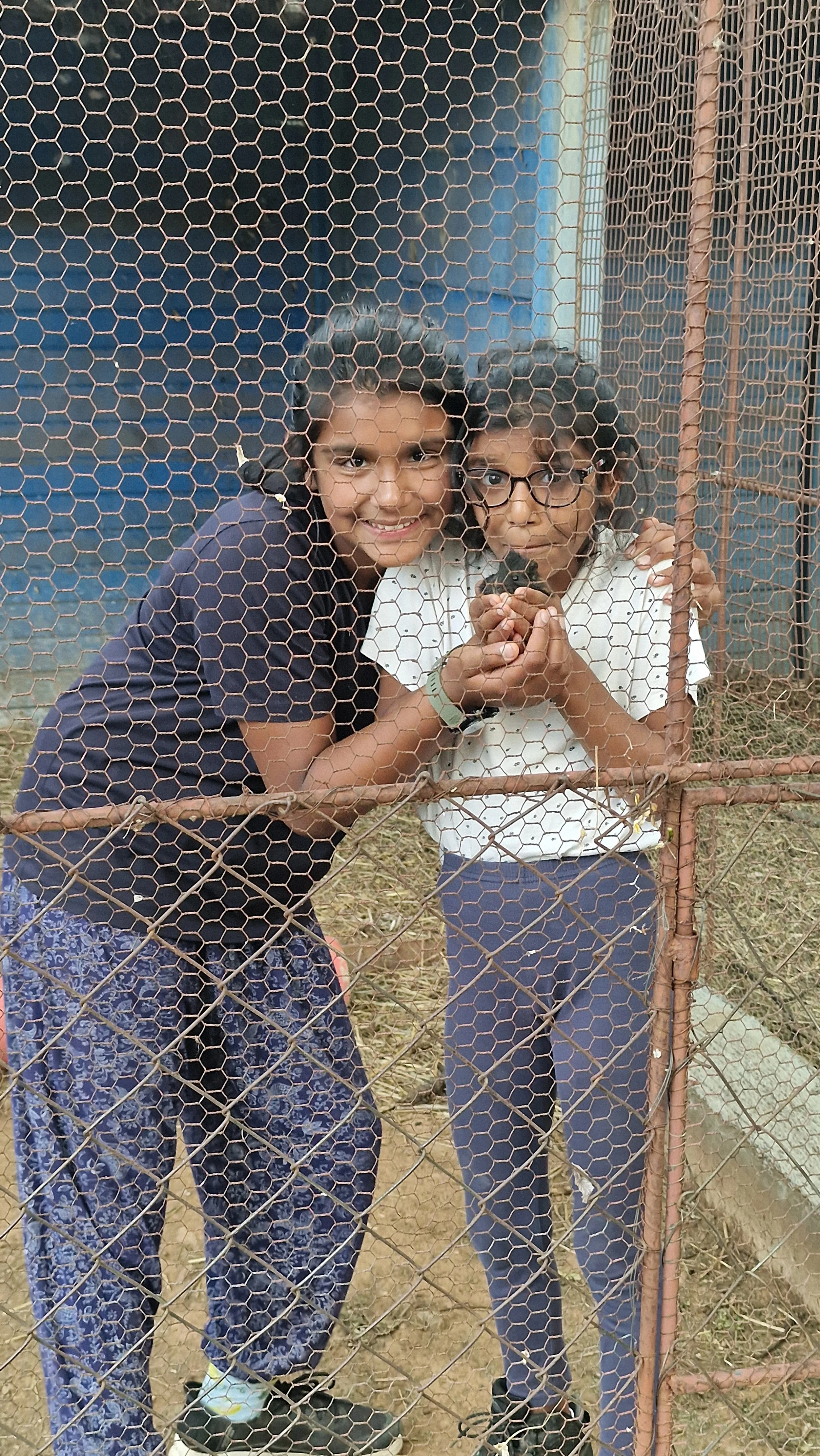
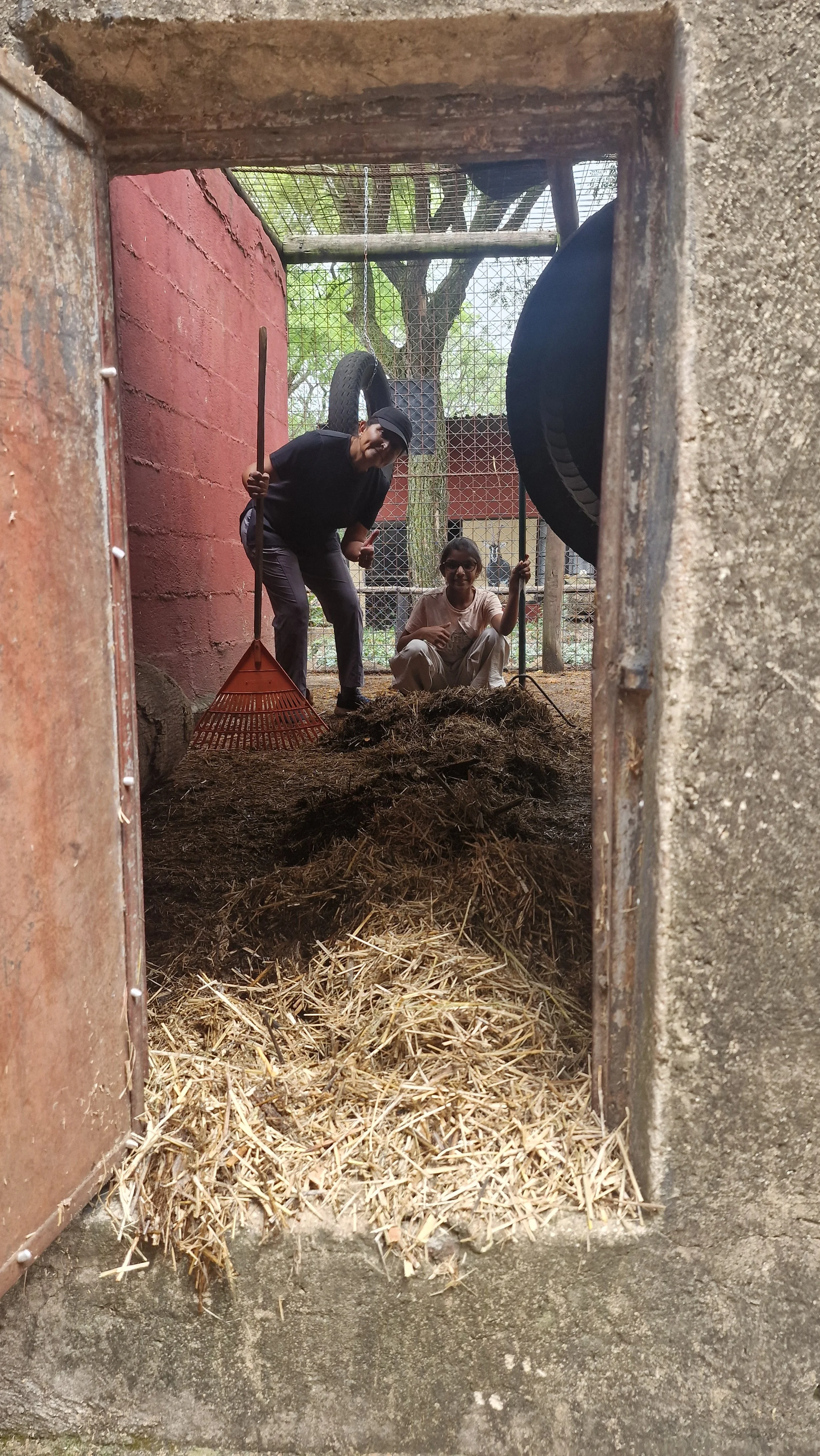
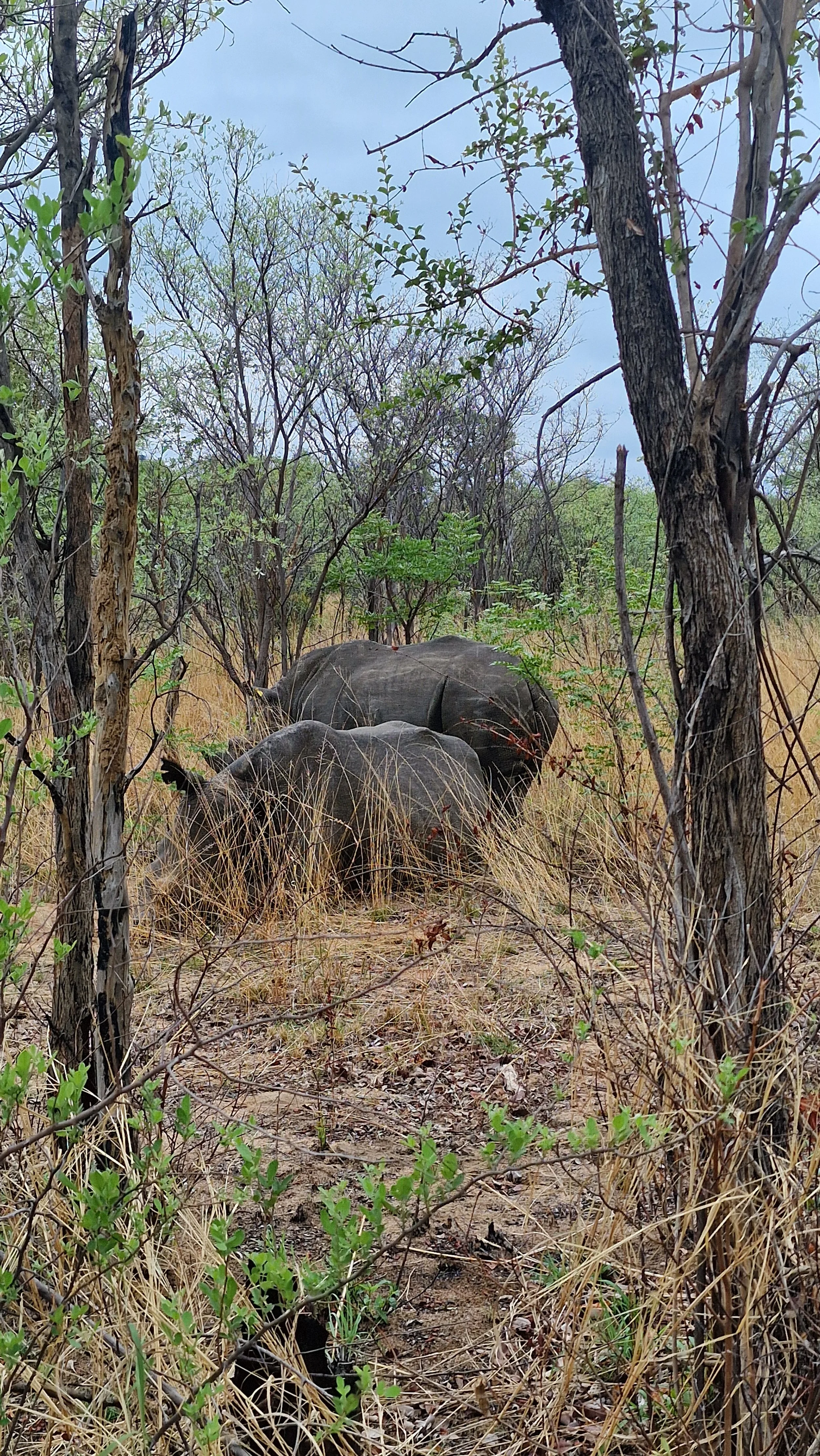
Who we met
Mickayla Wilson – Junior Director and our main day-to-day contact and runs the nursery. Like the whole Wilson family, she lives and breathes this work, and makes it fun, engaging and rewarding.
Ryan Wilson – Junior Director and more involved with the rescue and release of the animals. Great at sharing his deep knowledge of the animals in the sanctuary – we learned so much from him.
Nicky & Kevin Wilson – Directors of Chipangali, Kevin’s father founded it over 50 years ago. Both such warm and wonderful people, who have dedicated their lives to their mission. Nicky is also very involved in supporting local schools, as well as the local horticulture society (and I’m sure responsible for the incredible trees and plants that are abundant thought the grounds).
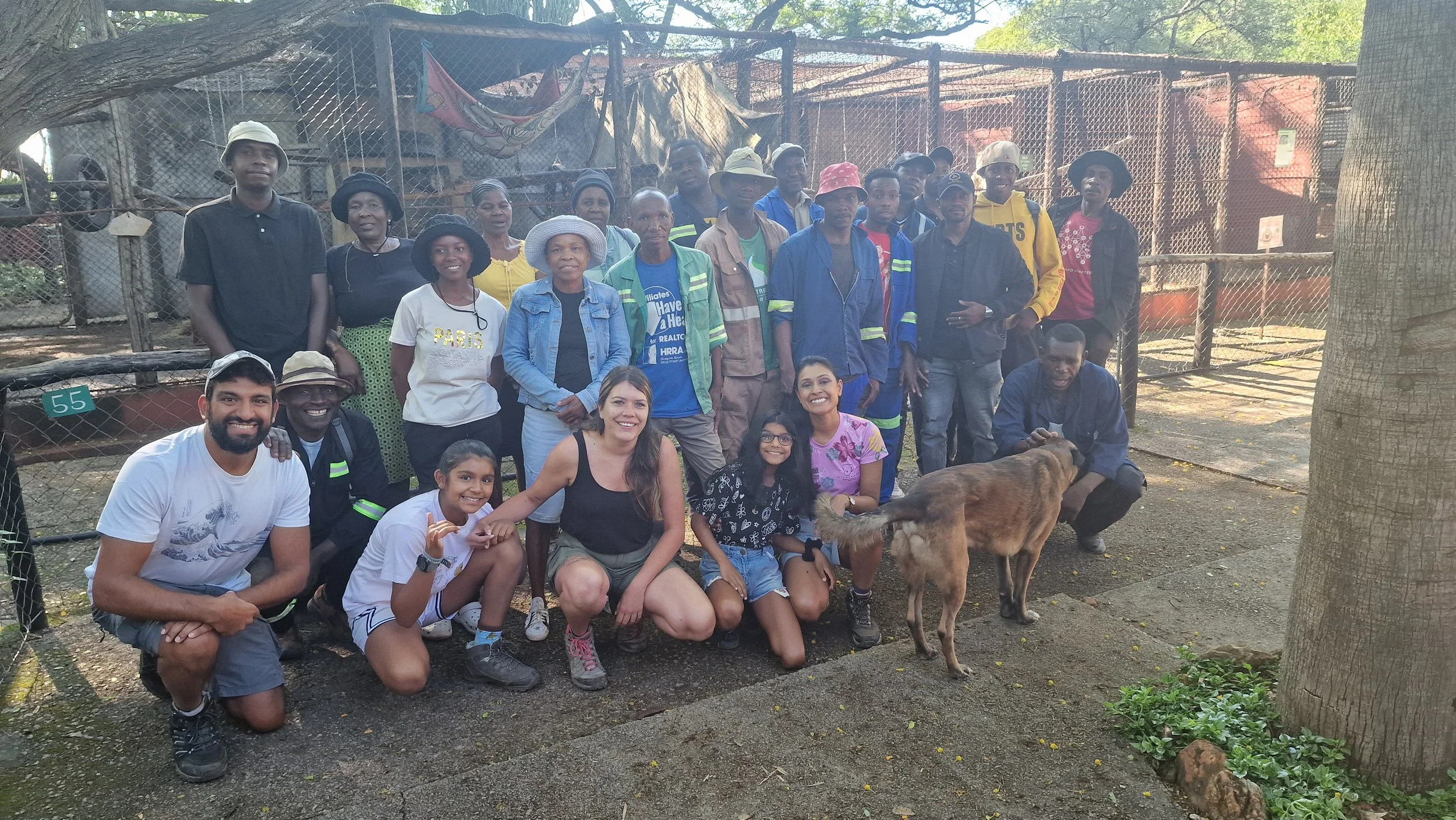
The lead handlers where fantastic – so committed to animal welfare as their priority. In particular, we connected the most with Alex (Primates) and Xavier (Carnivores). Xavier has such a positive energy and a strong connection with the animals, and made even cage cleaning fun!
Carlijn – a volunteer who was there before us and stayed for the two weeks we were there. She was invaluable at showing us the ropes and guiding us in the first few days, and is a total natural with the animals. We had a great time playing games, laughing a lot and working together (and eating too much Coco Pops!). Somewhere along the way we adopted her into our family, so the girls think of her as a big sister.
In our last week a new group of amazing volunteers arrived and we got to know them too – Danielle, Kate, Mathilde, Jasmin, Liv and Amalie. All on incredible journeys, I am so glad our paths crossed here.