Galapagos - Giant Tortoise and Sealion conservation (2-22 Feb 2026)
Project Overview:
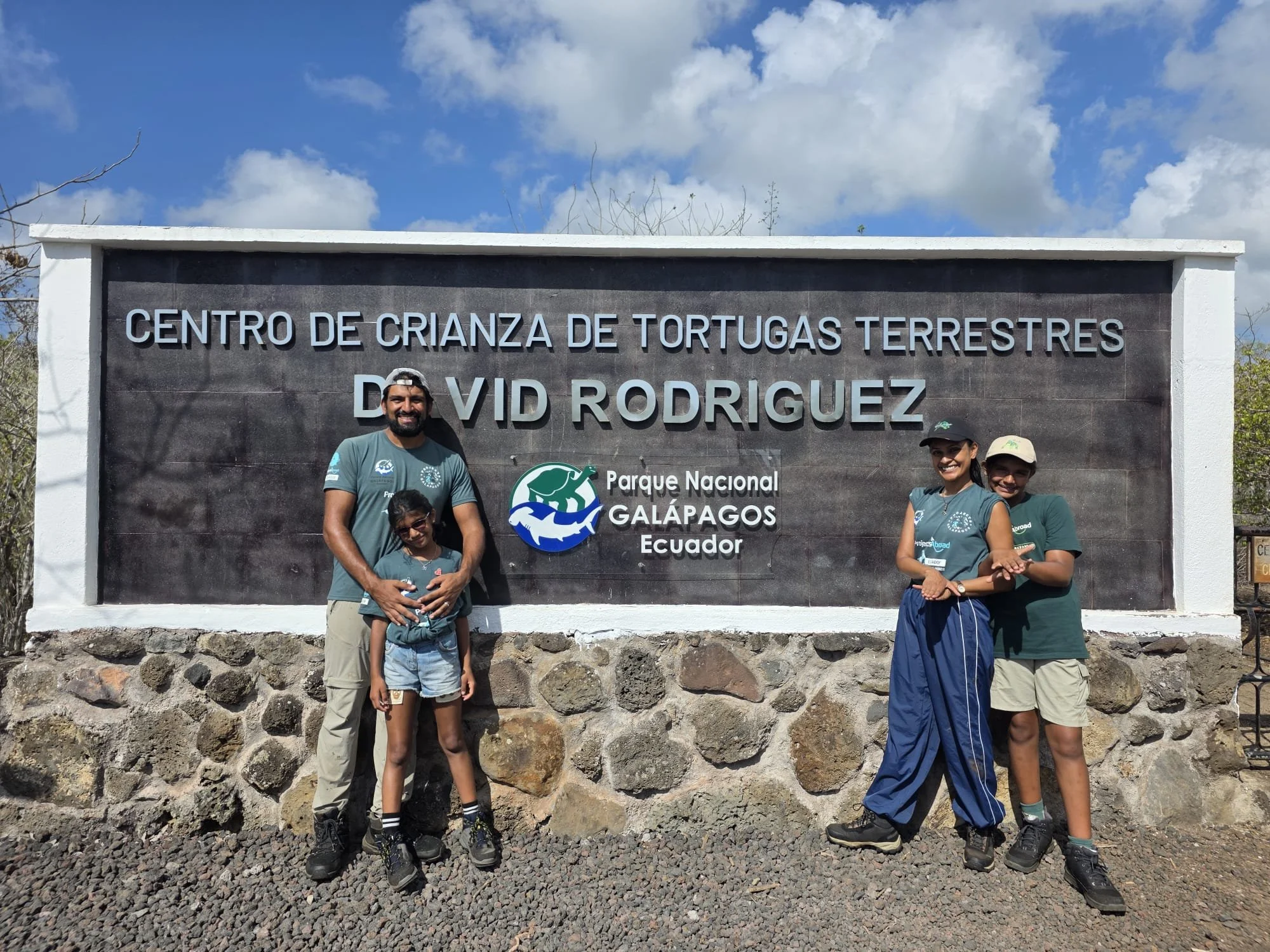
We were volunteering for three weeks on San Cristobal (one of the islands in the Galapagos) through an agency called Projects Abroad (which also set us up with Where Rainbows Meet in South Africa and the Maasai School in Tanzania). Projects Abroad have been working in close partnership with the Galapagos conservation authorities here for many years, and on reflection it is a real honour to be a small part of something that has made such a big difference over a long period of time.
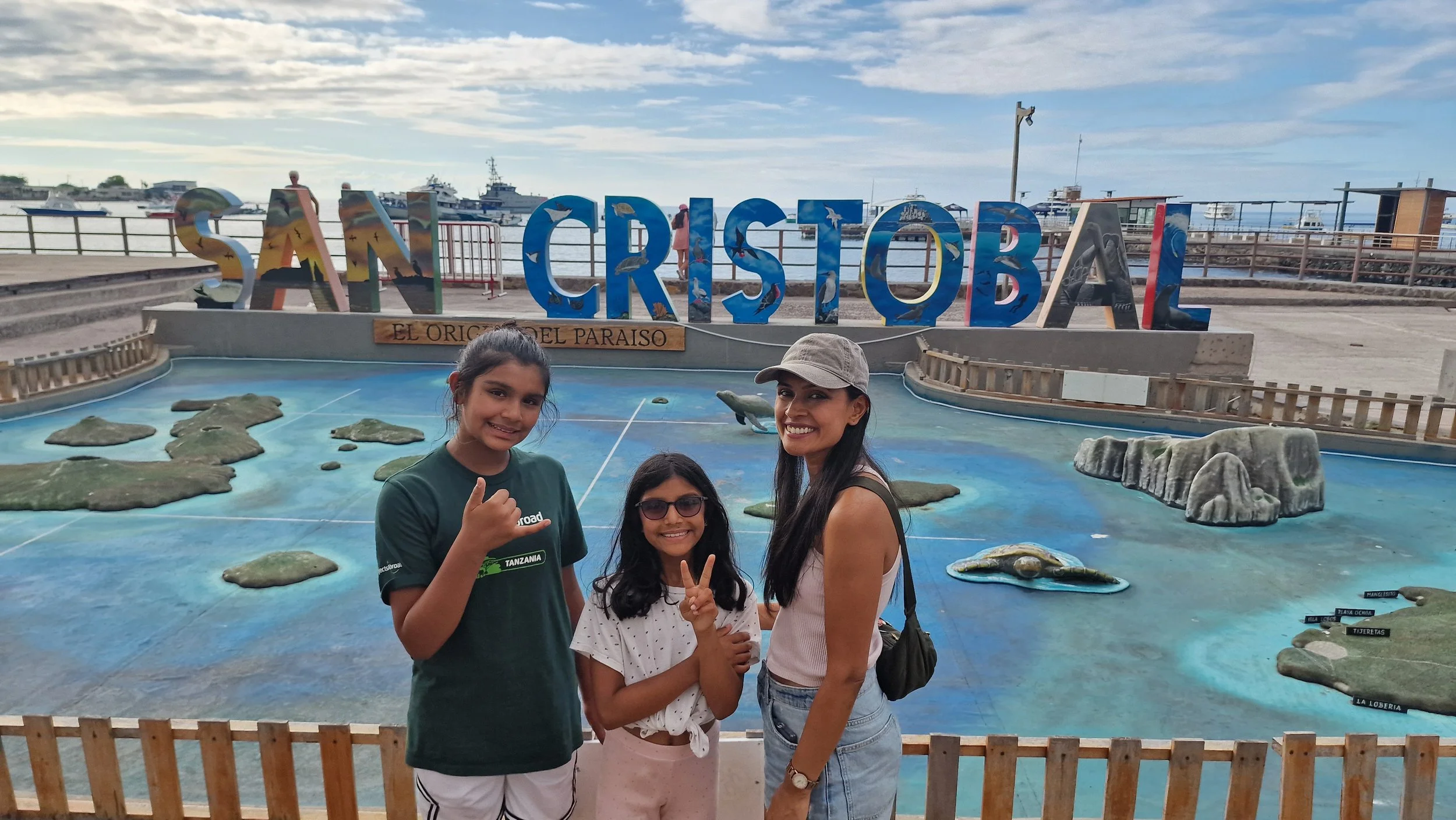
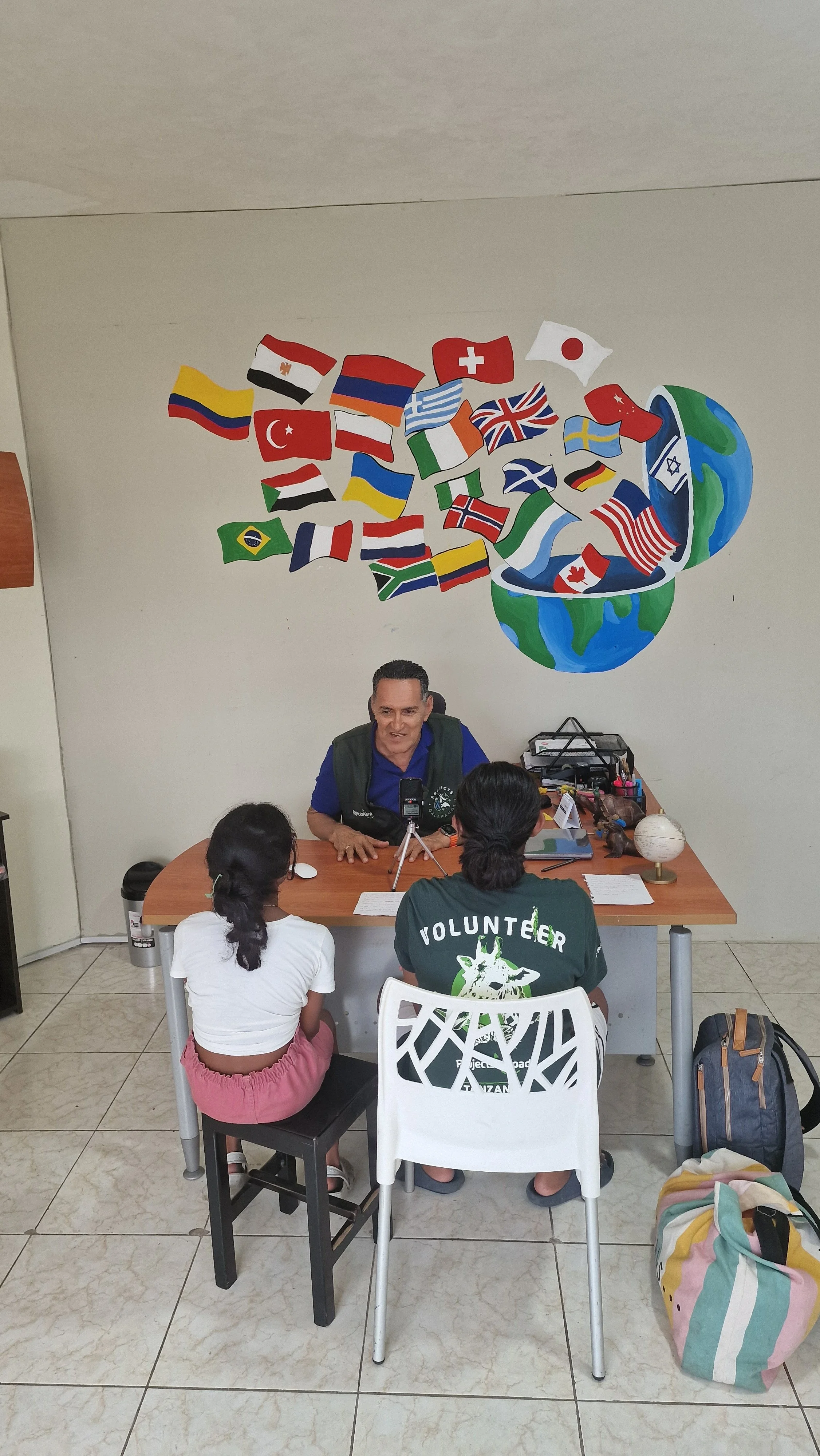
The Galapagos volunteering project on San Cristobal island has been running since the early 1990s (so over 30 years and counting) and was established by William Puga – who is still the main co-ordinator and met us on the first day for our induction. William is a remarkable person – I believe he has influenced and helped shape how the world experiences the Galapagos today. He began hosting volunteers in his house in the early days, gradually building an international network of volunteers through word of mouth. He used that to start education programs, brought attention to ecological issues, helped to establish laws and regulations that permitted volunteer traveller visas and then created a partnership with the Galapagos National Park authorities, the government and Projects Abroad. (Sia and Anaya have interviewed William for their podcast).
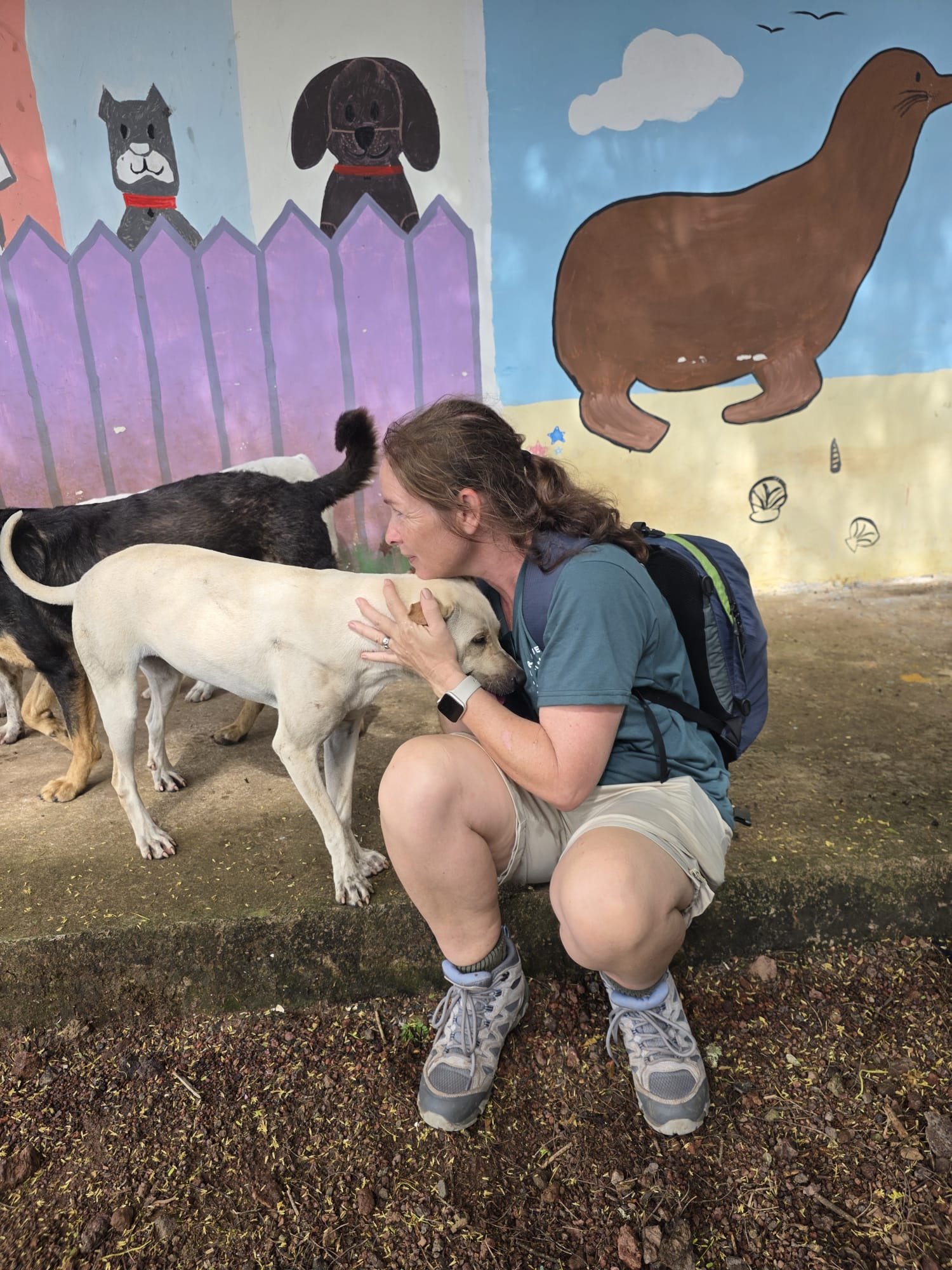
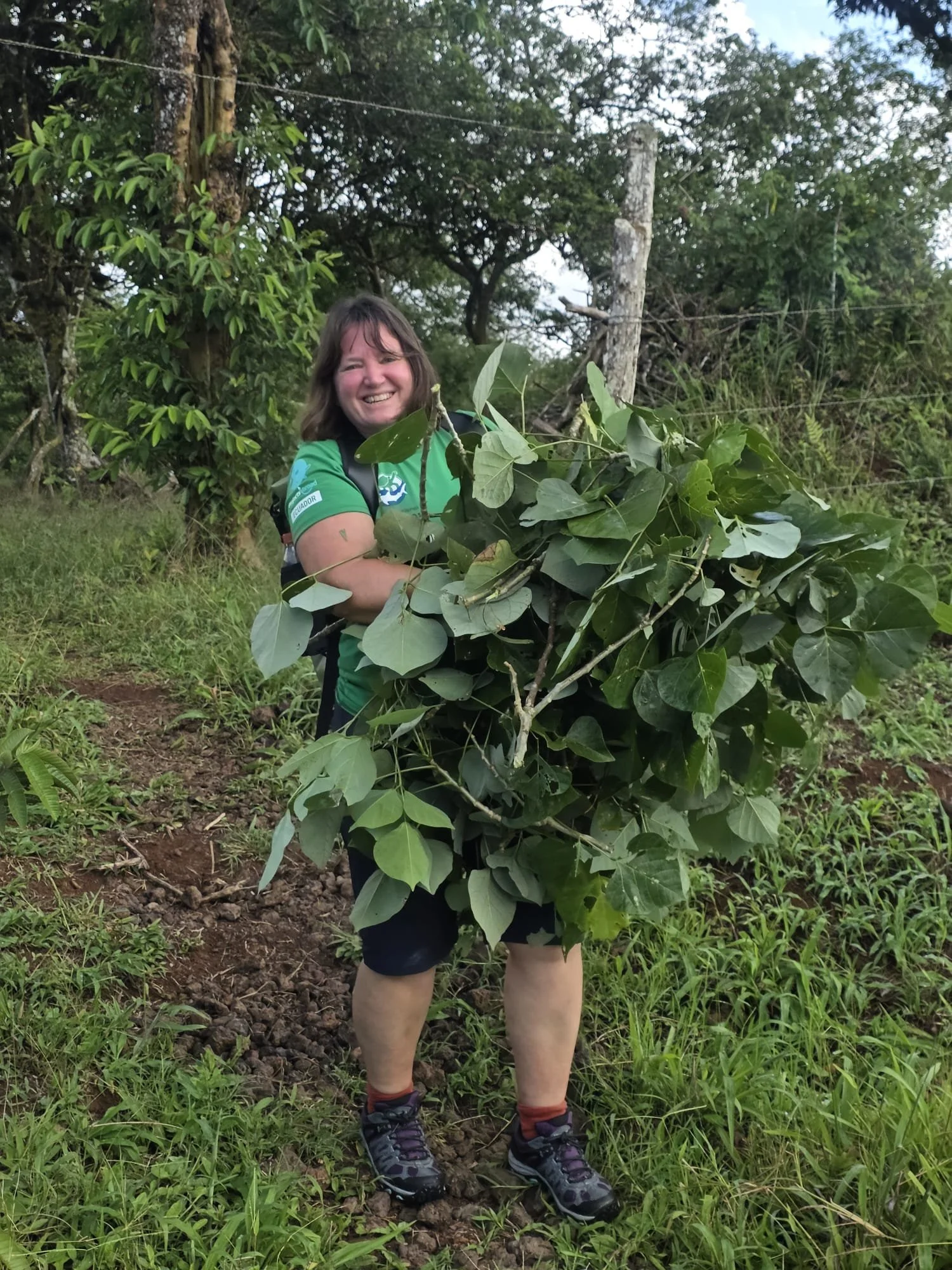
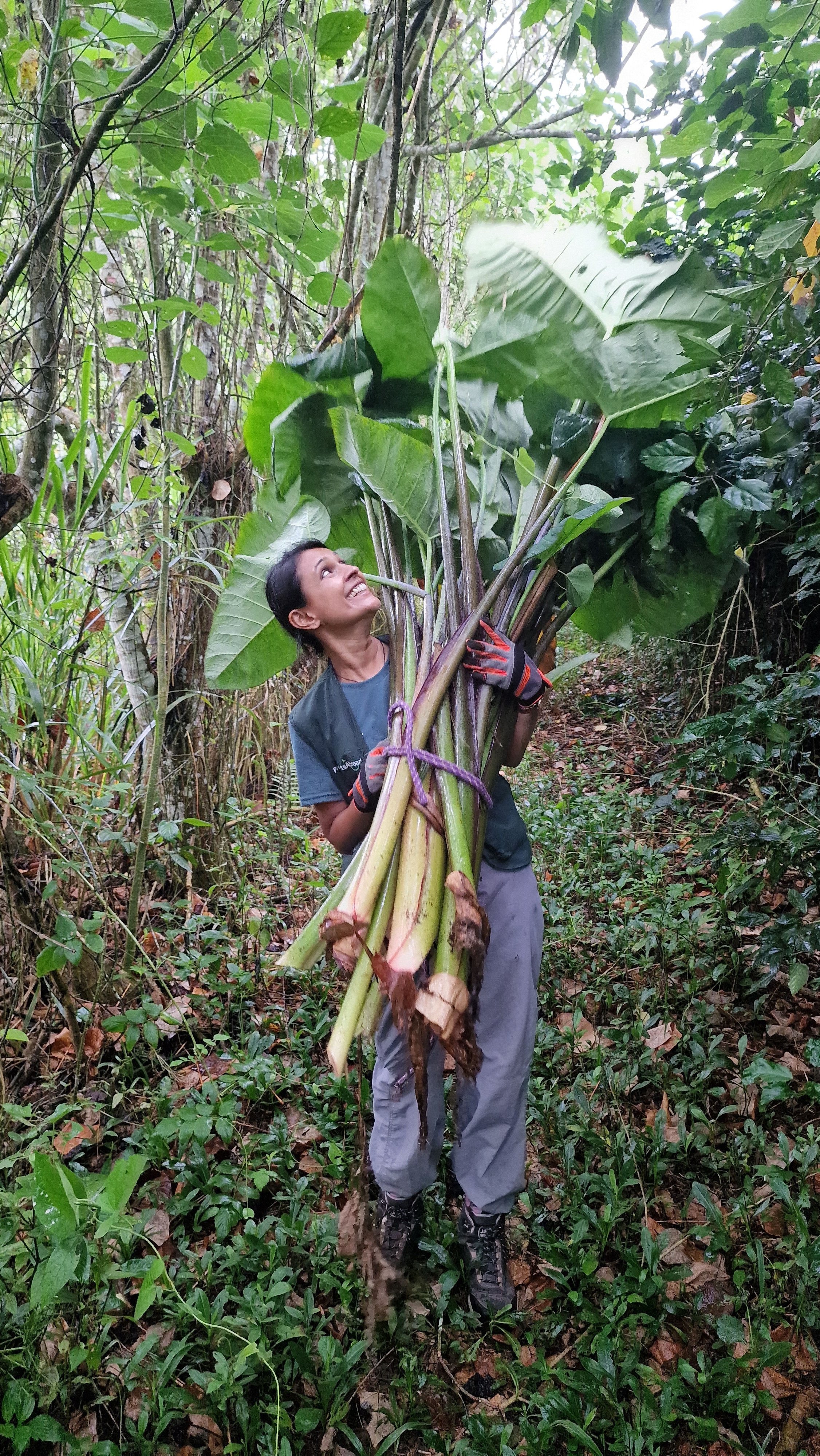
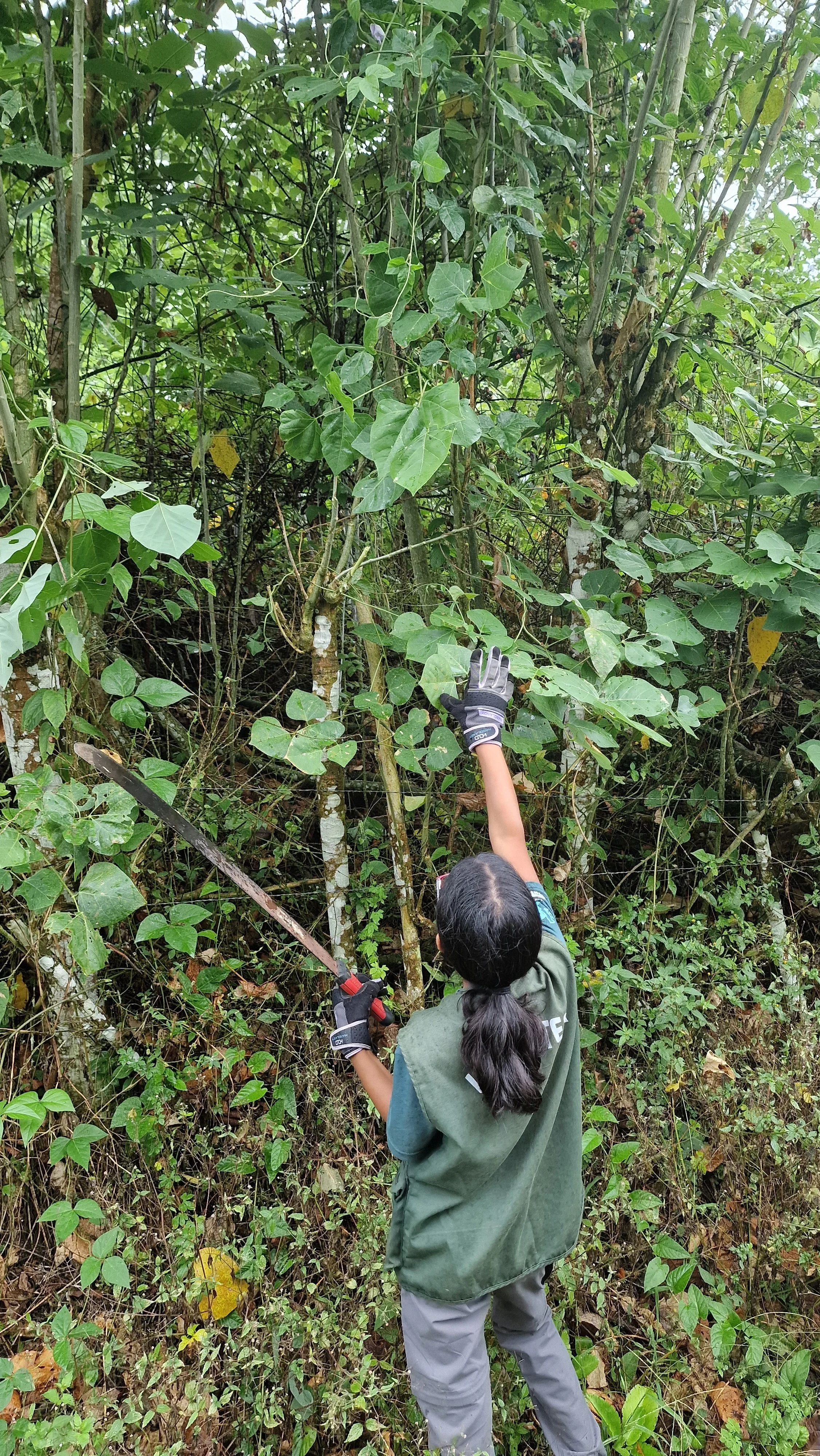
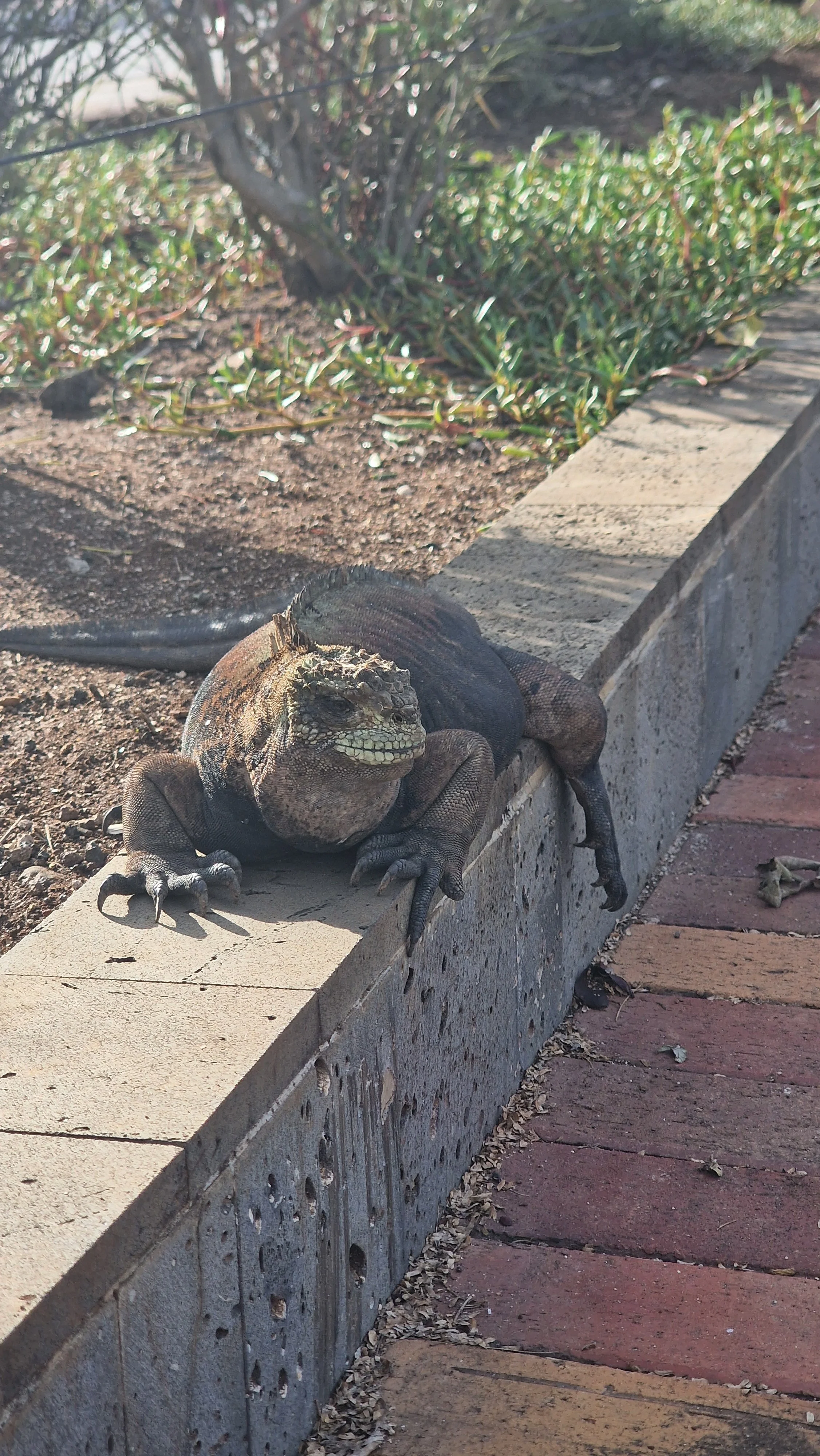
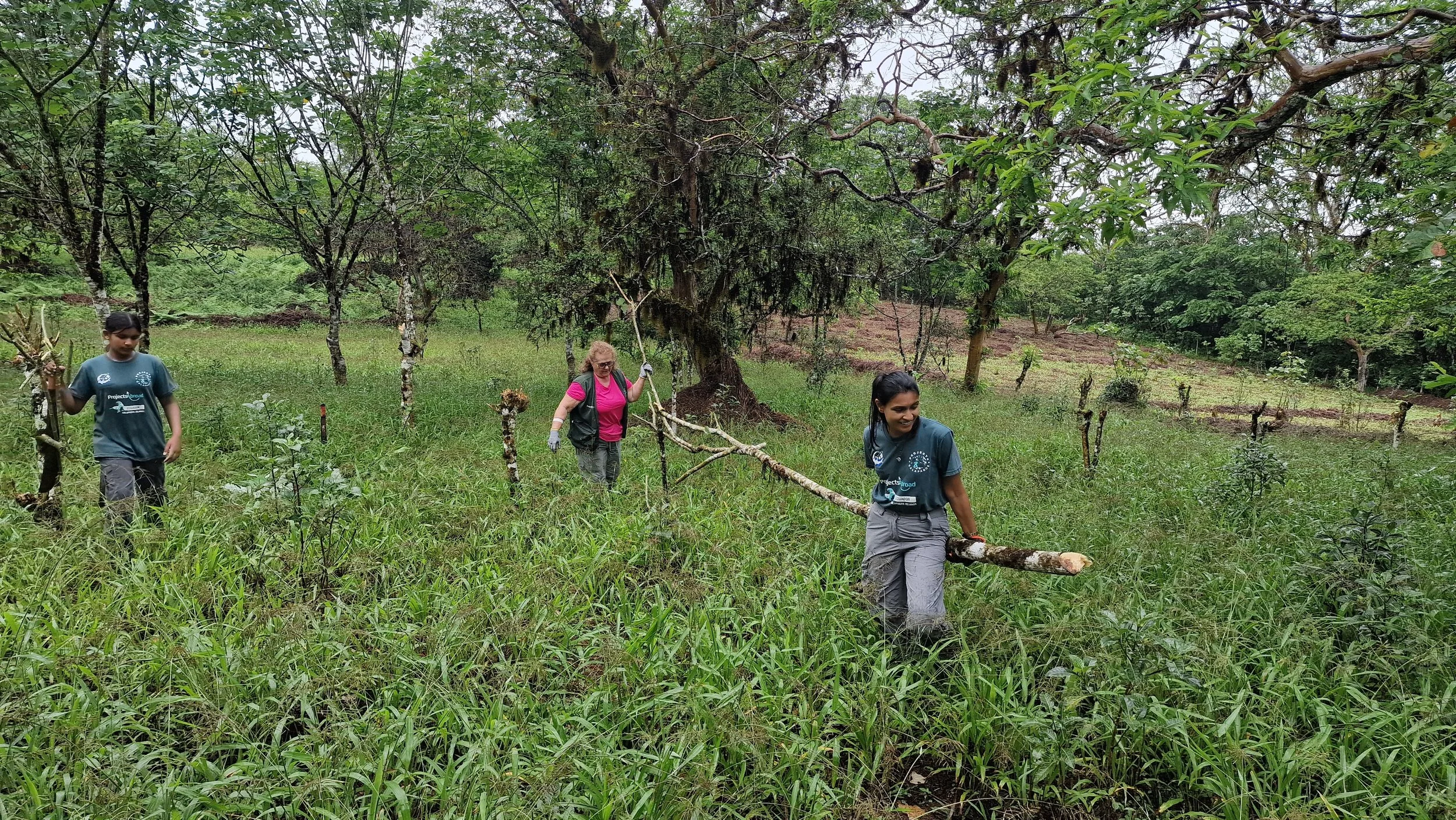
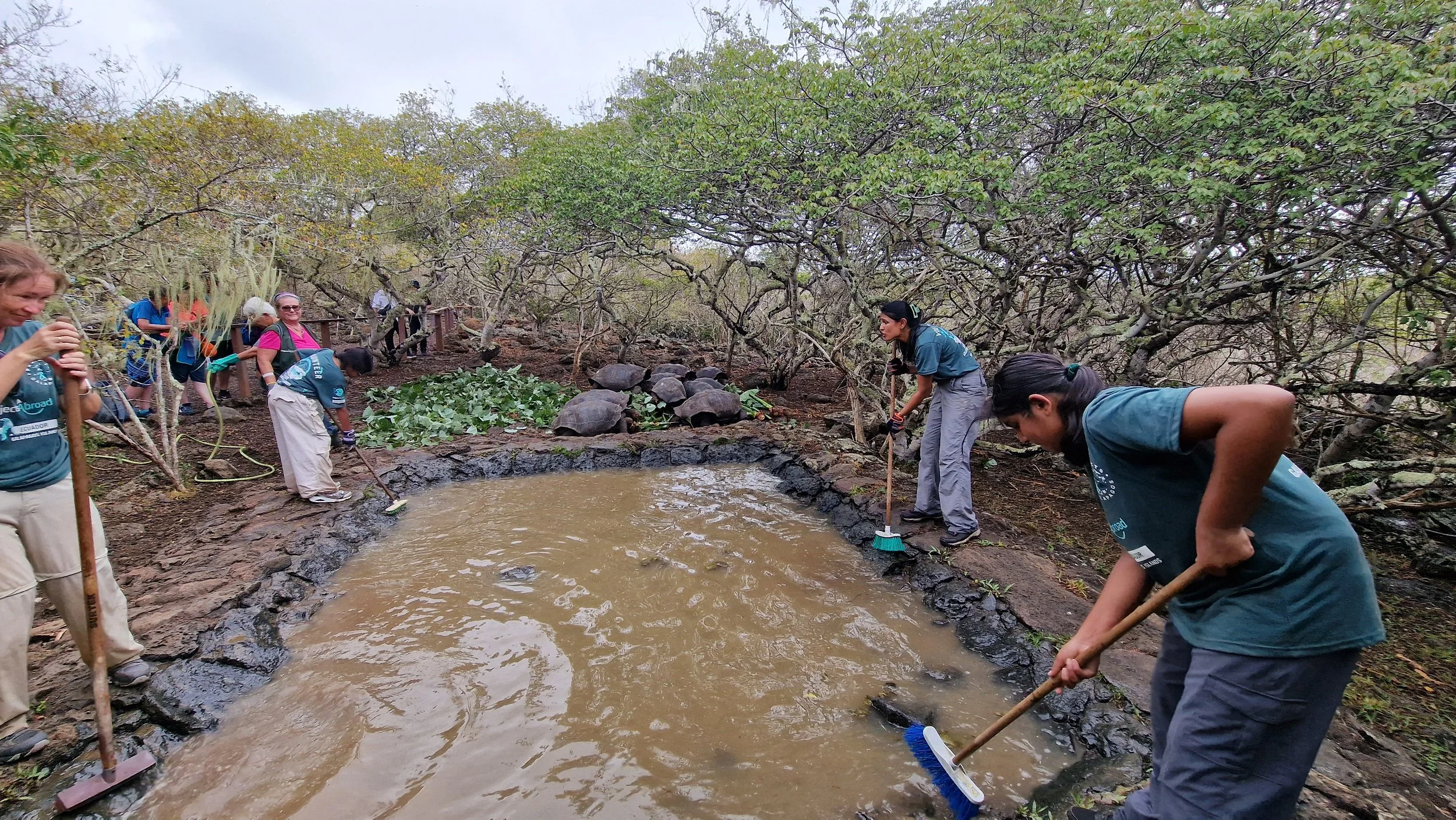
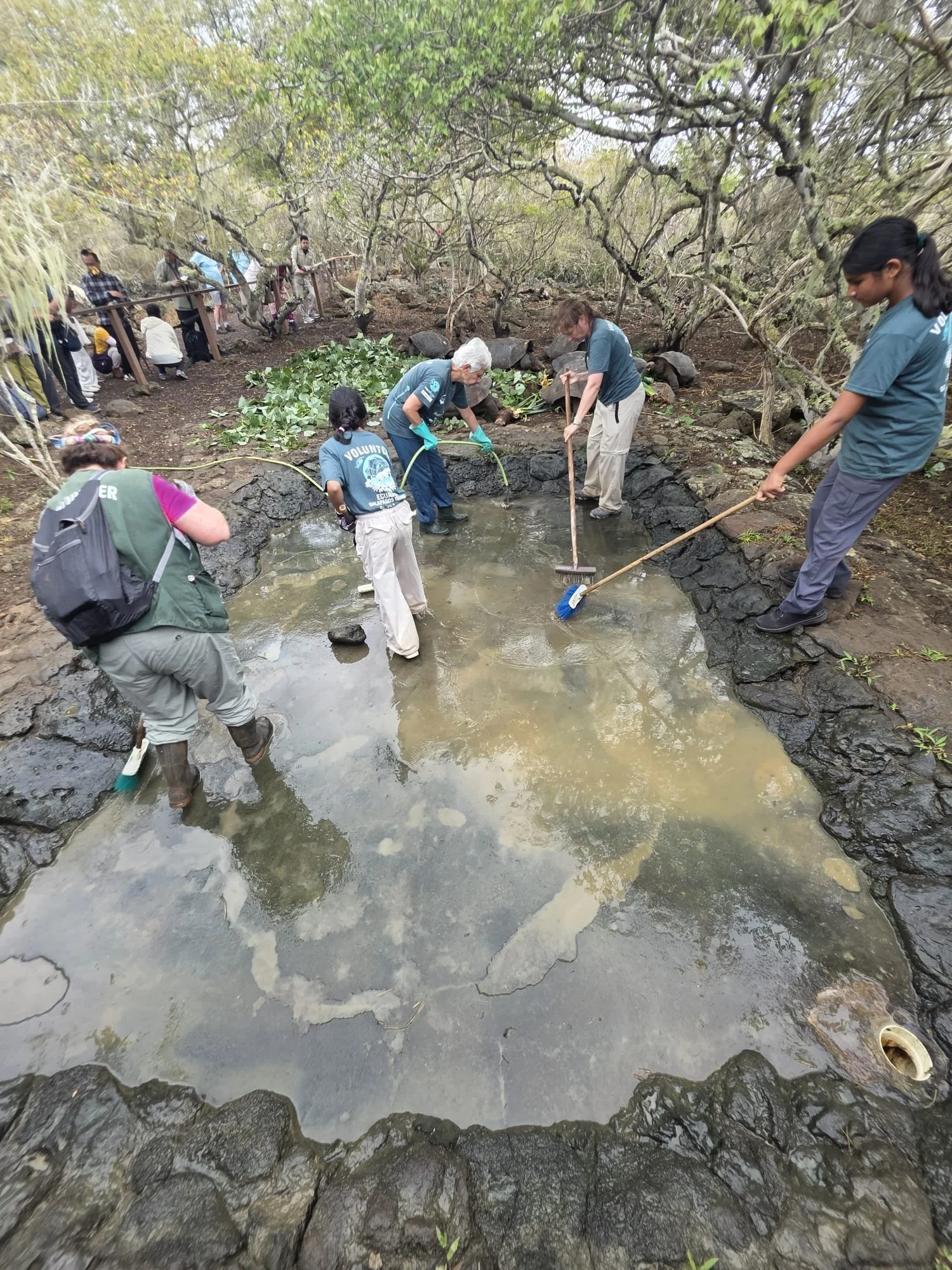
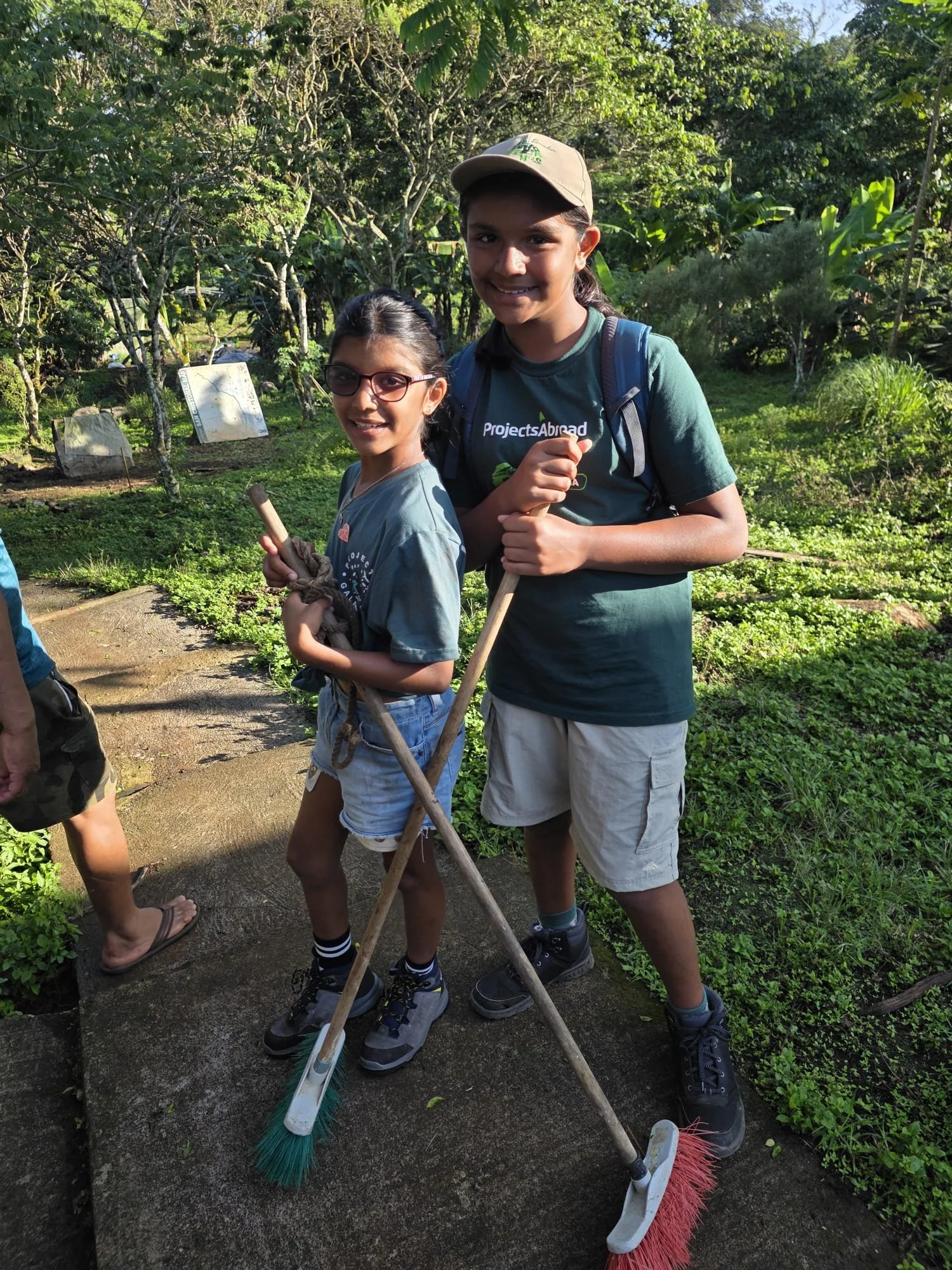
The main focus of our volunteer work was to assist the Galapagos National Park Rangers with the care of the Giant Tortoises and Sealions. Our work also involved removing invasive plant species and planting endemic species; beach clean-ups; data collection; monitoring of other native species such as marine iguanas and different bird species; and helping at the breeding centre with cleaning and feeding. I felt that this was one of the projects where we really felt the difference we were making first hand, because the volunteer program provides crucial resources and maintenance support to allow the park rangers to focus on their priorities.
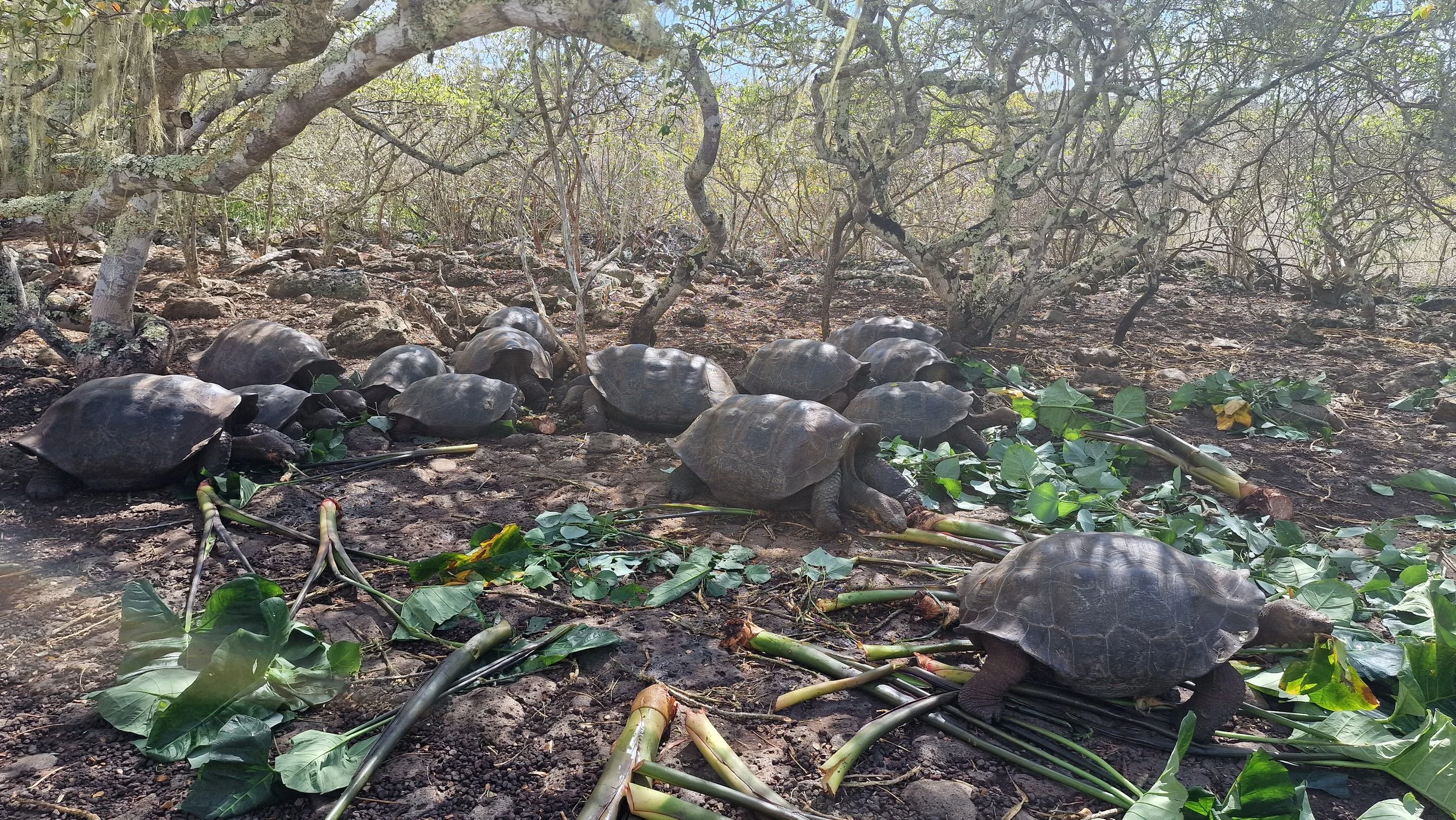
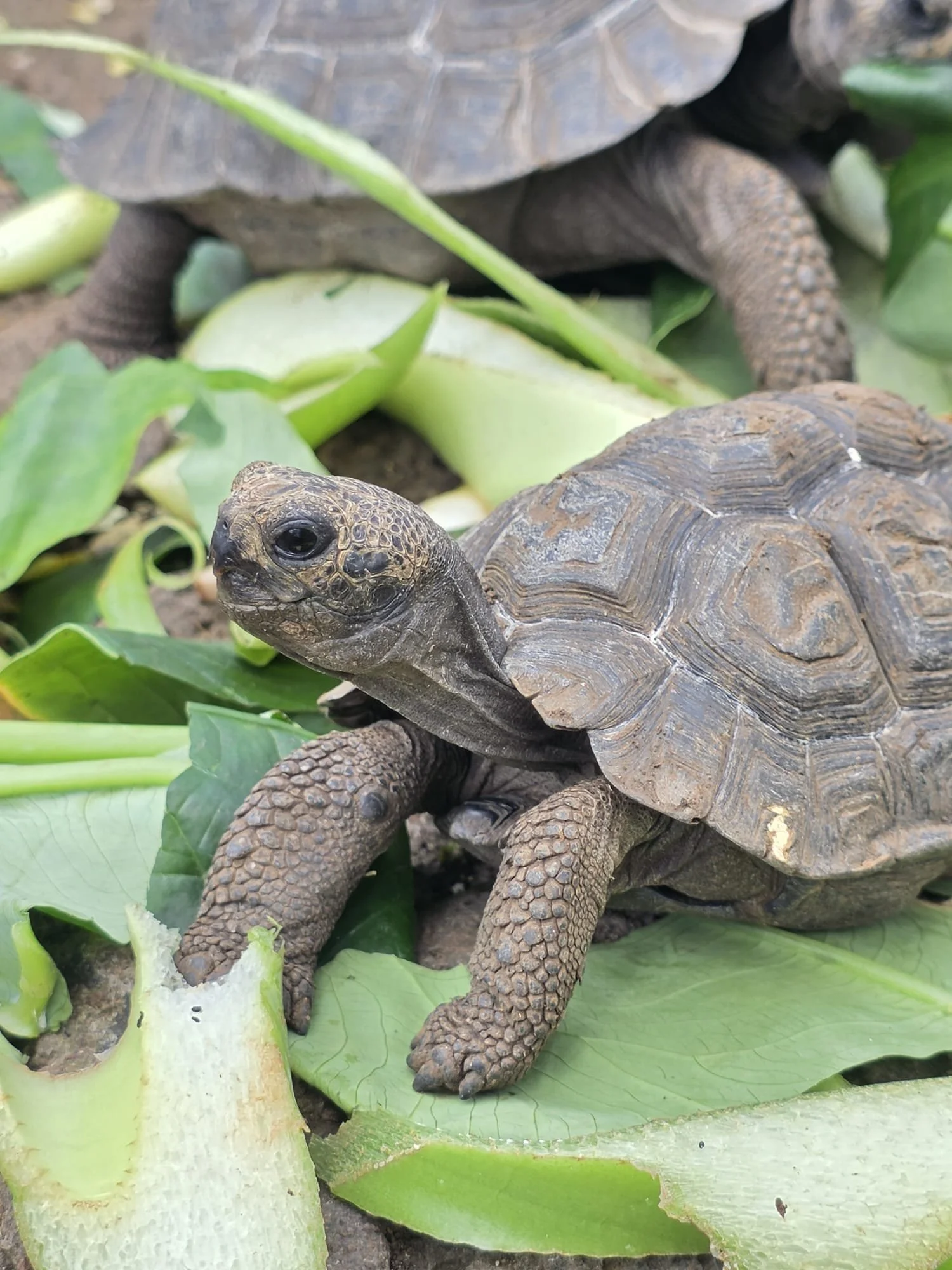
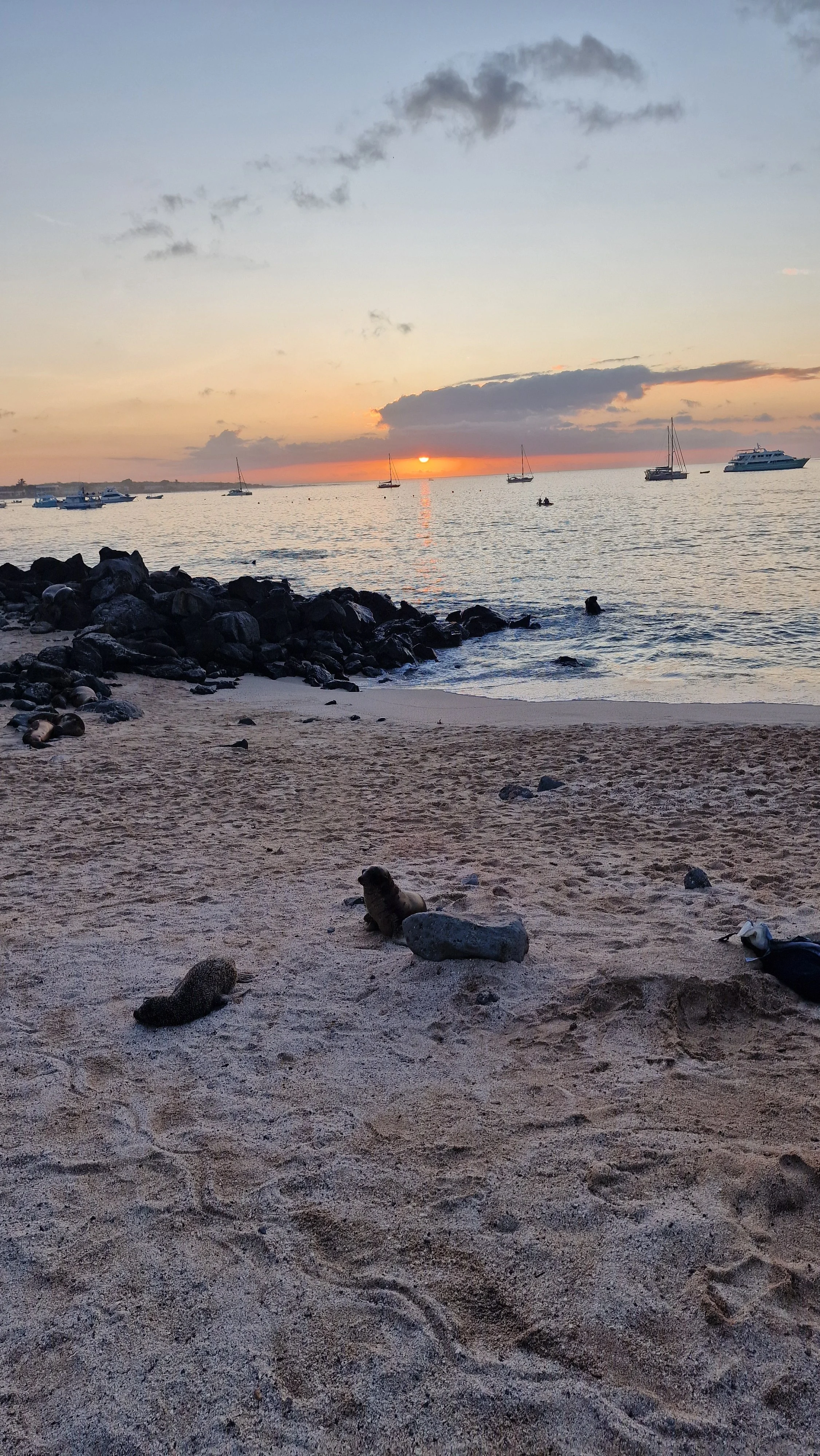
The weather conditions were hot, often rainy and consistently very humid. When combined with hard manual labour on most days – and the reality of living on a reserve on a remote island - this project felt intense and tough. That said (or perhaps, partly for that very reason), it was one of the most transformative experiences we have had.
Key Insights:
We’ve been blessed with some of the incredible leaders we have met on our journey so far – and William Puga is definitely one of them. His grounded nature and friendly style makes me wonder if many people miss the significance of his impact on the Galapagos. He also operates with high integrity (he hosts a radio show that gives voice to the people and influences local politics towards anti-corruption and improvement). In addition to his humility, integrity and community-centric approach - what also really impressed me about William is his open-mindedness and enthusiasm to pursue different ideas, after three decades of overseeing this project. He was very receptive to ideas or suggestions that people had, and would actively help to facilitate them – which had the effect of giving us more agency and ownership of what we were doing, and allowed volunteers to more proactively bring forward their skills or areas of expertise that could contribute further to the mission. For me it reinforced the idea that I first encountered in Dan Pink’s book Drive where he suggests that the key to motivate people is to ensure they have “Autonomy, Mastery and Purpose”.
It is sometimes easy to be sceptical over how much impact voluntourism is actually having. And often for good reason – as we have experienced before, some programs are far more interested in the tourism income than the impact on local communities. I think that (over the 30+ years), the volunteer program established here has made a genuine contribution towards the transformation in how the residents and tourists experience the island. In the mid 1990s, many of the iconic animals we think of today when we think about the Galapagos (giant tortoises, sealions, blue-footed boobies, marine iguanas, sea horses, etc. ) were being driven away or on the brink of extinction. Today, we are able to be immersed in the raw abundance of that wildlife – and witness the peaceful coexistence between the community and the animals. Part of that is the consistency, determination and the miracle of compounding taking effect. But I also think that there is something else that has been the cornerstone of the efficacy of this work – in his interview with Sia and Anaya, William talked about how local community engagement was so vital to the longevity of their work, and said “without education there is no conservation”. We have definitely encountered this principle before in Africa, but it was not as succinctly phrased or - more importantly - put into action. Everywhere we went on San Cristobal, when the local people saw us they knew we were with “Teacher William”, and would go out of their way to be helpful to us out of respect for him.
One of the reasons that the Galapagos is famous in many parts of the world is of course because it is the place in which Charles Darwin first theorised about the theory of evolution. In its time, it was a highly controversial departure from the prevailing wisdom (creationism) – which is sometimes hard to fathom for us today, given it is foundational to our understanding of the world and its widespread use in our society (The Knowledge Paradox). Whenever we talk about “evolution” in the context of modern industry, society or politics I notice that we often paraphrase it incorrectly. Many people would summarise evolution as “survival of the fittest” or “the strong survive”. Darwin was very precise in his language, and the actual quote is “it is not the strongest of the species that survive, nor the most intelligent, but the one most responsive to change”. It feels important to remember that survival is more driven by adaptability, and not brute strength or intelligence.
What our day looked like
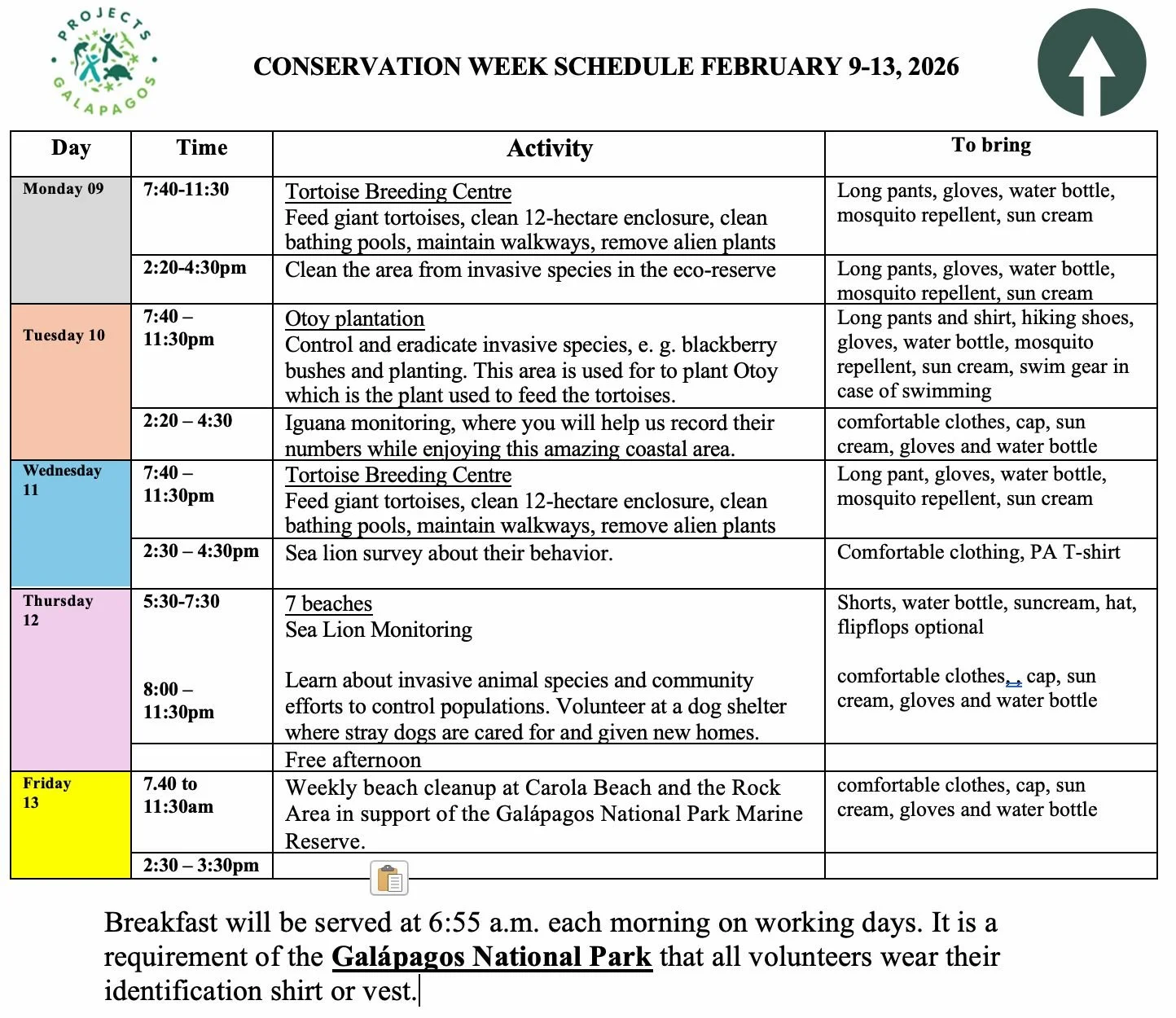
We had a fixed timetable sent out every week with the different activities we were doing. Essentially, from Monday to Friday we would wake up and have breakfast by 7:30am. Our morning’s work would typically be the hardest and most labour intensive – we would finish at around 11:30am. We then would have afternoon activities from 2pm-4:30pm. The only exception is Thursday, where we start the day at 5:30am to do sealion counting (much easier to do when they are resting on the beach!).

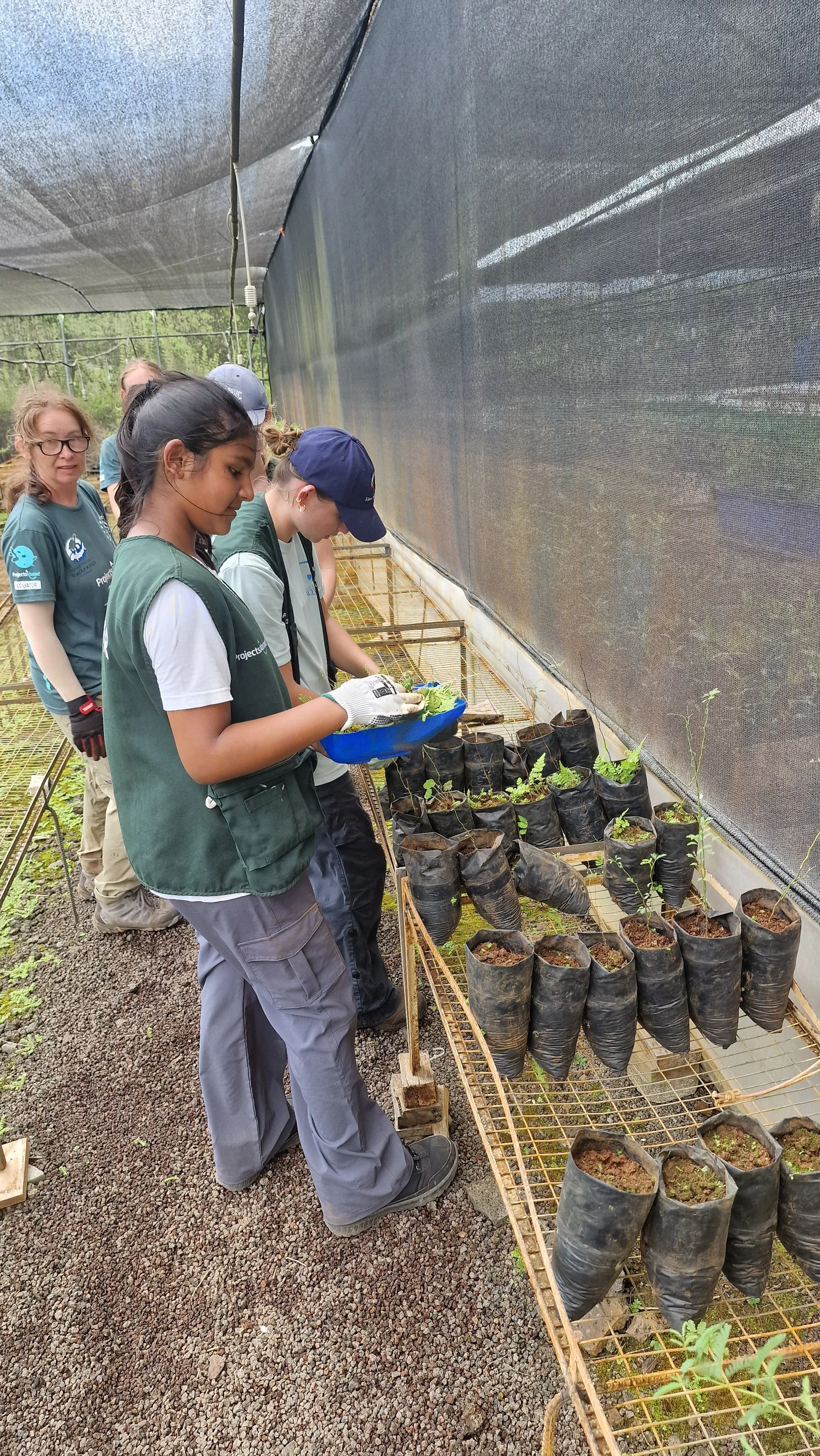
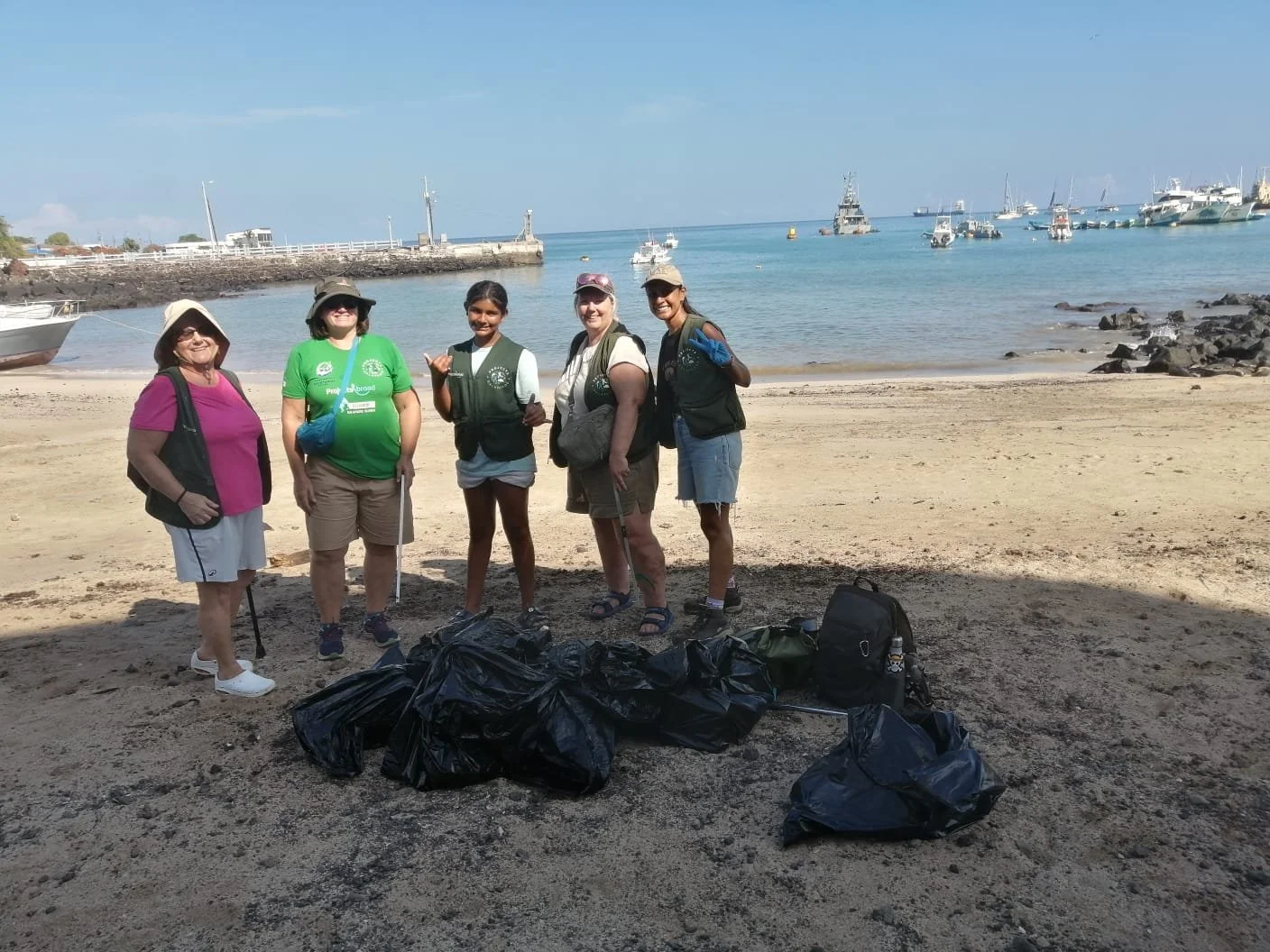
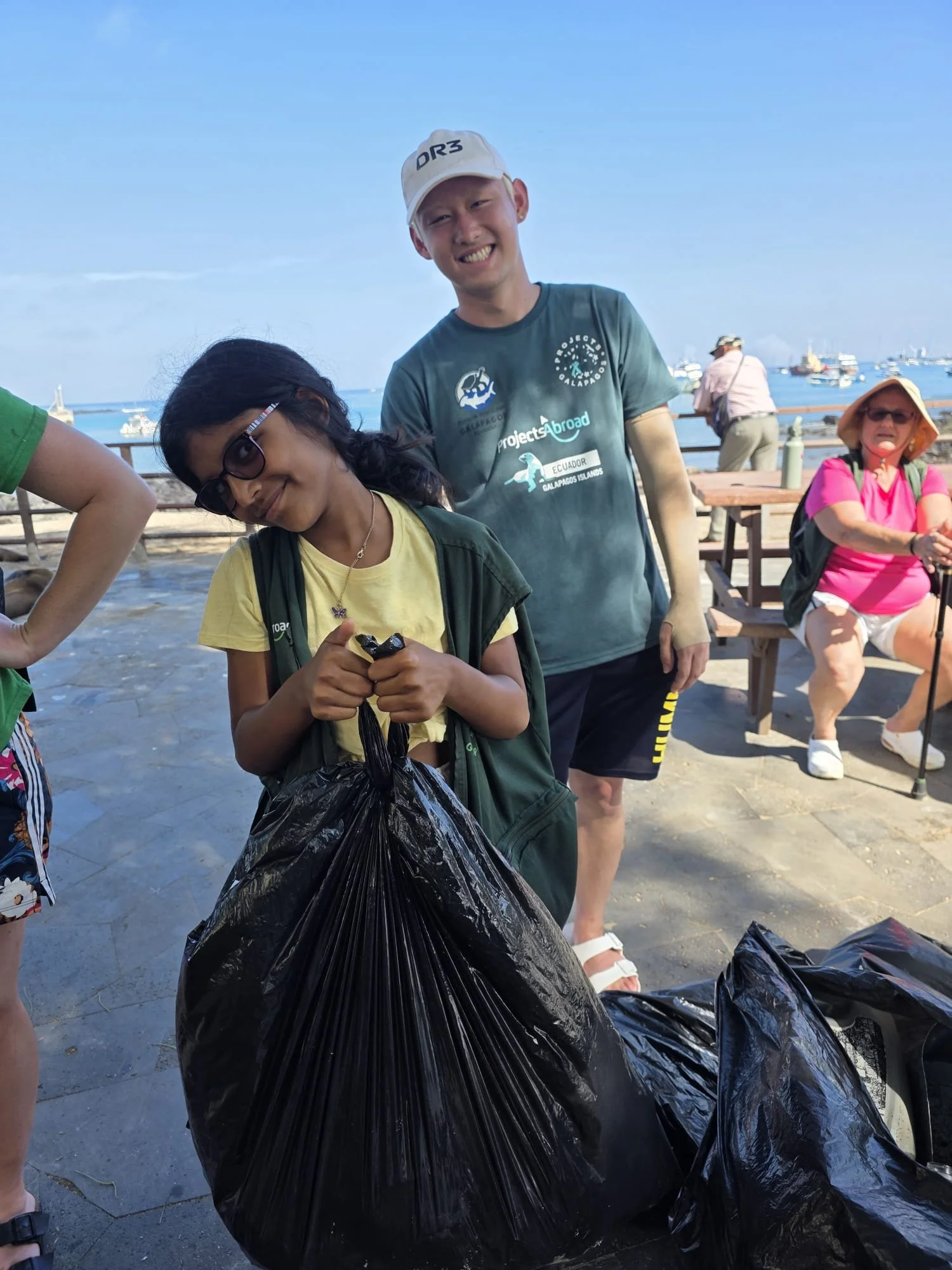
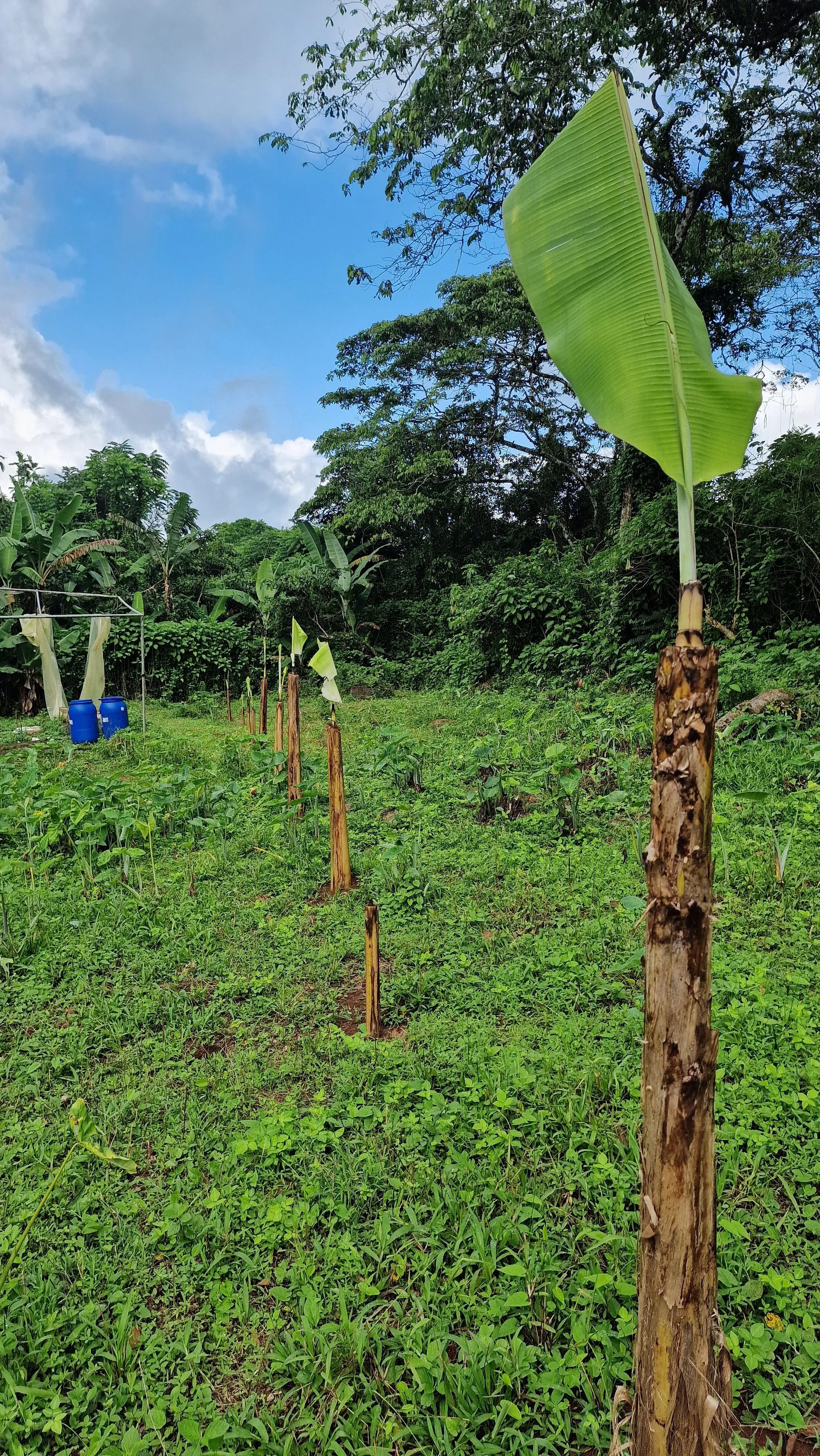
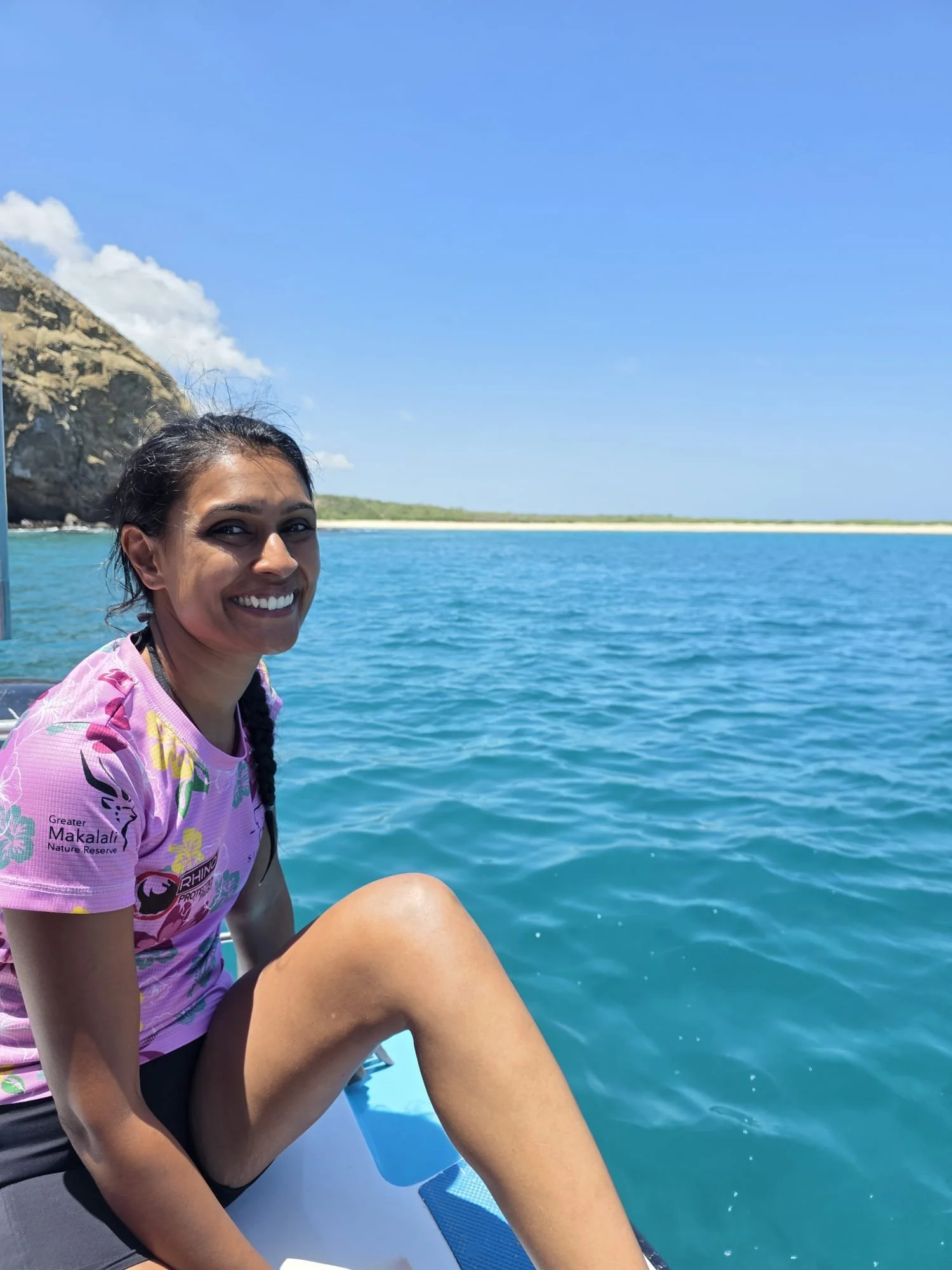
We would use our free time (either in the day, evening or weekends) to explore the island, often going to different beaches to explore (and once going on a sunset morning hike). We also did a “360 tour” which is a one day tour of the whole island of San Cristobal, which was incredible – swimming with hammerhead sharks is a memory that will live with us forever. We also visited Isabella for 3 days and had a brief stop on Santa Cruz (two different islands in the Galapagos), which was also a wonderful experience.
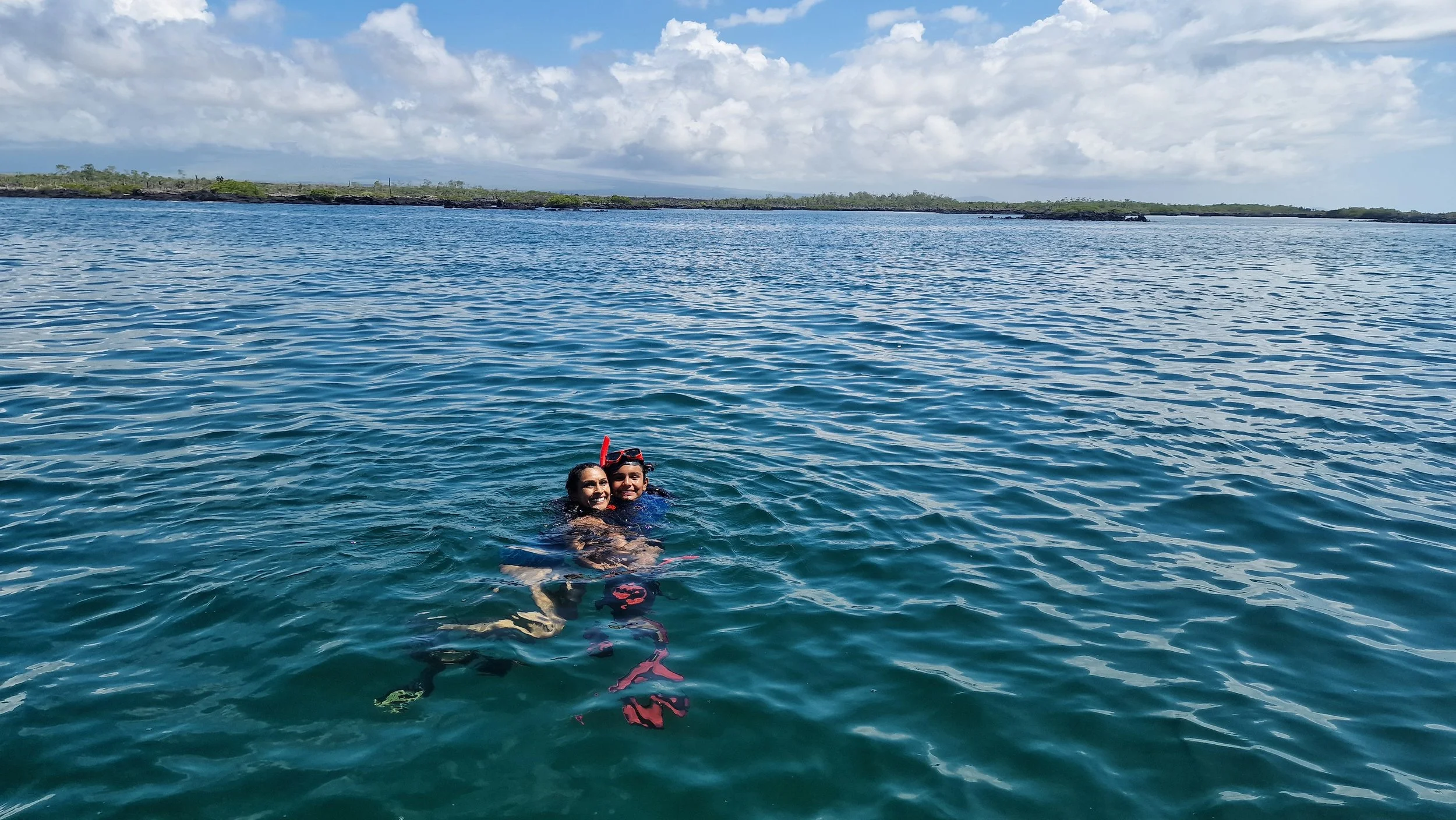
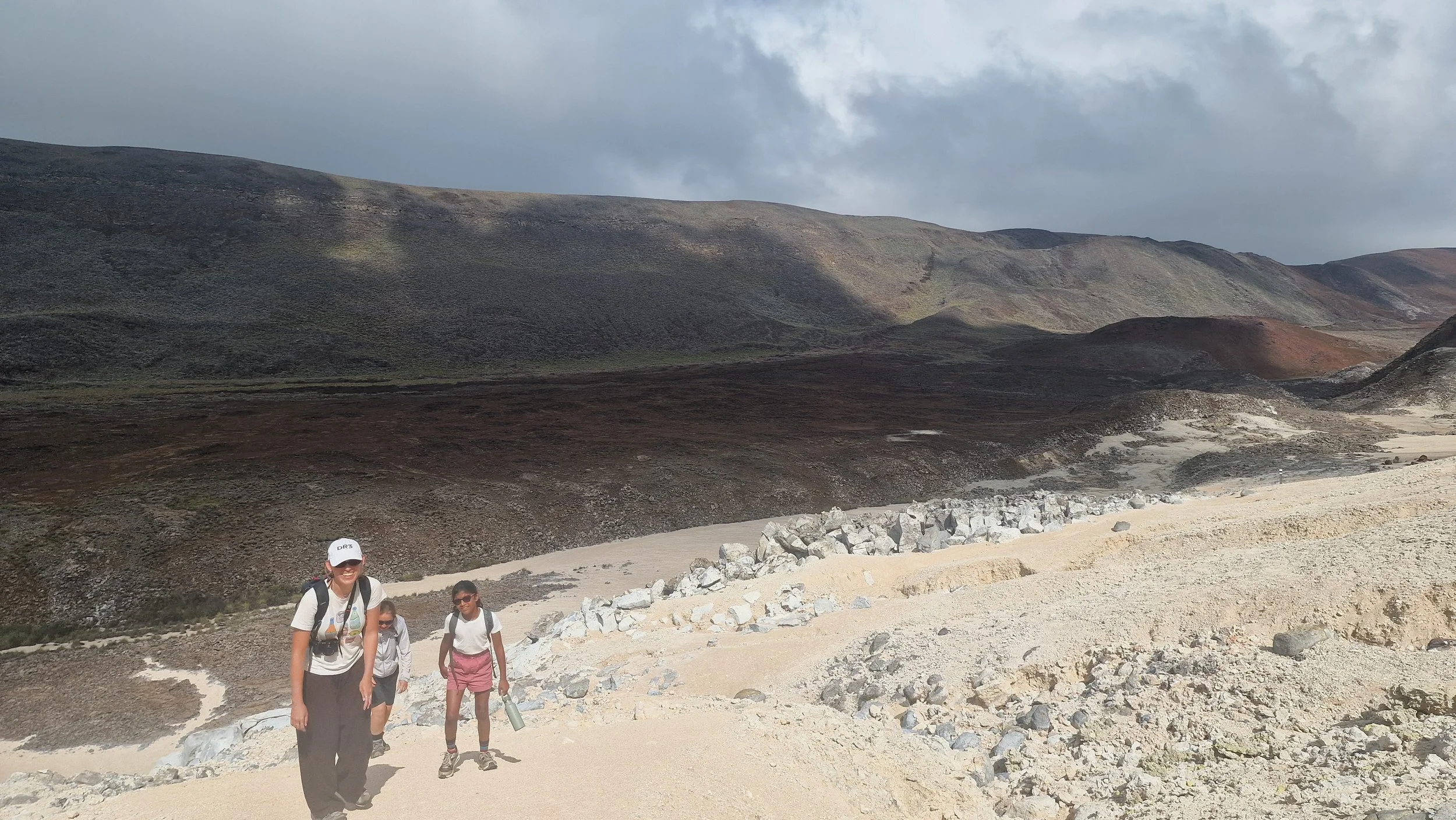
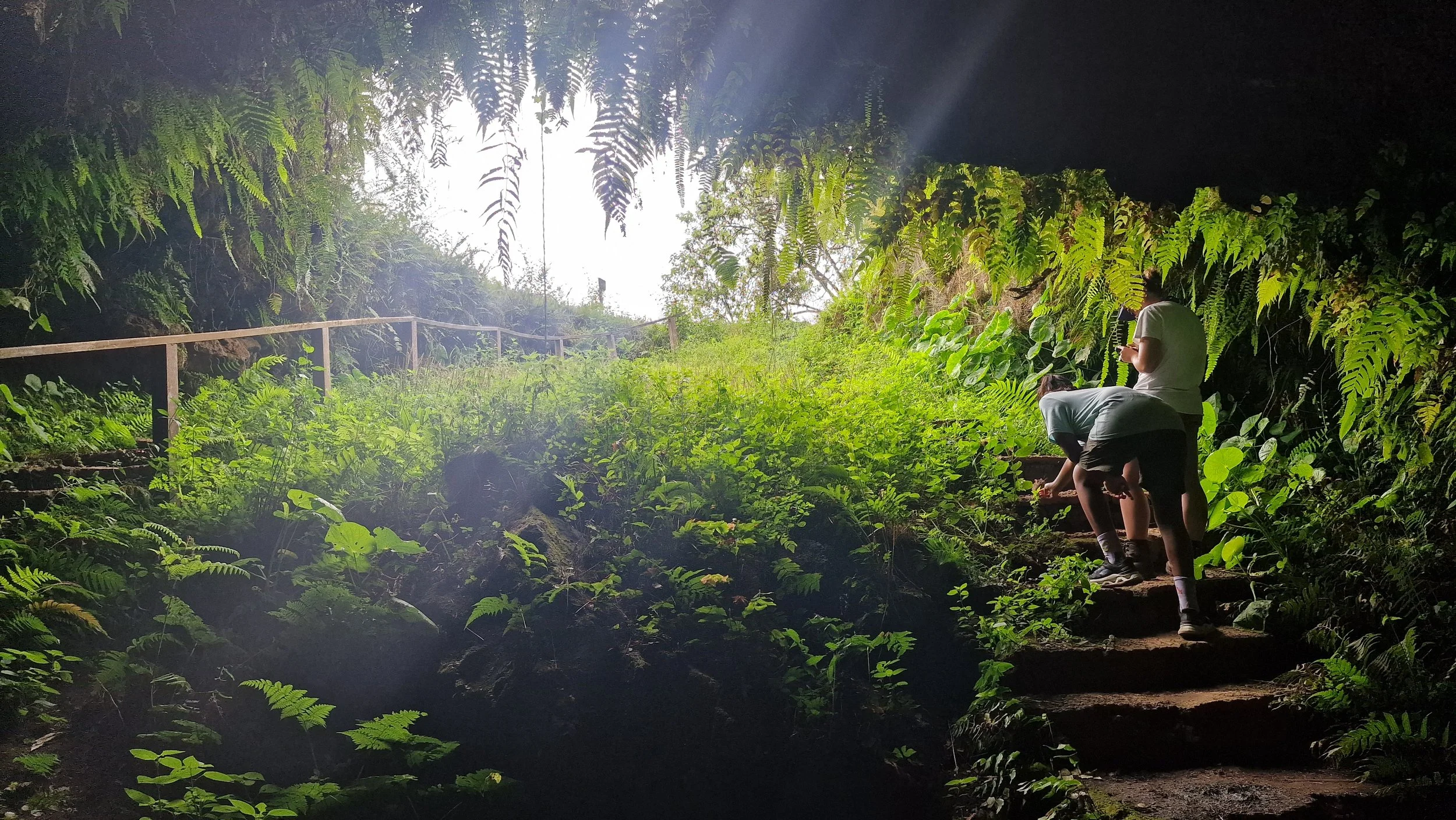
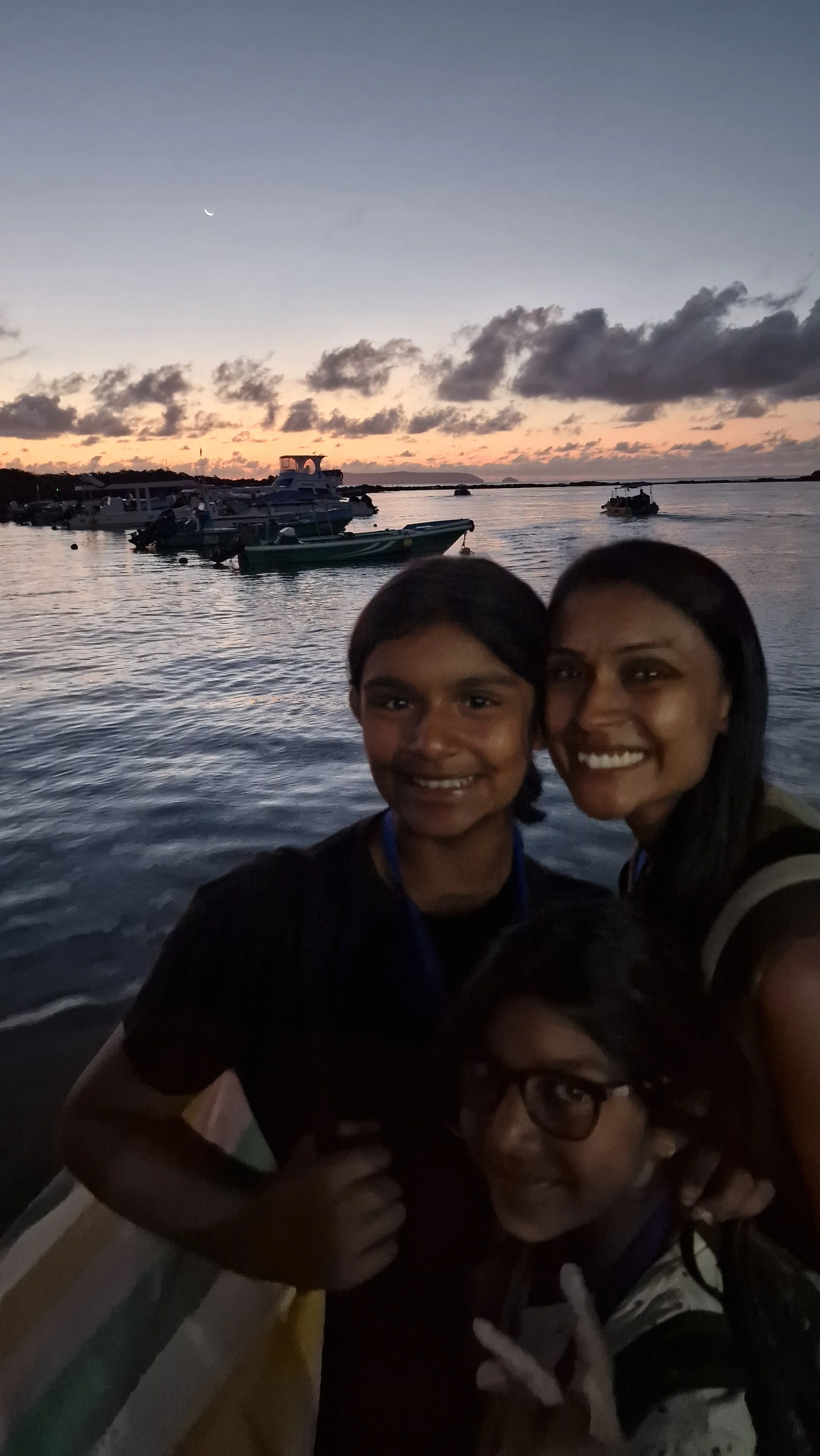
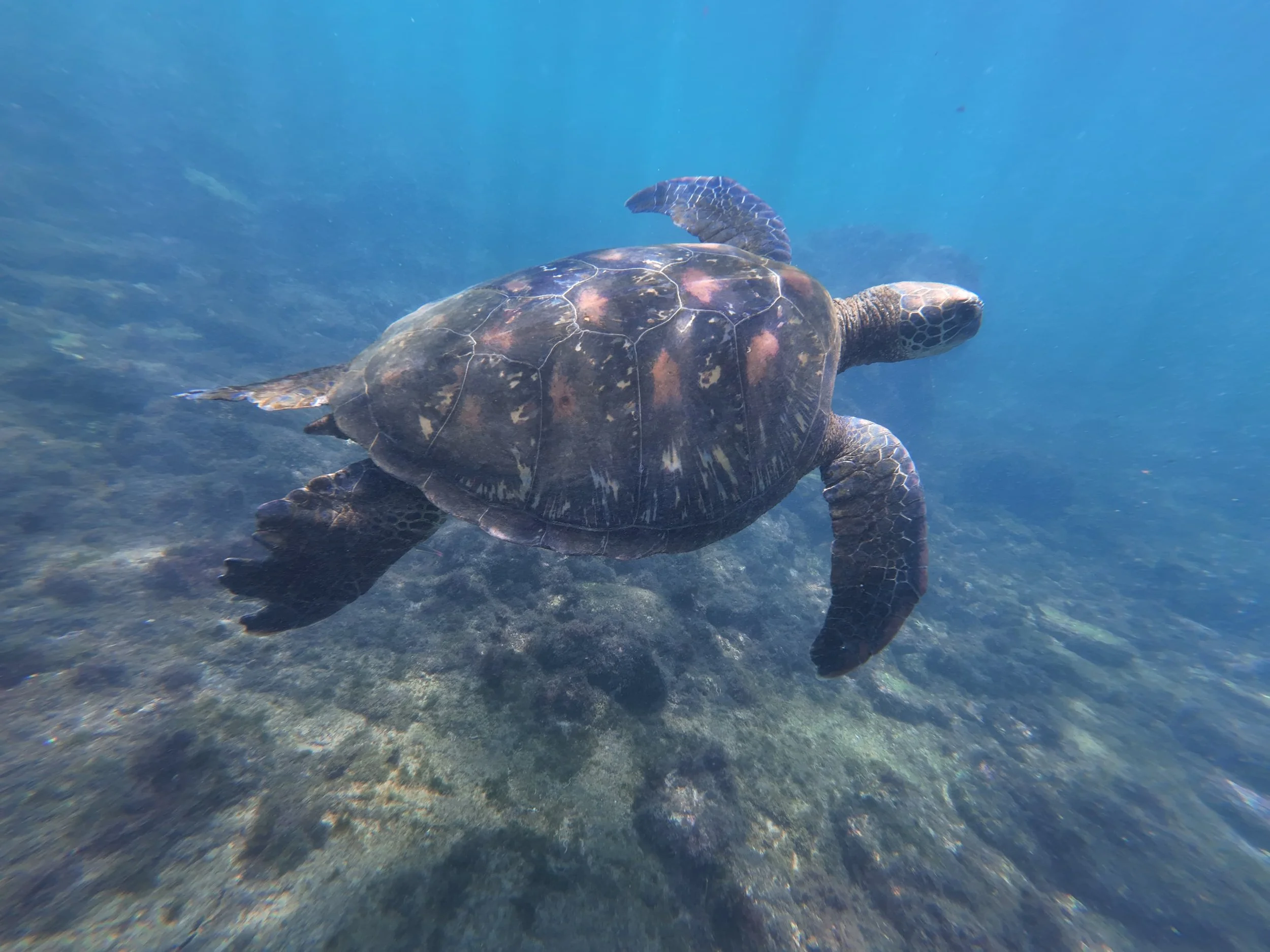
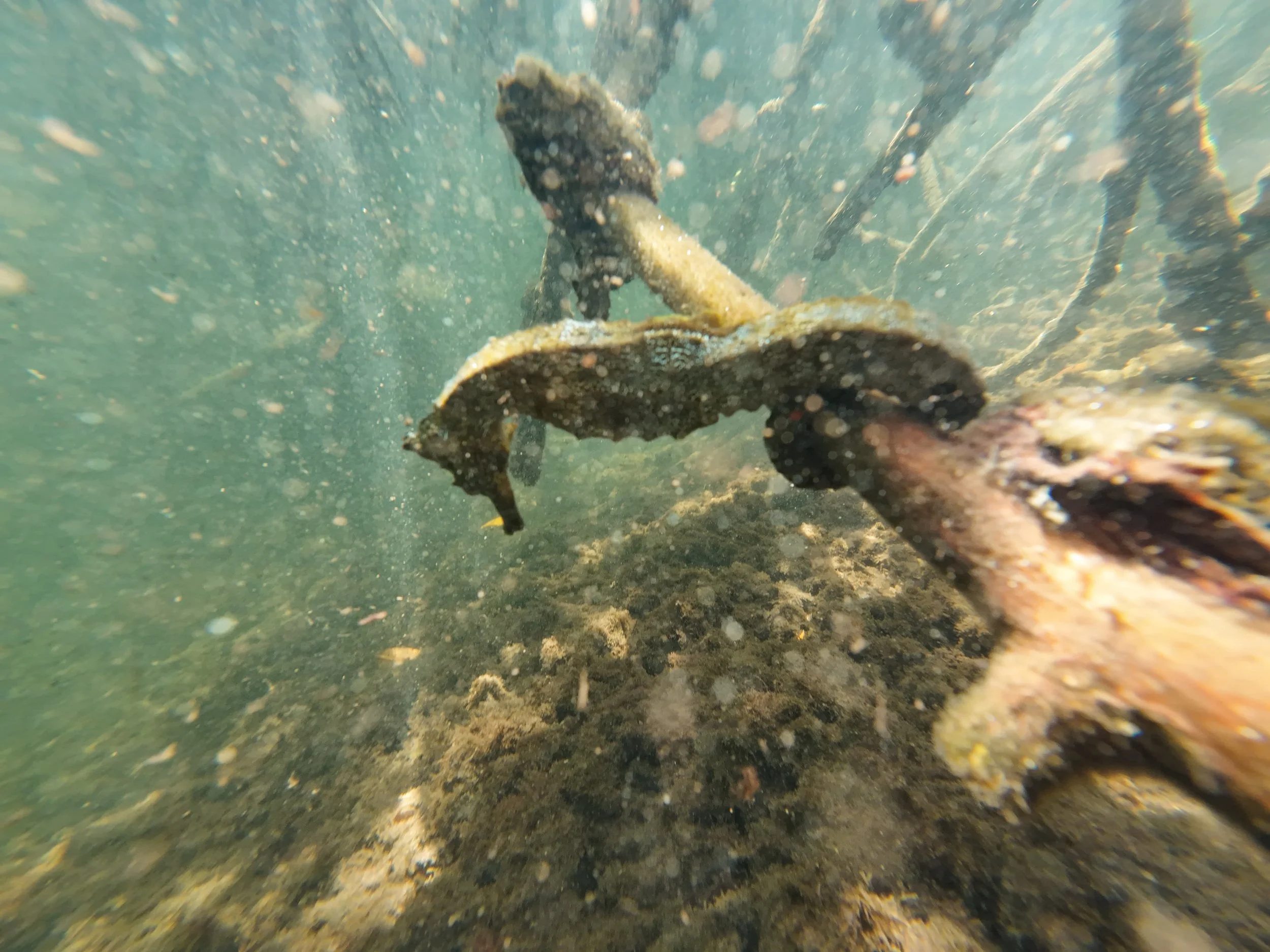
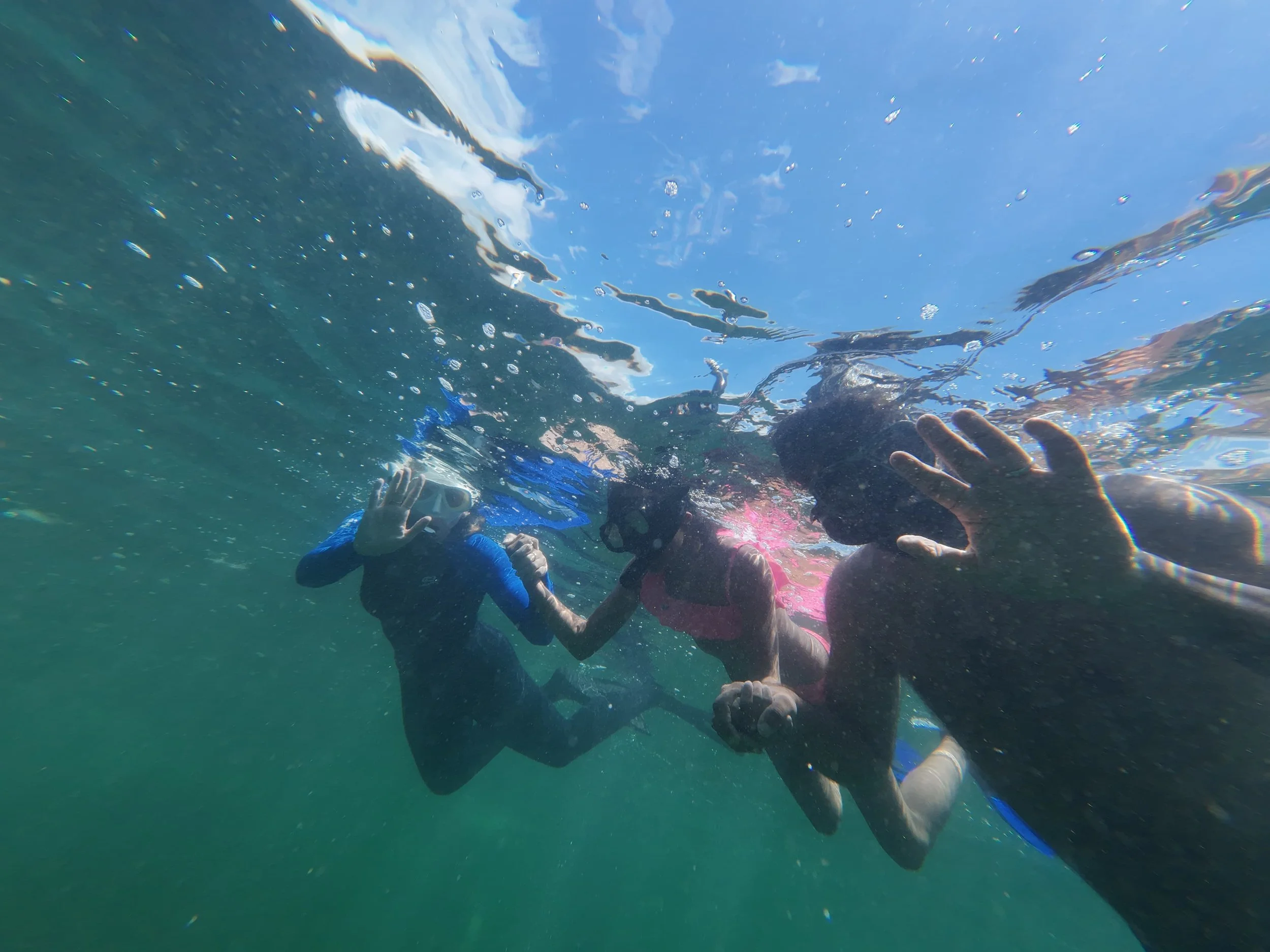
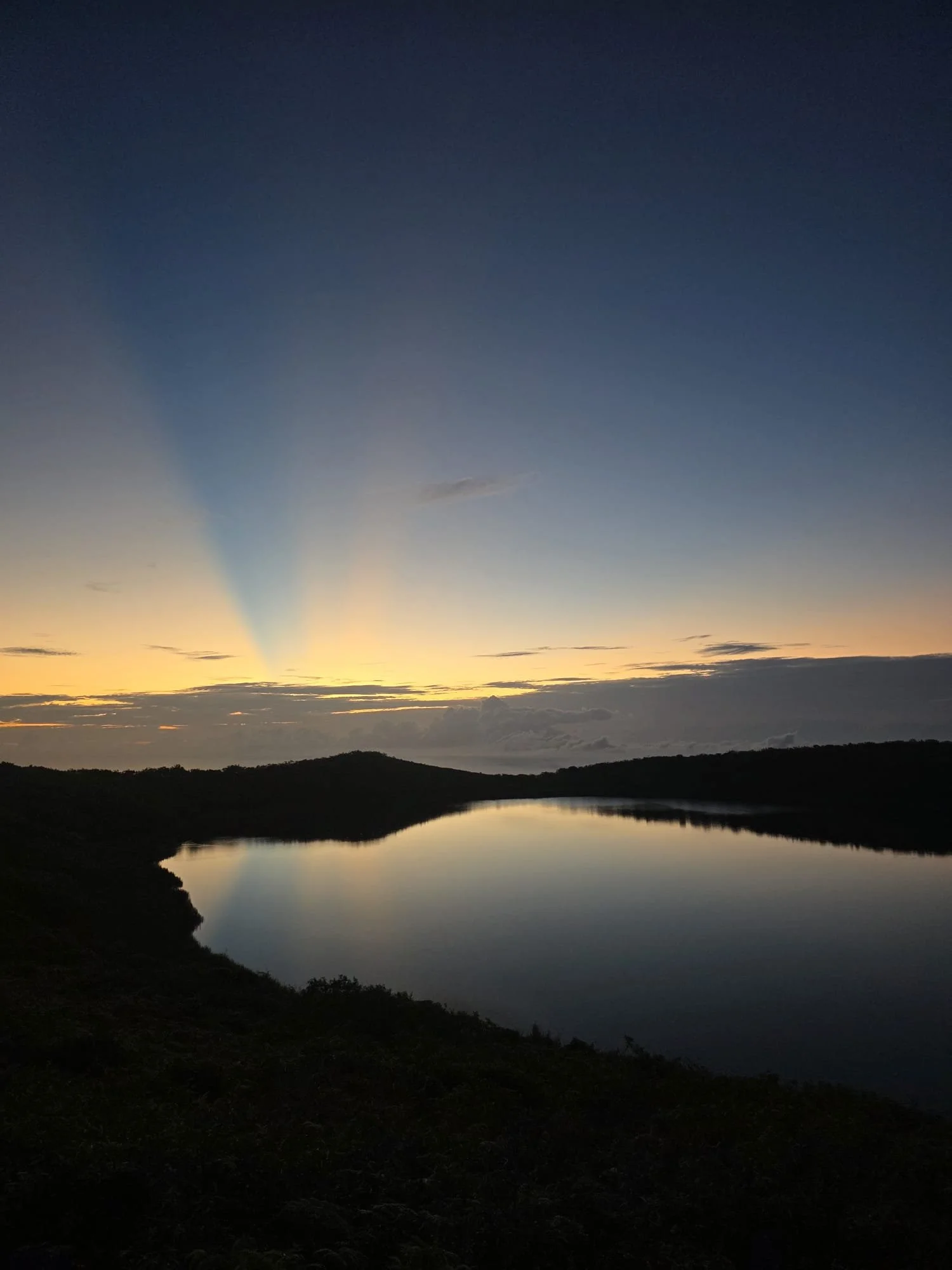
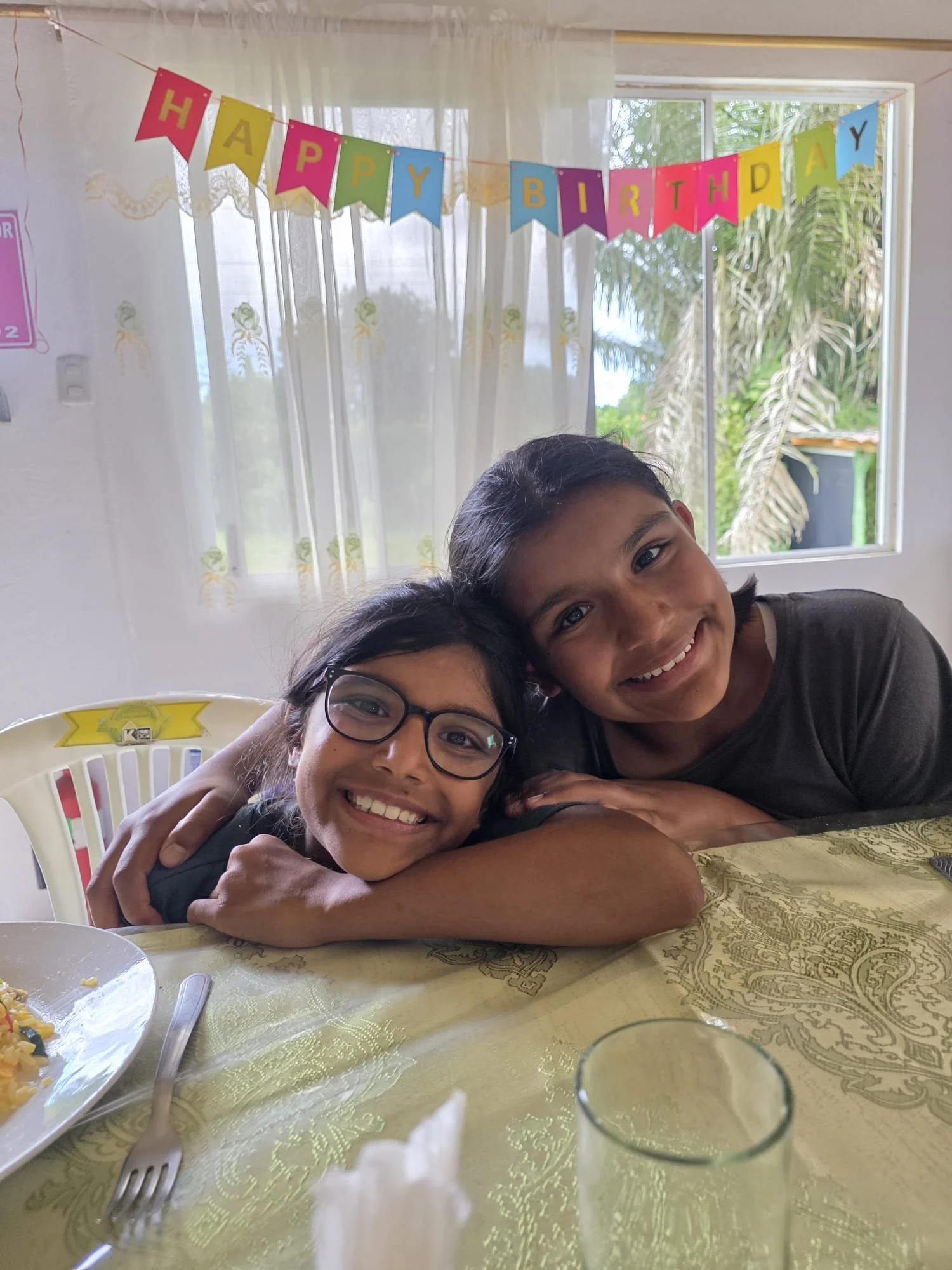
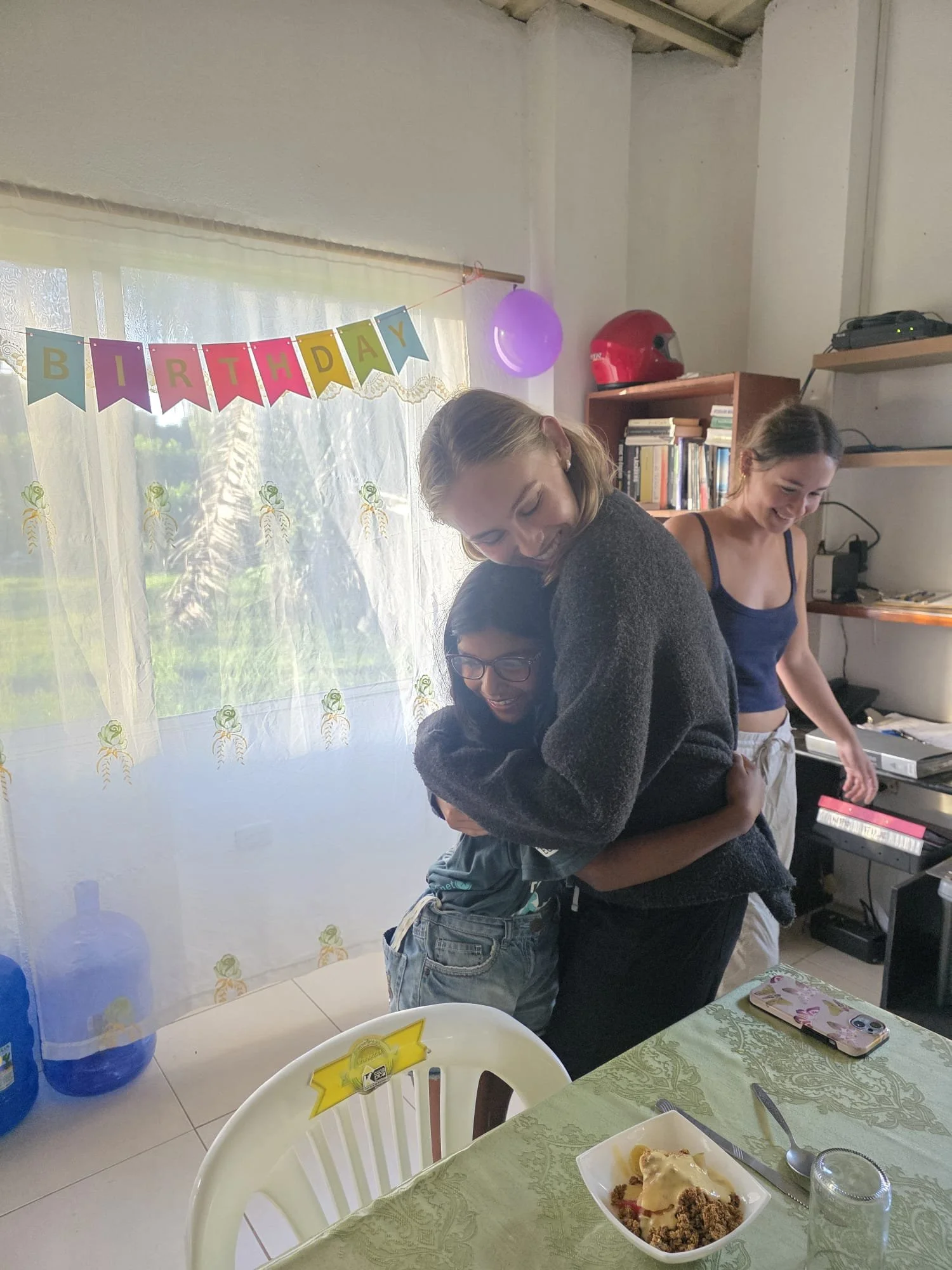
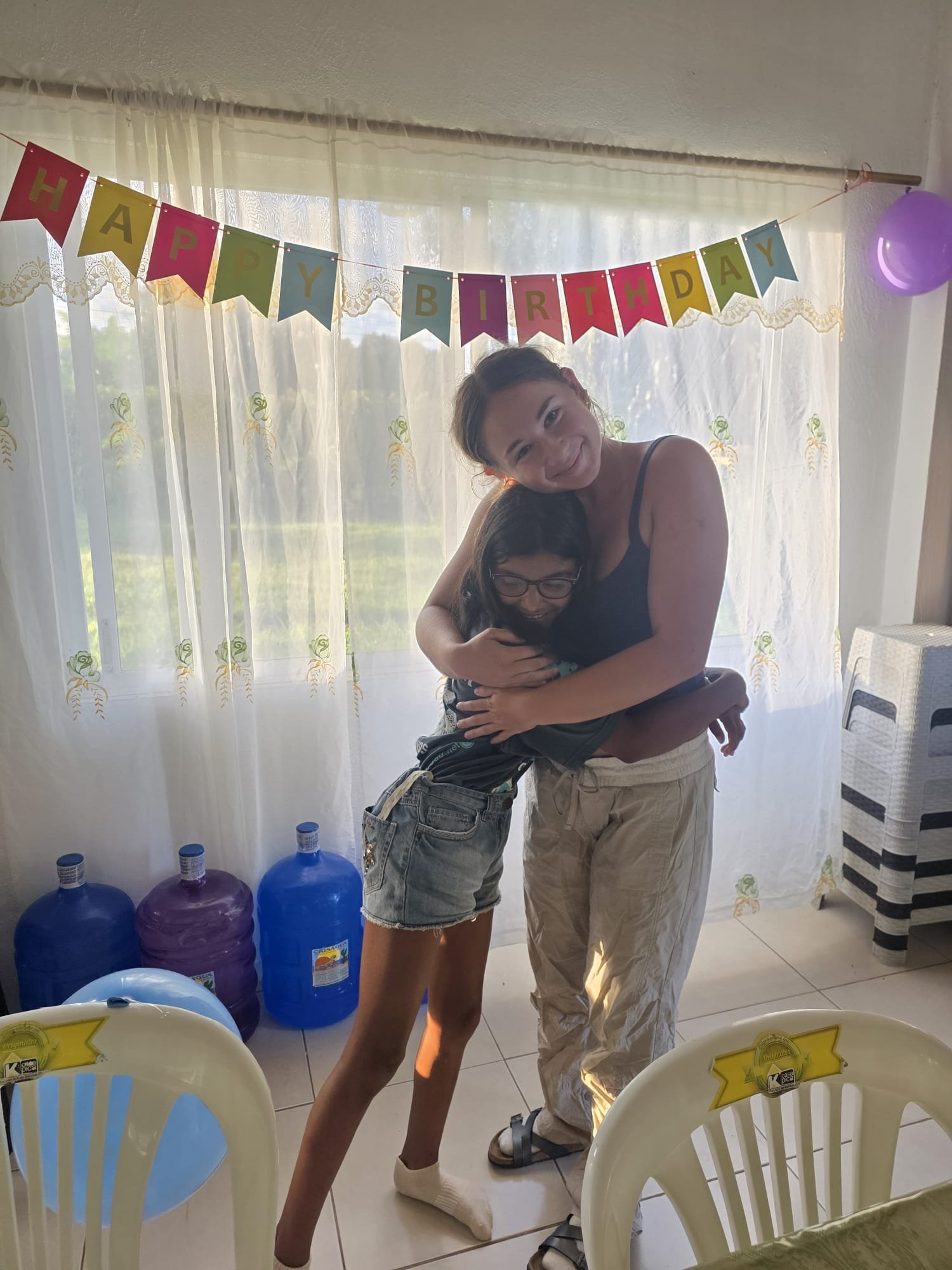
We also celebrated Anaya’s 9th birthday here! She had a wonderful day in a special part of the world, made all the better for the lovely messages received from friends and family.
Who we met
William Puga – “Teacher William”, a Galapgos living legend. A great example of how one person can positively influence so many, and create durable change.
Jose Luis – our main day-to-day guide and leader, Jose Luis is so hard working (a demon with a machete), and yet looks so cool doing everything. So knowledgeable about the ecosystem and looked after all of us so well.
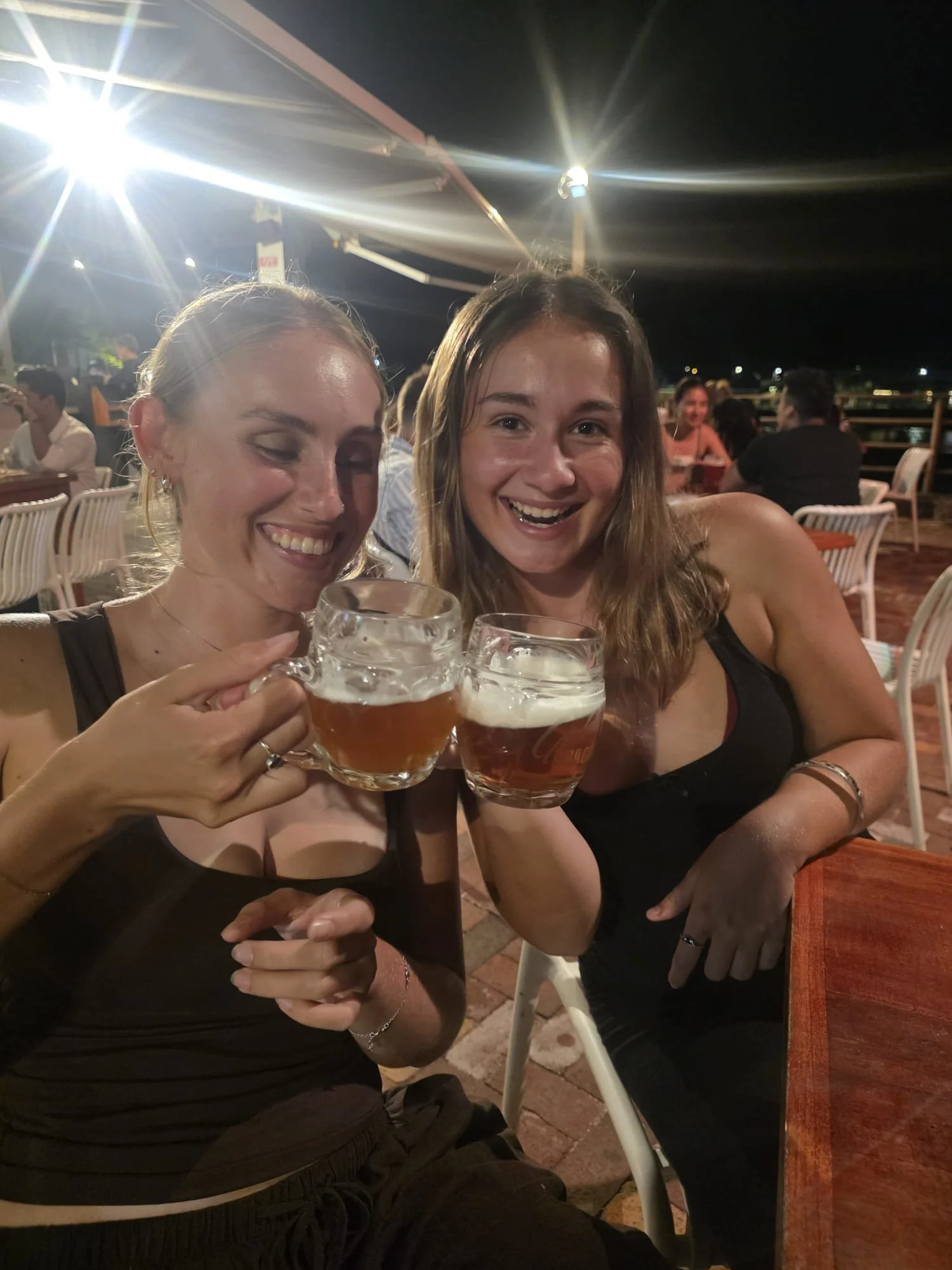
Puk, Sarara and Sarini Scivyer (our Australian extended family) – We were so grateful to have overlapped with this beautiful family from Queensland, Australia. Mother and two daughters (aged 21 and 18), who are so fun, interesting, wise and easy to talk too, it felt like we had a strong bond as a group. They are incredible at spotting cool sea creatures during our many snorkelling adventures, and we were lucky to be able to share so many of our experiences with a family who have as much wonderlust and love for nature. Puk gave me some sage advice on parenting which I will treasure, and Anaya and Sia looked up to Sarara and Sarini so much – and couldn’t ask for better role models.
Anna – Another member of our extended family during our time here, Anna is a teacher from England currently on a sabbatical for a year. She has already had so many amazing adventures – including working with whale sharks in the Maldives – and it was great to talk to her. So glad our paths crossed here.