Fiji - Shark Conservation (27 April - 9 May 2026)
Project Overview:
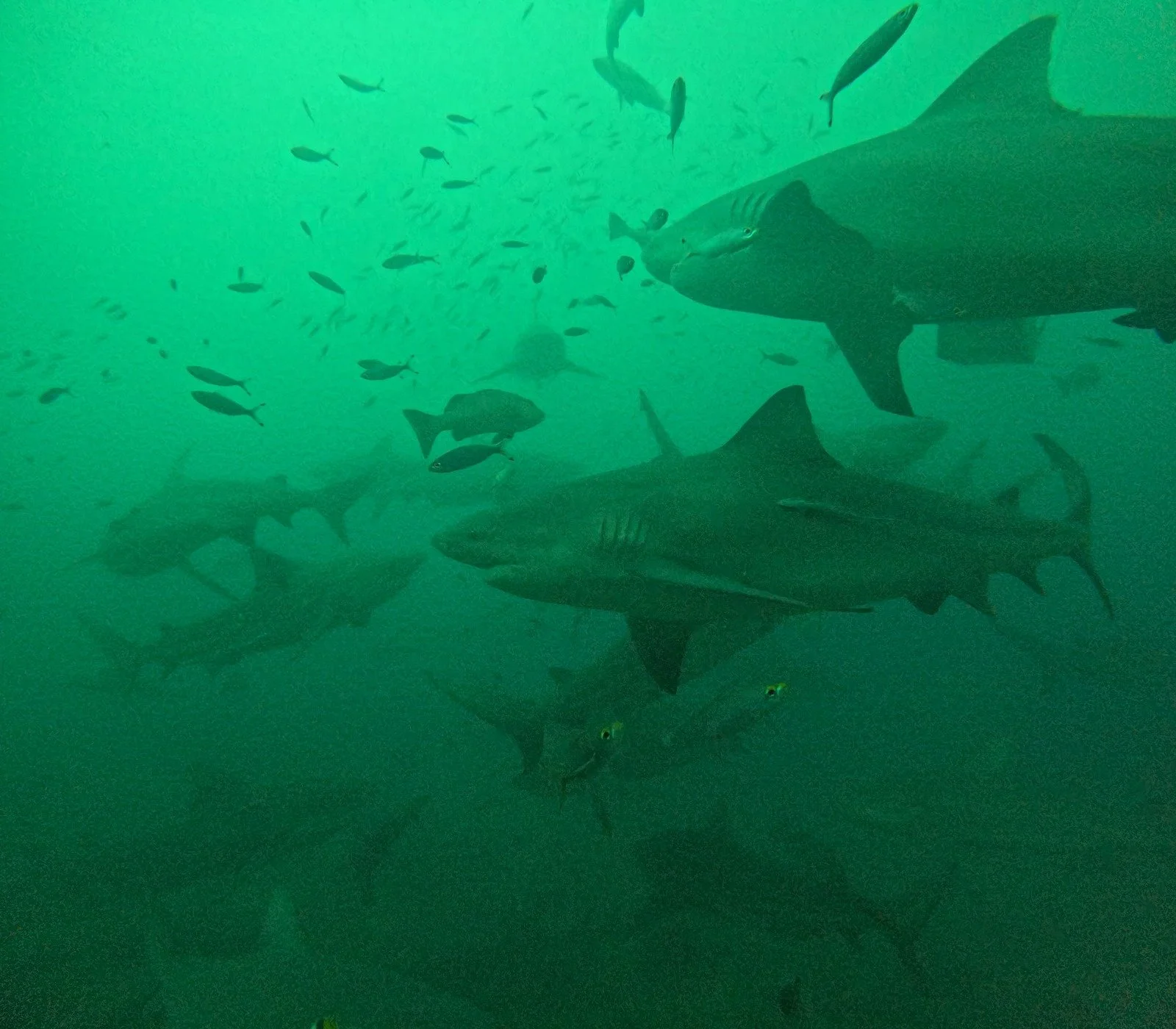
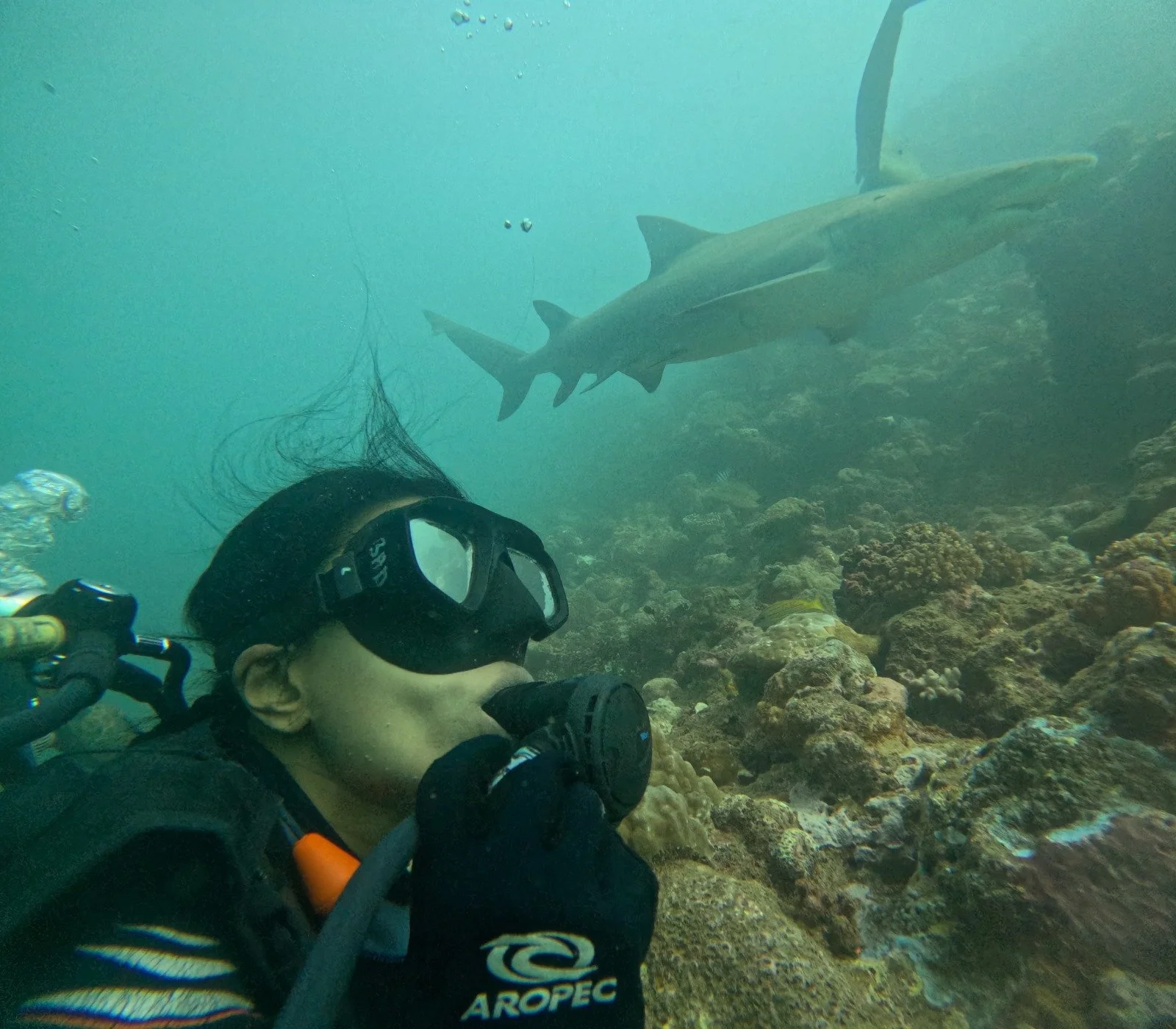
Situated in Pacific Harbour on the south coast of Fiji, we spent two weeks volunteering with a shark and marine conservation project. The project has been running for nearly 20 years, and is partnered with Beqa (pronounced “Benga”) Adventure Divers and the Fiji Shark Lab, who monitor and help to maintain the oldest Marine Protected Area in Fiji.
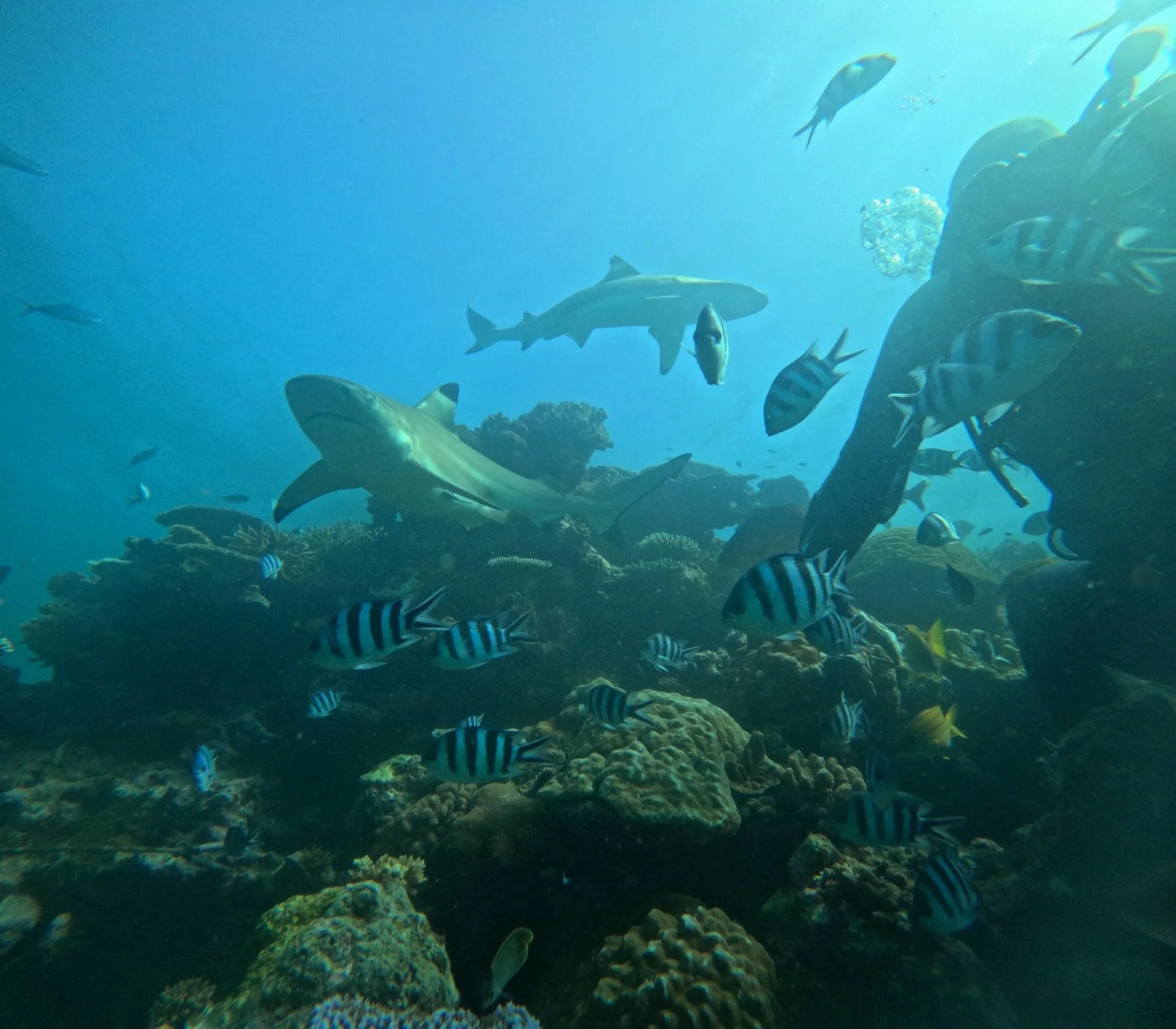
The work is anchored around monitoring the biodiversity and behaviour of the animals in the reserve, and helping to collect data that allows scientists and regulators to understand the impacts and spill-over effects of marine protection.
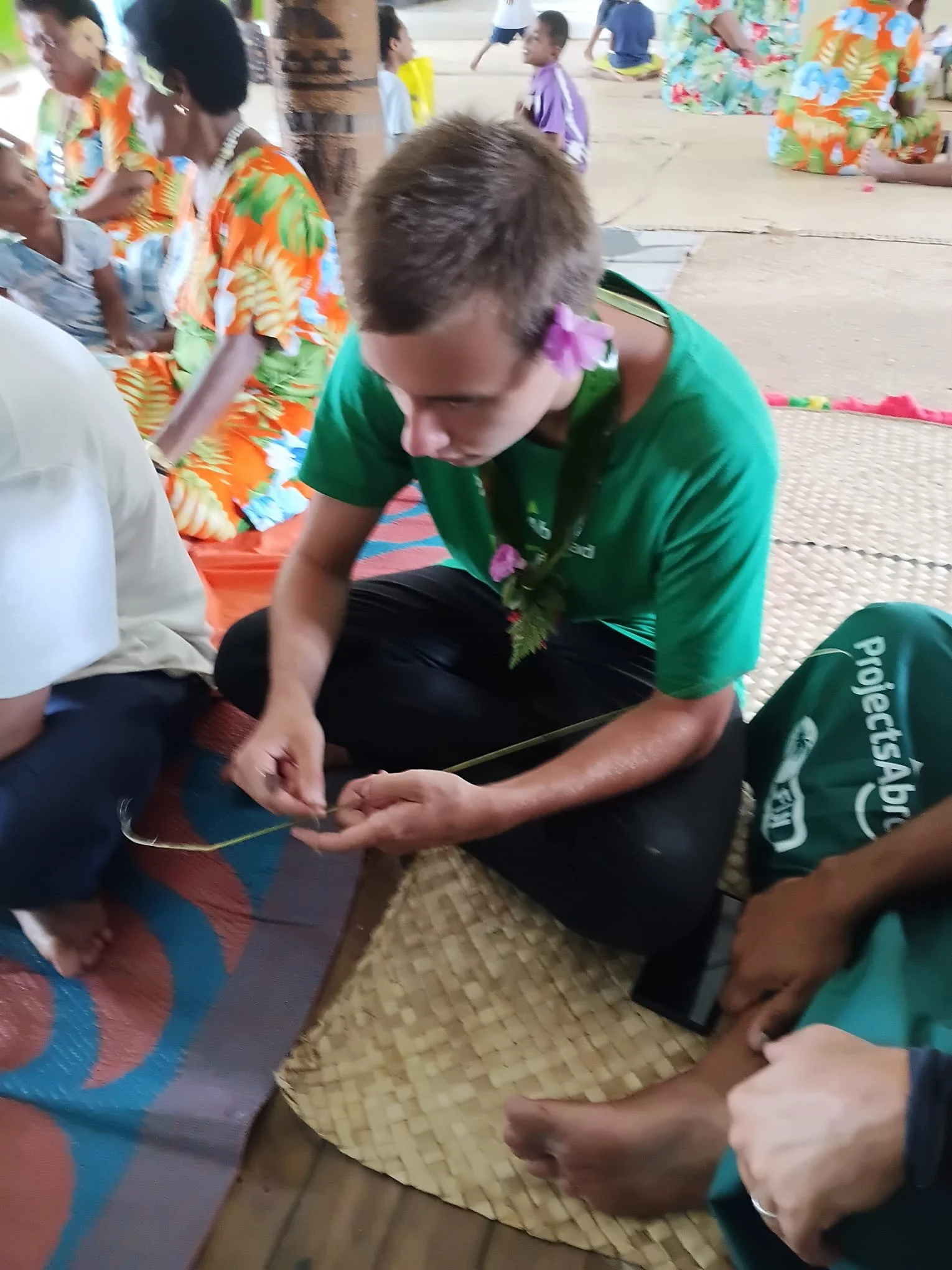
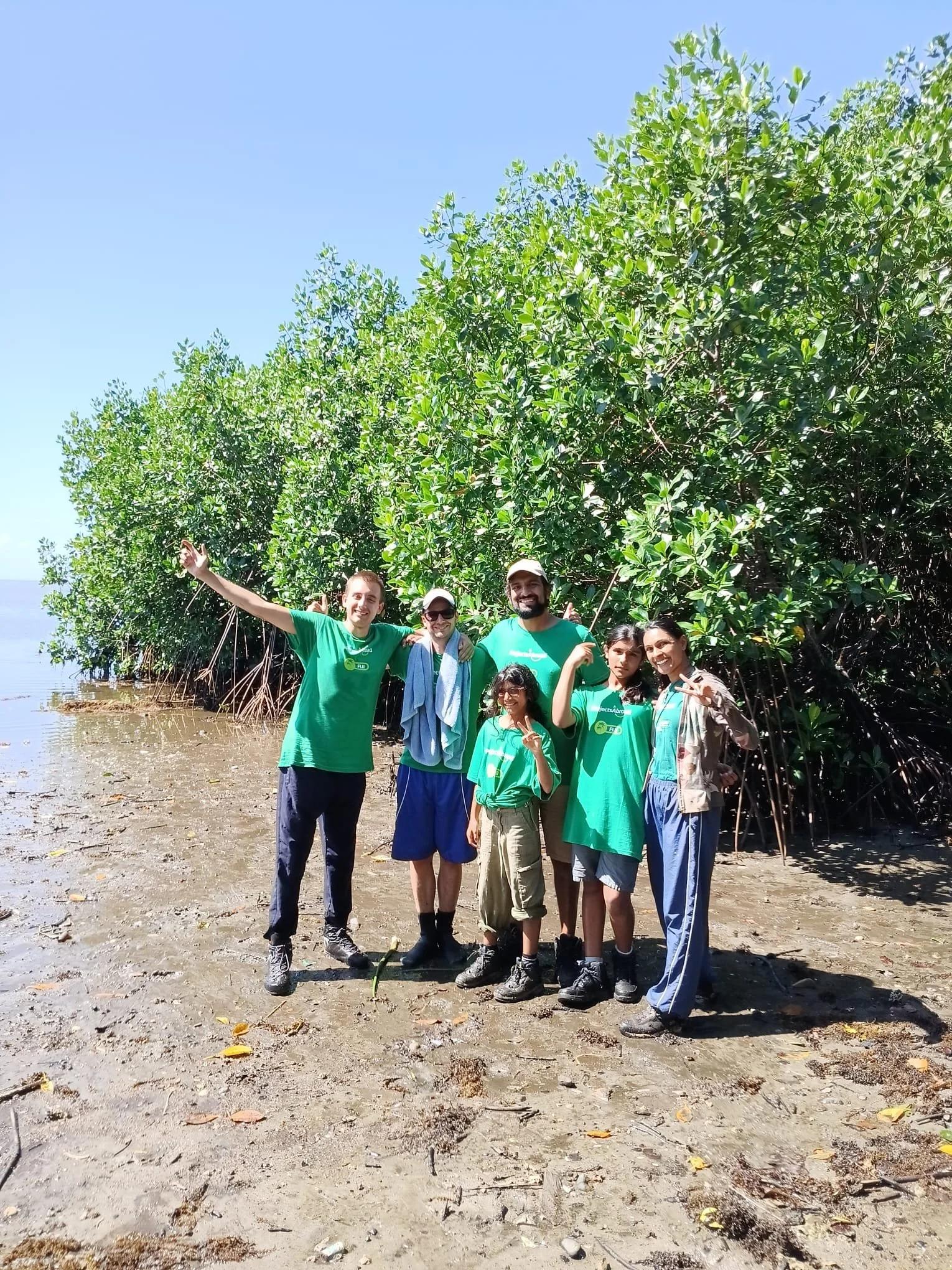
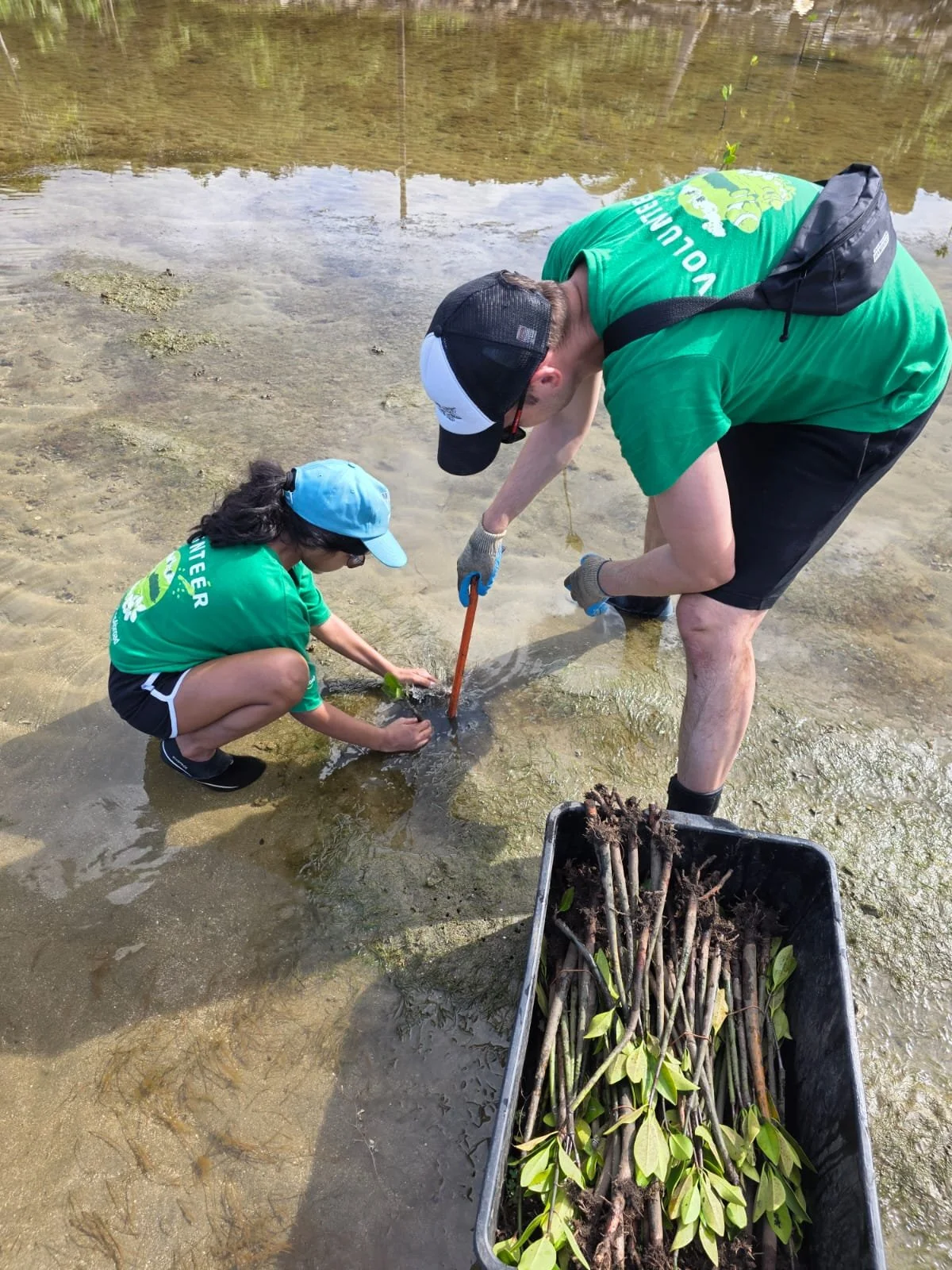
In addition to diving and monitoring indicator species, we were also involved in beach clean-ups, mangrove planting and educational activities.
Key Insights:
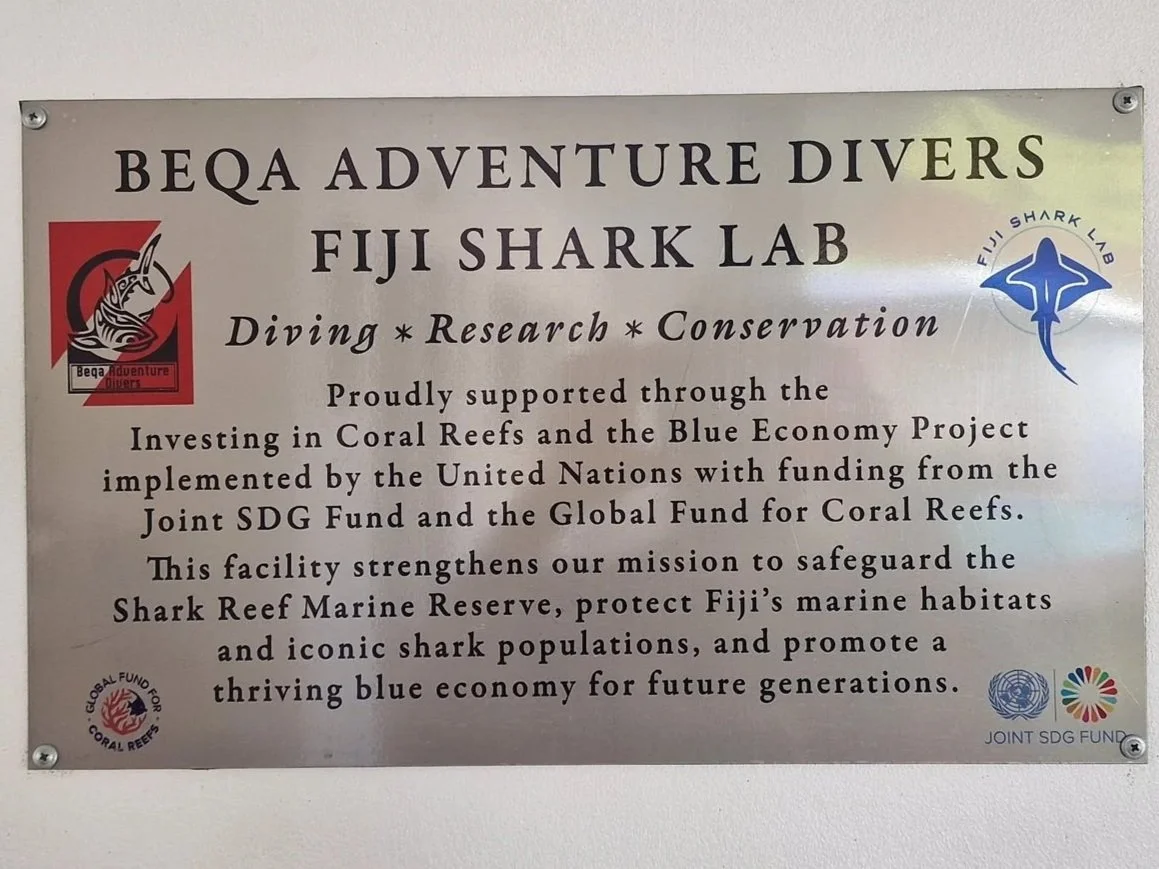
It has been increasingly recognised that the ocean and marine ecosystems play a vital role in stabilising natural systems and providing resources society needs. This has resulted in international collaboration in recent years and the designation of Marine Protected Areas (MPAs). The Shark Reef Marine Protected Area that we were working with on this project was set up as the first of its kind in Fiji in 2004, and is partly funded by a global commitment to protect critical ocean areas. We had been in/near other MPAs before on this trip (in Namibia and Mozambique), but this was our first time working in one as volunteers, and being able to see the effects was very inspiring. The volunteer program (working with local dive masters and scientists) has been collecting data here for 13 years, and the impact is so deep and broad. It is amazing how quickly the ocean can heal itself, self-regulate and provide the bounty of resources we need when we just leave it alone.
One potential area of friction with the implementation of MPAs can be how to balance the long-term conservation goals with the need to respect the rights/needs of the traditional owners of the land. As we have seen elsewhere in our travels conservation is at its heart a social contract – and education, alignment and partnership with all stakeholders are so vital for the resilience of any conservation program. The time of Covid was an interesting stress-test of that in Fiji – when tourism stopped, the locals had to live off the land and sea to survive, and went to their villages and fishing pools that had existed for centuries – resulting in the depletion and degredation of the ecosystem, including areas that were previously designated as protected. In a conversation with Natasha (who runs the Fiji Shark Lab), she described that 15-20% of fish species that were protected from commercial fishing pre-Covid and were making a rebound were entirely wiped out during Covid and are no longer found in these waters. This is where volunteer programs such as the one we were on can be so helpful – not only because of the data collection, but also the connection to education and community that can be fostered if done well.
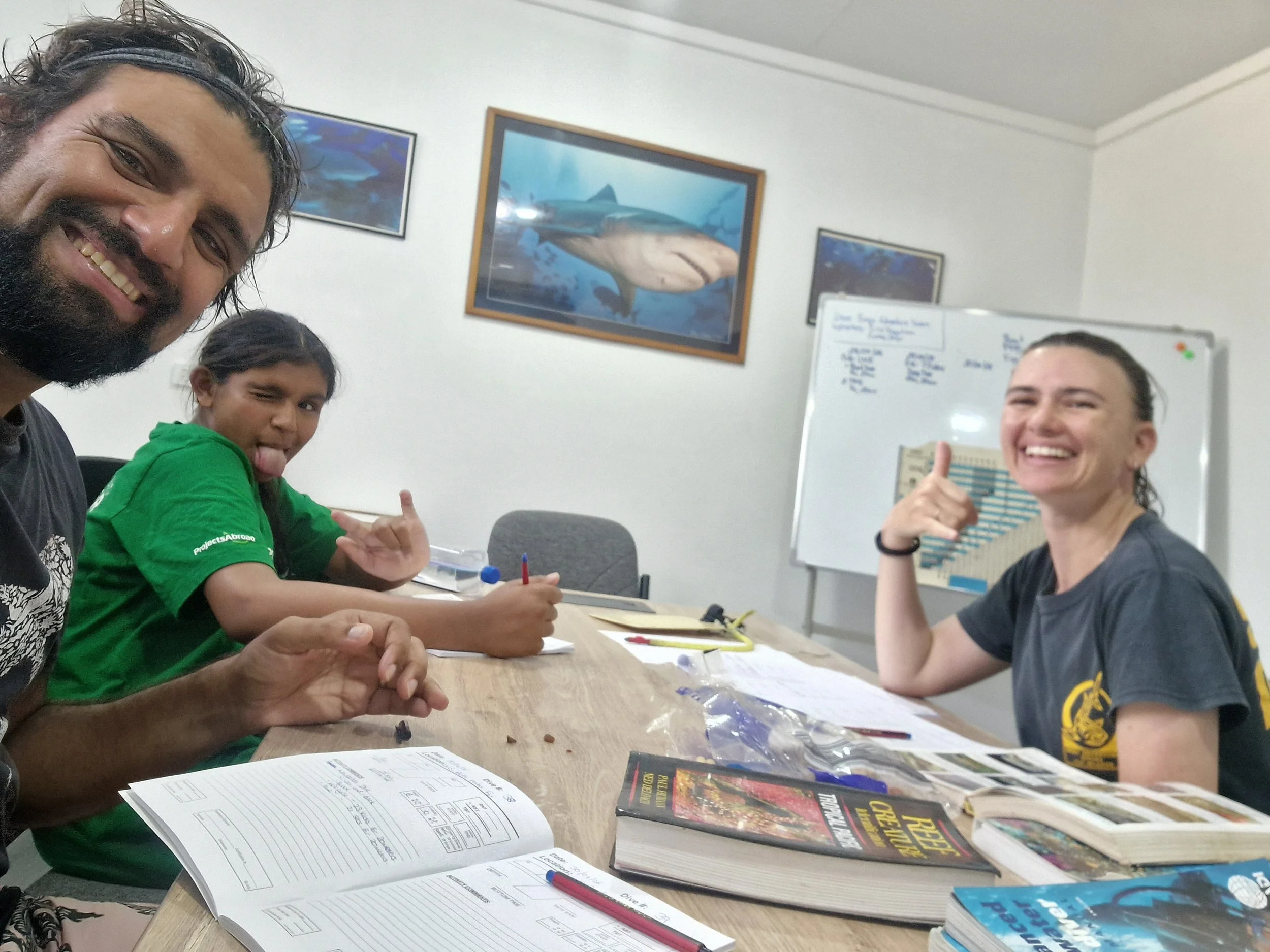
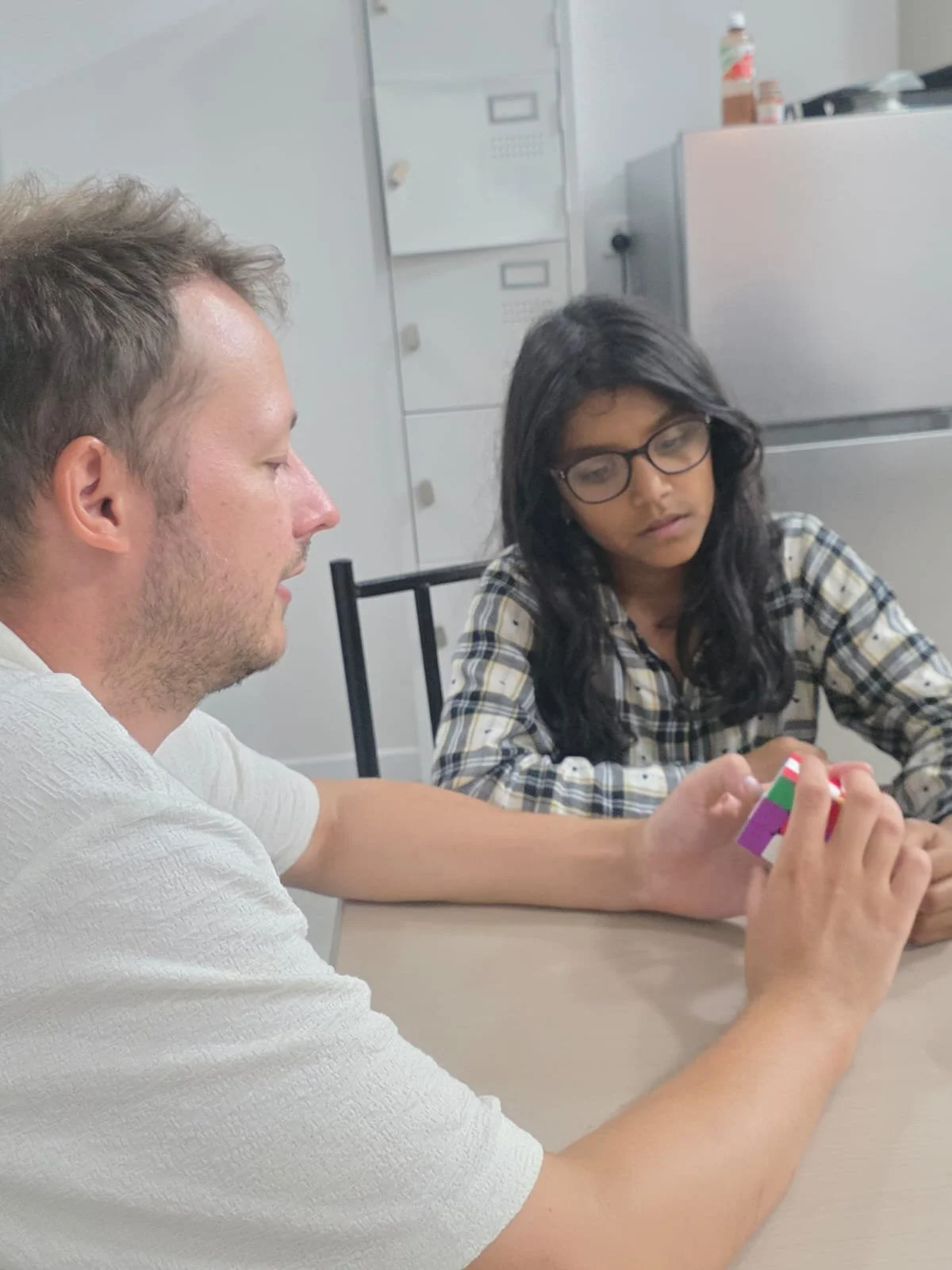
Whilst we were here, Sia and I were studying for our PADI Advanced diver qualification (Sia had done her Open Water qualification earlier in the trip with Div). Studying with Sia was really fun and interesting – she can absorb a tremendous amount of information (even when it looks to me that she is not paying any attention at all!), and is brave in the practical tests. It was a rare opportunity to sit alongside her as more of a peer and see how she learns and how we learn differently.
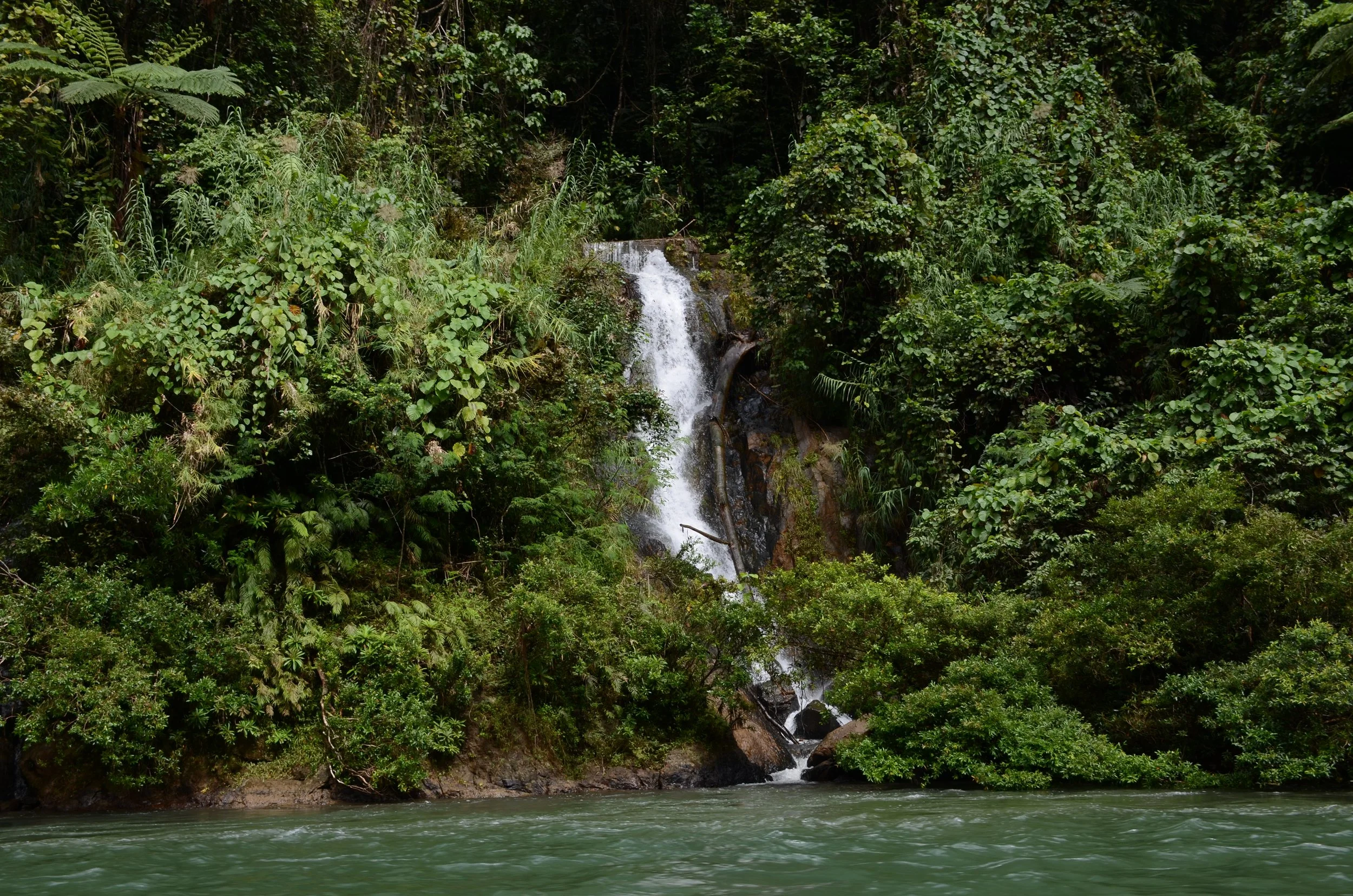
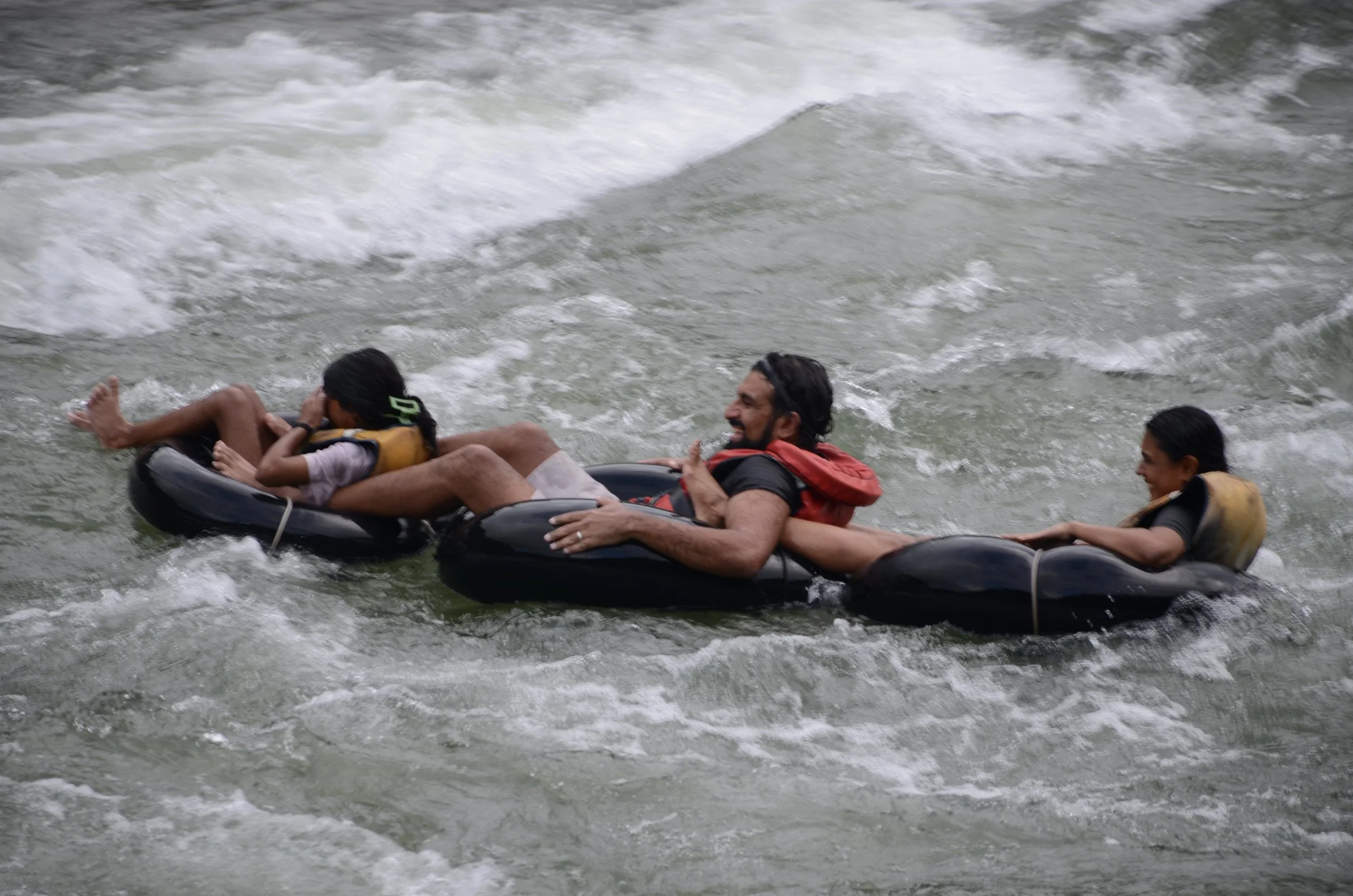
One of the most poignant moments of the entire trip so far was during an activity we had in Fiji. We went river tubing on the weekend – after a brief visit of a village and some excitement of traversing rapids, we reached a section where we were gently floating down the river and the guides began singing traditional hymns in the valley. The intonation of their voices, the harmony and the melody, the flow of the water and the surrounding forests were a surreal combination – one that is impossible to capture here but will stay with me for a long time.
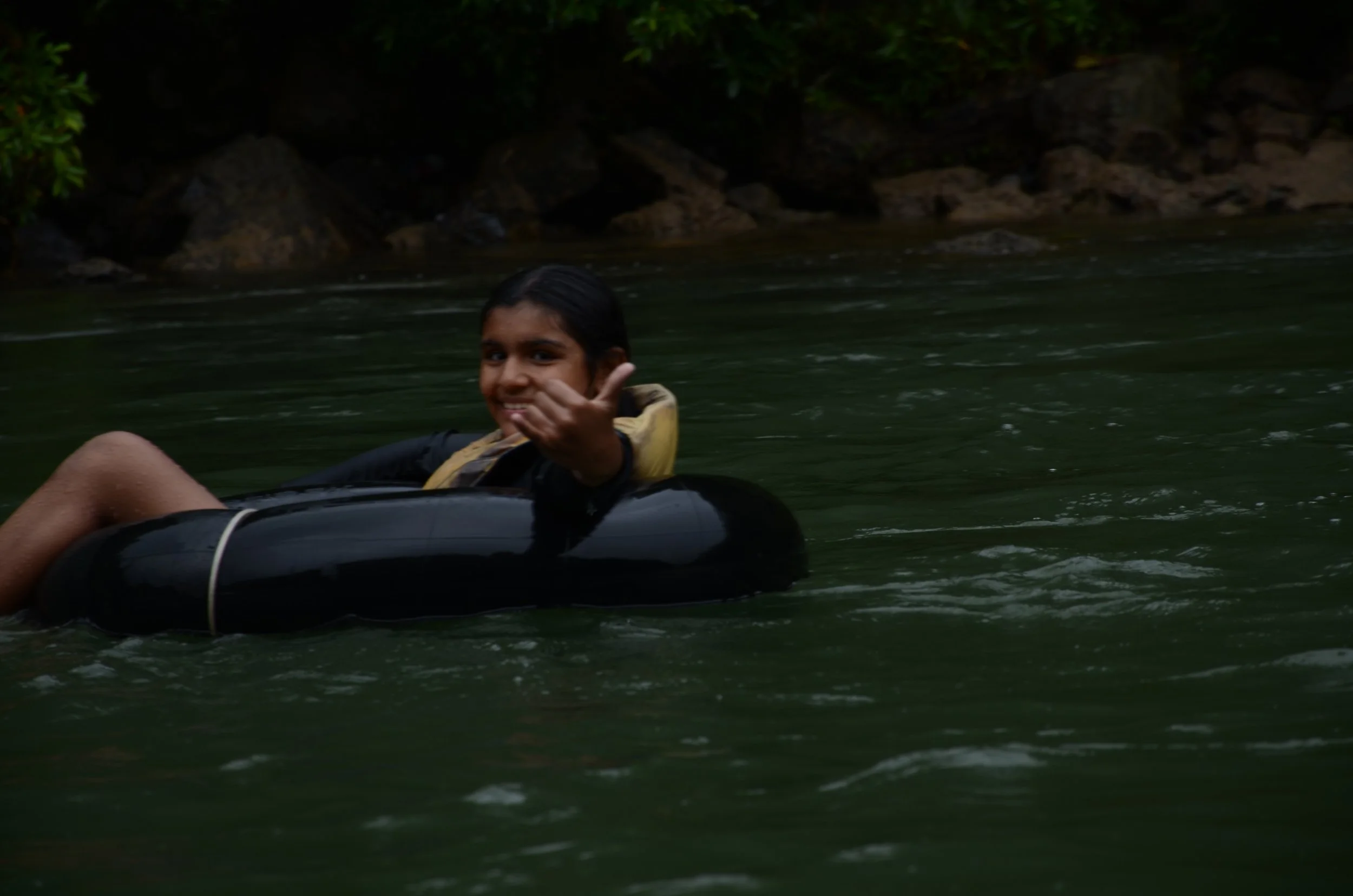
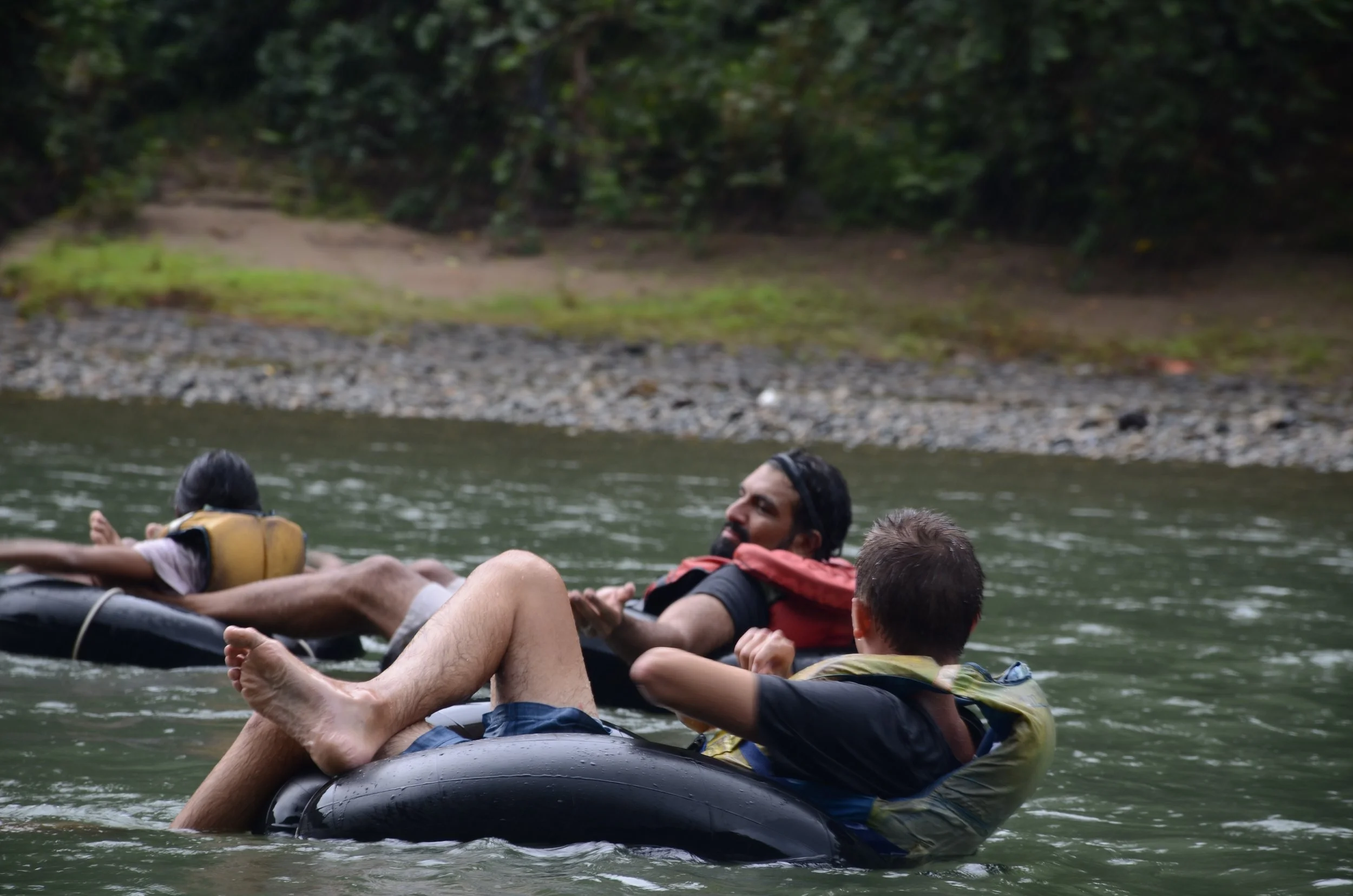
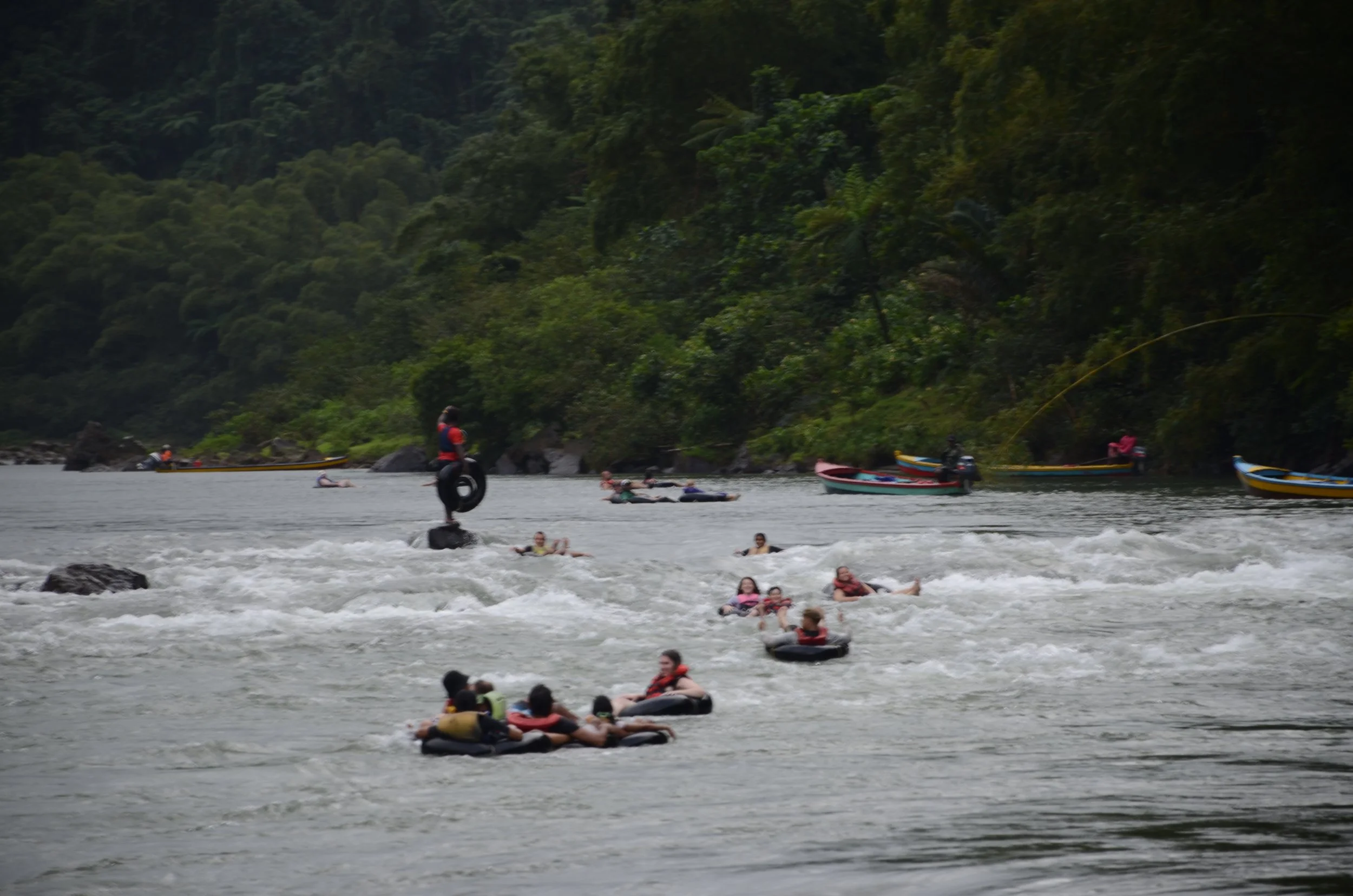
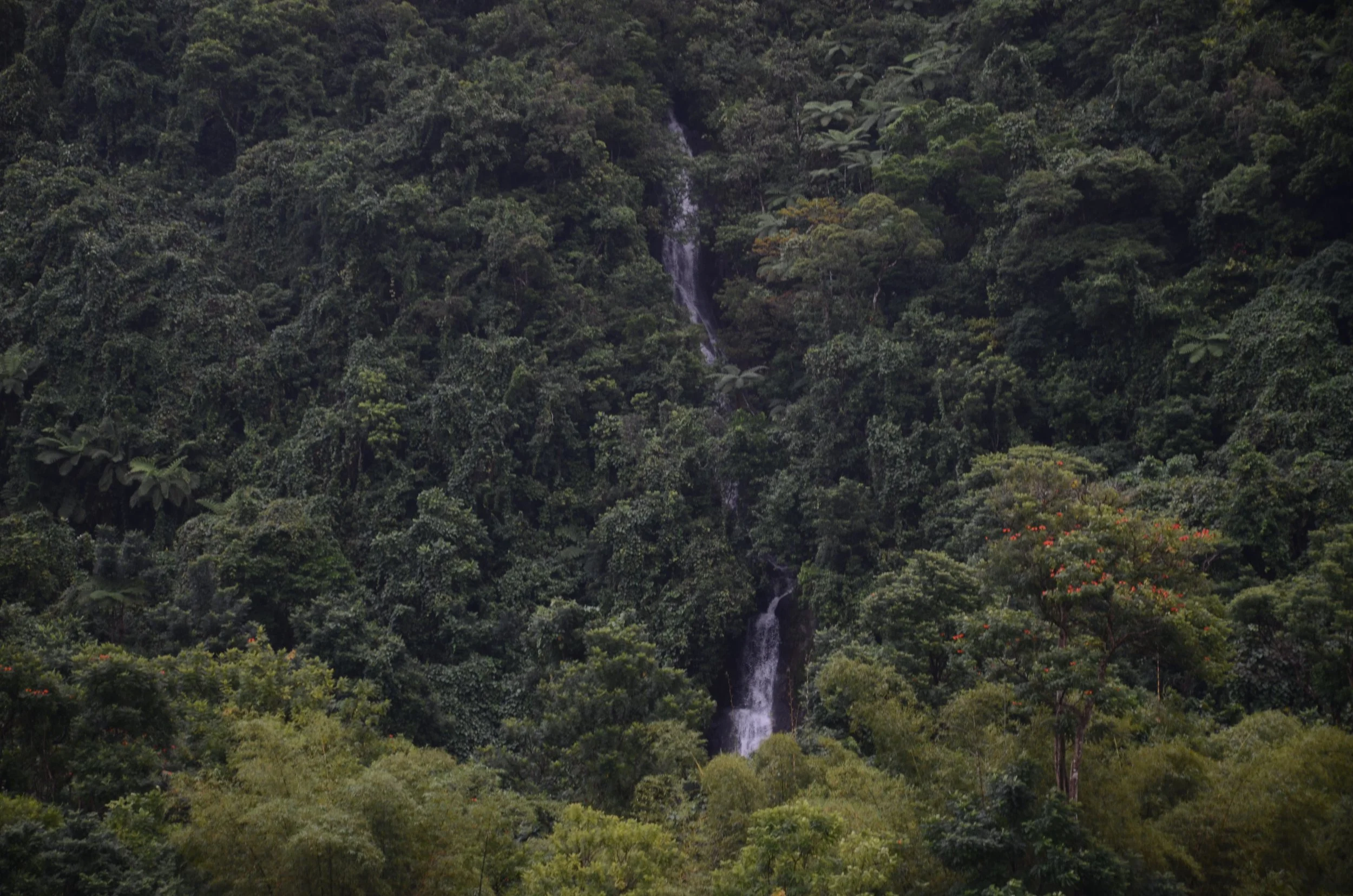
There’s a concept in behavioural psychology called the “peak-end rule” – which is essentially that people only really remember two elements of an experience: the best moment and the last moment. So I was feeling a bit nervous coming into this project because it was our last and I really wanted us to end on a high note – hoping to leave us with positivity and a desire to continue to serve others in the future. We had just had such an amazing time in Australia, that I was anxious about how we would fare coming back into a volunteer reserve. I feel so blessed that this was our last official project of this trip. The quality of the team, the impact the project has, the food, accommodation and relationships with the other volunteers were among the best of any project we have had so far. It feels perfect that we sign off on the official volunteering at this point in our travels. We remain in contact with the volunteer program and the Fiji Shark Lab and are excited to be funding some work that will enhance their goals further.
What our day looked like
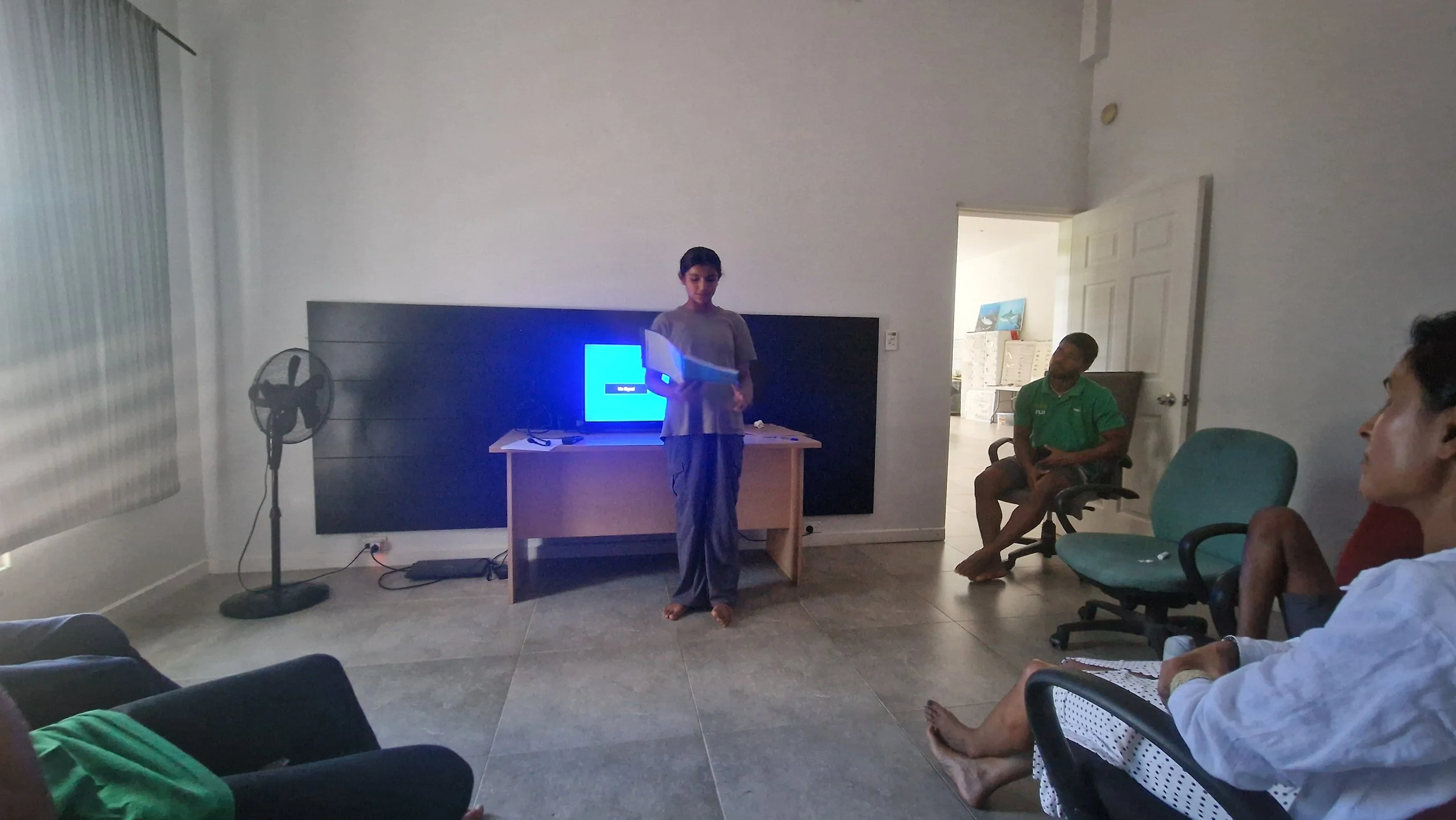
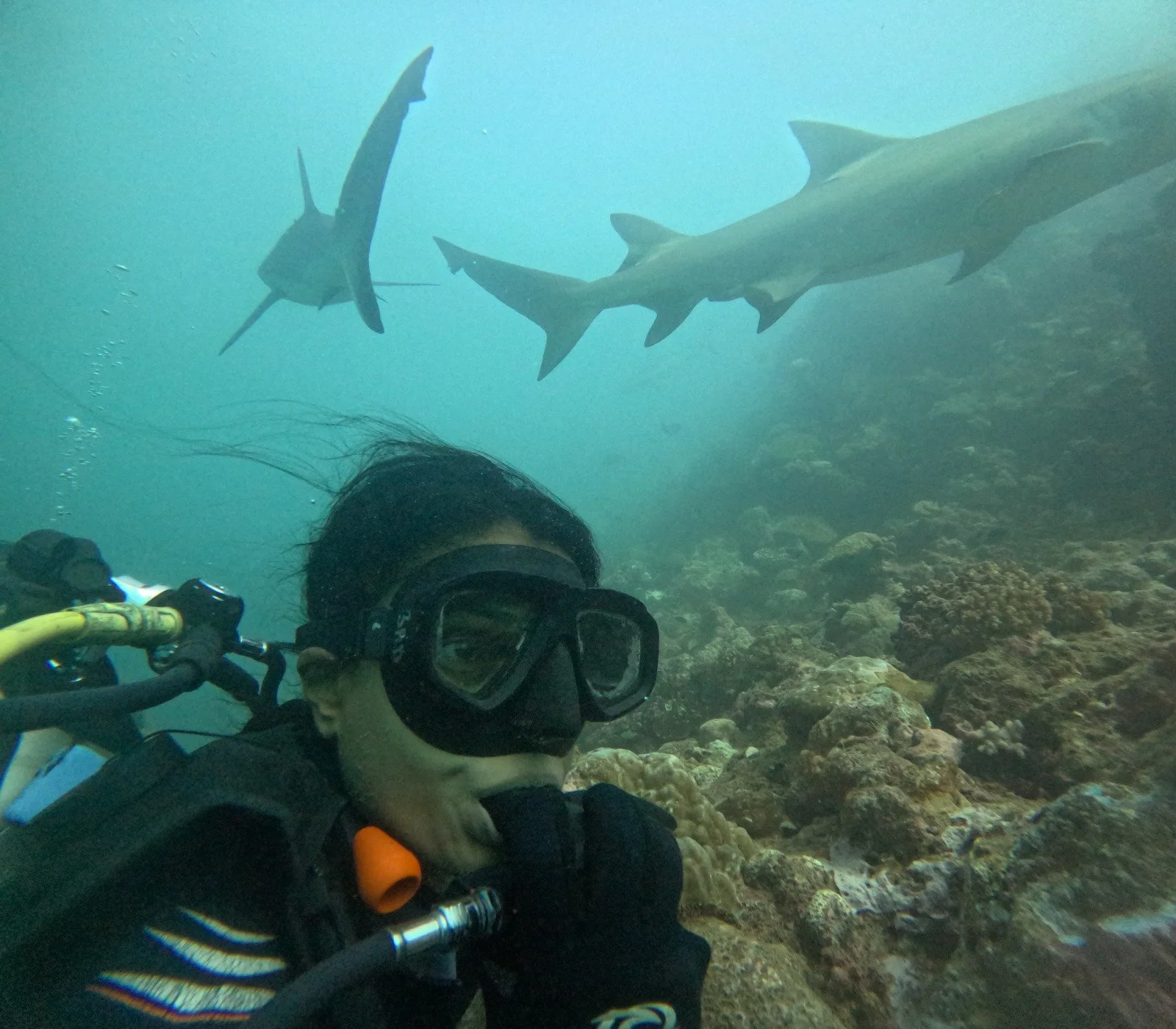
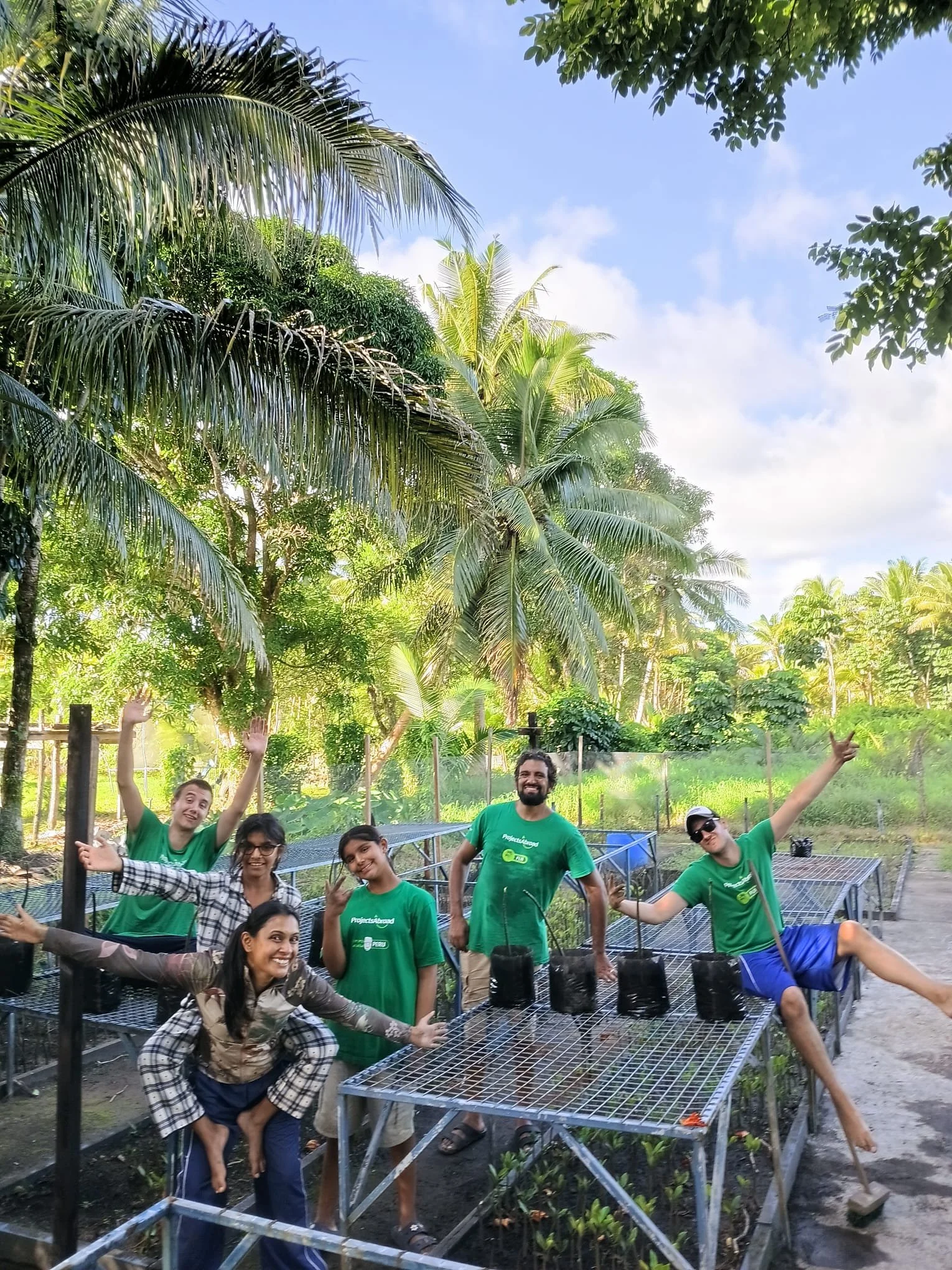
We would conduct reef monitoring dives twice a week, and go on a shark dive on Sunday. We would go in the morning, and then do the data collection in the afternoon. On the other days, we would have different activities, such as mangrove planting, beach clean-ups, cultural education and workshops.
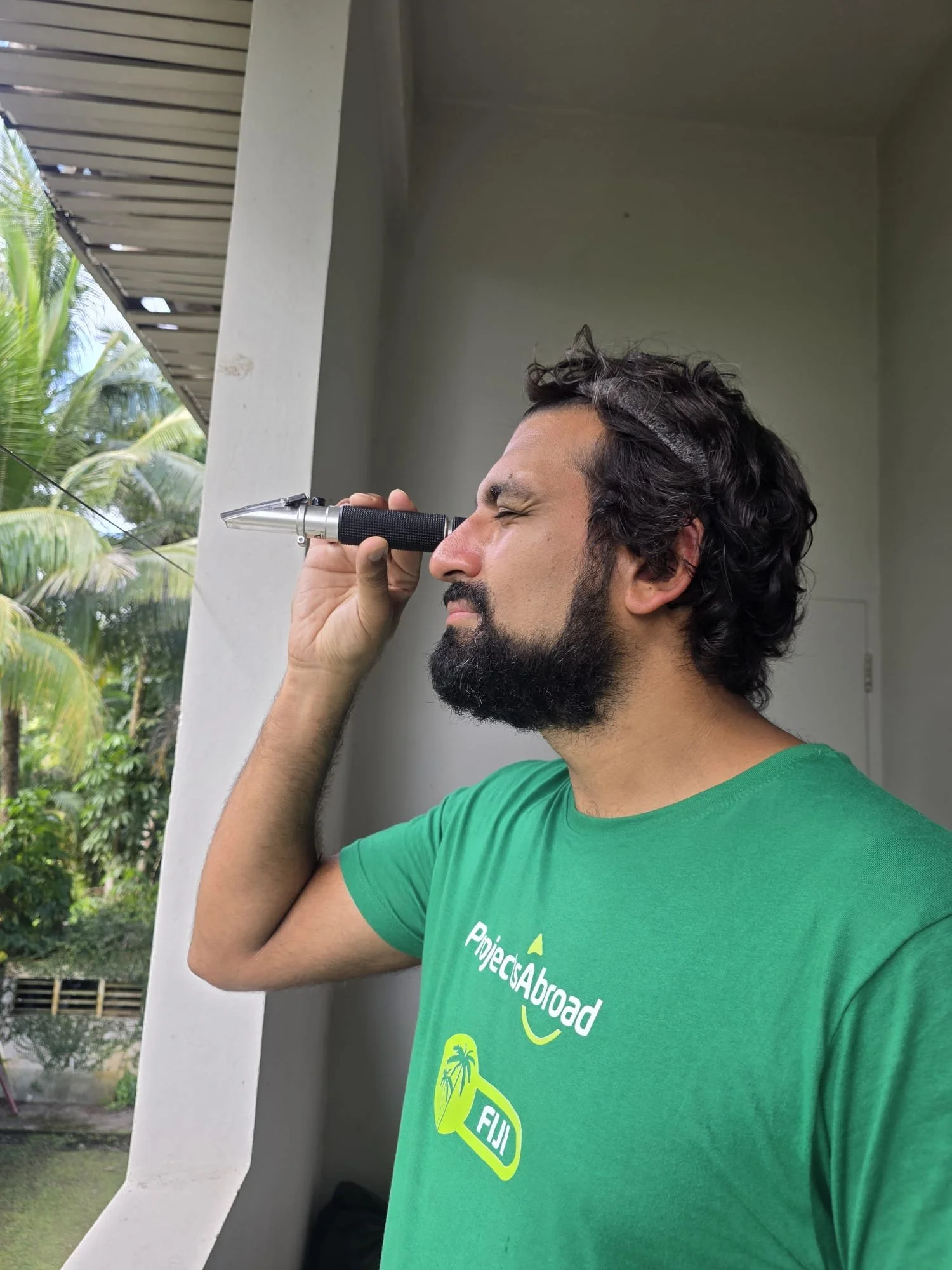
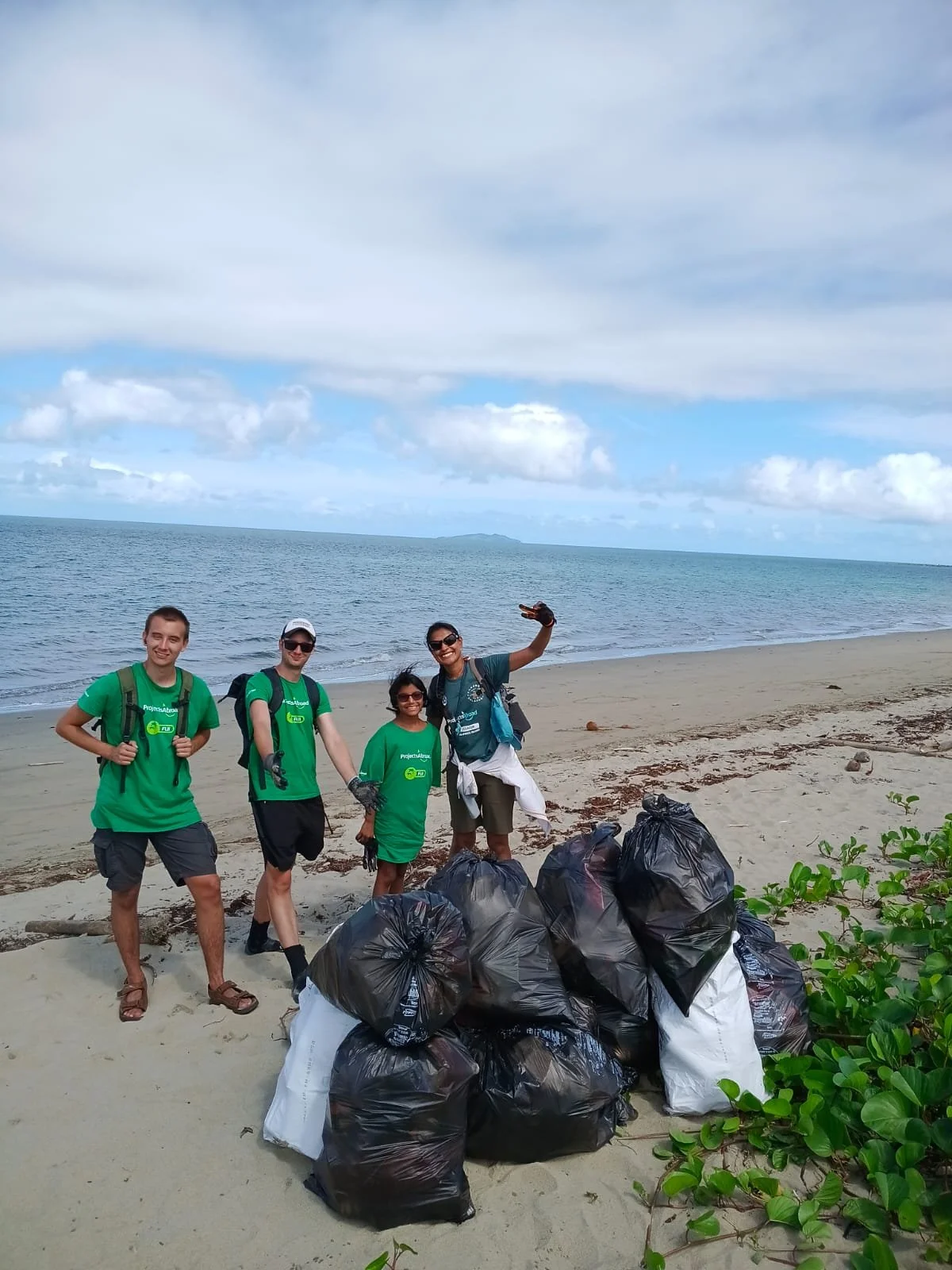
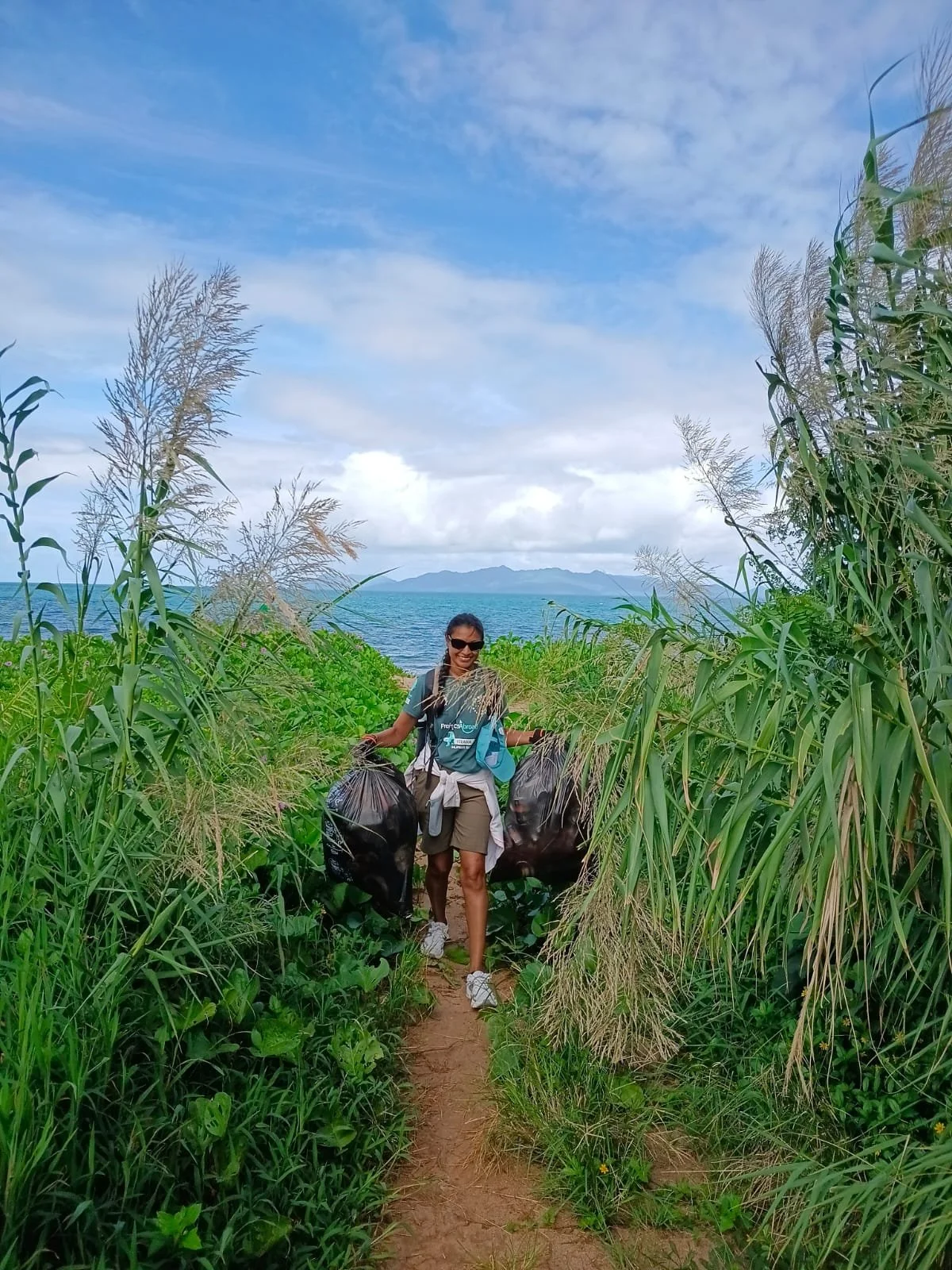
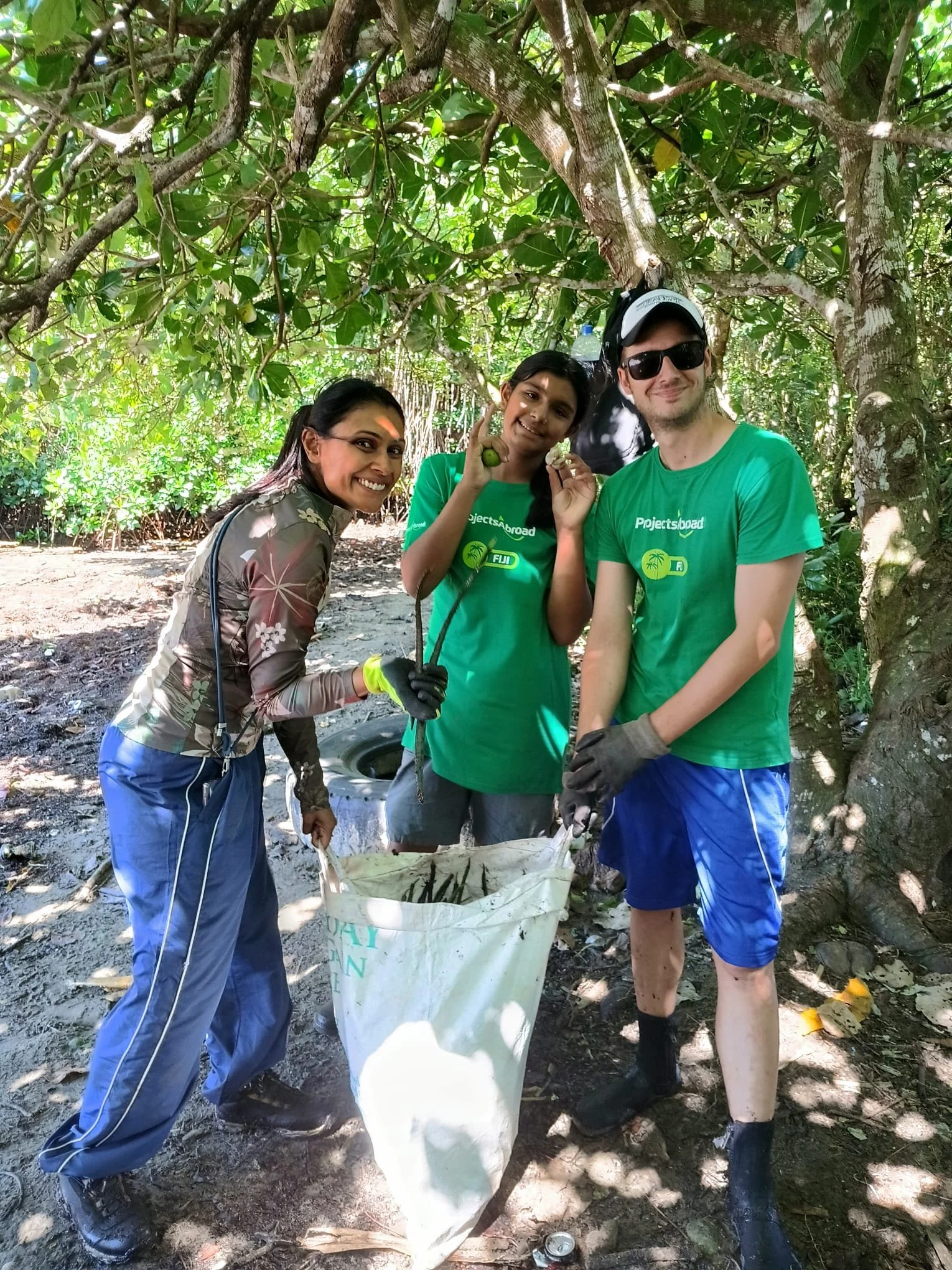
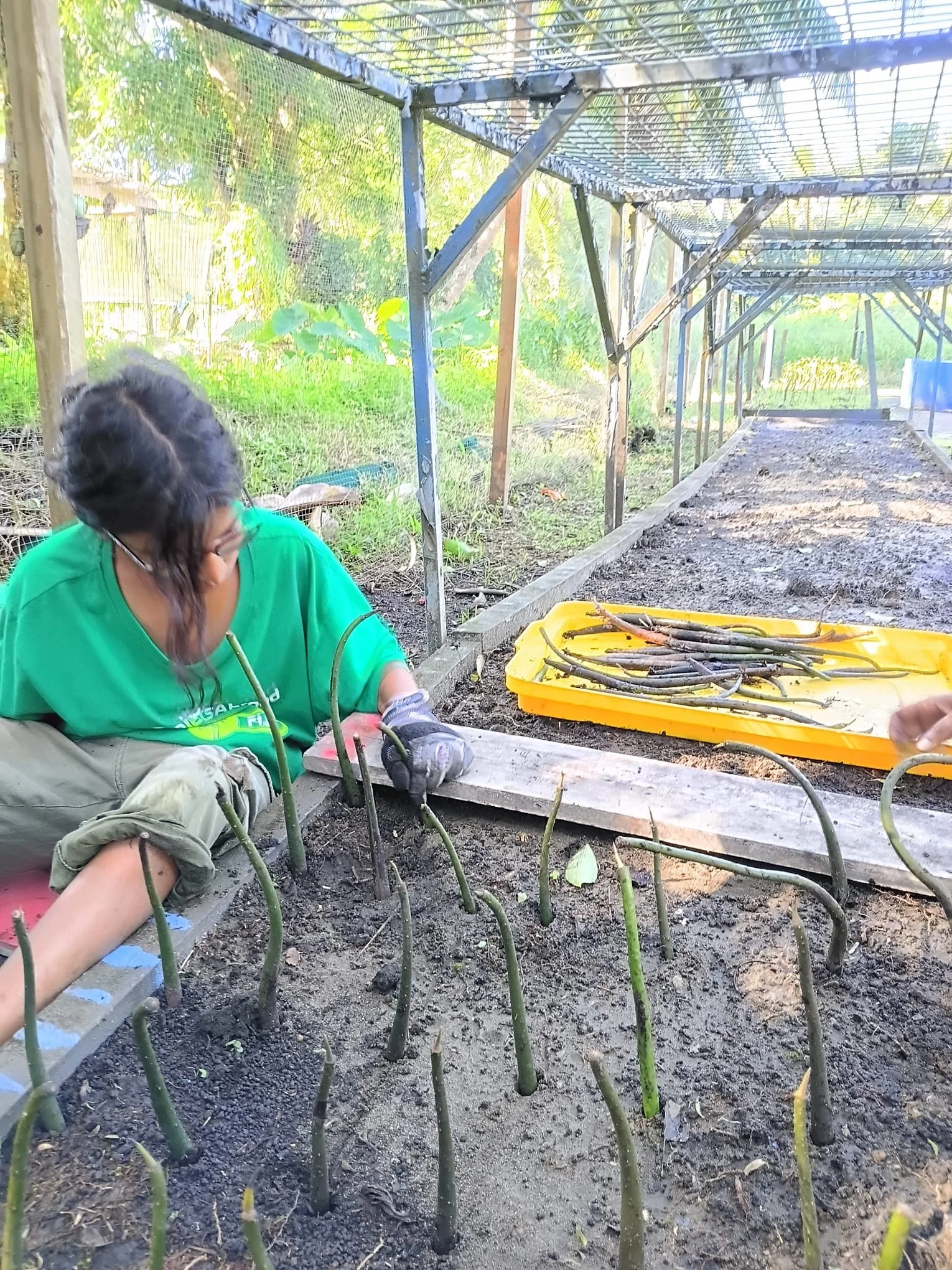
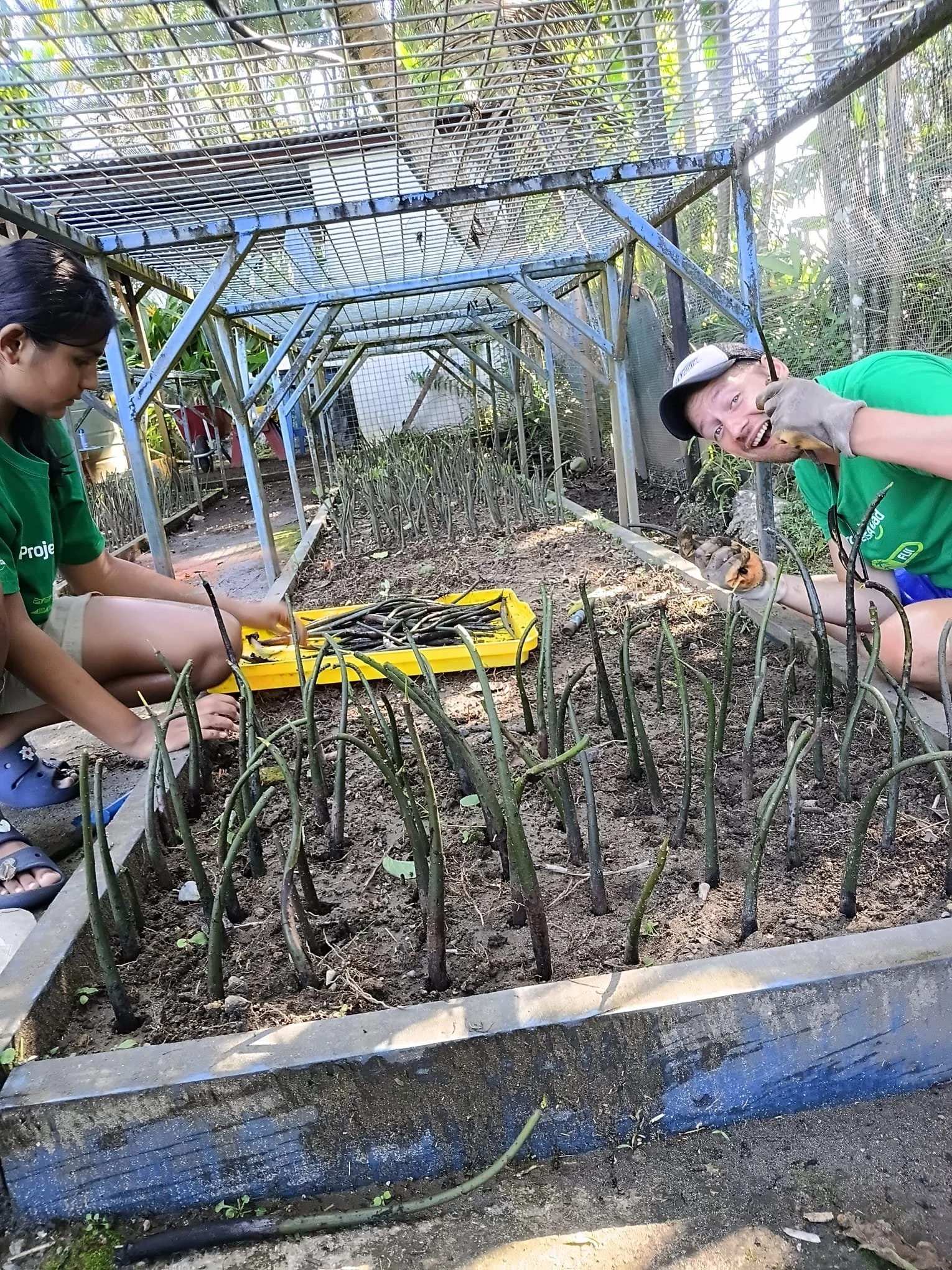
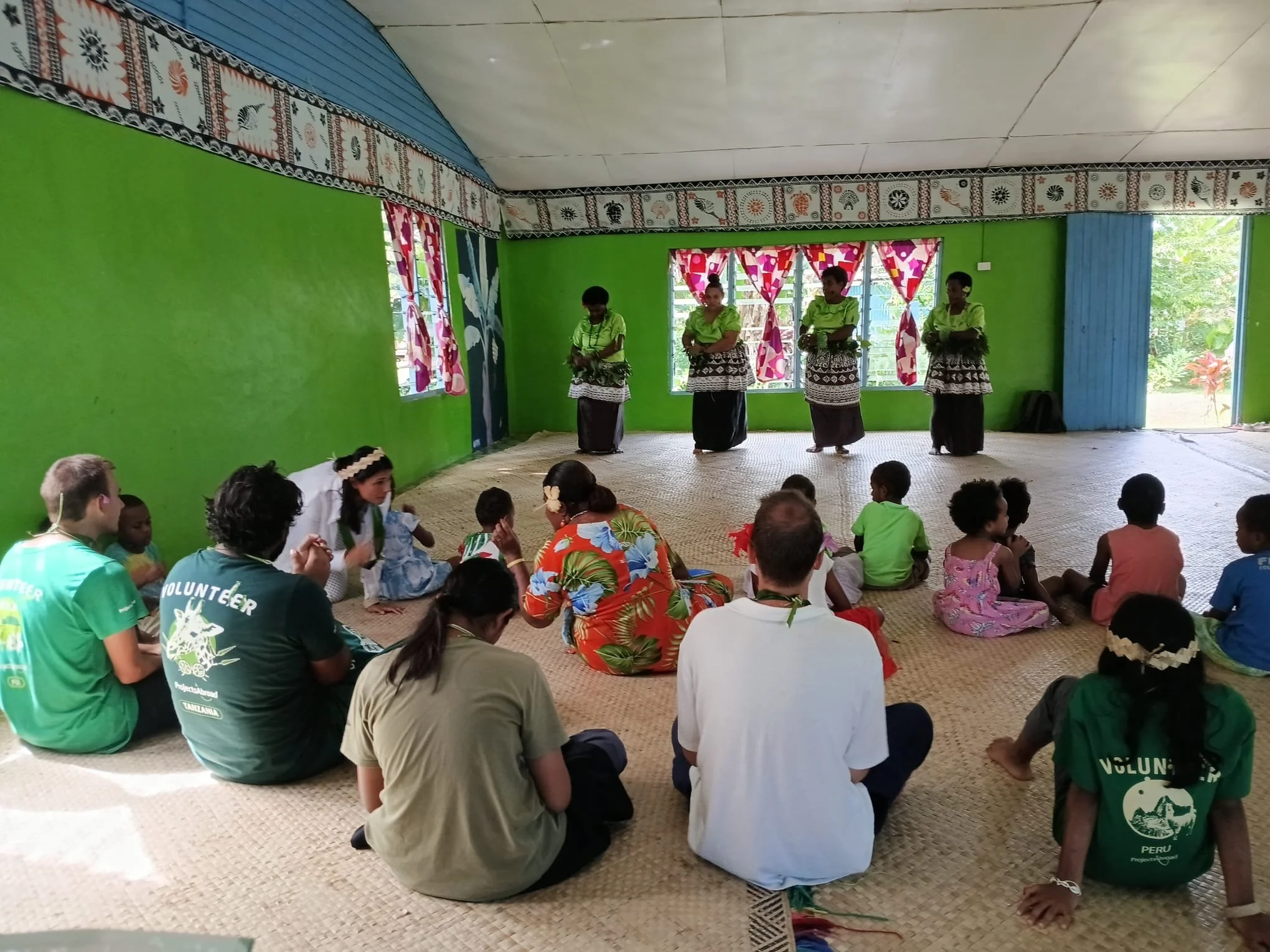
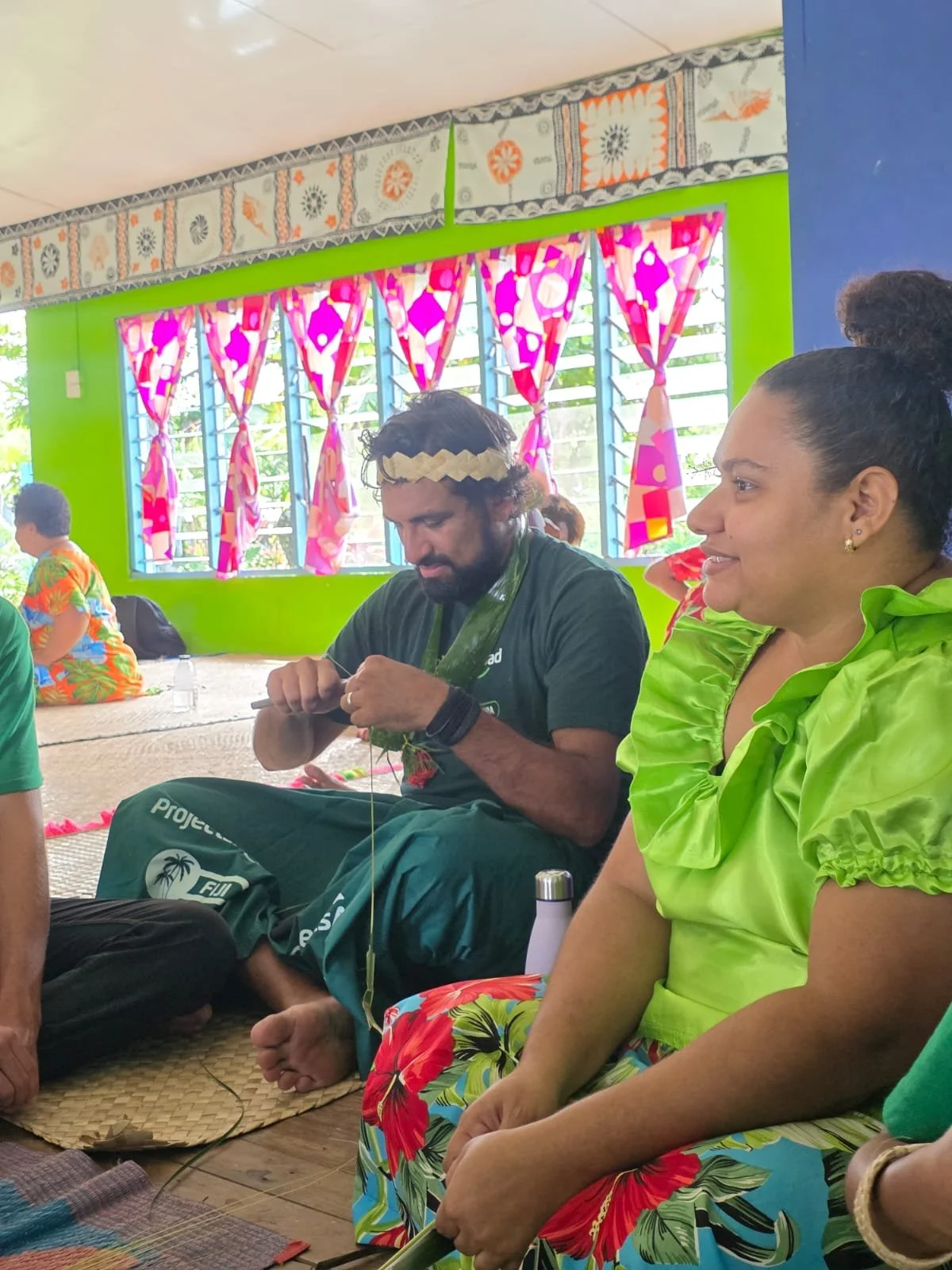
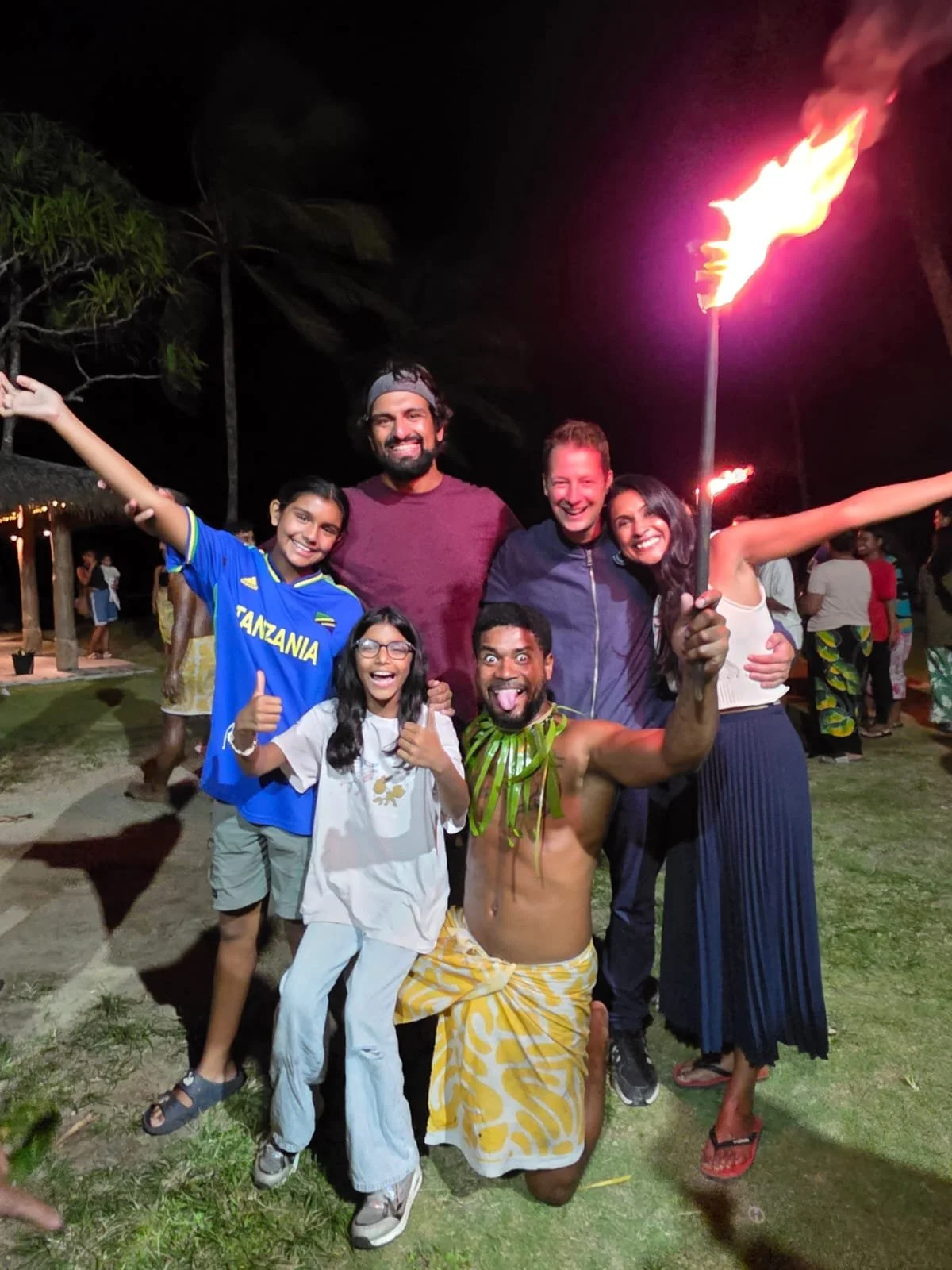
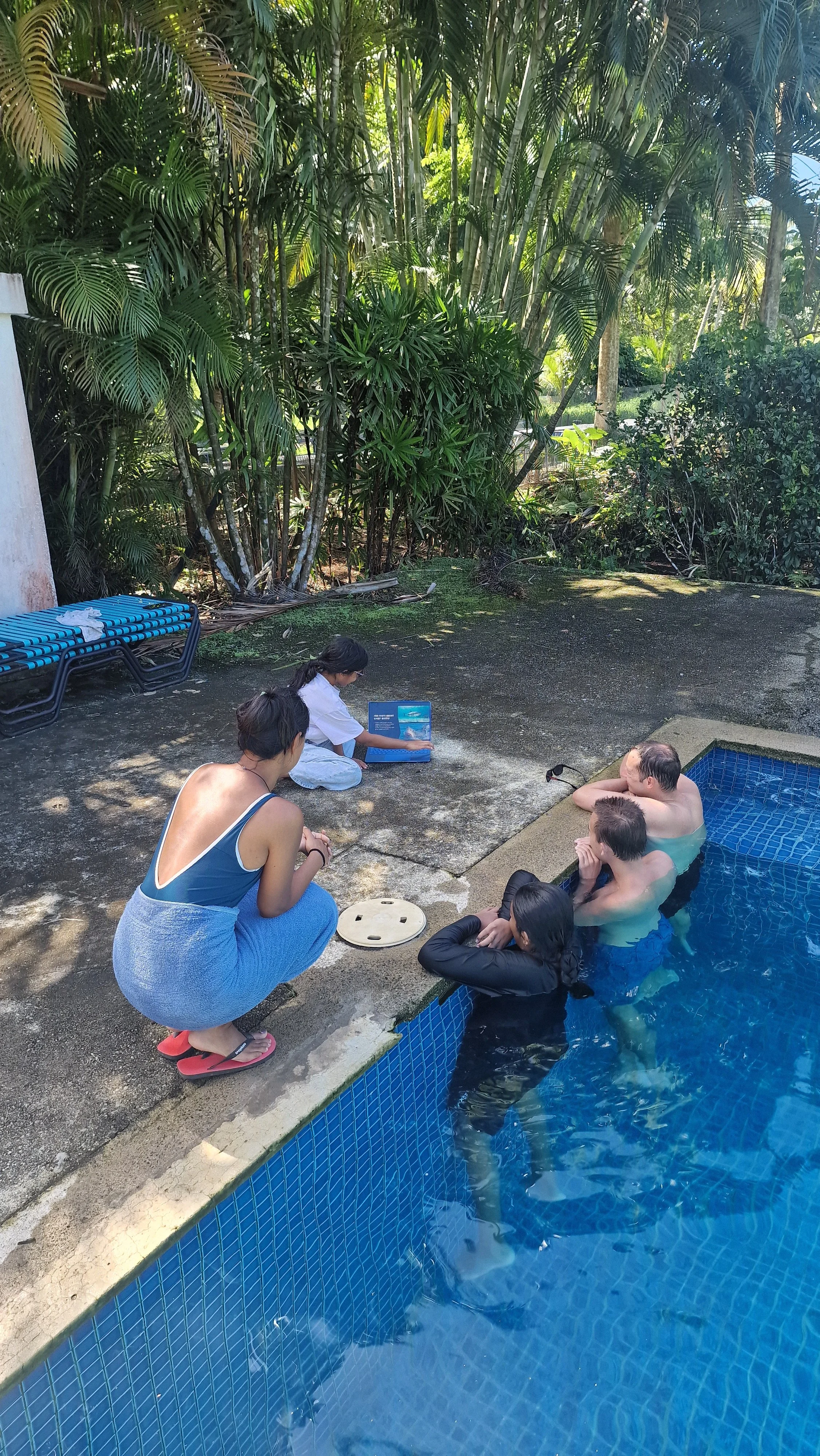
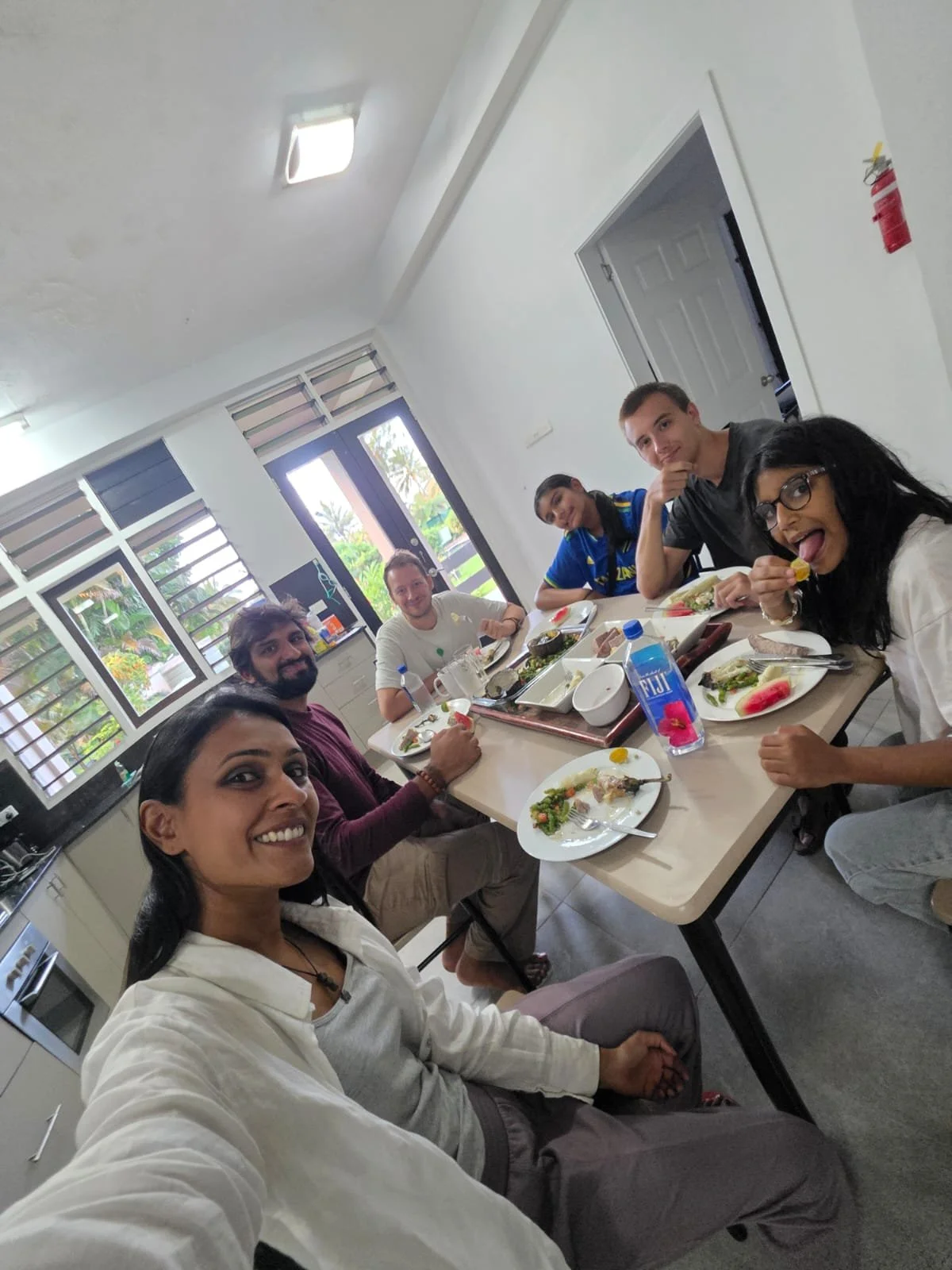
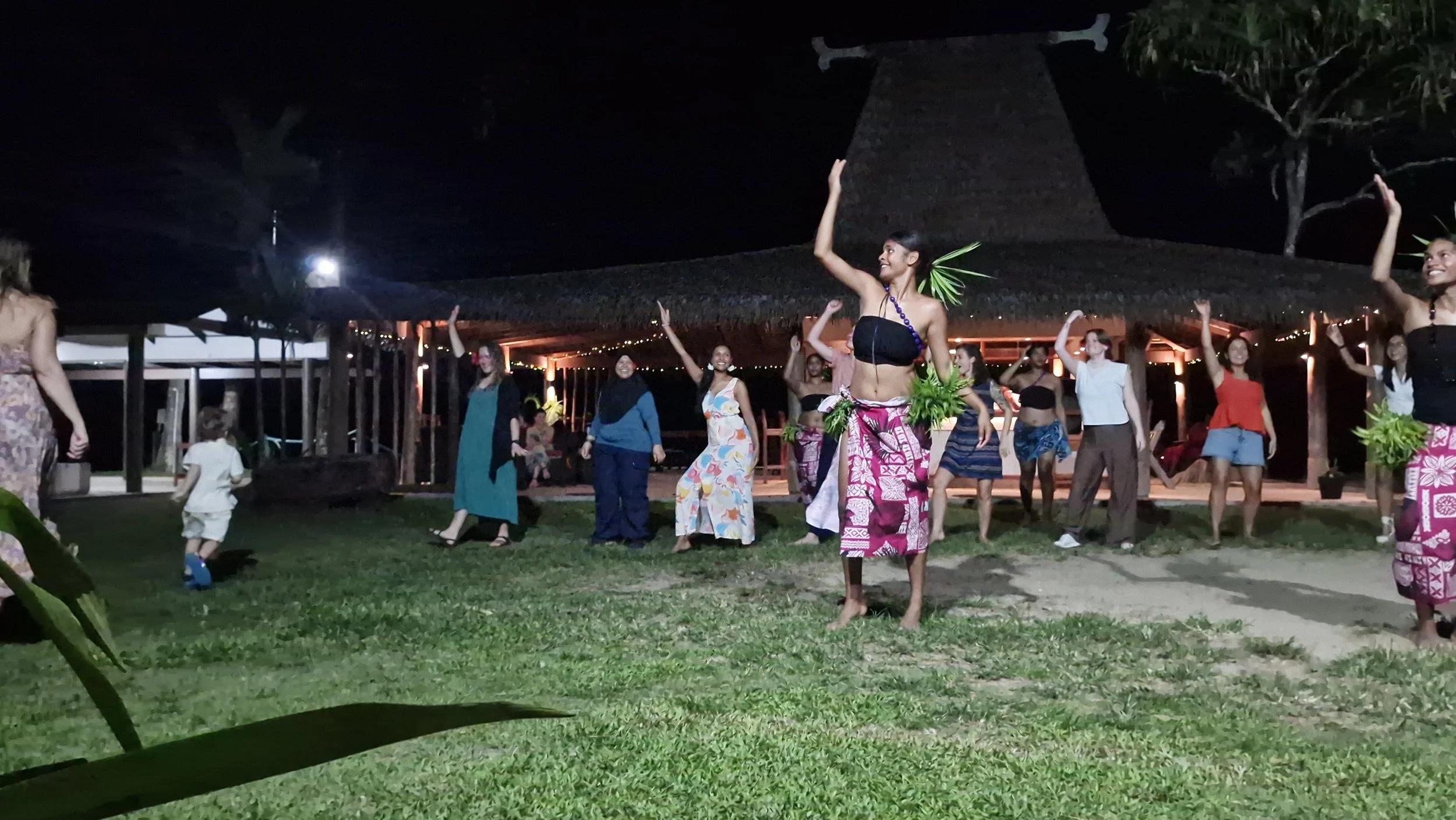
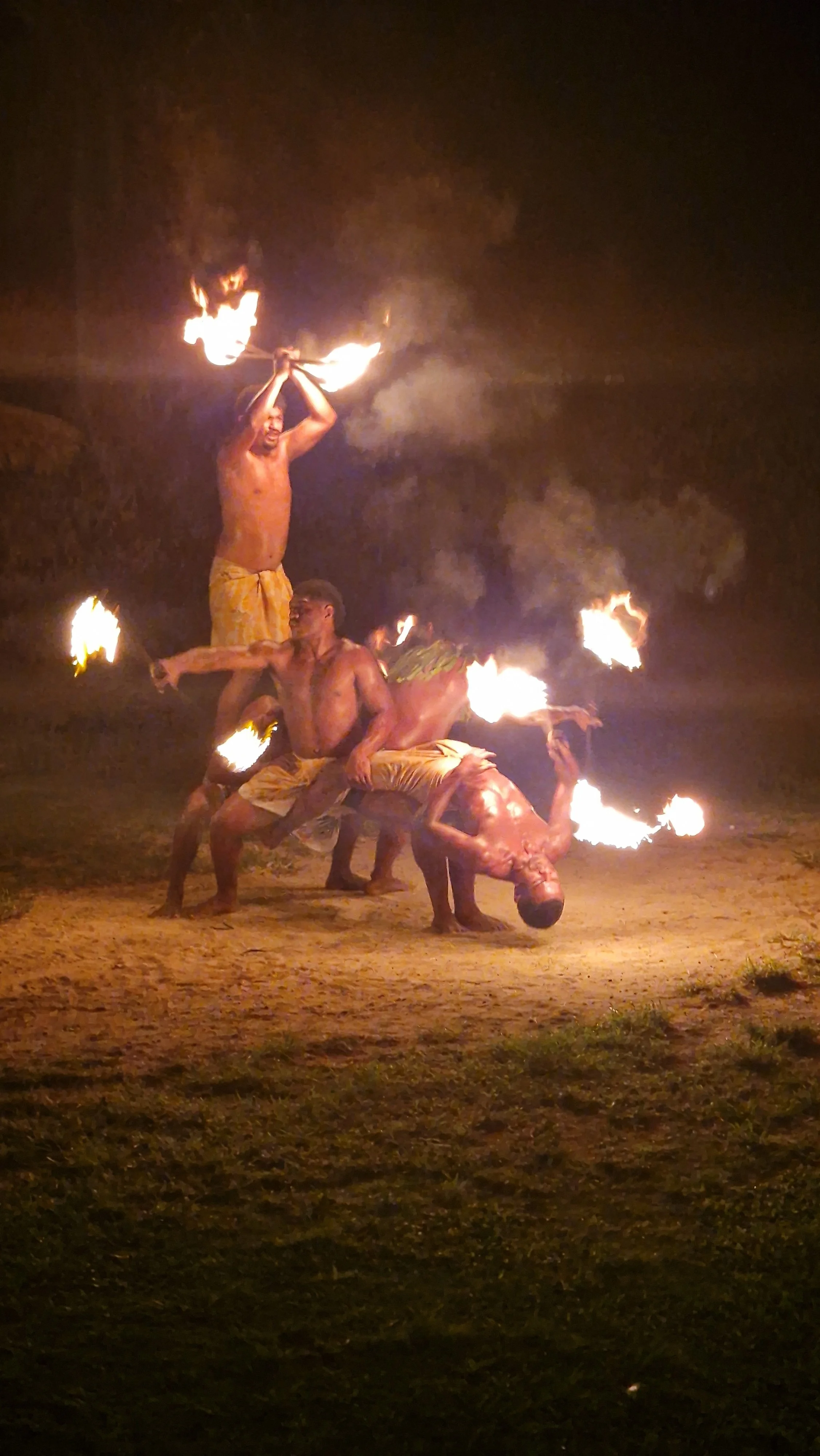
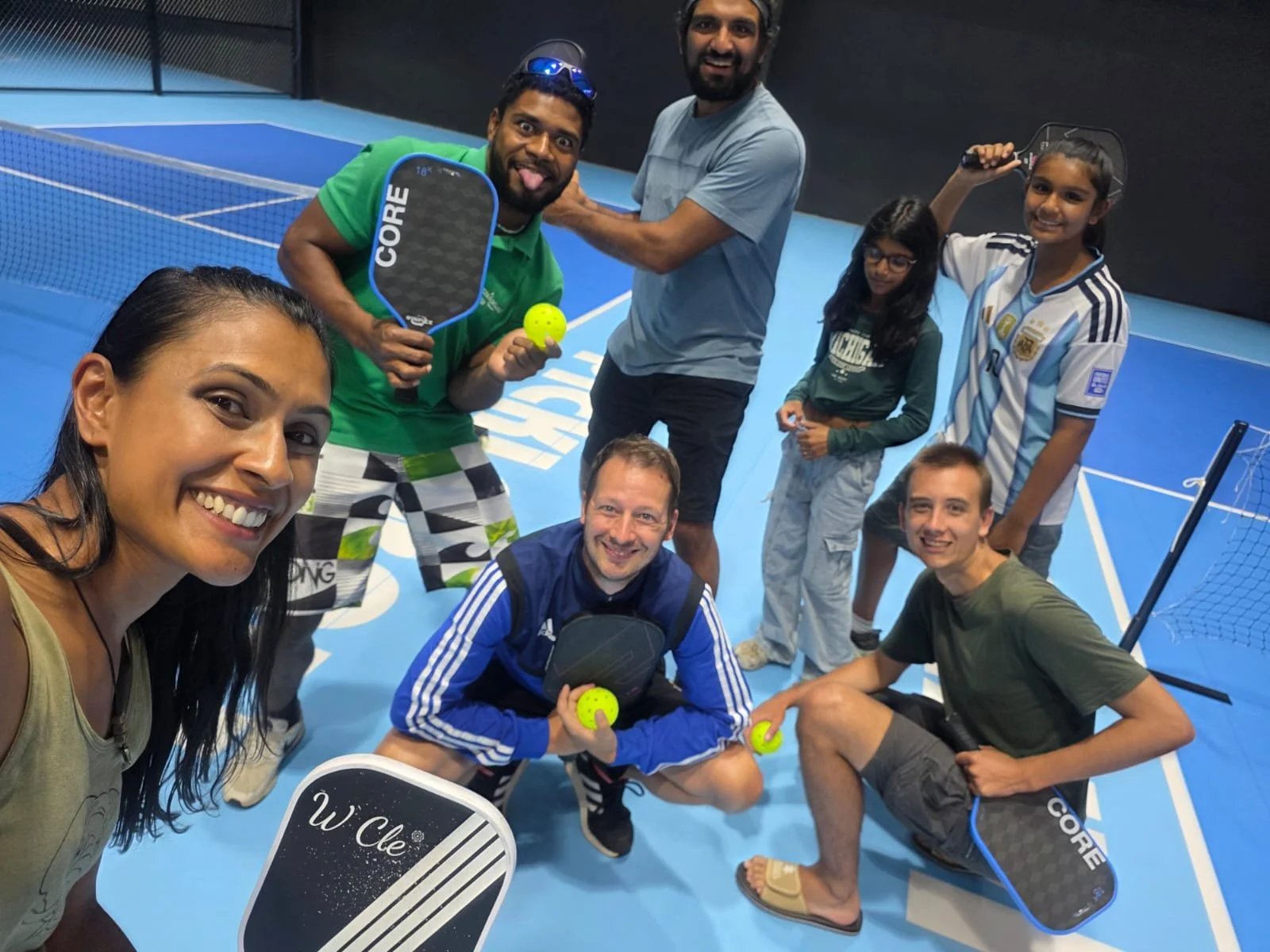
We had a good amount of down-time, and plenty of options have fun – whether in the swimming pool in the reserve, or walking down to the beach. We also played pickleball, football and went to a fire dancing show. It was wonderful to spend time with the volunteers and have this time together.
Who we met:
Sasha – a volunteer from Germany. Sasha is a kind and gentle soul – in his hometown of Hamburg he coaches football and works as a mentor and guide to assist in the rehabilitation of youth offenders. I can see why Sasha would be so great at this – he is naturally so compassionate and caring, and has a lovely way of being curious in conversation without any judgement. He left home behind and came travelling to fulfil a life-long ambition of working with sharks – it’s a very inspiring story and we are keen to see where his path leads him. We had a lot of fun together, and deep conservations about life, purpose and philosophy.
Rink Loki – the other volunteer with us, Rink is a student from Amsterdam and was here for 2 months before we arrived, and will stay for approximately 4 months as part of his conservation management degree. Rink is very intelligent and was so helpful to us in getting acclimated to the reserve. He is very funny and up for anything – at the time of writing he is a proud three-time champion of the Uprising fire dance show. We will carry the Narwhal song with us for a while!
Mike – our project co-ordinator and main contact from Projects Abroad. Mike is a man of so many talents – he is a fantastic diver, deeply knowledgeable about the marine life, a fire dancer, a landscape gardener and works in construction. He is passionate about the mangrove planting, and works so hard every day. It was such a pleasure to get to know him and hear his story.
Sydney – our dive master and teacher for the PADI Advanced. Sydney is originally from Canada, and settled in Fiji many years ago – initially working for Projects Abroad before becoming a dive instructor. She is a fantastic teacher with a really warm personality – and she spread her love of the small things in the ocean to us. We will think of her when we see any Nudibranch 😊
Natasha – the head of the Fiji Shark Lab – originally from New York where she was a lawyer, she came to Fiji as a volunteer and decided to change career. So passionate about the protection of the reef, it was really inspiring to hear about her journey and the work she is passionate about.