Australia - ClimateForce, Daintree (14- 27 April 2026)
Our two weeks with ClimateForce was really special on many levels. We have been involved with ClimateForce for several years, so our time here was a bit of a hybrid –we weren’t strictly “volunteers” (although we did some volunteering on the farm) and we definitely weren’t just tourists (although we got to see and explore the local areas, and didn’t have to wake up at 6am every day!). We were there as co-creators, supporters and owners.
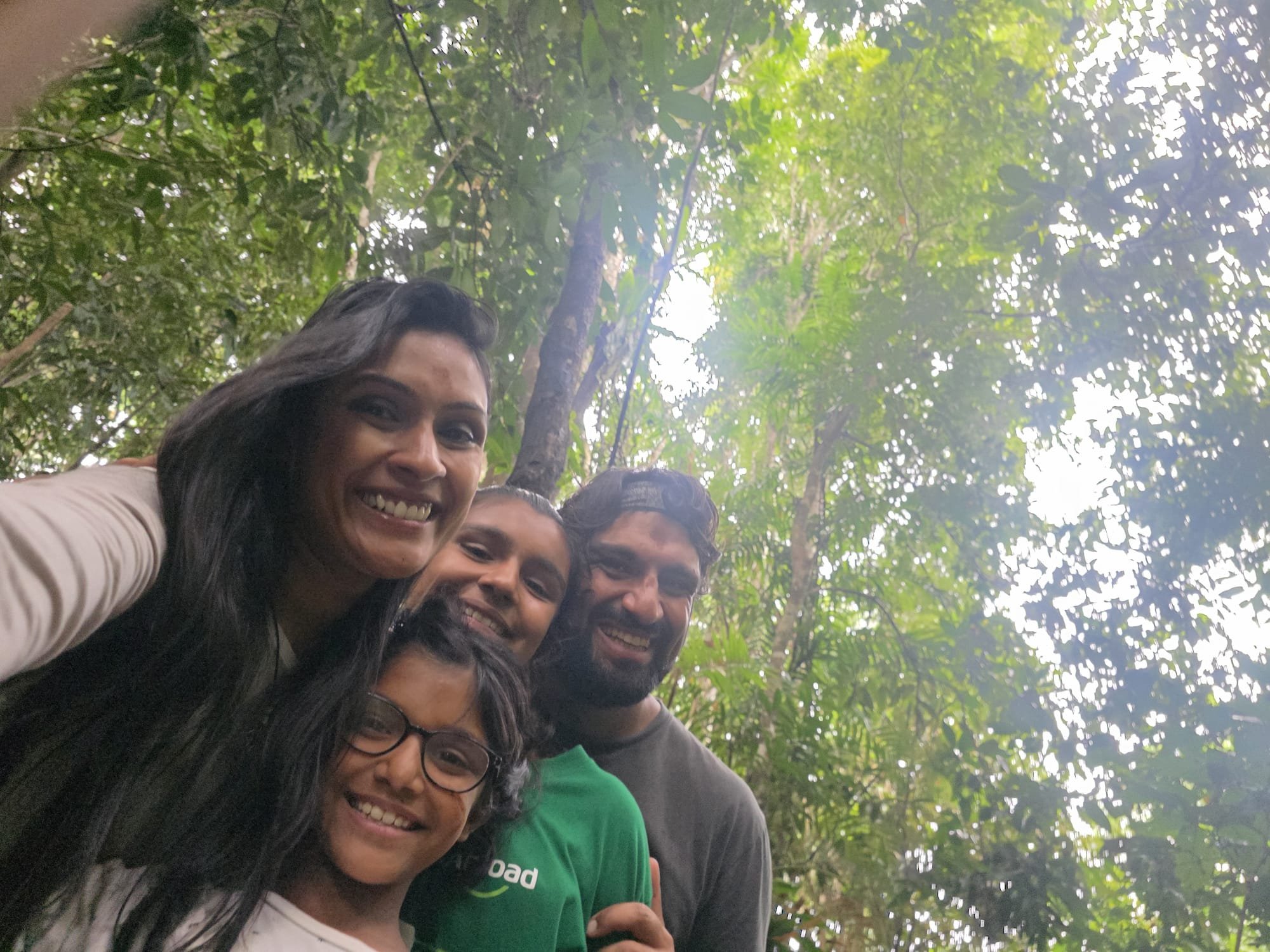
I first got involved in ClimateForce six years ago. I stumbled across Barney (the founder and CEO) when he was a guest on a podcast that George created (The Call To Adventure Podcast) in mid-2020. Listening to Barney that first time – who was coming at sustainability from a very different angle to me as an adventurer turned eco-activist – was enlightening, and I reached out to George for Barney’s contact details and we set up a call. I had no idea where it would lead, but I knew there was so much to learn and share. Moved by his drive, devotion and vision, I had an instinct he would carve an interesting path and would do really important work. Over the next few years, we kept in touch and our family has supported ClimateForce (philanthropically) when they needed some additional funding to enhance their operations – we helped them buy their first tractor and get a solar power system so that they could be more energy independent being off-grid. This trip is the first time we have been there in person – it was magic to be on the ground and seeing their work and how far they have come. (The girl’s also interviewed Barney for their podcast - which felt like we were coming full circle!).
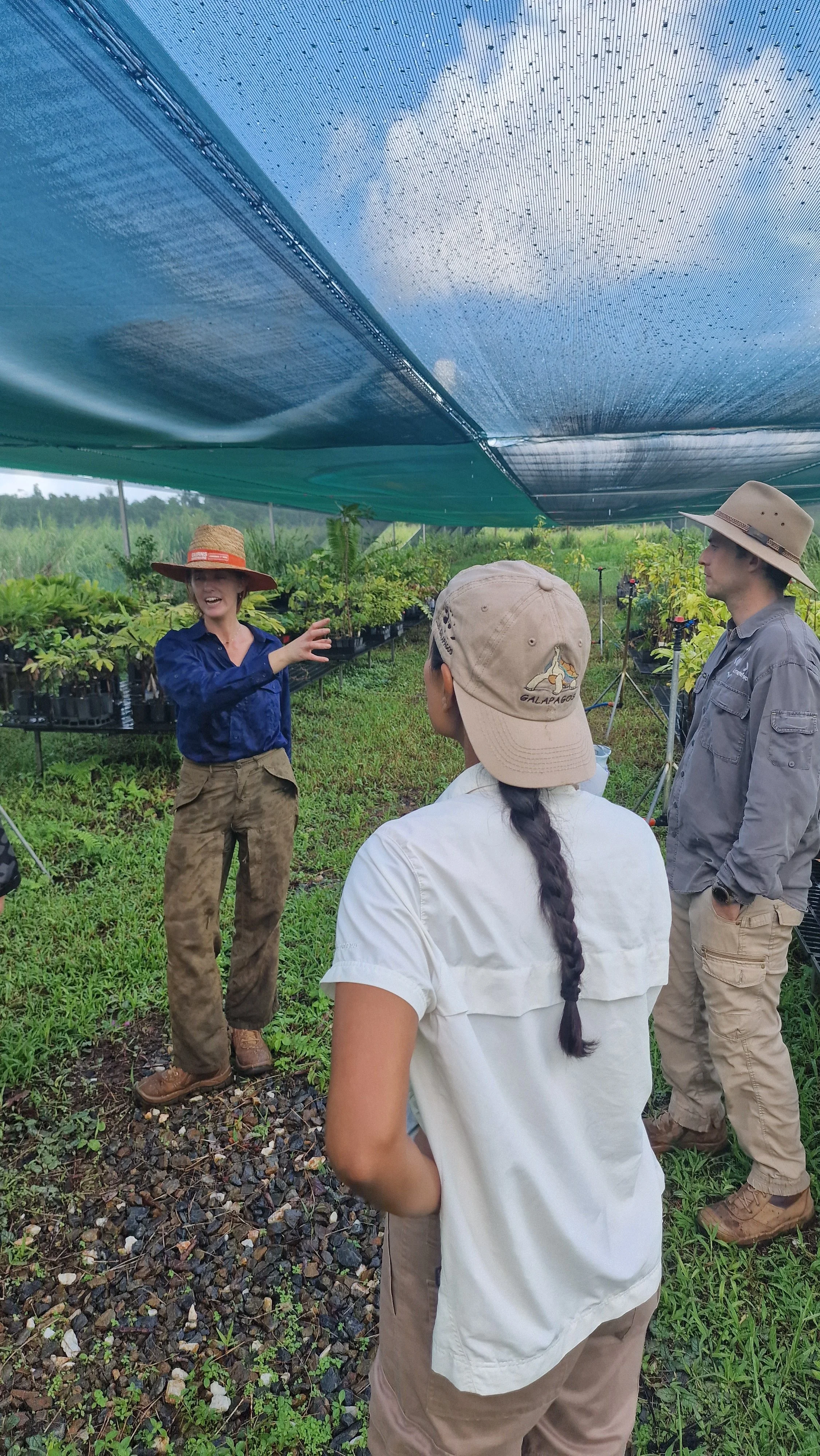
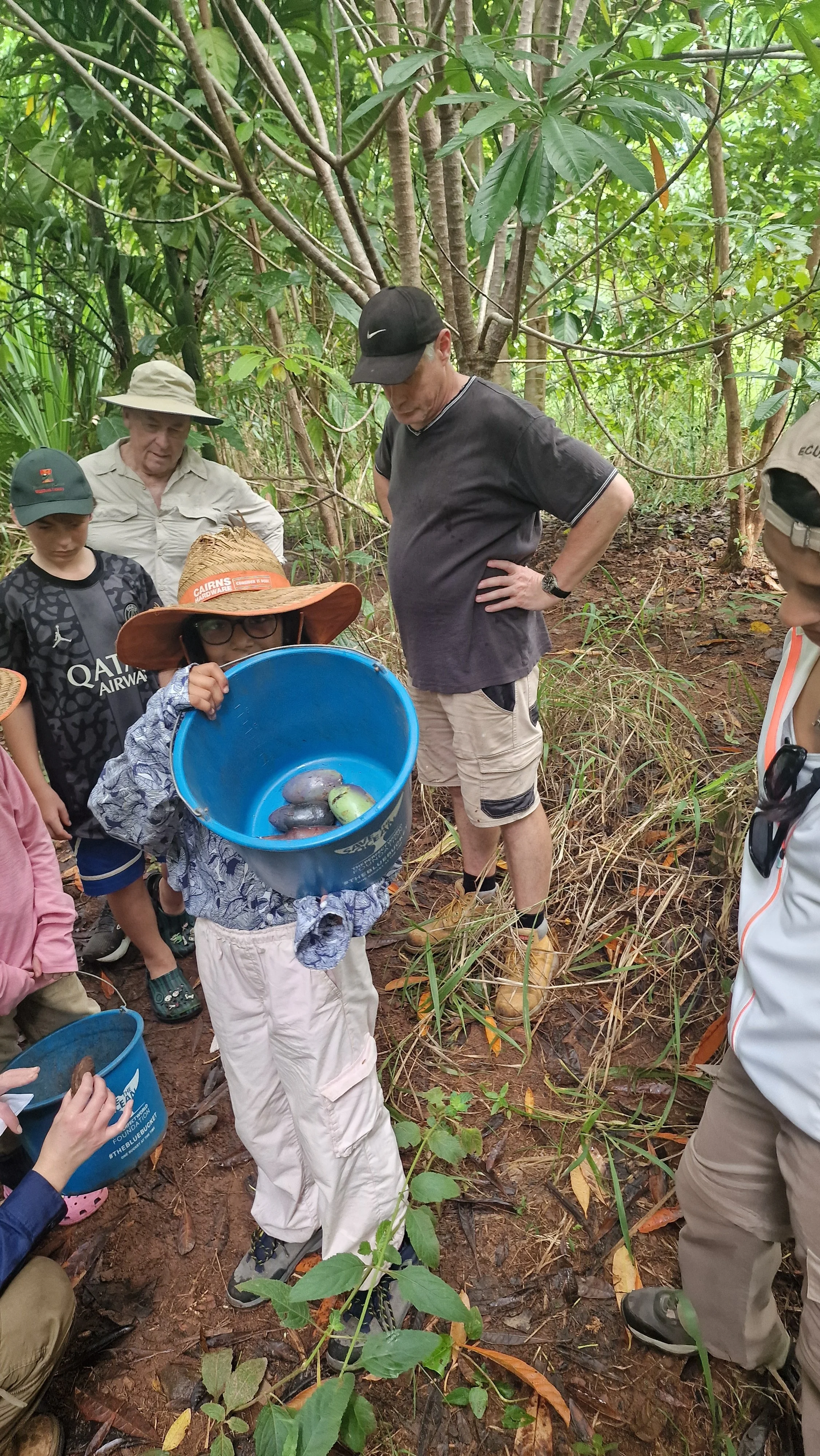
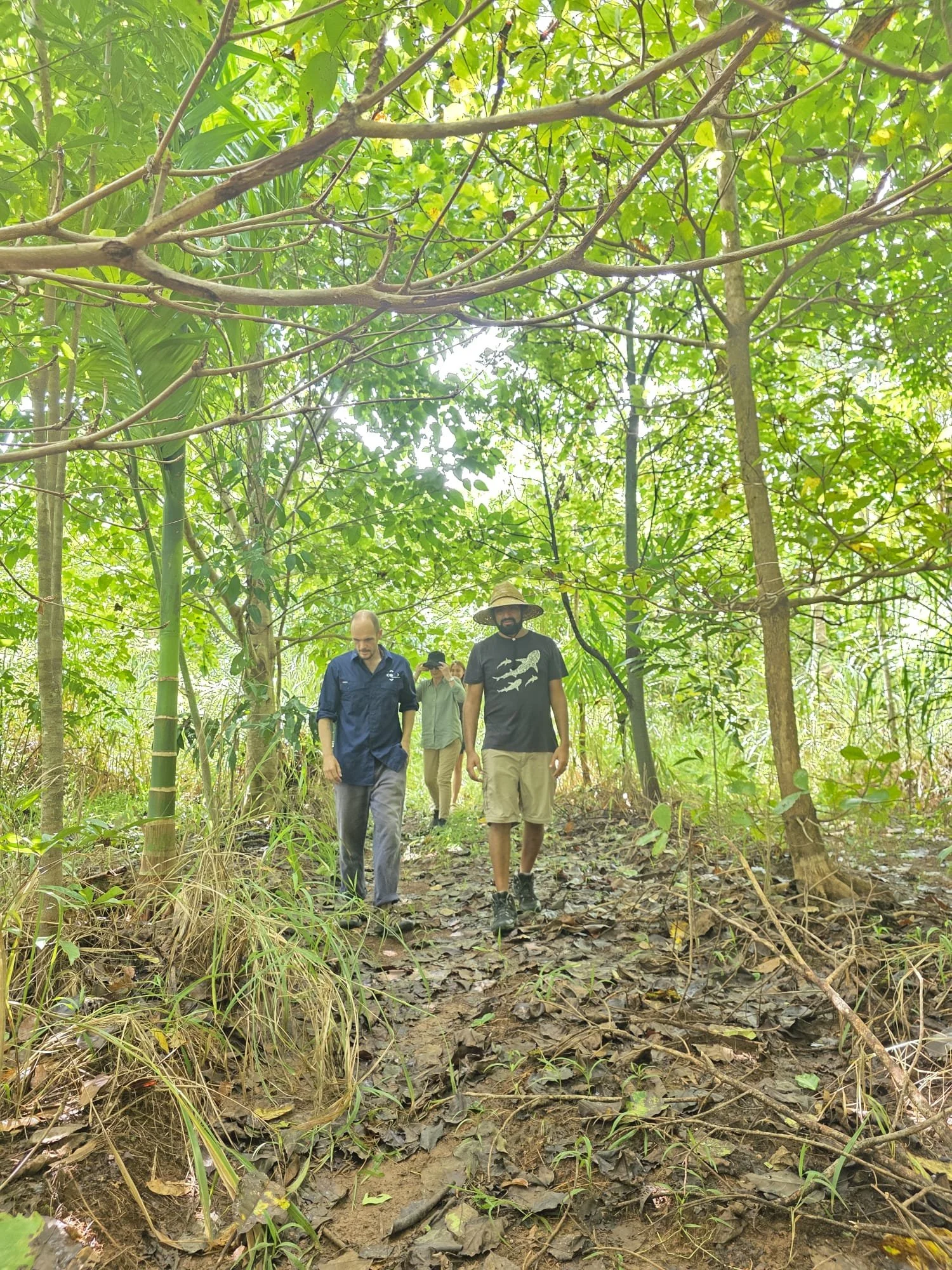
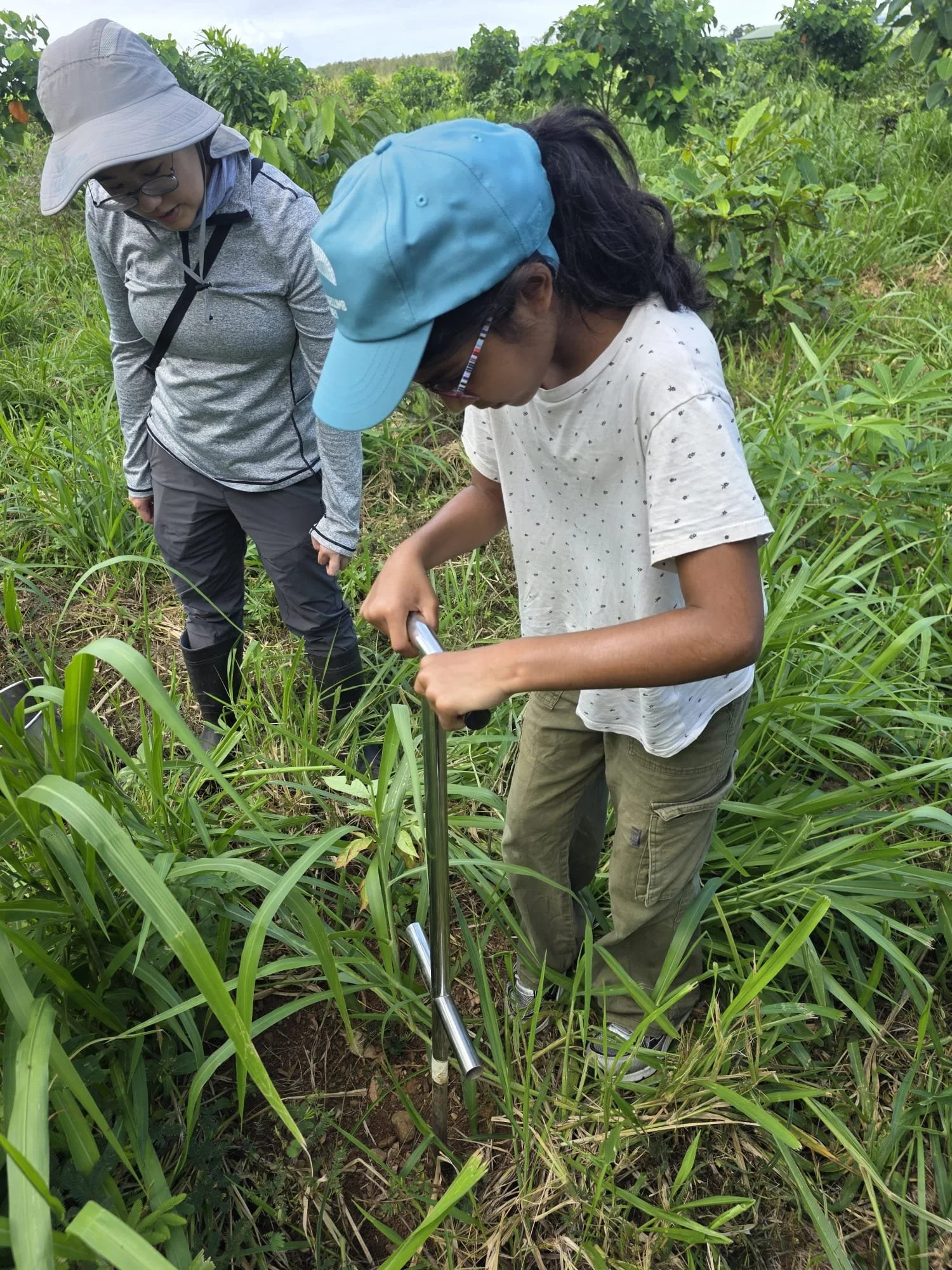
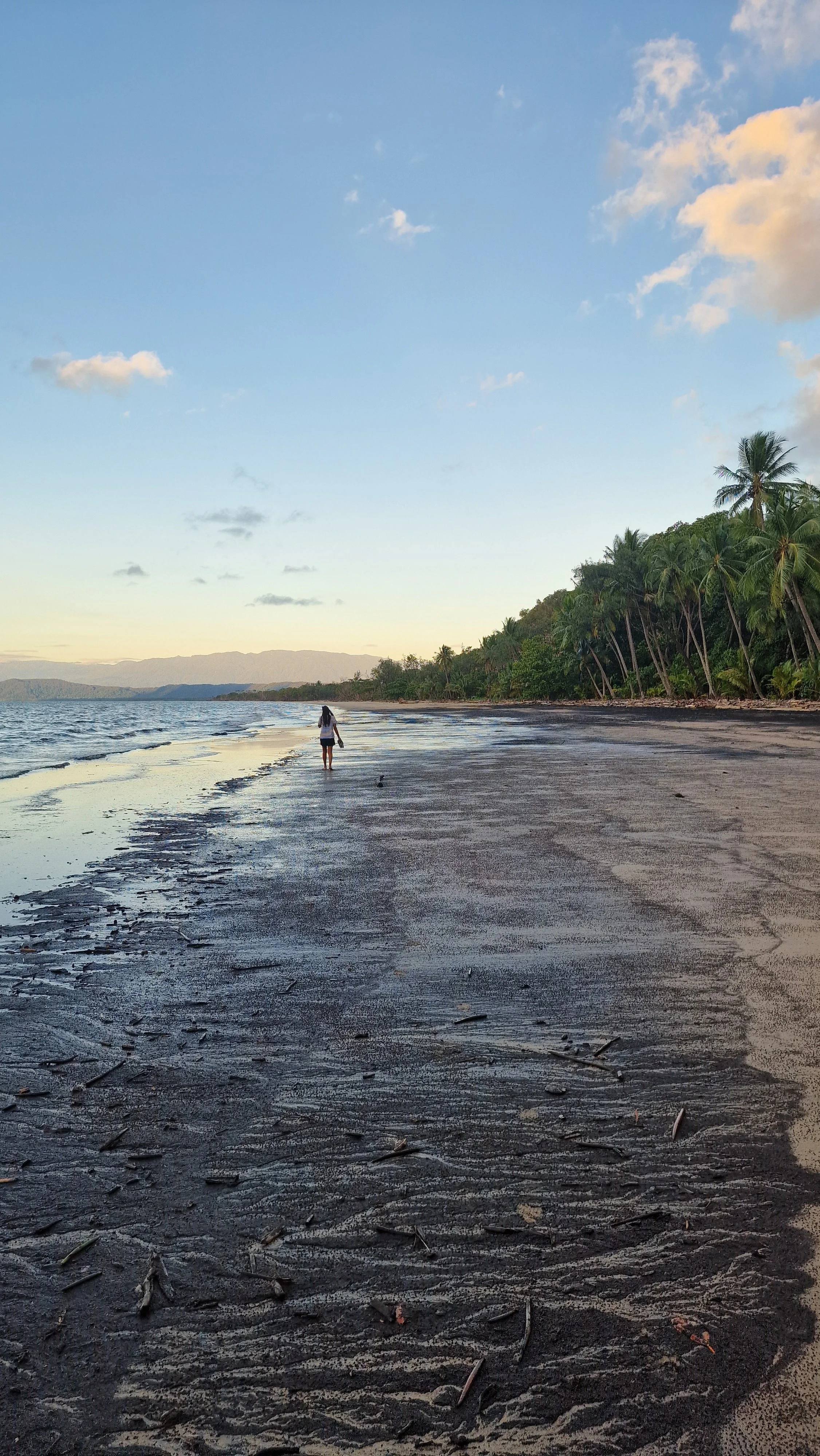
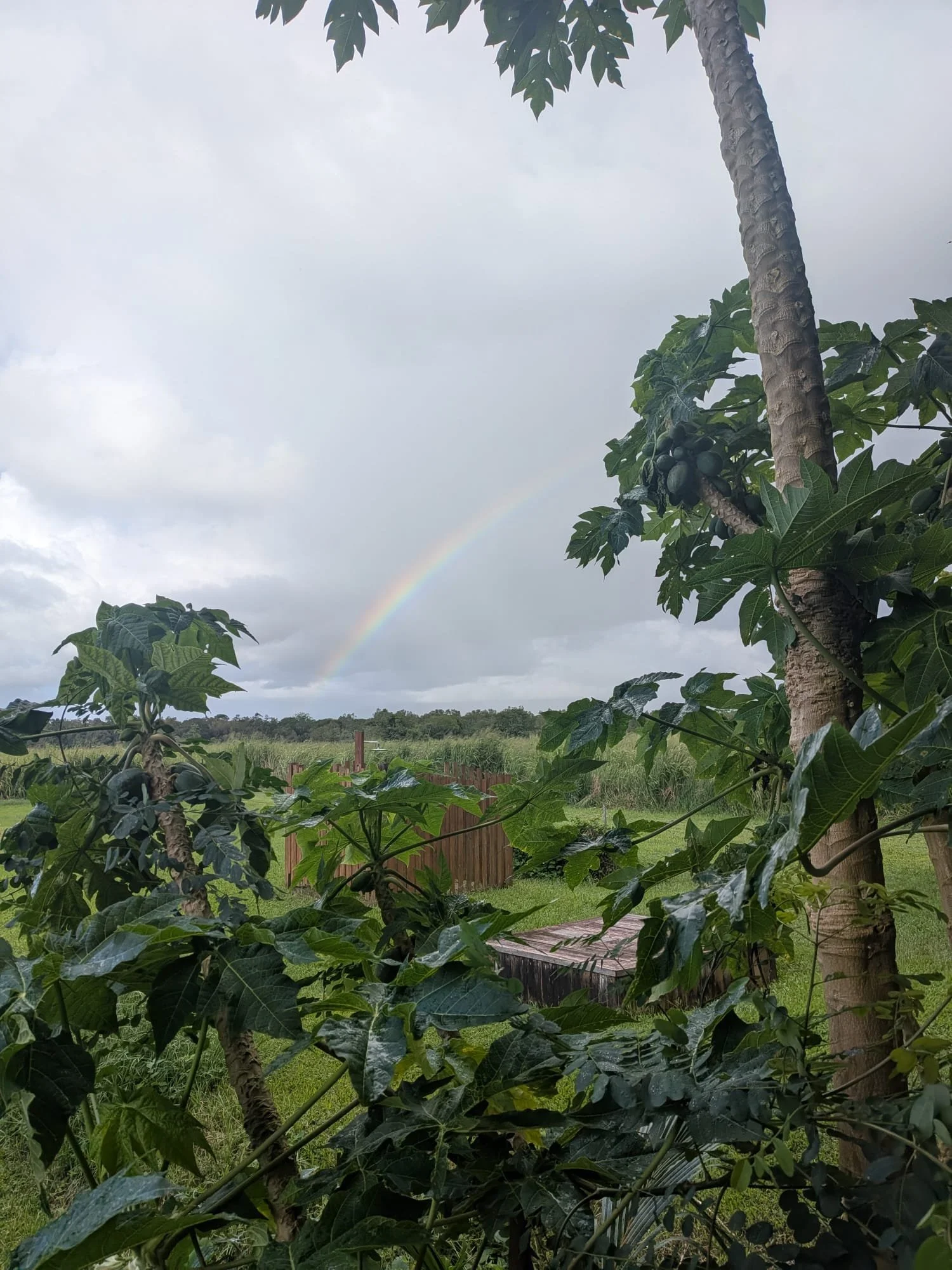
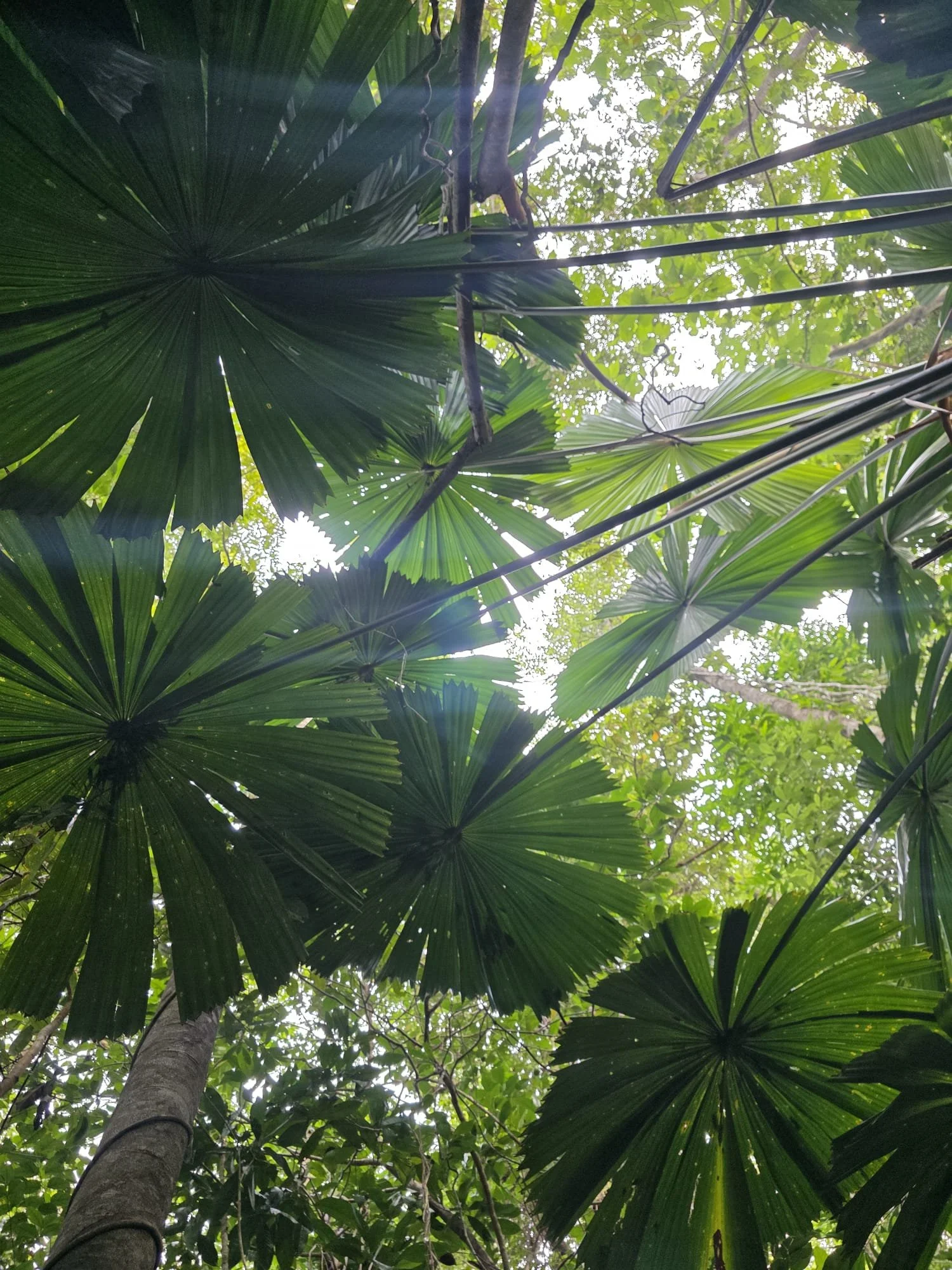
So what does ClimateForce actually do? I think there are two layers to their story. At one level, they are reforesting and rewilding a unique natural corridor. They operate on land that is sandwiched between the Daintree Rainforest (the oldest rainforest in the world at a staggering 180 million years old, and the first UNESCO protected rainforest in the world), and the Great Barrier Reef. There is nowhere else in the world that directly connects two such significant biomes and designated world heritage areas. Historically, this land was cleared for farming - typically bananas, sugar cane and/or cattle. Both the clearing of the land and the farming practices (use of herbicides, pesticides, cattle, etc.) has taken its toll on the soil and the chemicals and impurities have bled into the water – also impacting the Great Barrier Reef. Clearing land and putting up fences has also shut down the potential movement of keystone species (such as the cassowary), and therefore has affected the natural regulation of the primary forest. Re-establishing this natural corridor using organic methods and combining native forestry and agroforestry is the journey that ClimateForce has been on for the last five years. What makes this really exciting is that what they are doing helps heal the land and ocean, as well as creating long-term economic opportunities for all stakeholders – from being paid for the trees that sink carbon (“carbon credits”); or paid to protect and help the recovery of endangered keystone species (“biodiversity tokens”); or for protecting/restoring critical waterways (“blue credits”); or planting trees that produce high valued commodities that can be used in botanical products, traditional medicine or the fruit trade (“agroforestry”).
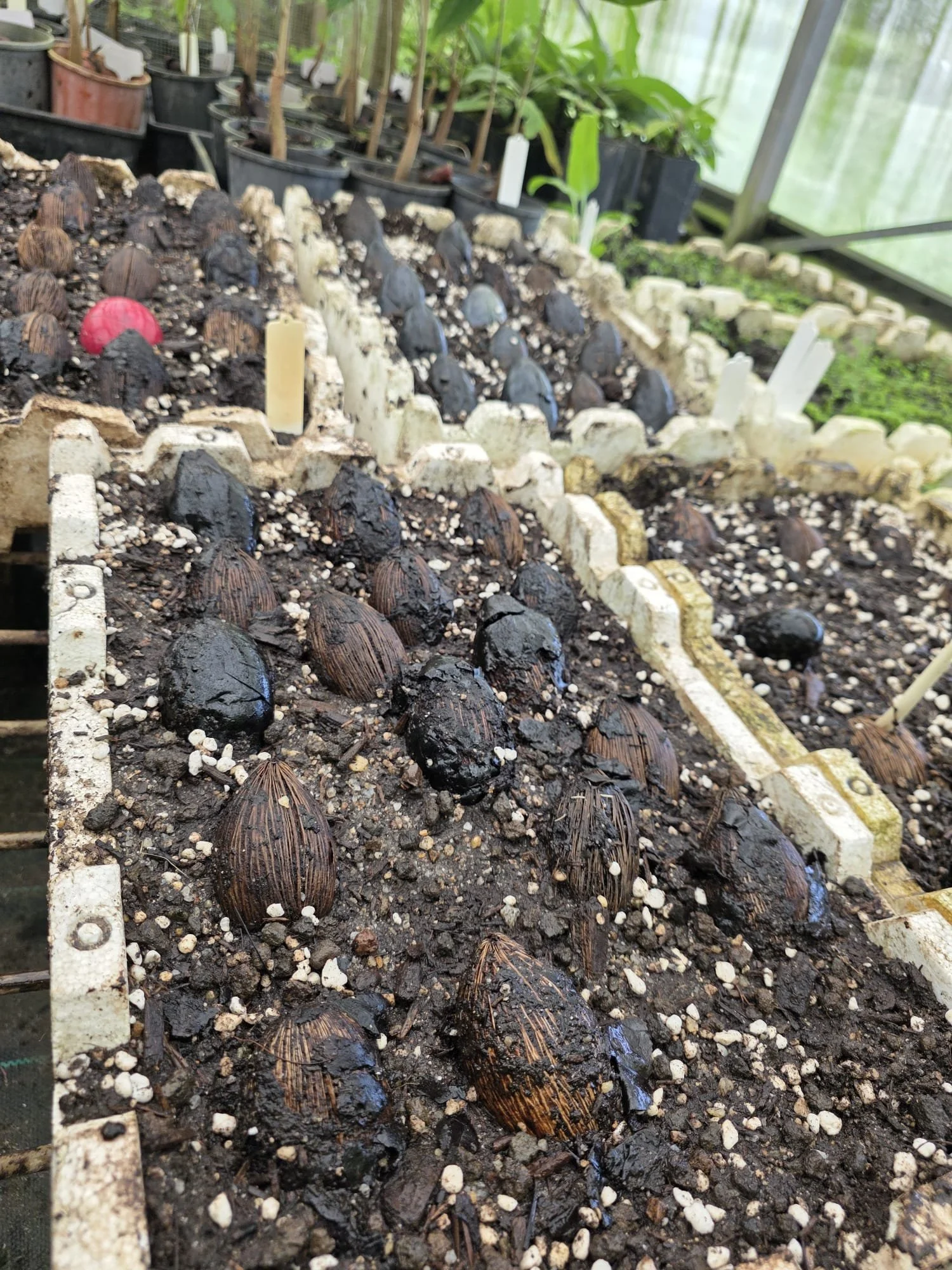
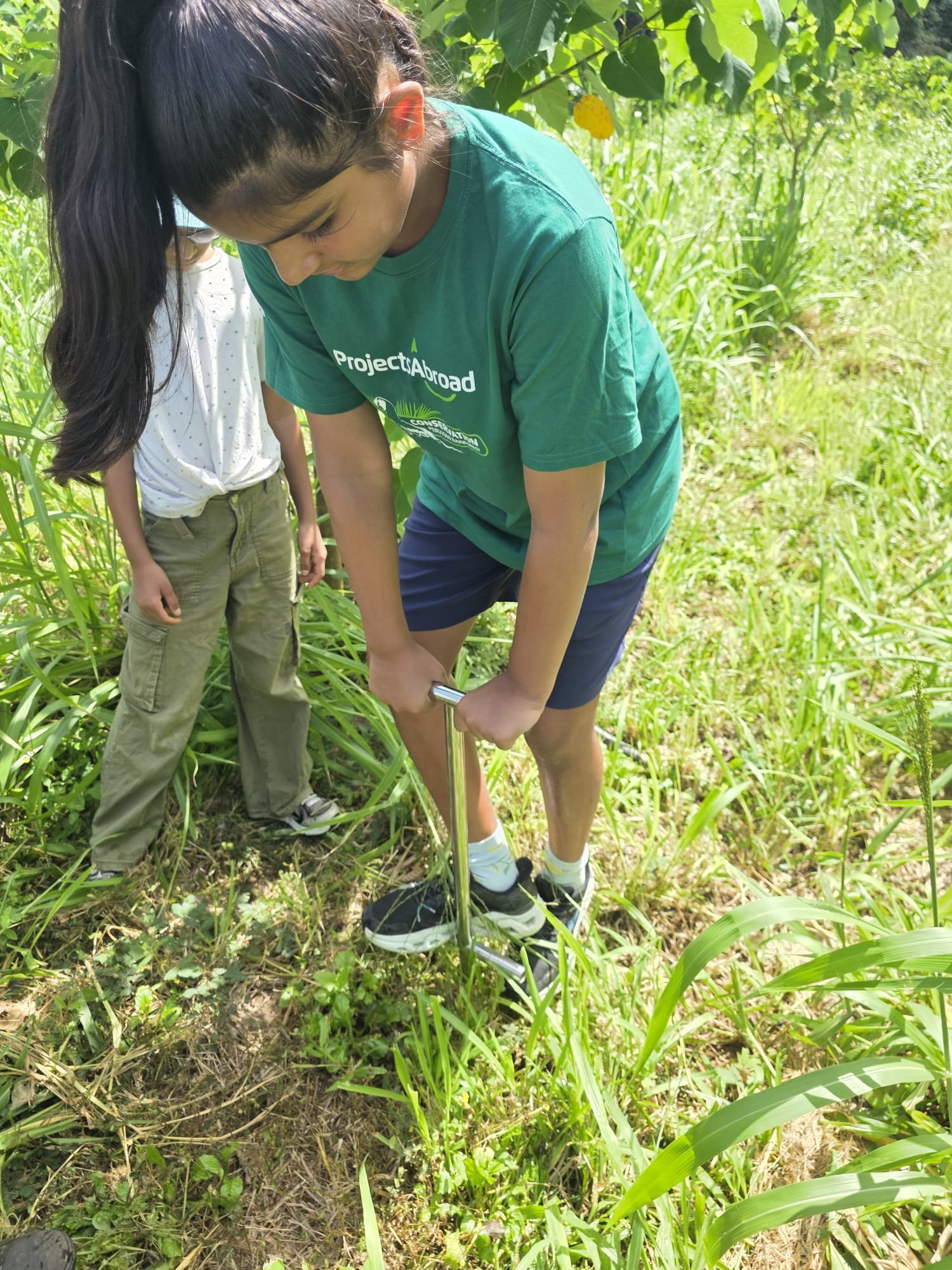
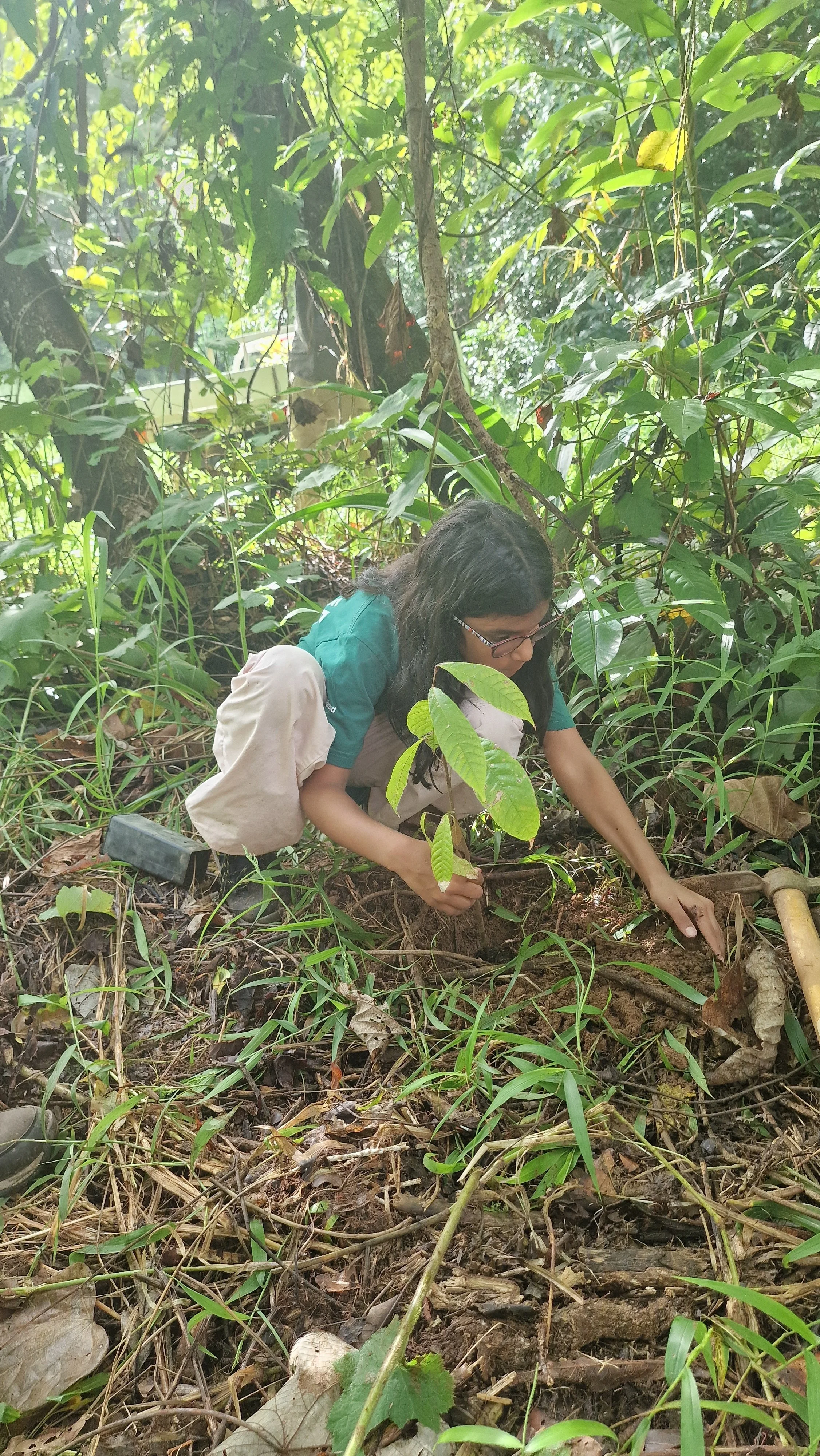
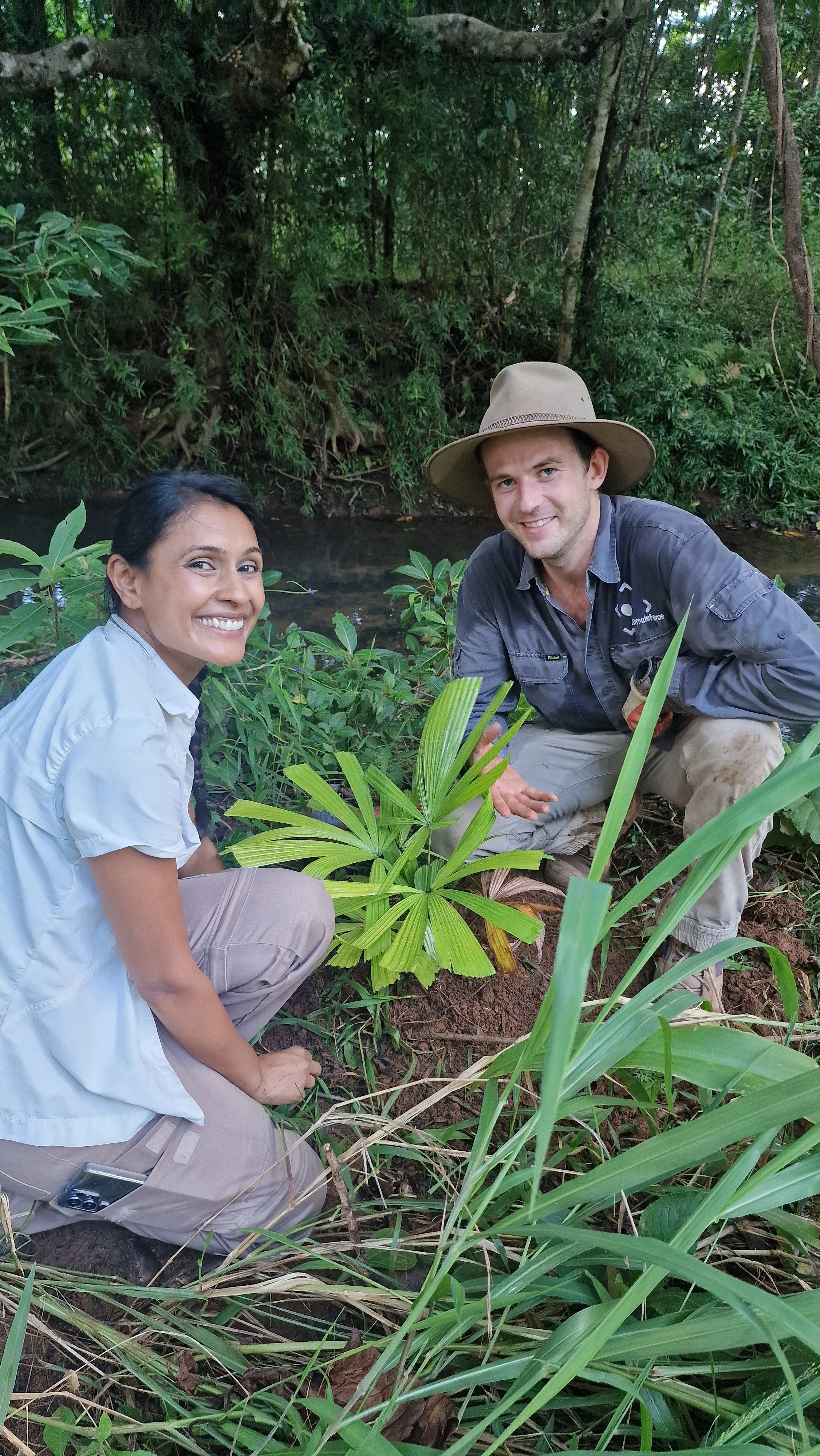
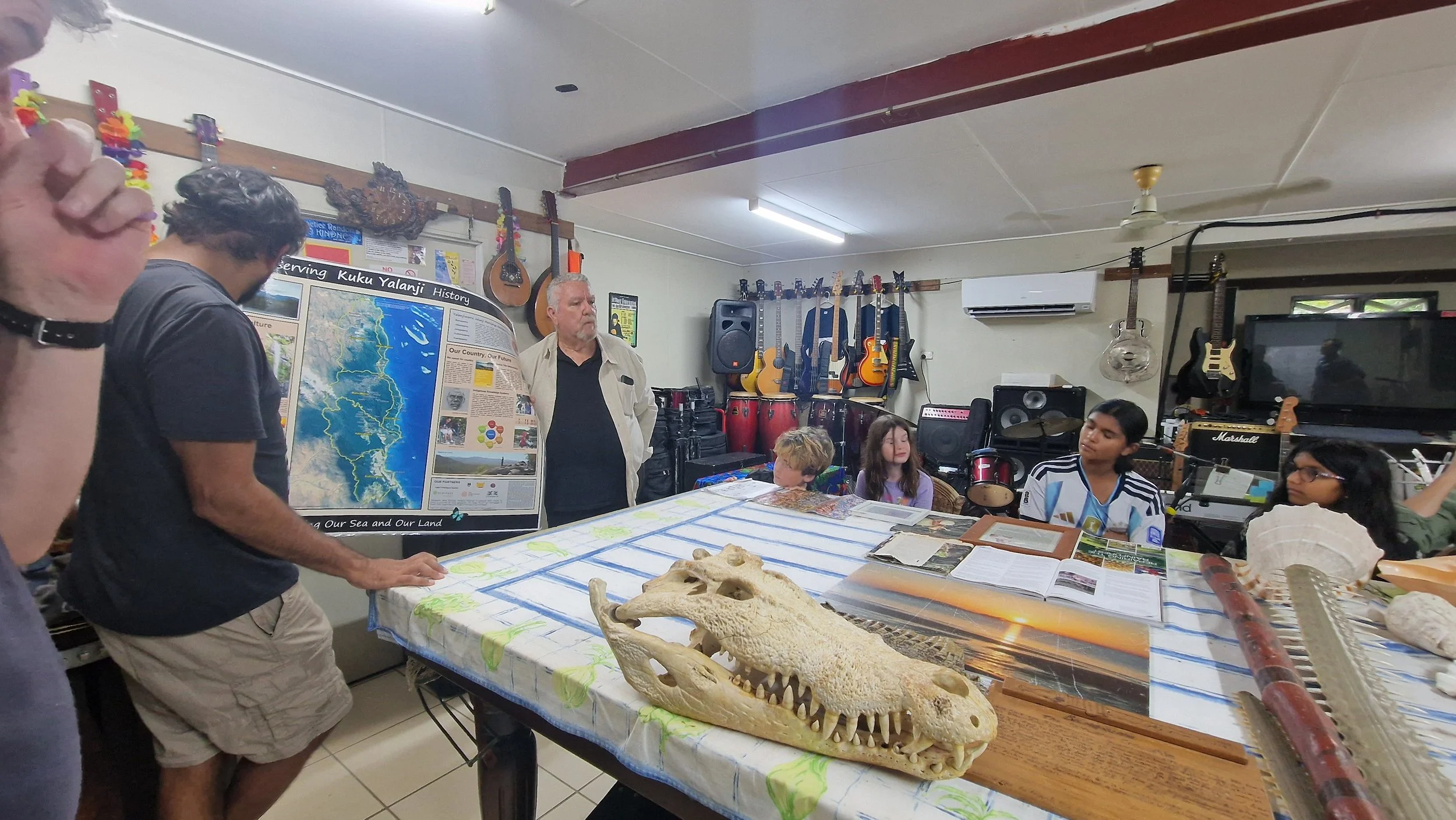
ClimateForce has also spent the last few years building trust with the Traditional Owners of this land (the Kuku Yalanji people), and they know that involving them as stakeholders will be a critical part of the success of this endeavour. So at face value, there is so much that is exciting and significant about what they are doing – and they currently manage 527 acres of land as a proof of concept of what can be done at scale.
But I think there is another level to what they are doing, and why I think there is something about them that stands above the dozens (if not hundreds) of impact-driven organisations that cross my desk. The way they integrate technology and data-driven decision making into everything they do is so impressive – using drone scans, lidar, geo-tagging and applying their learnings to improve. (I spent a lot of time working with Claude and building AI agents and dashboards – which I didn’t think would be the case on a farm!). Beyond that though, it is the vision that what they are doing can be a blueprint for other farmers and regions to be able to align incentives around the problems they face. Whether it is the land in Queensland, or the wet tropics regions in Indonesia or South America – the desire to test and learn so that others can be a part of the transition we have ahead of us is so powerful.
Thrown into the mix is that the Daintree region is facing a lot of uncertainty. A combination of factors including the soil degradation, urbanization (young people increasingly wanting to be in cities rather than work on the family farm), and global competition from cheaper labour markets in commodities (particularly India and China) is making the traditional farming methods increasingly unviable, and the economic benefits are shrinking. This is perhaps best symbolised by the very recent closure of the Mossman Mill - which feels like the curtain closing on a 130-year old history, leaving over 125 farming families bereft of a critical part of their production chain. It is a tough and complicated problem for local politicians to solve, and in my view fits the type of wicked problem that Adam Grant says challenges us to “unlearn, rethink and relearn”. I think that the work ClimateForce is doing could be part of that re-thinking and re-learning what the land could produce - and how to grab a once-in-a-century transition opportunity.
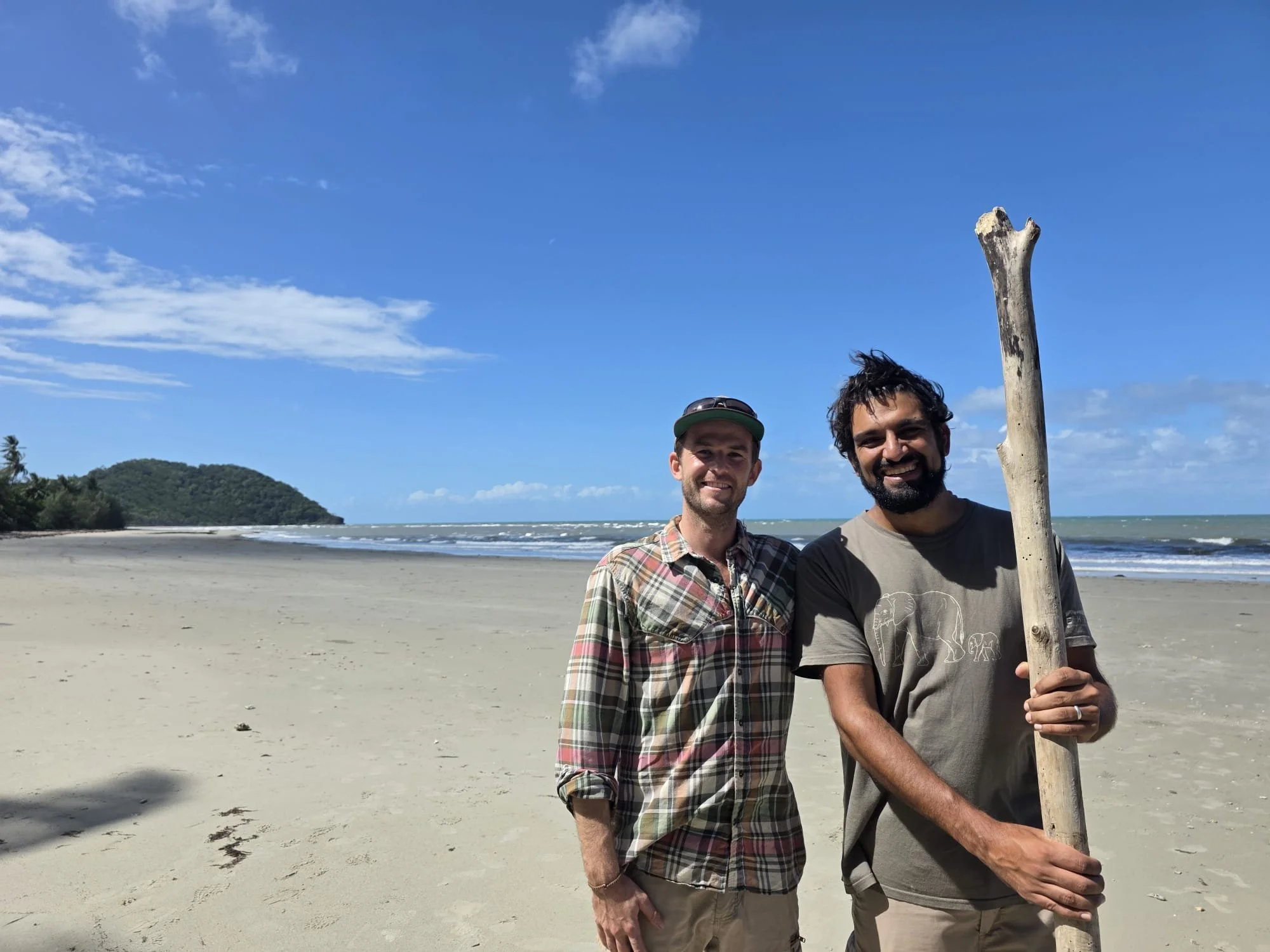
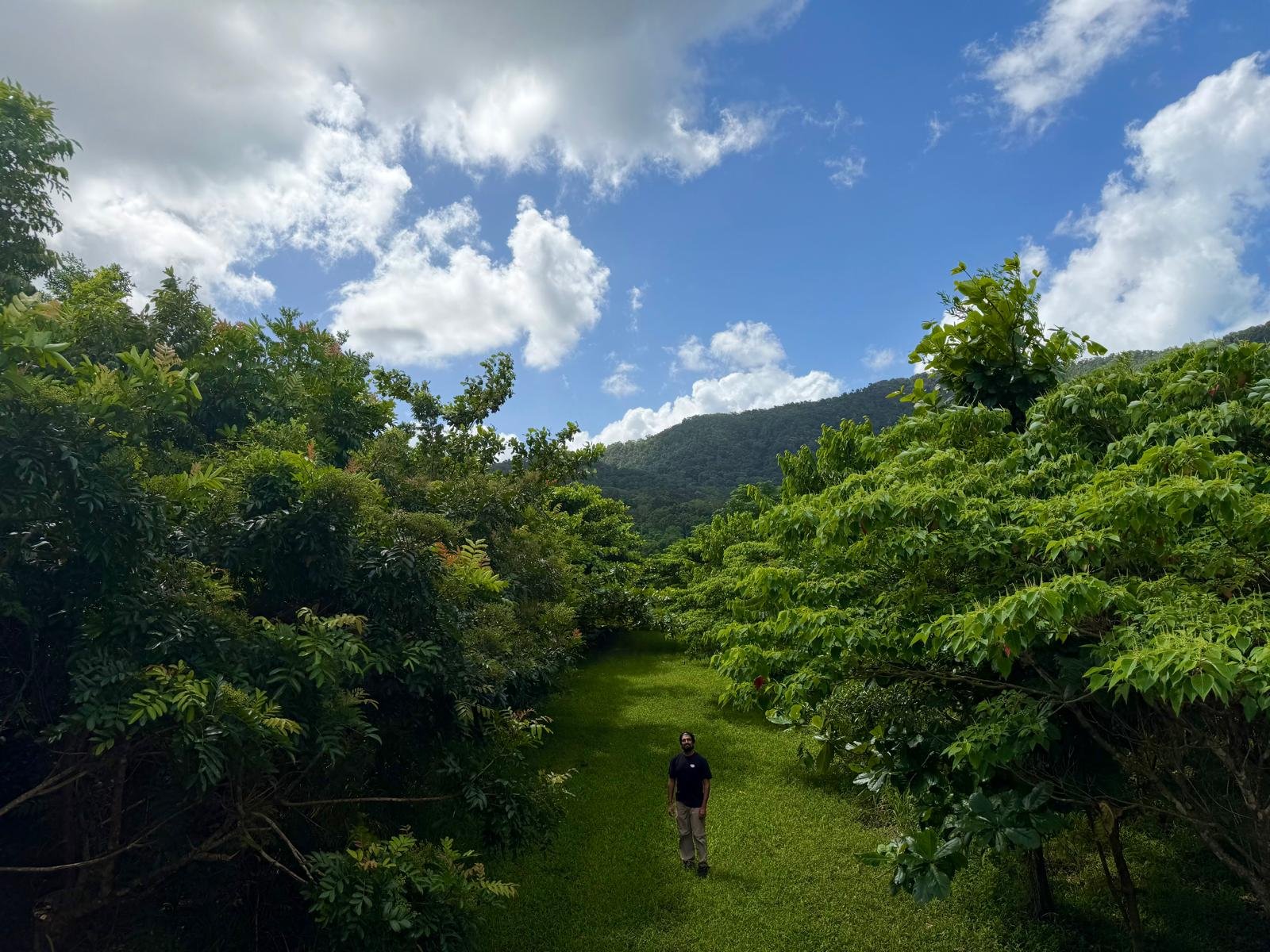
So when the (banana) farm adjacent to ClimateForce came up for sale in early 2022, Barney mentioned that it will very likely go to cattle farming – which would not only be damaging to the land, but also the water that trickles into ClimateForce’s farm via the two creeks. Our family made an investment in buying the farm (160 acres) with the intention of partnering with ClimateForce to protect, rewild and reforest it. It took two years of legal and tax hurdles, but in the end, we finally completed in the summer of 2024. We now owned the land, and the idea was that ClimateForce would manage and maintain it – and earn revenue and sweat equity (which would in turn fund future investments and their operations). During our time here we got to visit the land we purchased which was a really incredible moment – it hit me that it had taken so much to get to this point, and yet it represented only the beginning of everything that was to come. When we got to the land, we asked for the permission and blessings of the spirits of the land of the traditional owners, and conducted our own prayers in a special puja (prayer). Each of the four of us led a prayer that invoked a patron to help us nurture the land back to health. We could also see and feel how tough conditions are here - and the rural resilience required to make it work.
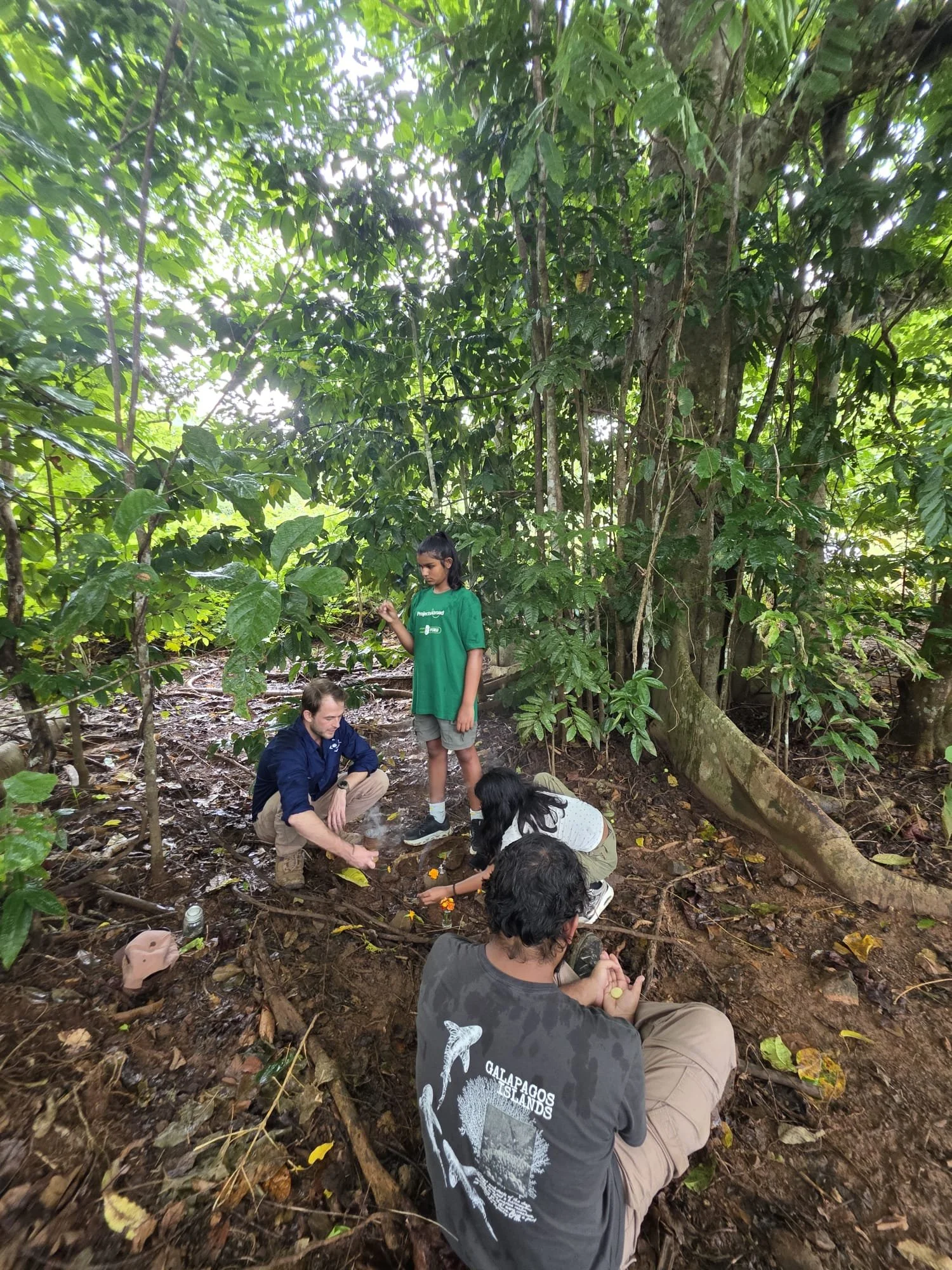
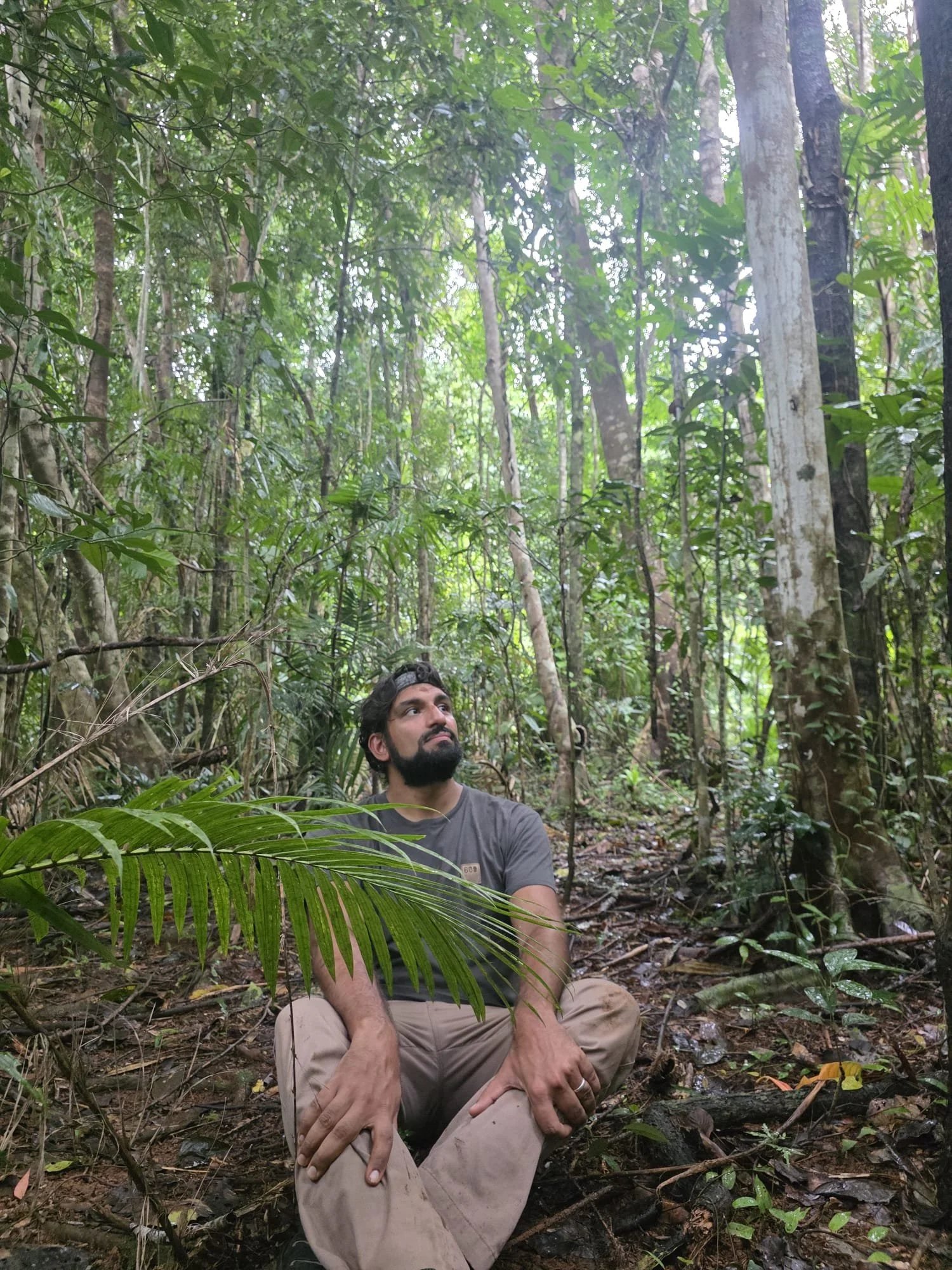
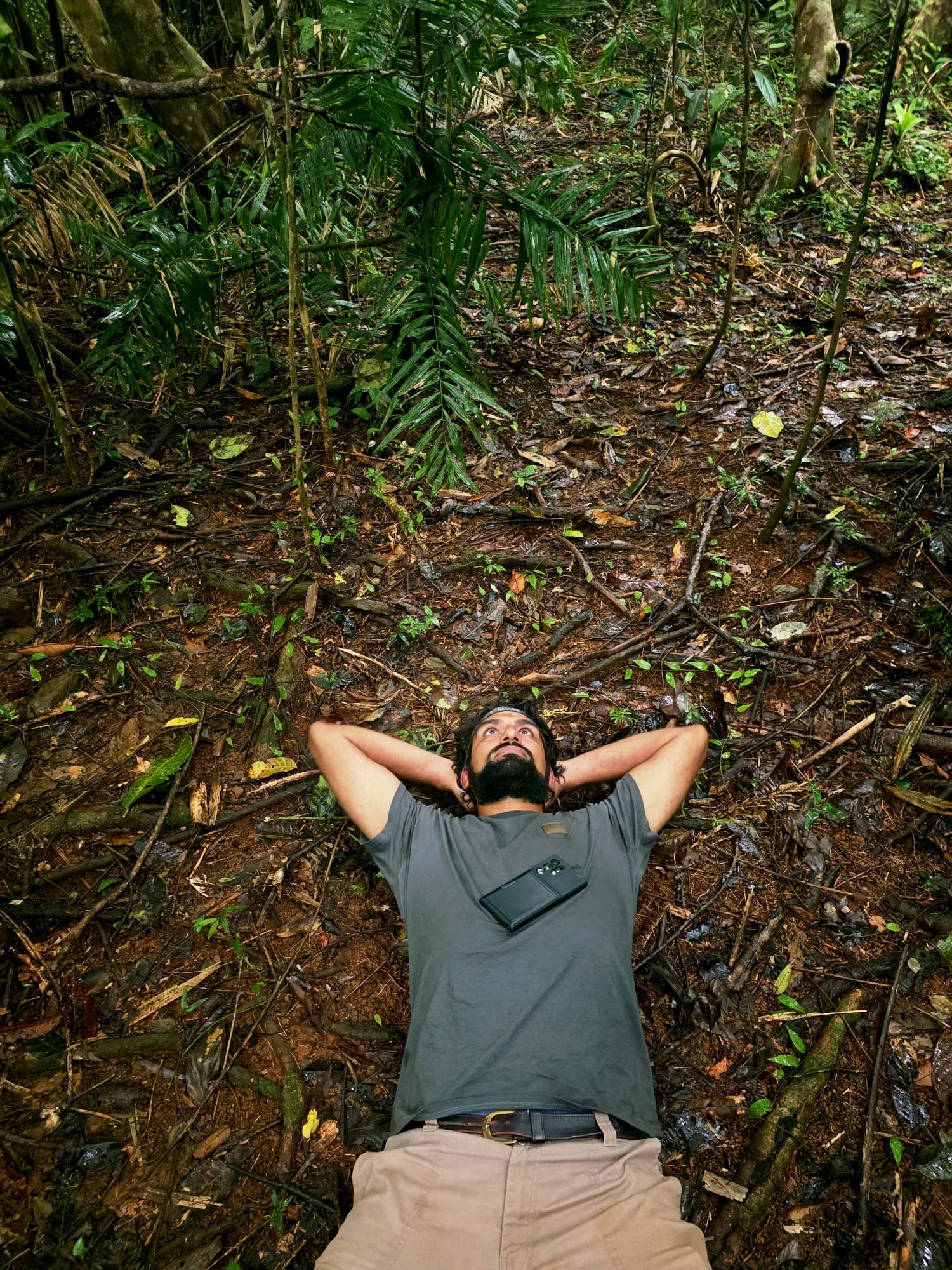
In speaking with Div and the girls afterwards, they said that they had found a lot of the first few days quite overwhelming – with so much jargon and new concepts flying around it was a lot to take in (turns out Barney and I can really geek out on this…who knew!). But after being on the land, feeling the soil, sitting in prayer, something had lifted for them, and they felt a shift in a sense of duty and responsibility towards the idea that we are the custodians of this space. We felt invested in this project in the truest sense of the word.
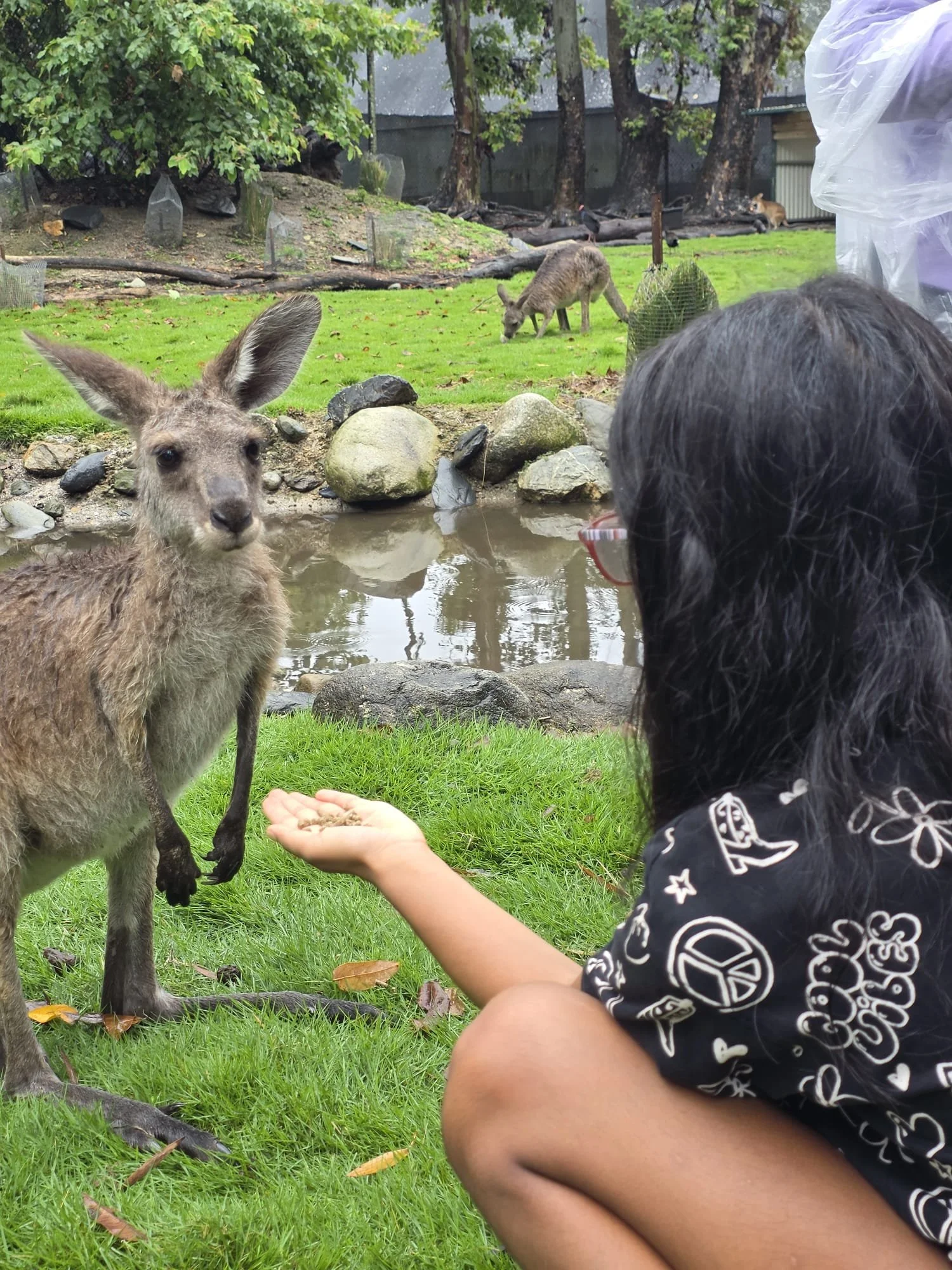
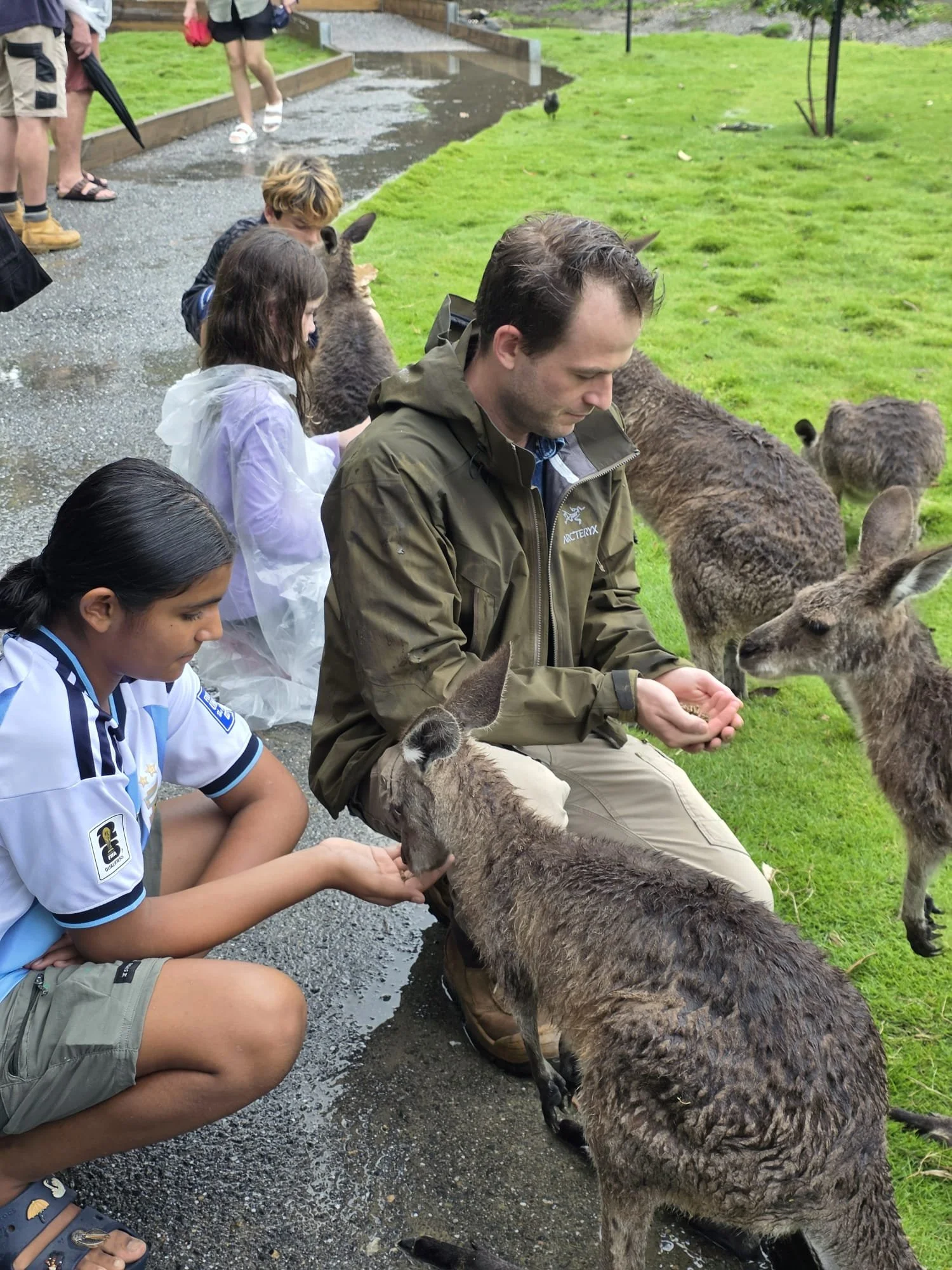
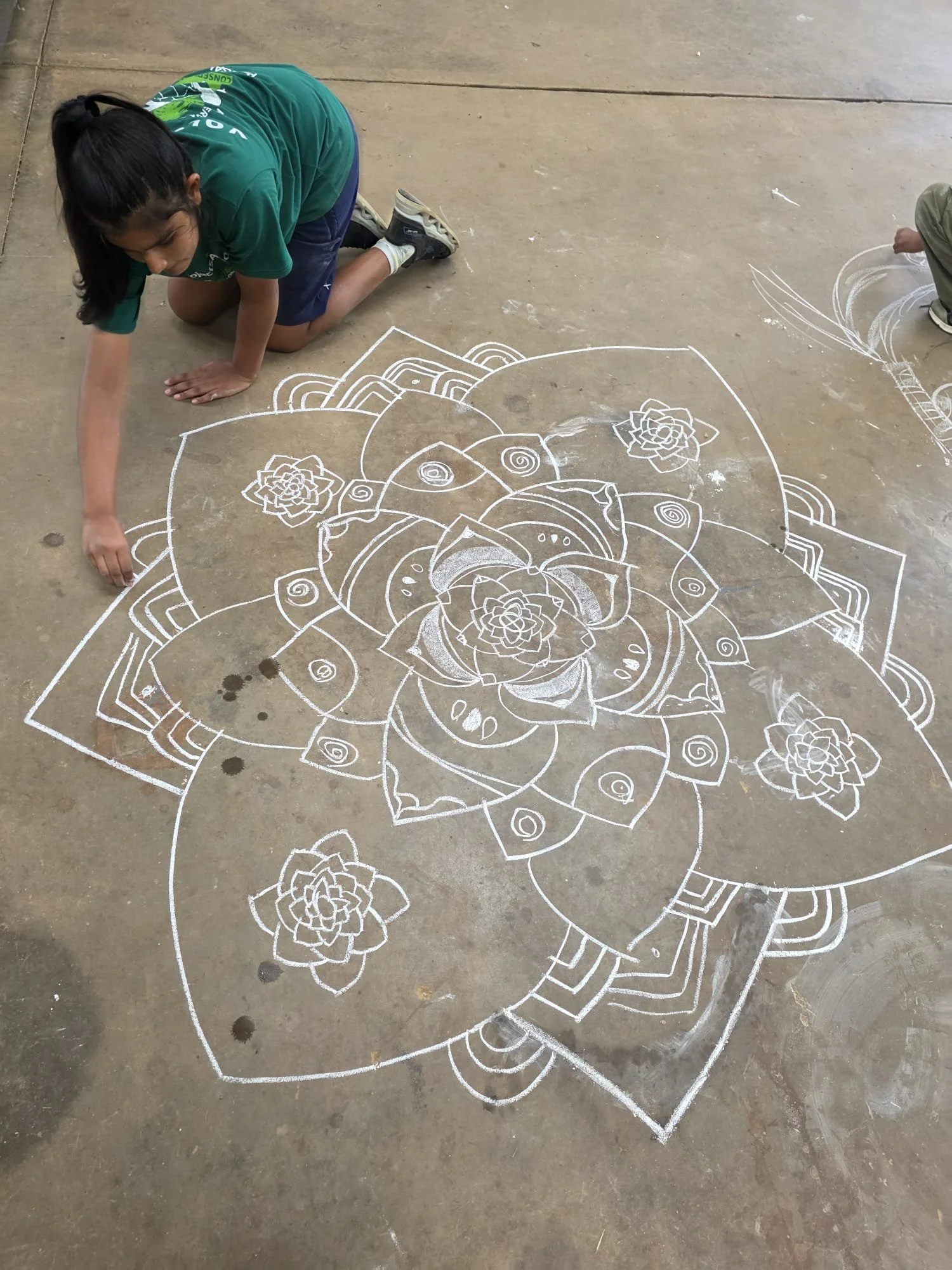
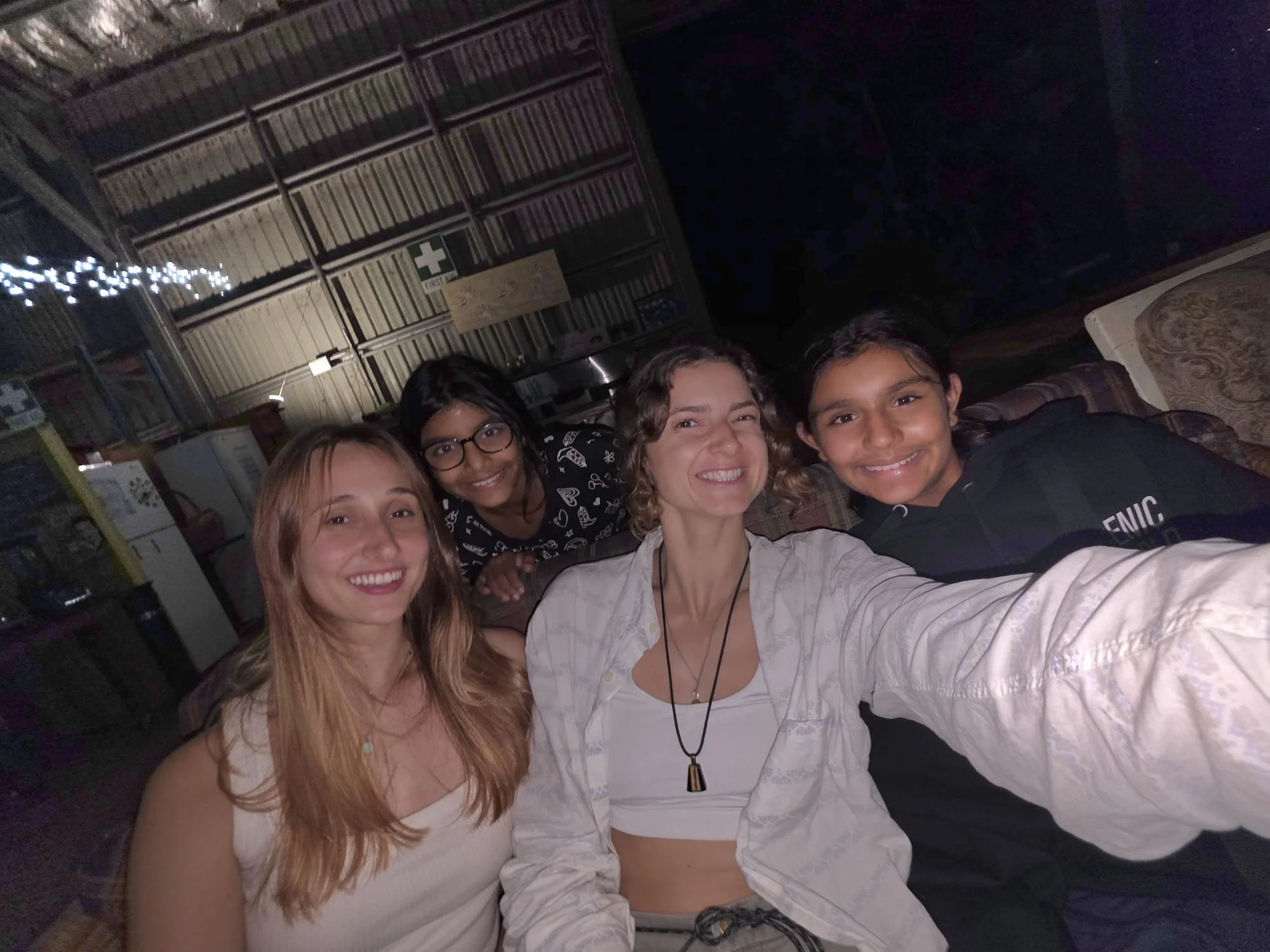
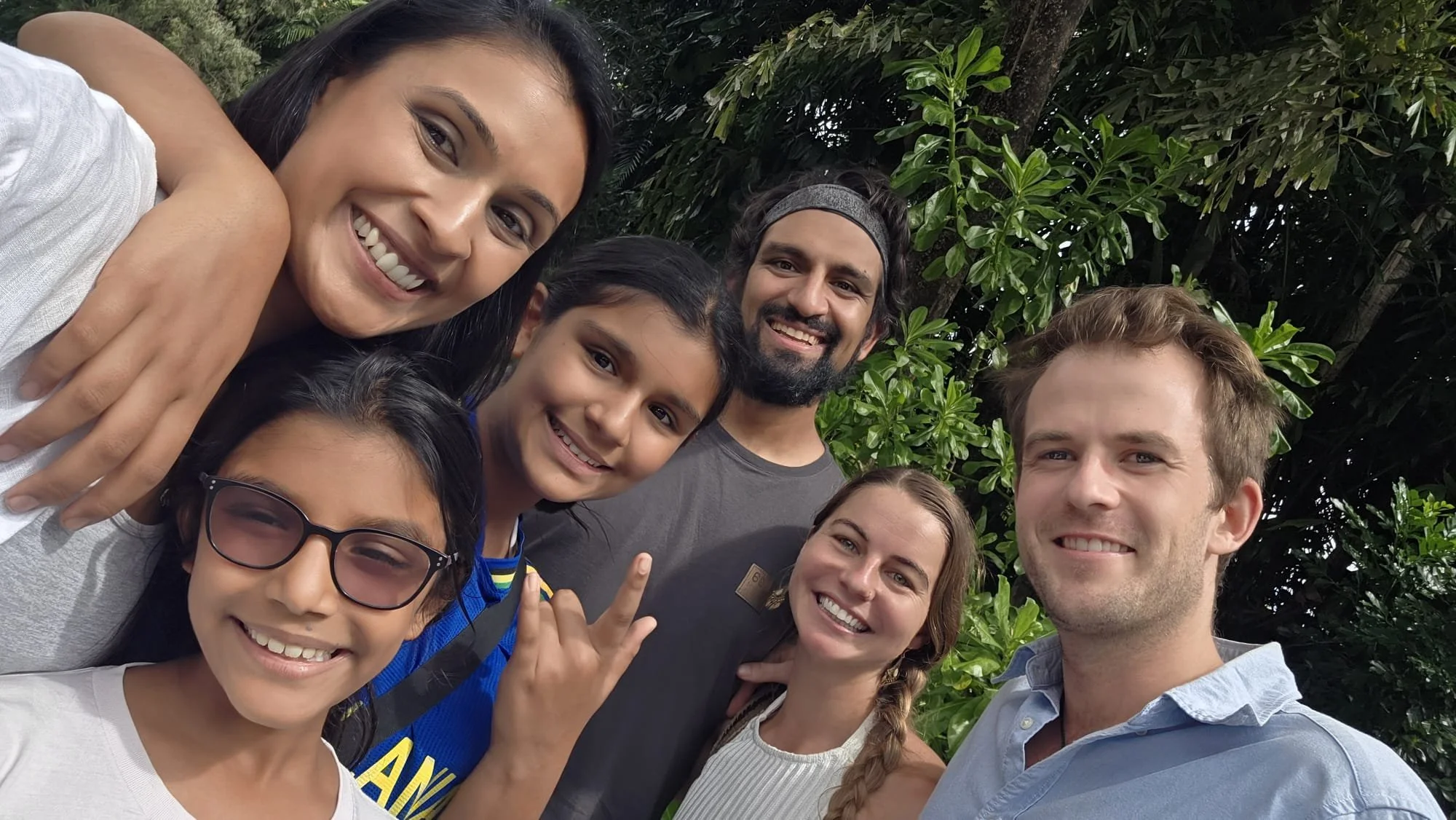
Sia and Anaya again had to adapt to being in a world filled with adults – and did so well in being open and positive and giving back. They formed strong relationships, and settled quickly into the area. We all felt welcomed in by everyone – and in a strange way by the nature around us too. We had a monitor lizard, a tree snake and a cassowary all come and pay us a visit where we were staying! As Barney would say, “that’s the forest giving us a little wink” to say welcome.
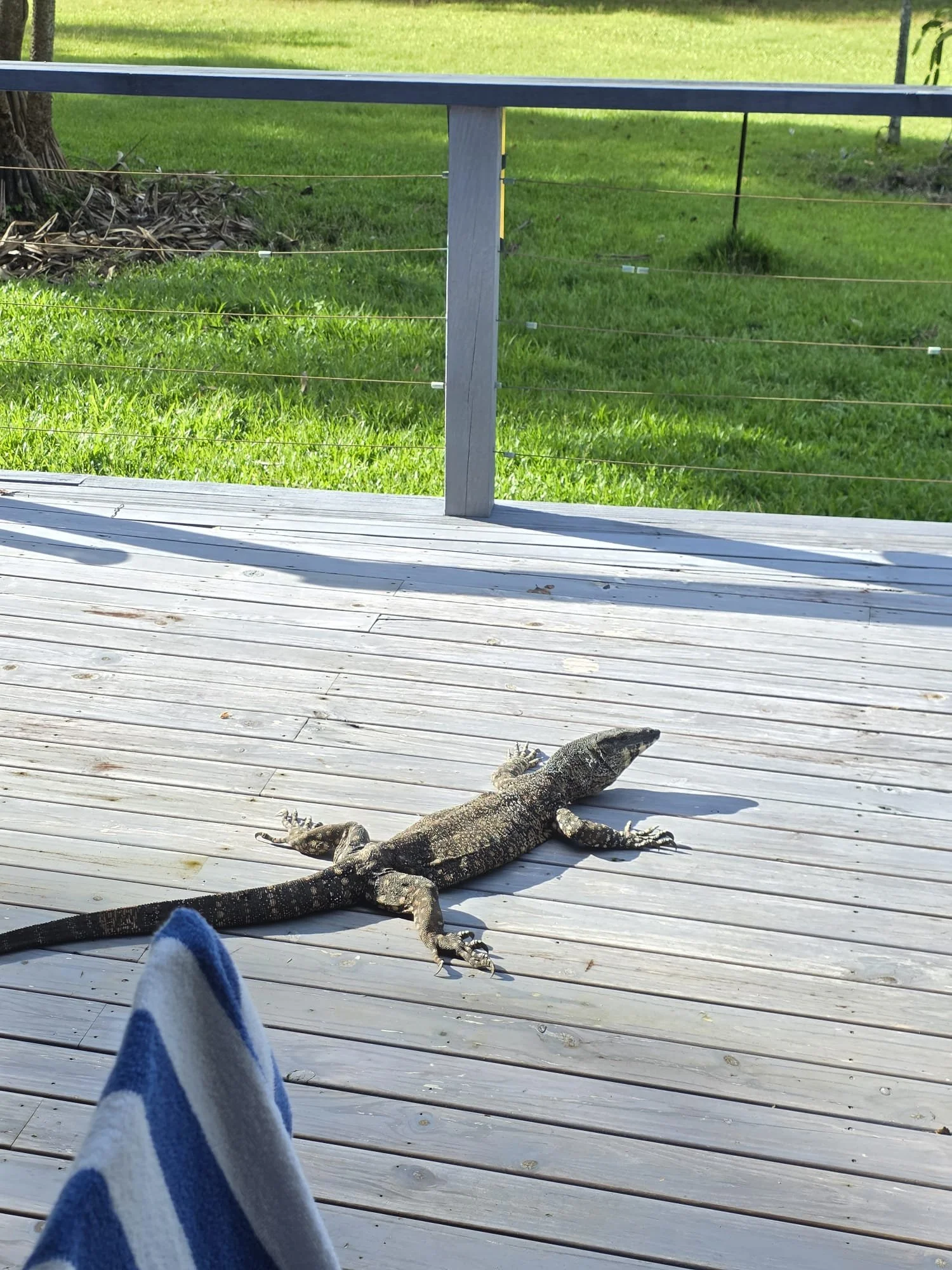
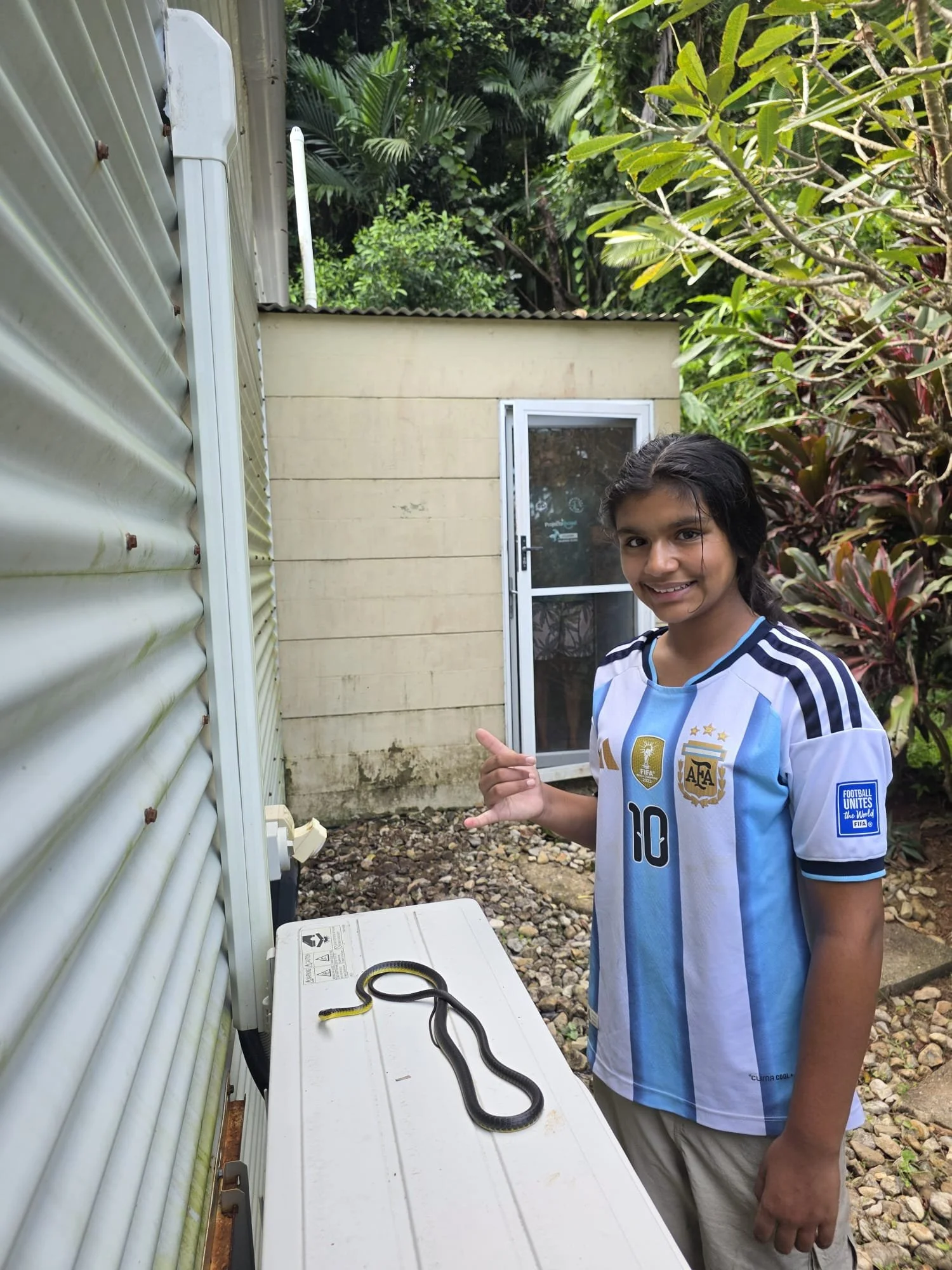
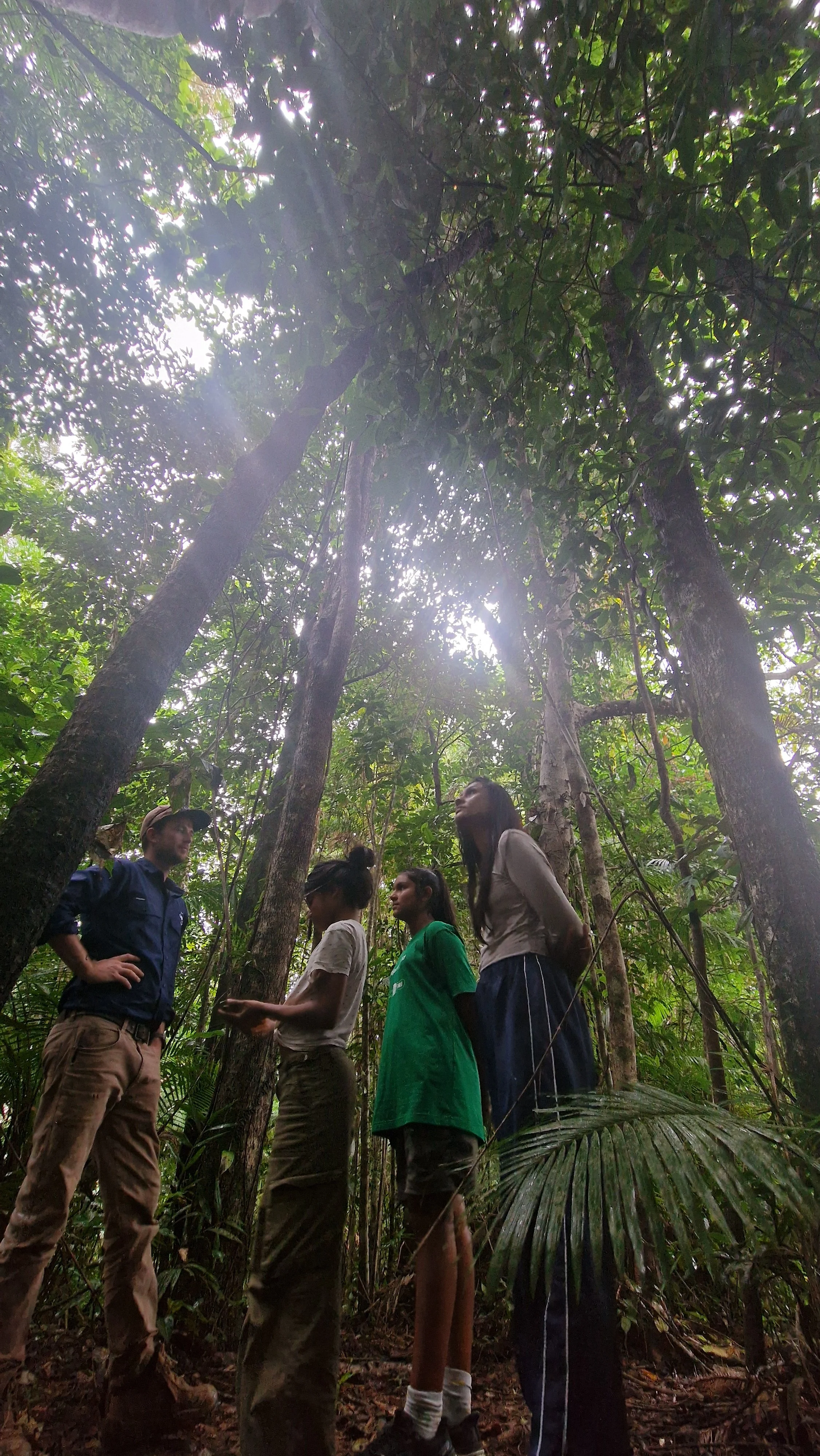
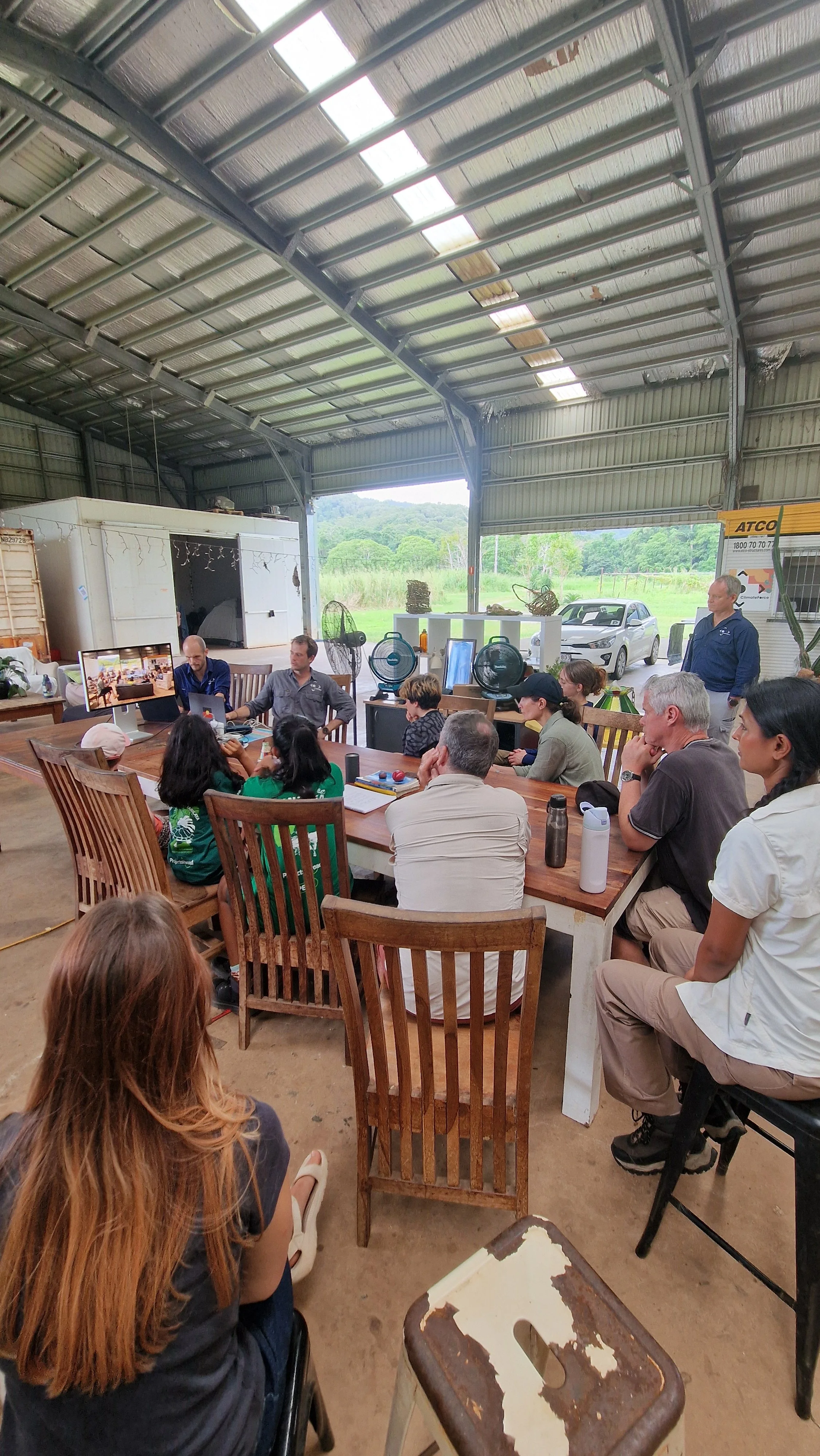
Barney had worked hard to curate our time here so that we could build a deeper understanding and appreciation of the history, local community, traditional owners, as well as first-hand experience of what it takes to organically manage a farm in the rainforest. (I don’t think he planned the wild animal visits though!). Through our time and leveraging his network – we built a layered understanding of the impacts of colonisation, how we could/should engage with the Kuku Yalanji people, the perspectives of the farmers and tourism boards, and the inflection point this part of the world is in socio-economically. It was clear to us that ClimateForce has built a strong reputation for integrity and won the trust of so many different stakeholders – which has taken years of reciprocity and effort.
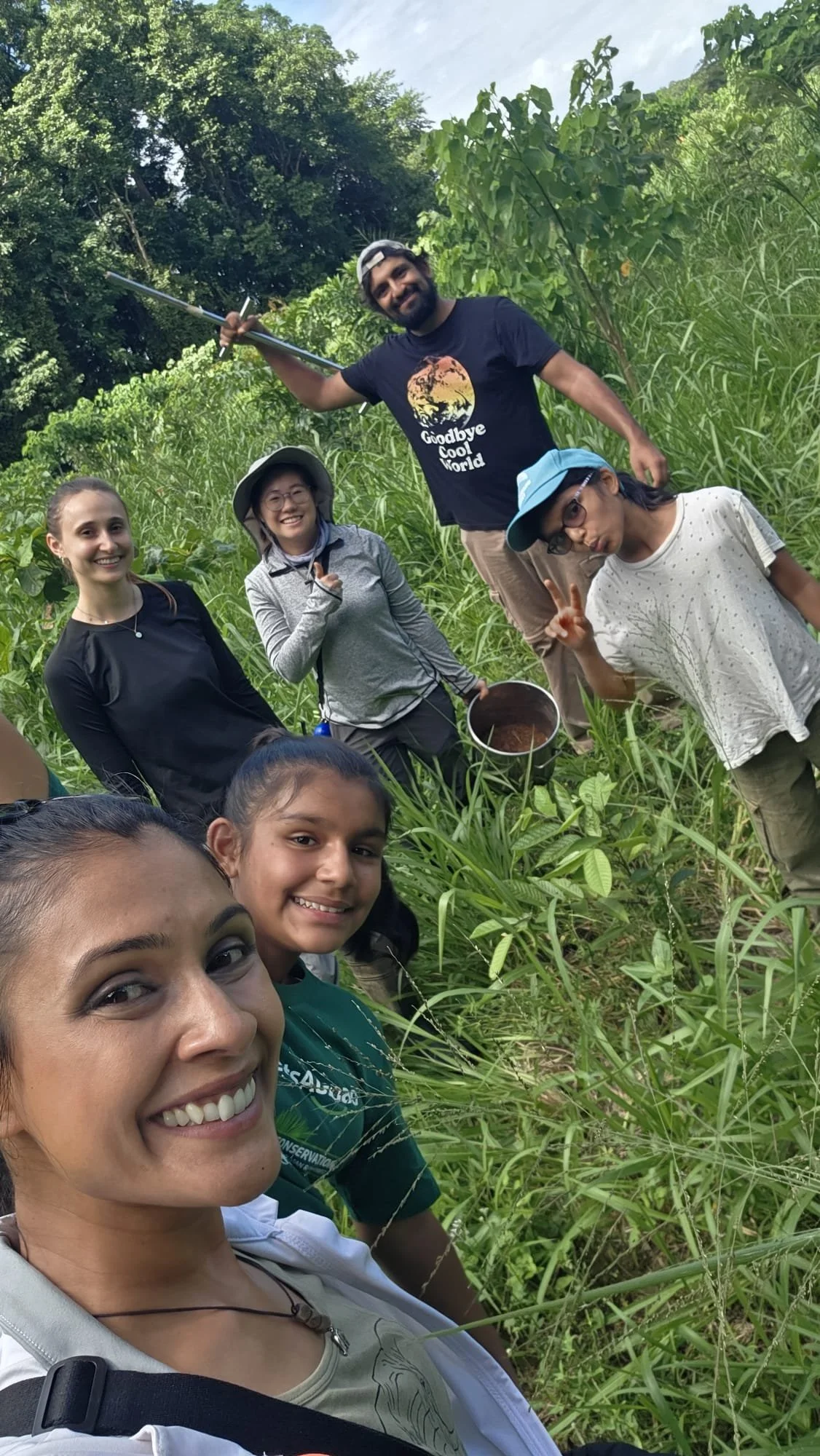
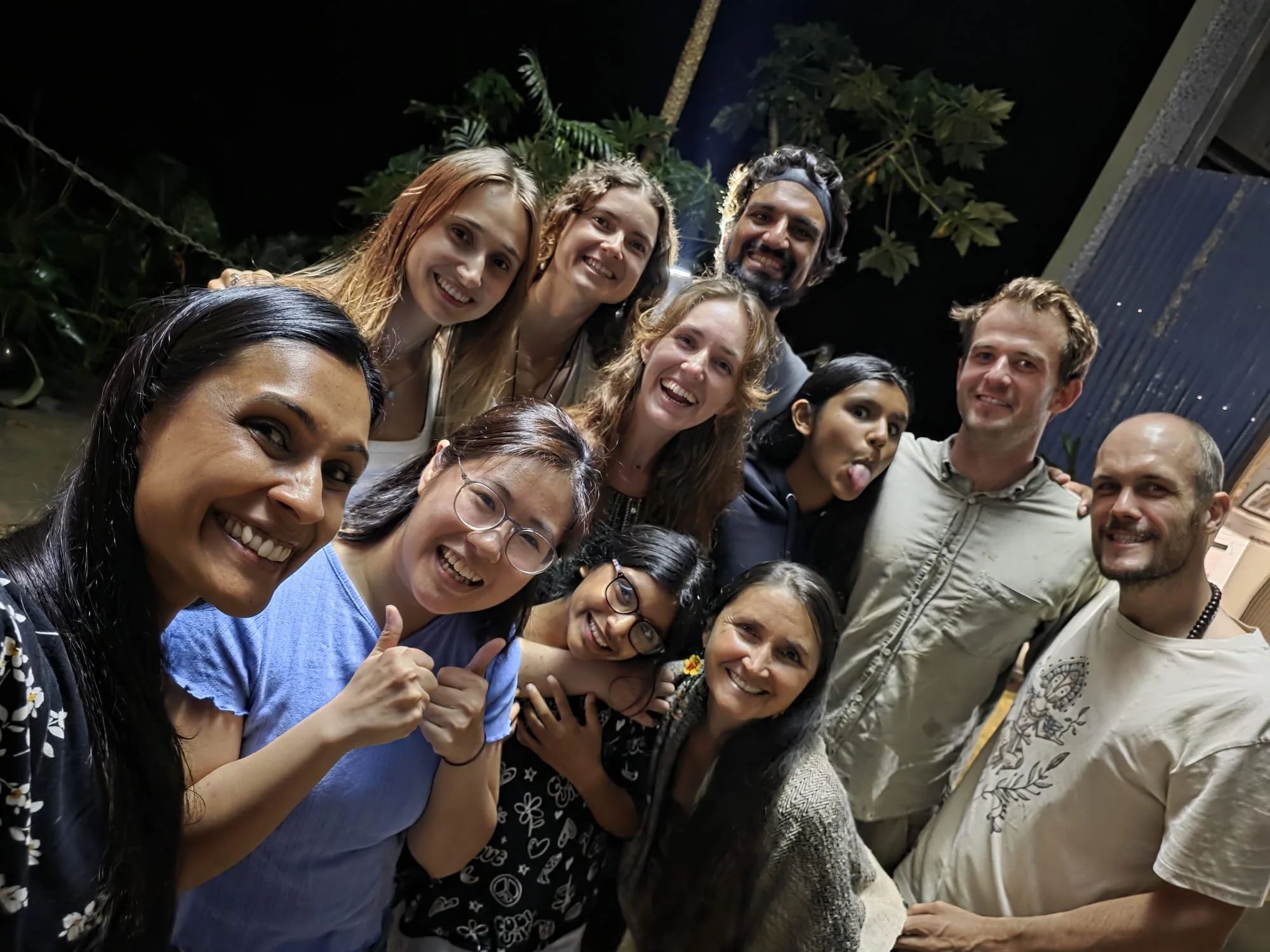
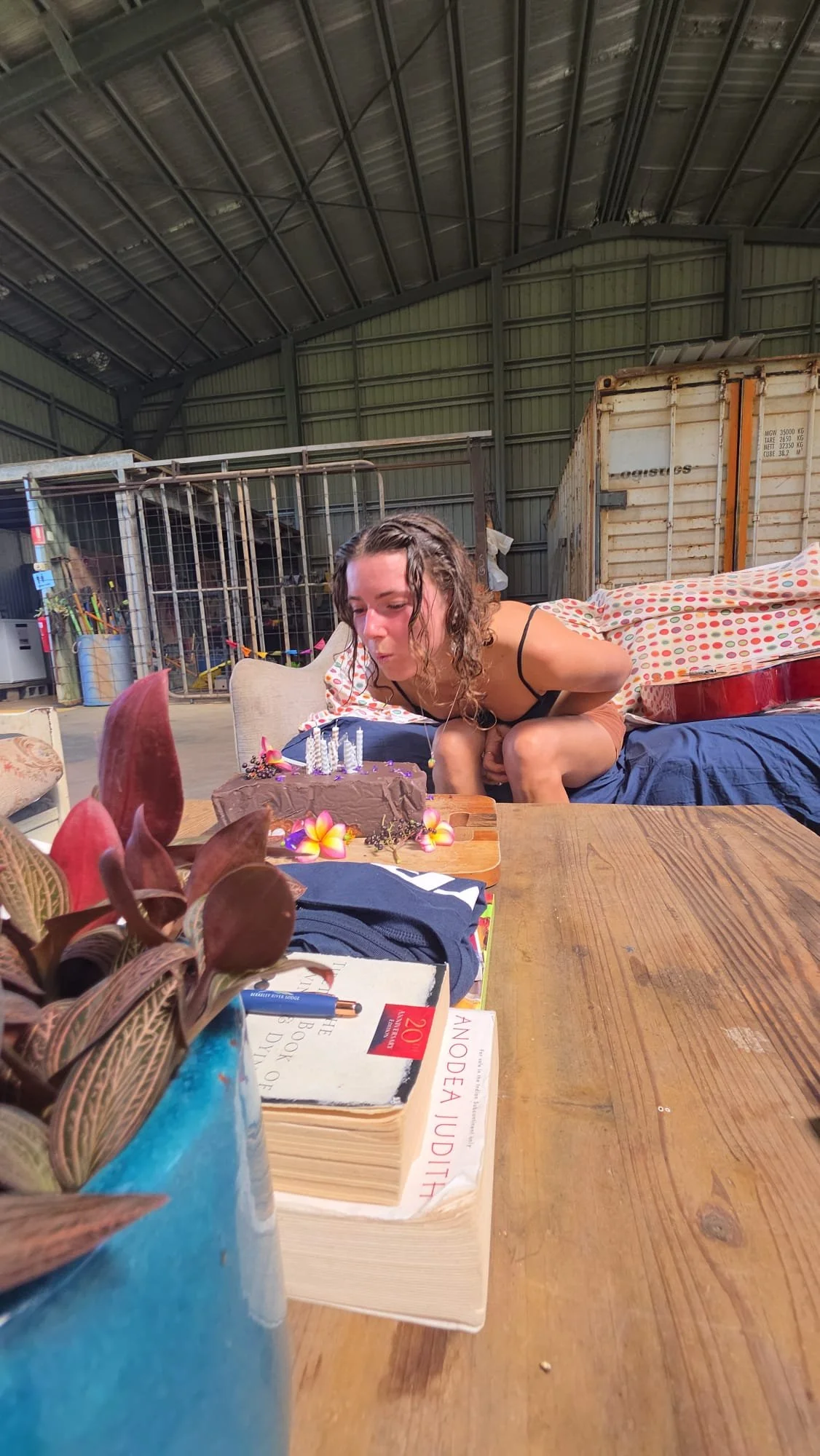
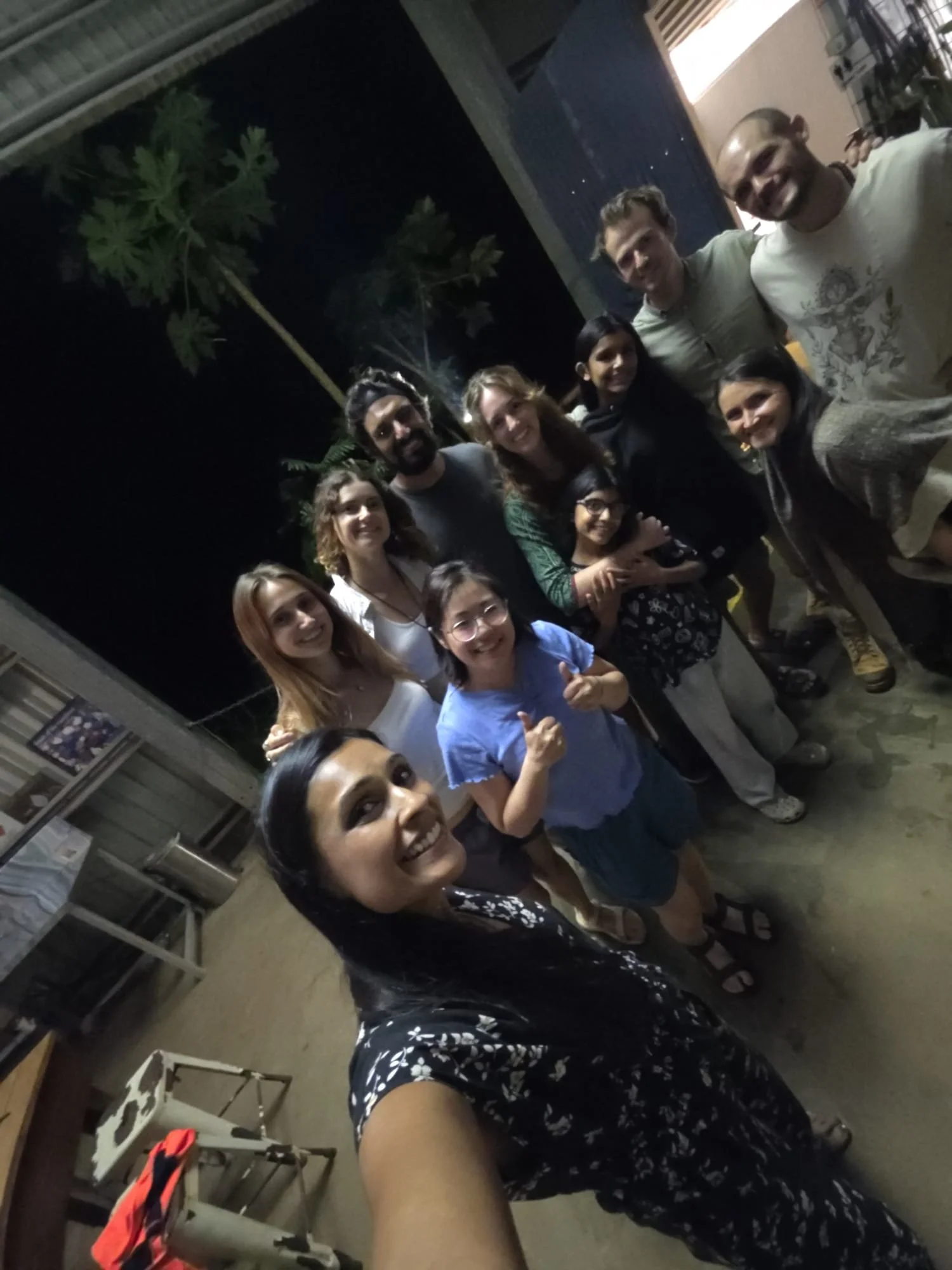
It was also wonderful to be able to connect with the ClimateForce team – in particular Jack, Emily, Tom, Peter and the interns/volunteers Lizzy, Mikki and Izzy. They’ve built a hard-working, high quality team that is dedicated to the mission of the organization. They are also kind and generous - Peter lent us his car for our entire time here! We learned so much from them – about ideal soil conditions, de-vining techniques, nursery management, canopy growth, botanicals, tree properties, and many more areas. I was also honoured to be invited to a fire circle that Jack hosted, which was poignant and moving. They were all patient teachers, and their love for their work was infectious. We also had fun together – and saw that they have a very strong bond as a team. Sia and Anaya interviewed Emily for their podcast – in what I think is maybe the best interview we’ve done so far.
After just two weeks here I felt a very profound connection with the Daintree – the people, the land, the forest and the ocean. The project we have ahead of us is going to be tough – there is a lot of work, unknowables and risk ahead – but also so rewarding and the potential to have an impact whilst providing learnings and (hopefully) a positive example for others is really motivating. It was surreal to be here. I am sad to be leaving and looking forward to coming back again soon.