Argentina & Chile - Patagonia (11-20 Jan 2026)
We started our South American adventure in the magical Patagonia - which spans southern Argentina and Chile. Having learned a lot from our time in Africa about what to look for and questions to ask, I couldn’t find any high-quality, trustworthy volunteer programs suitable for our family (which doesn’t necessarily mean they don’t exist, I just couldn’t find them!). So we decided to spend the first 3 weeks exploring and visit conservancies and national parks, but didn’t volunteer here.
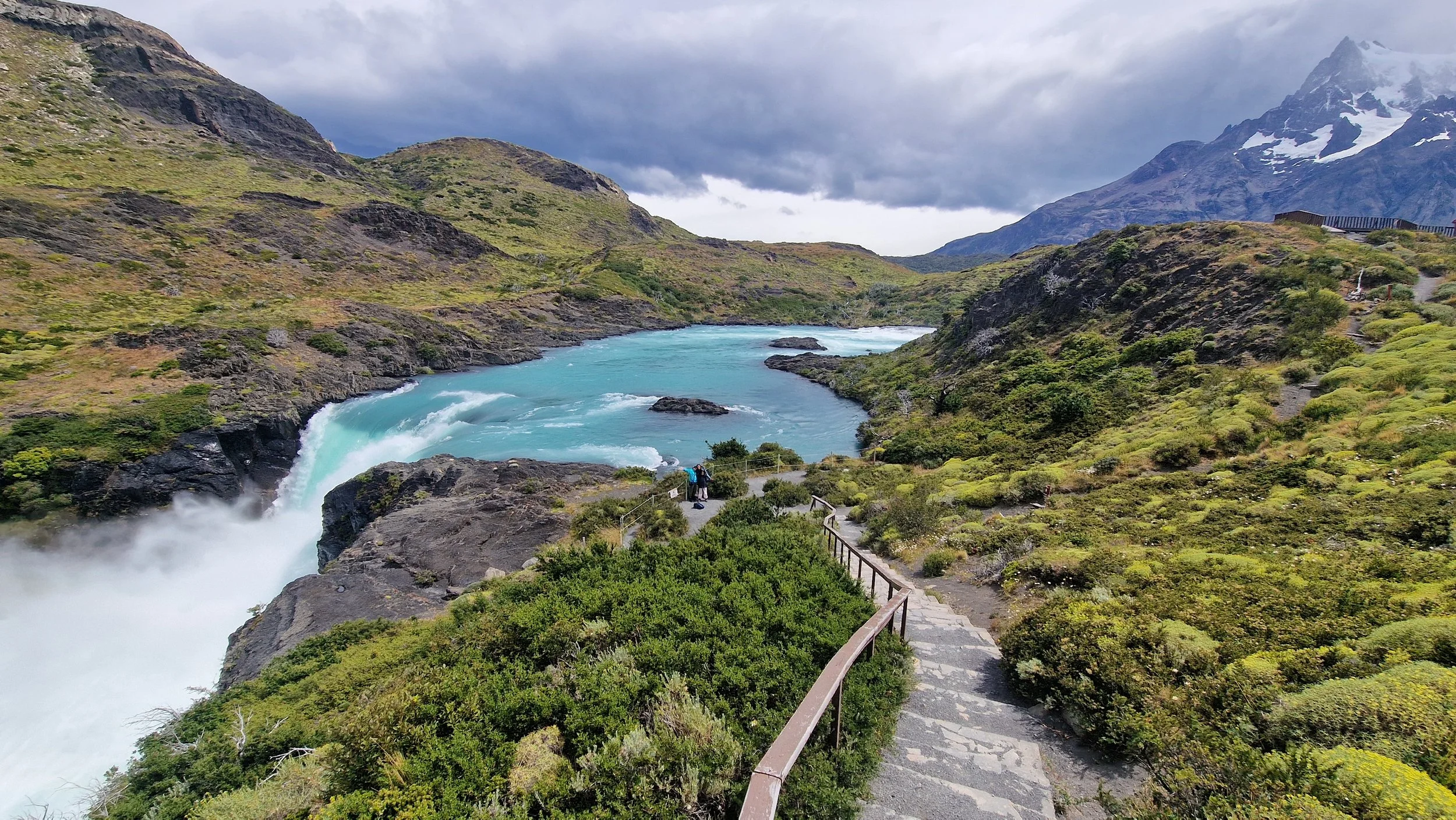
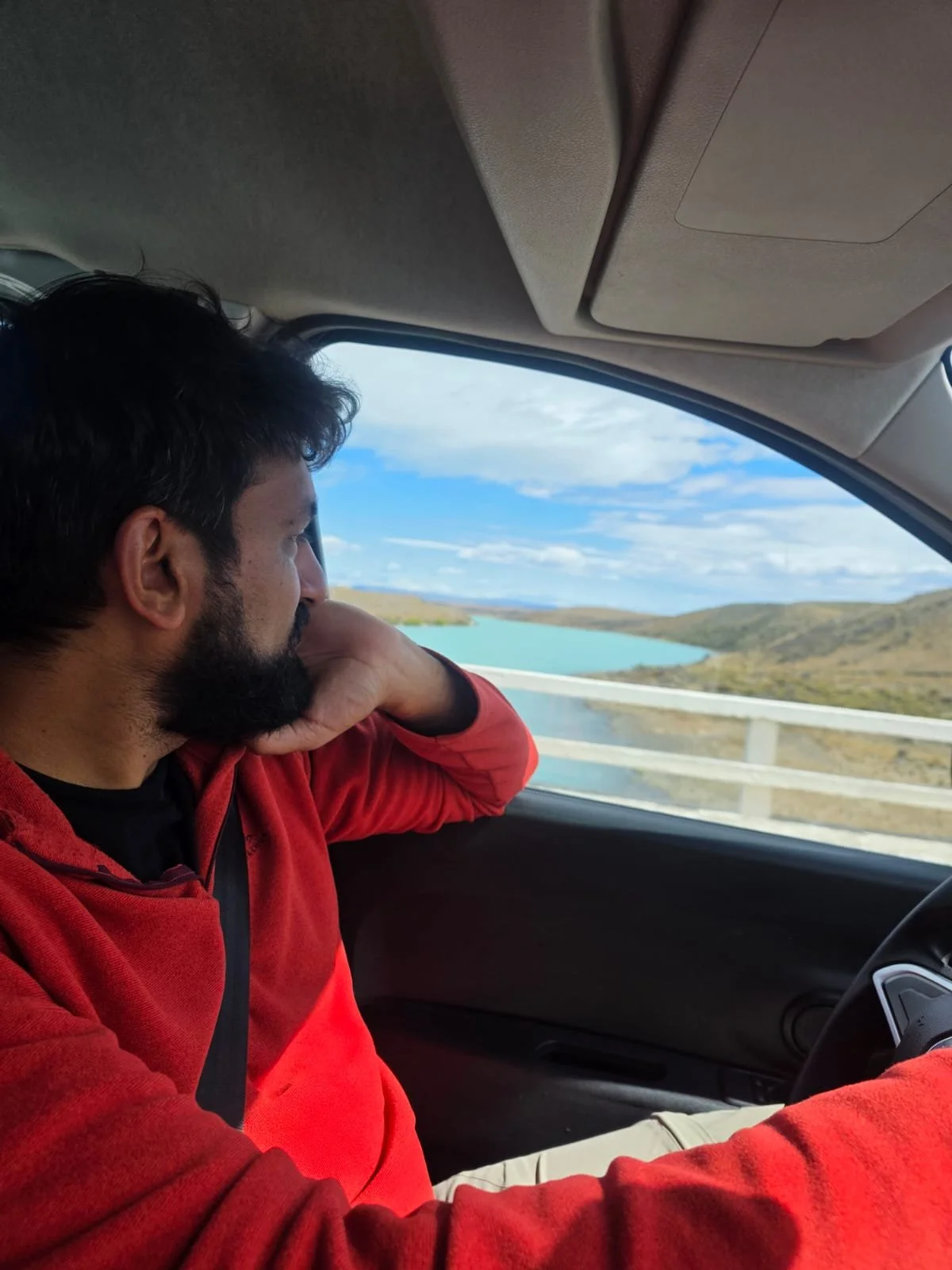
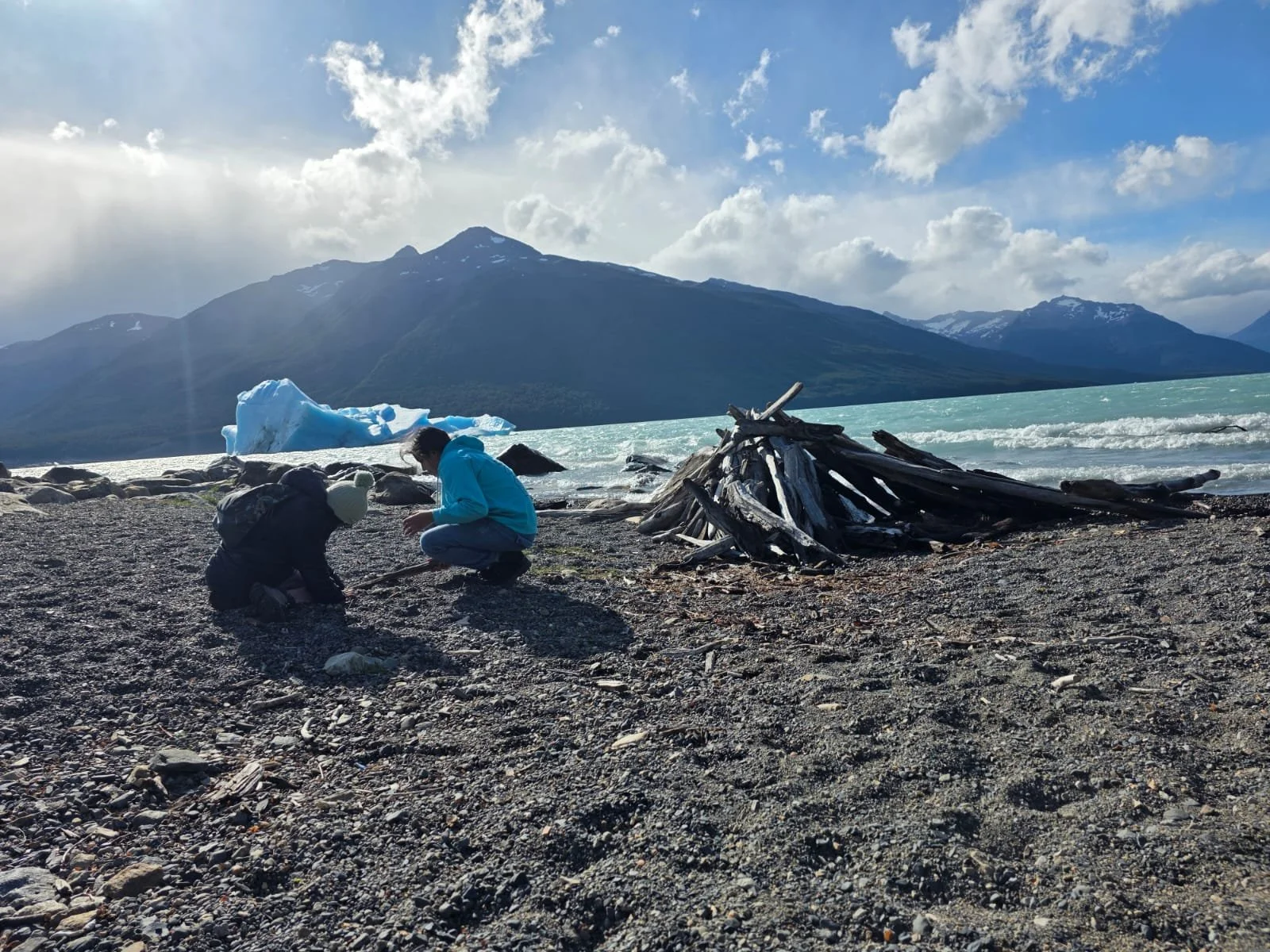
I’ve always heard a lot of hype about Patagonia, and whilst I’ve always wanted to go, I couldn’t help but wonder if it would live up to the billing. There is something truly magical about the raw and rugged beauty of the landscapes, and the combinations of the colours of the steppe, mountains and luminescent water never ceased to amaze us around every turn. I feel so blessed that we were able to see and experience it together.
The distances between different places here are vast, and we moved a lot. For the first 10 days we had our base in three different towns:
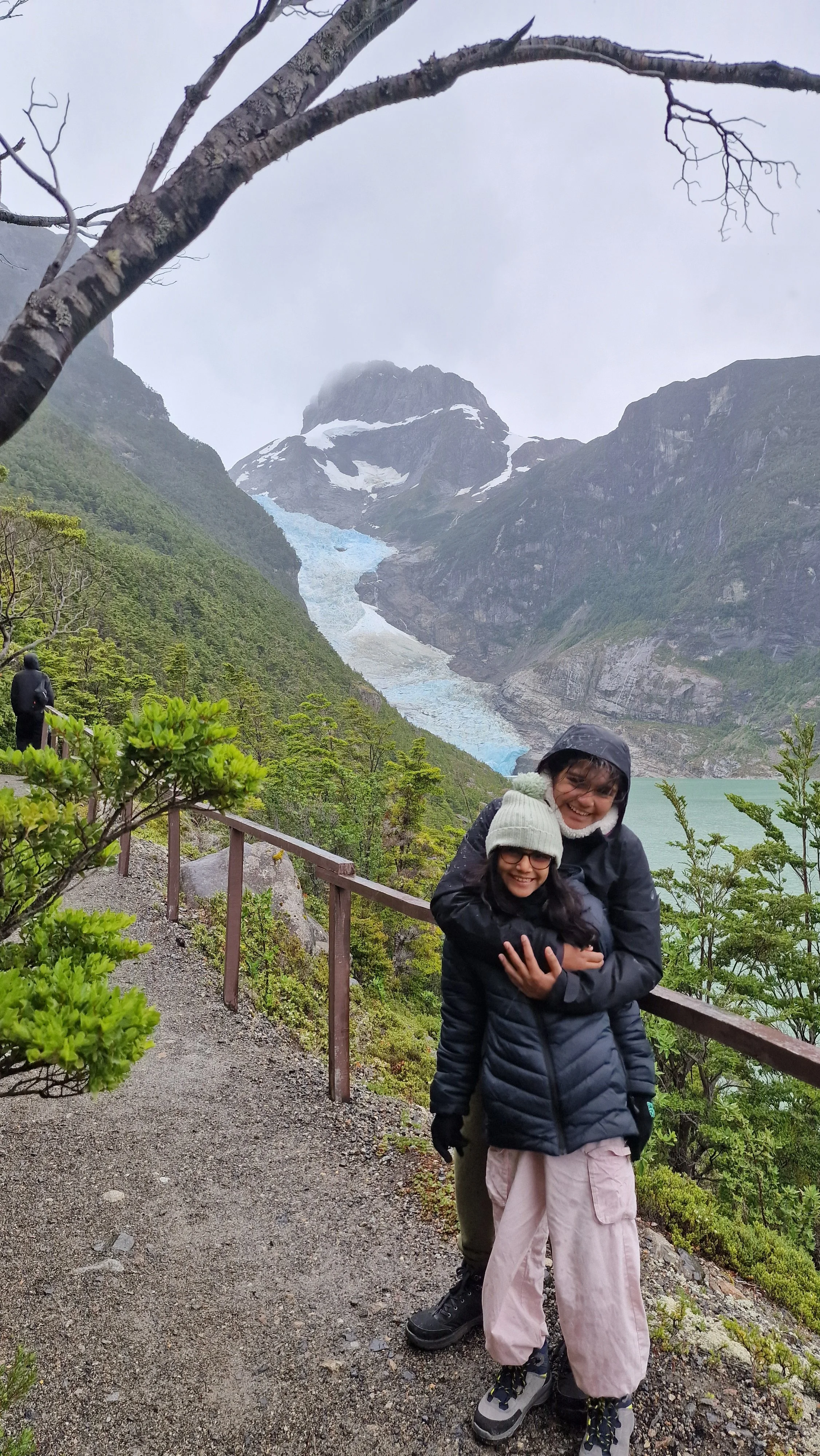
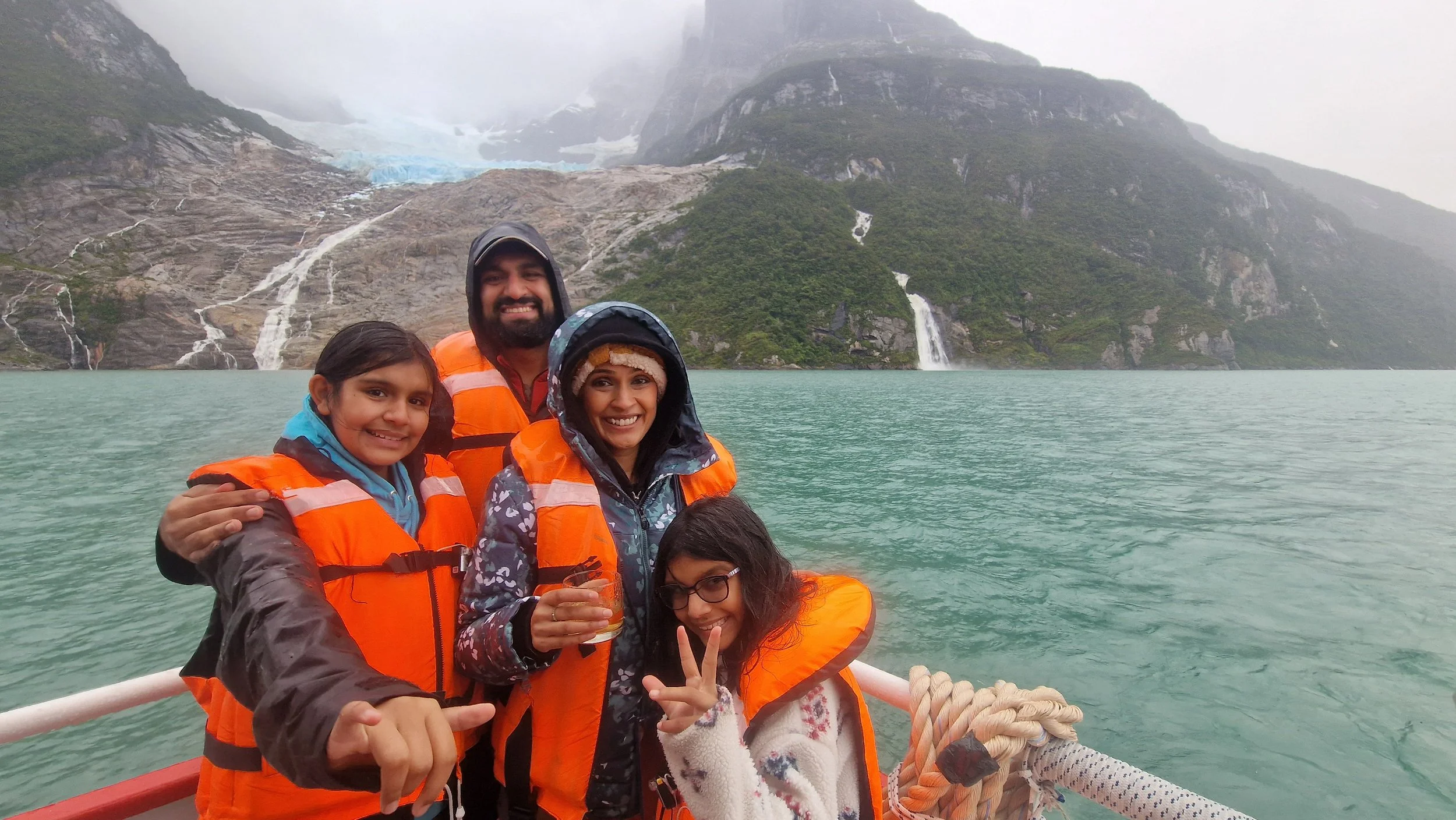
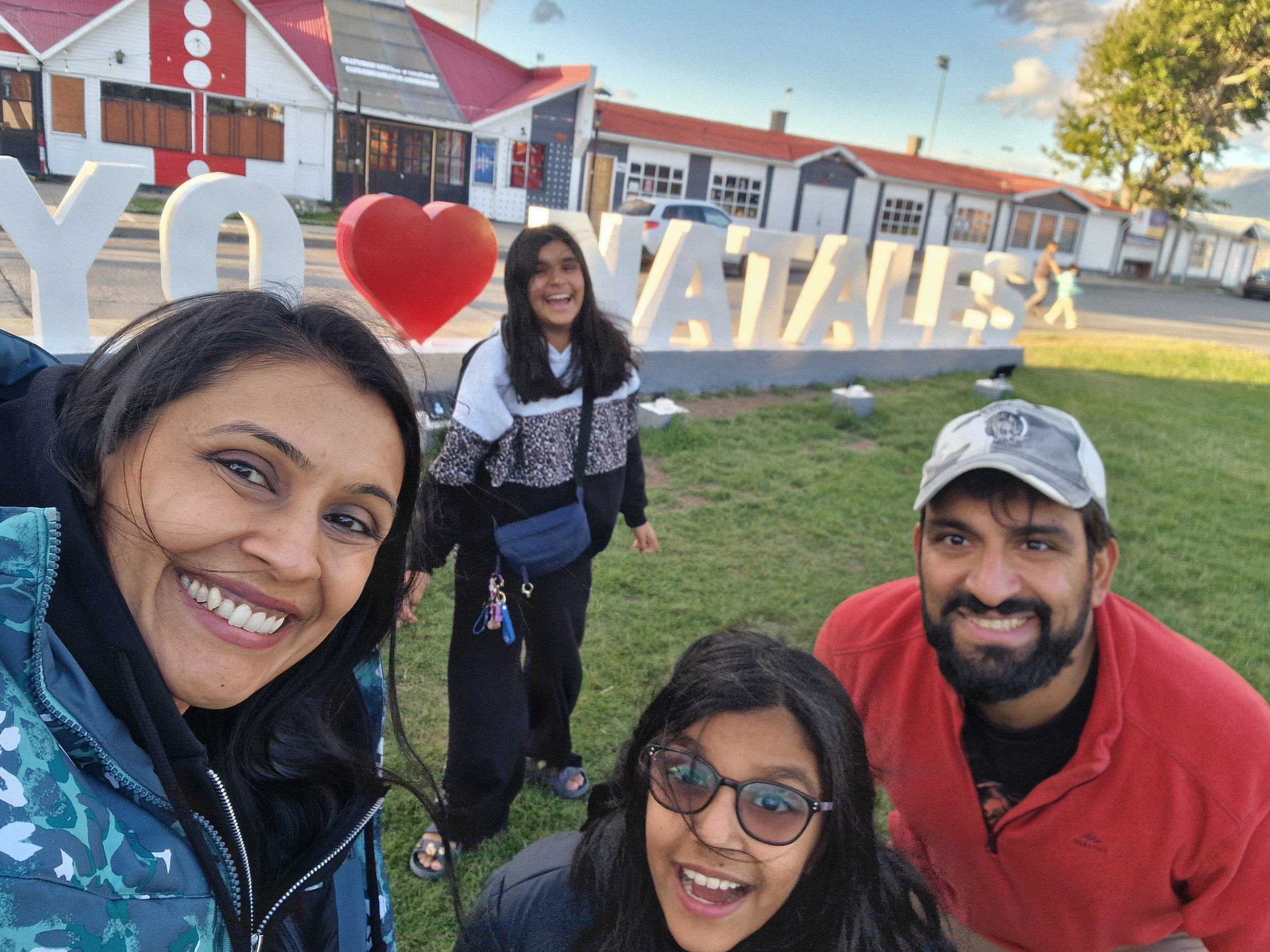
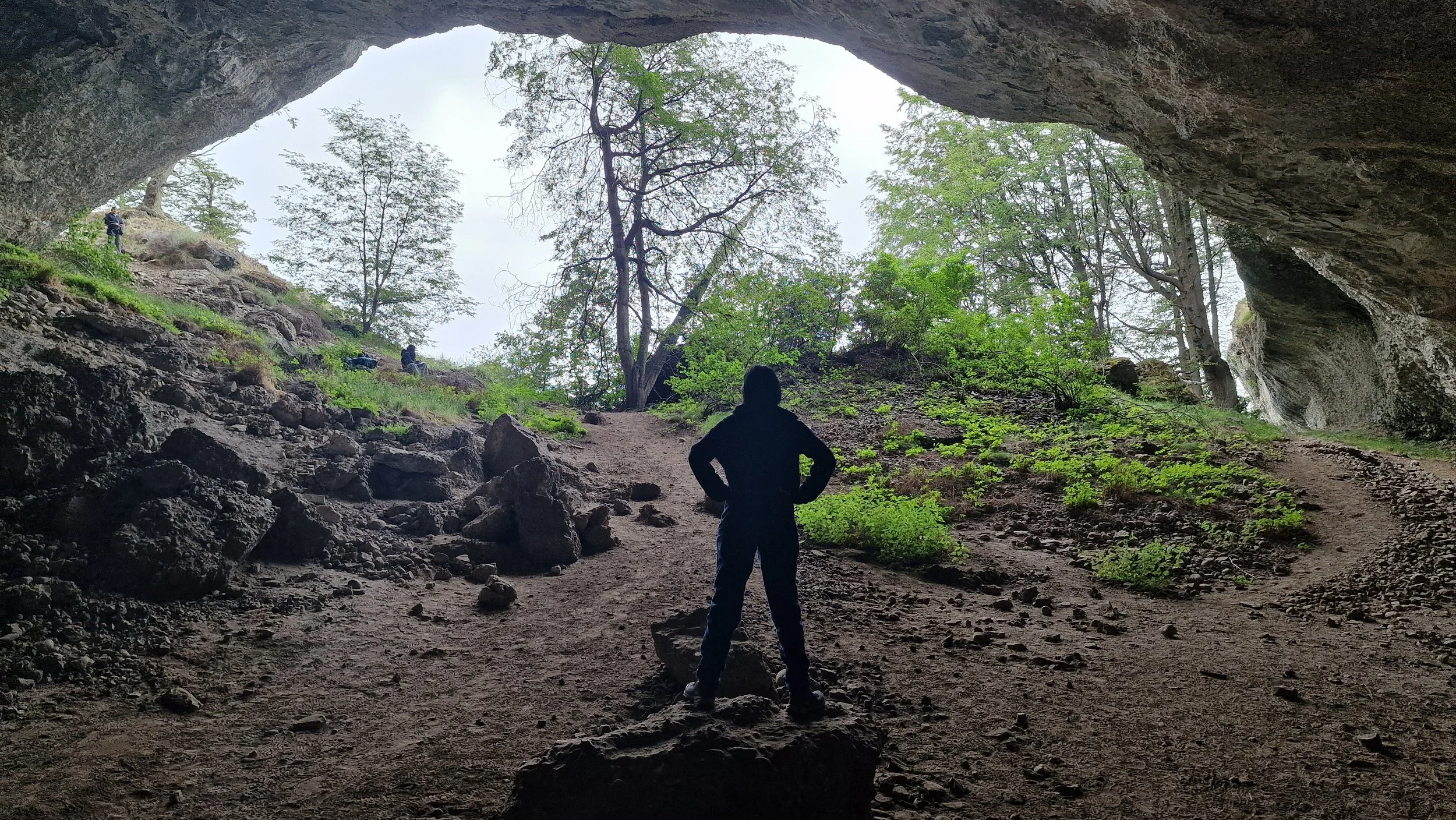
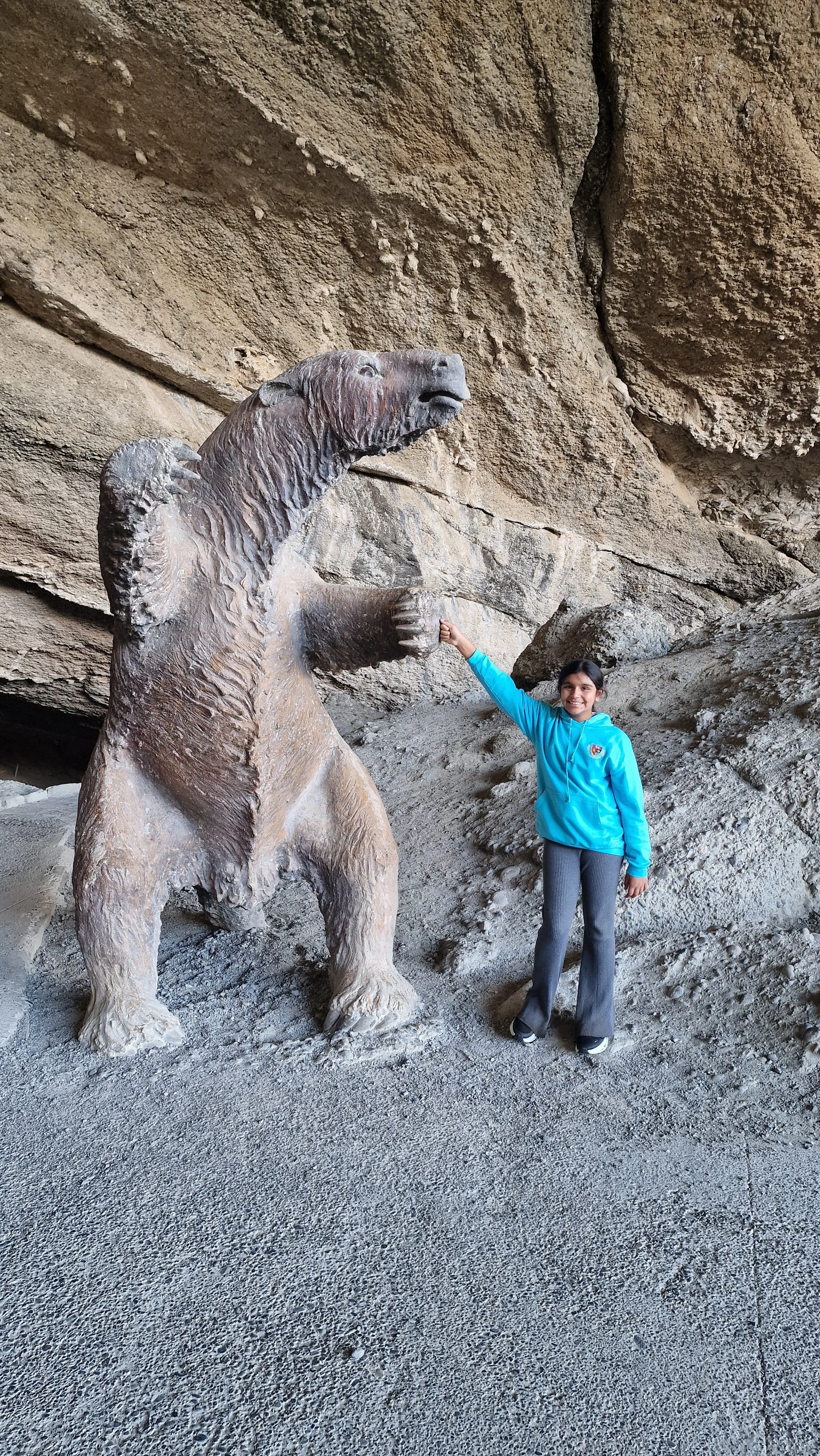
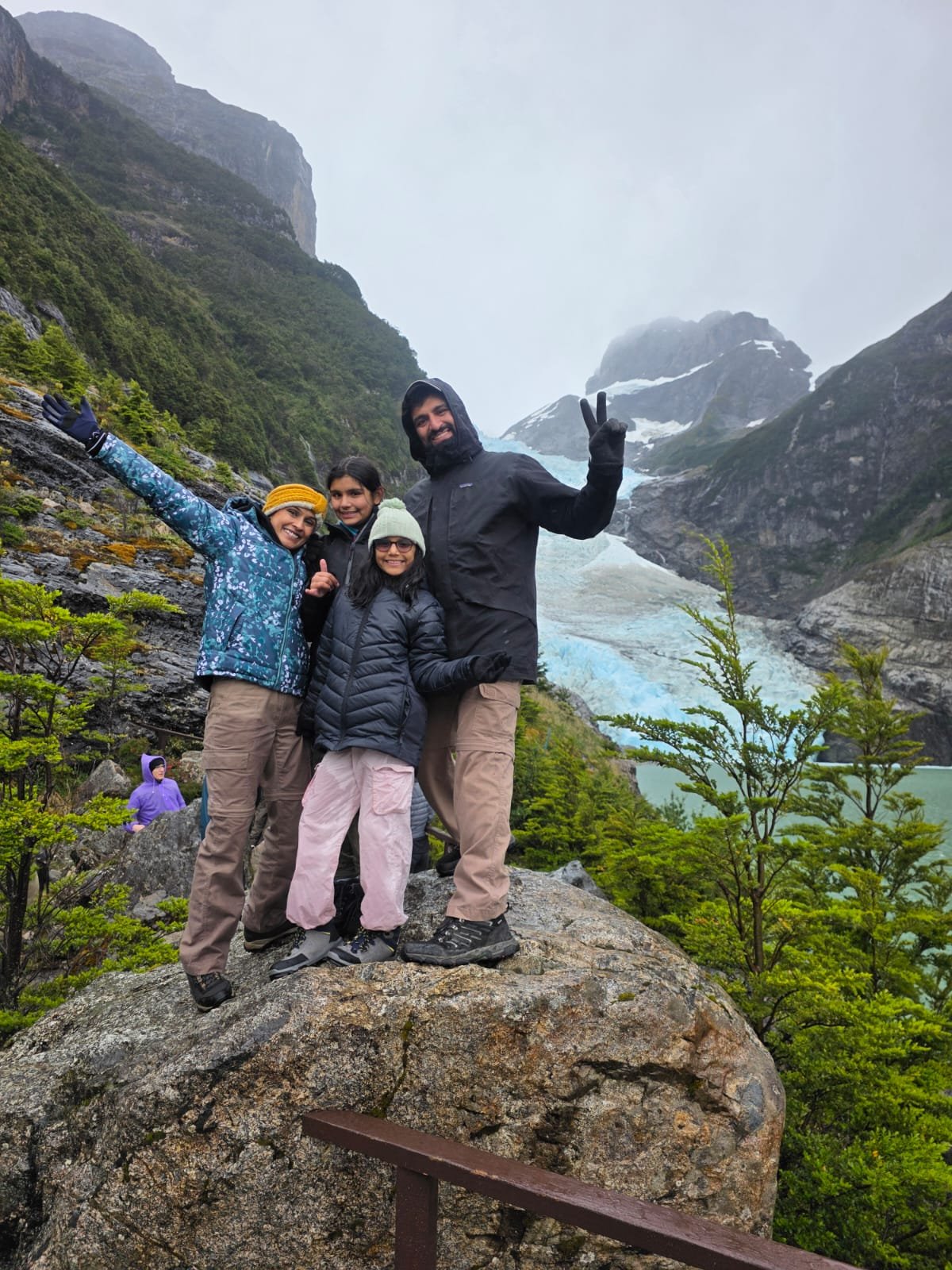
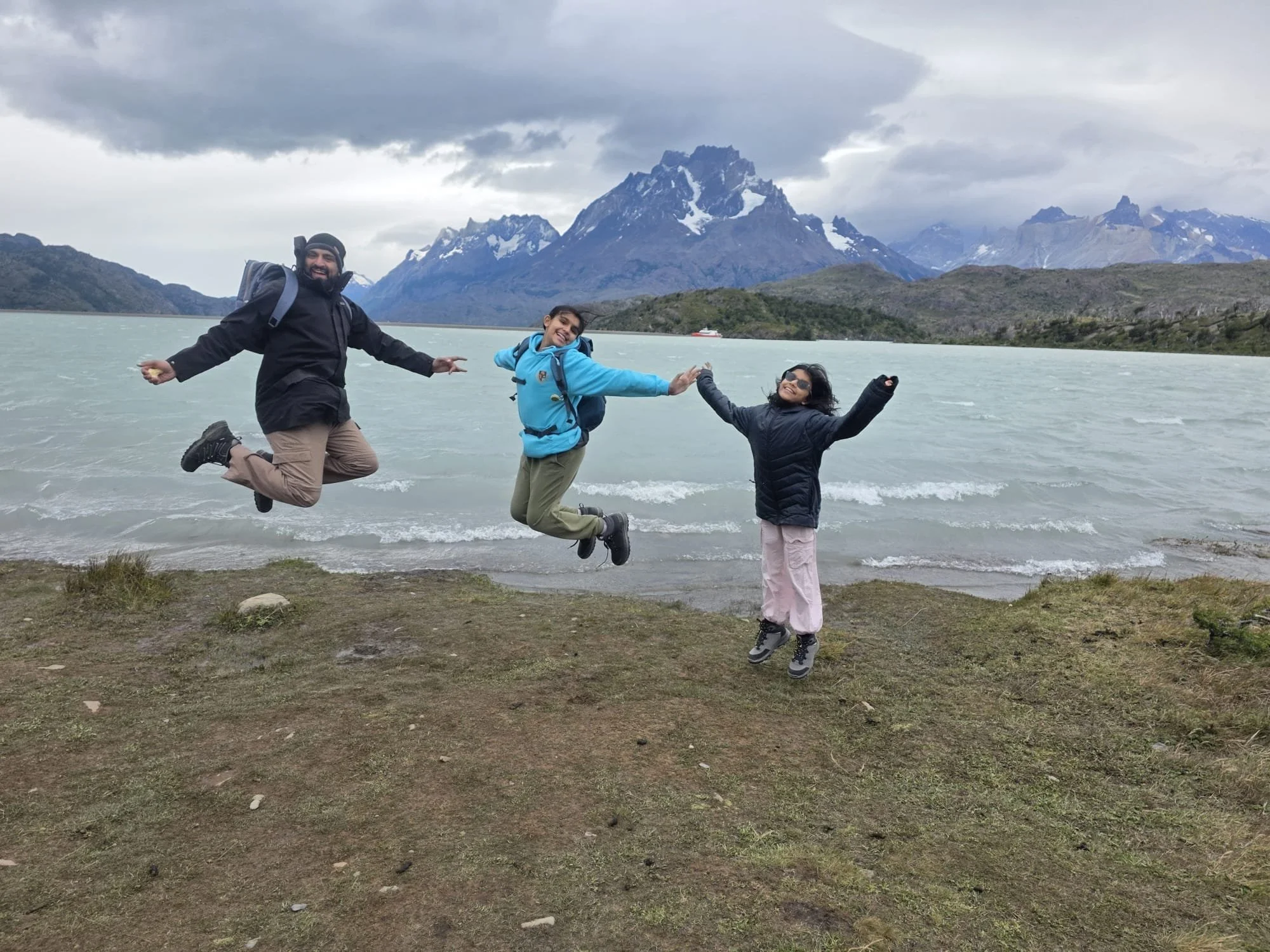
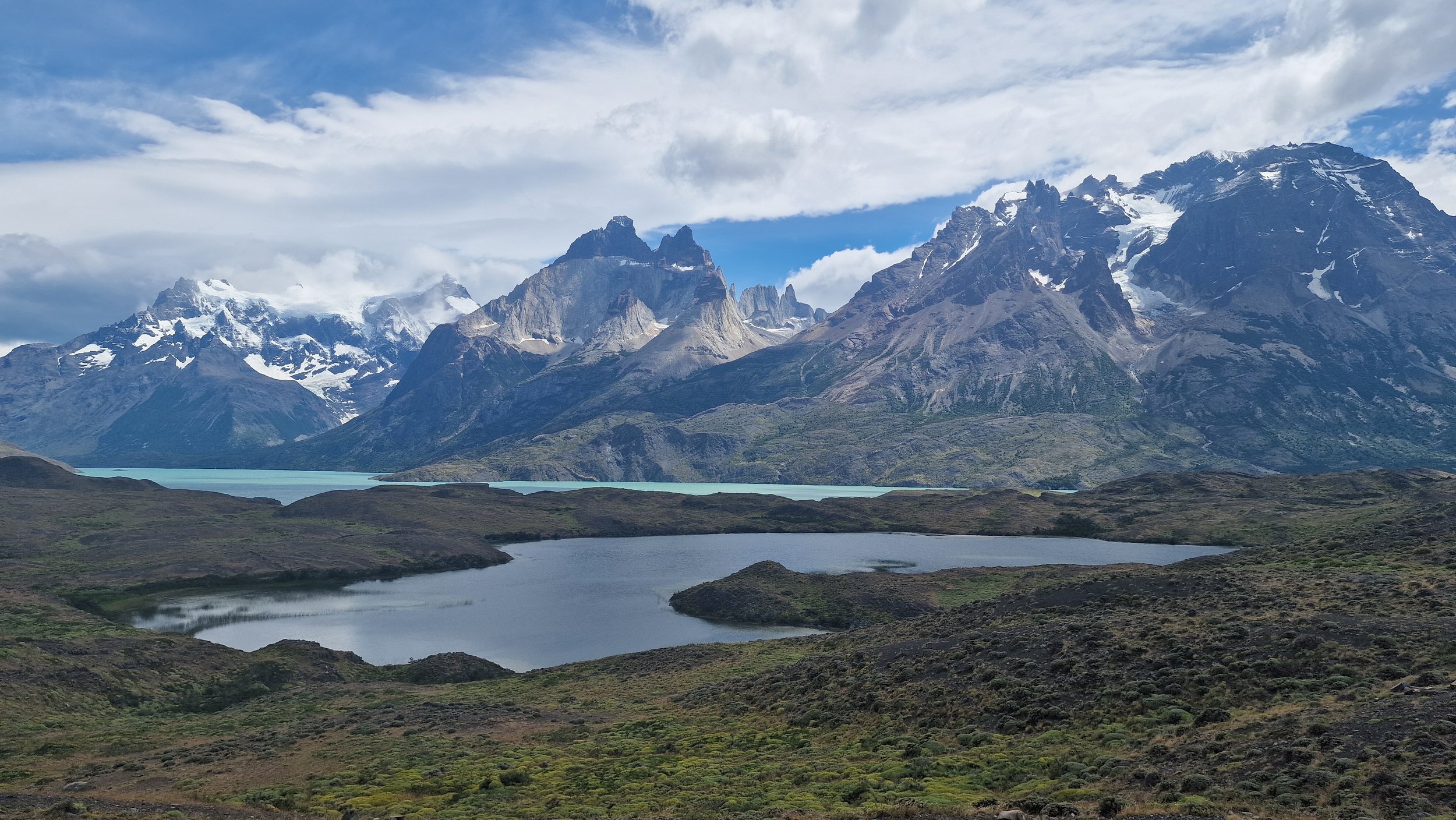
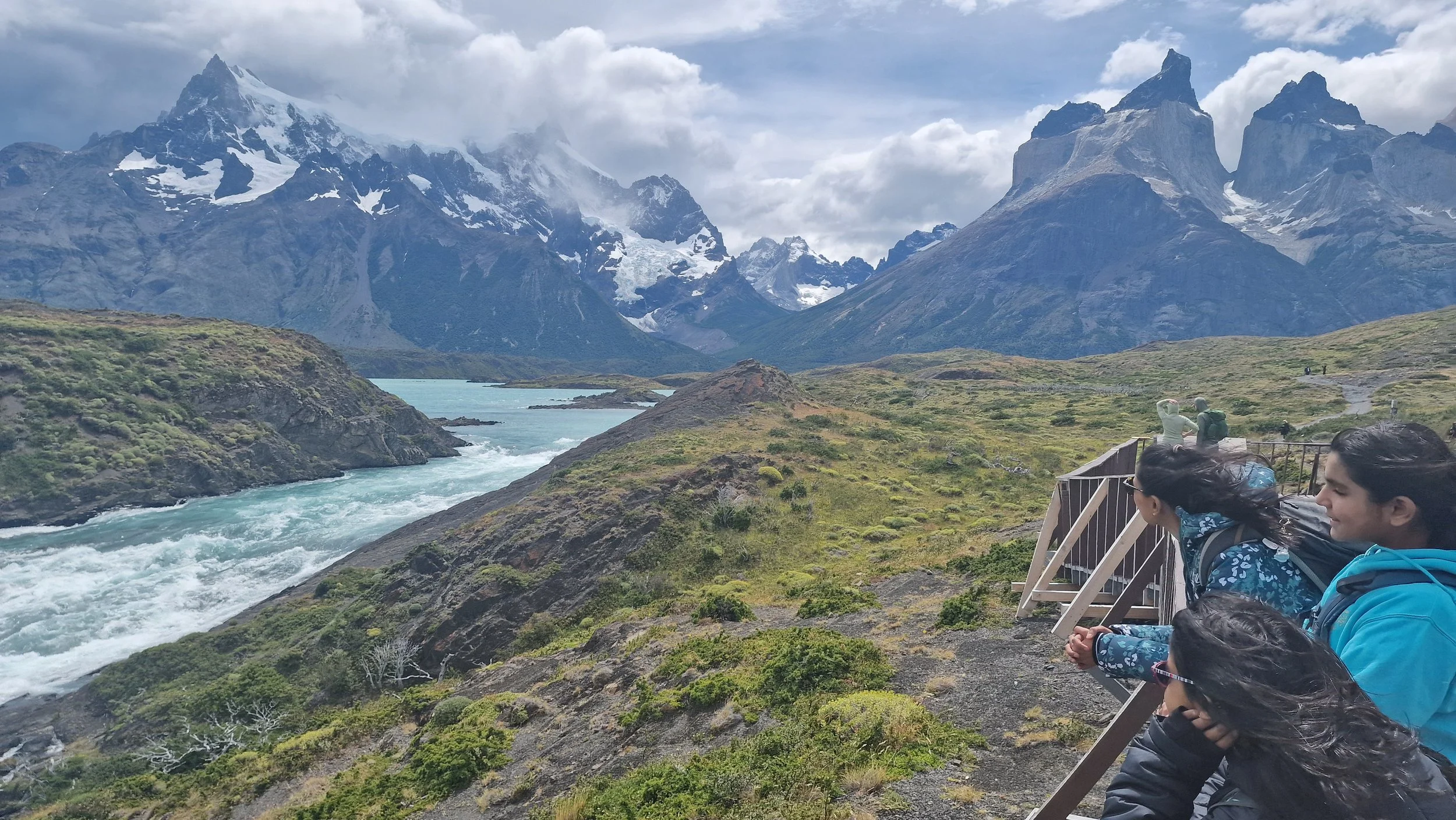
Puerto Natales (Chile) - our initial gateway into the Torres Del Paine, and where we saw some of the biggest glaciers in Torres del Paine, did a few of our favourite hikes of our whole trip so far, and swam in some waterfalls. Seeing the glaciers up close brought some of the reality of our changing world to life - we saw glaciers that have existed for thousands (and in some cases tens or hundreds of thousands) of years that are now in rapid retreat and are estimated to have less than 100 years left before they disappear completely. If Sia and Anaya get the chance to go again when they are adults, the entire region will likely look completely different to today. We also got to see a Mylodon (a prehistoric giant sloth) cave, and were reminded of the big dinosaur finds that have come from this region.
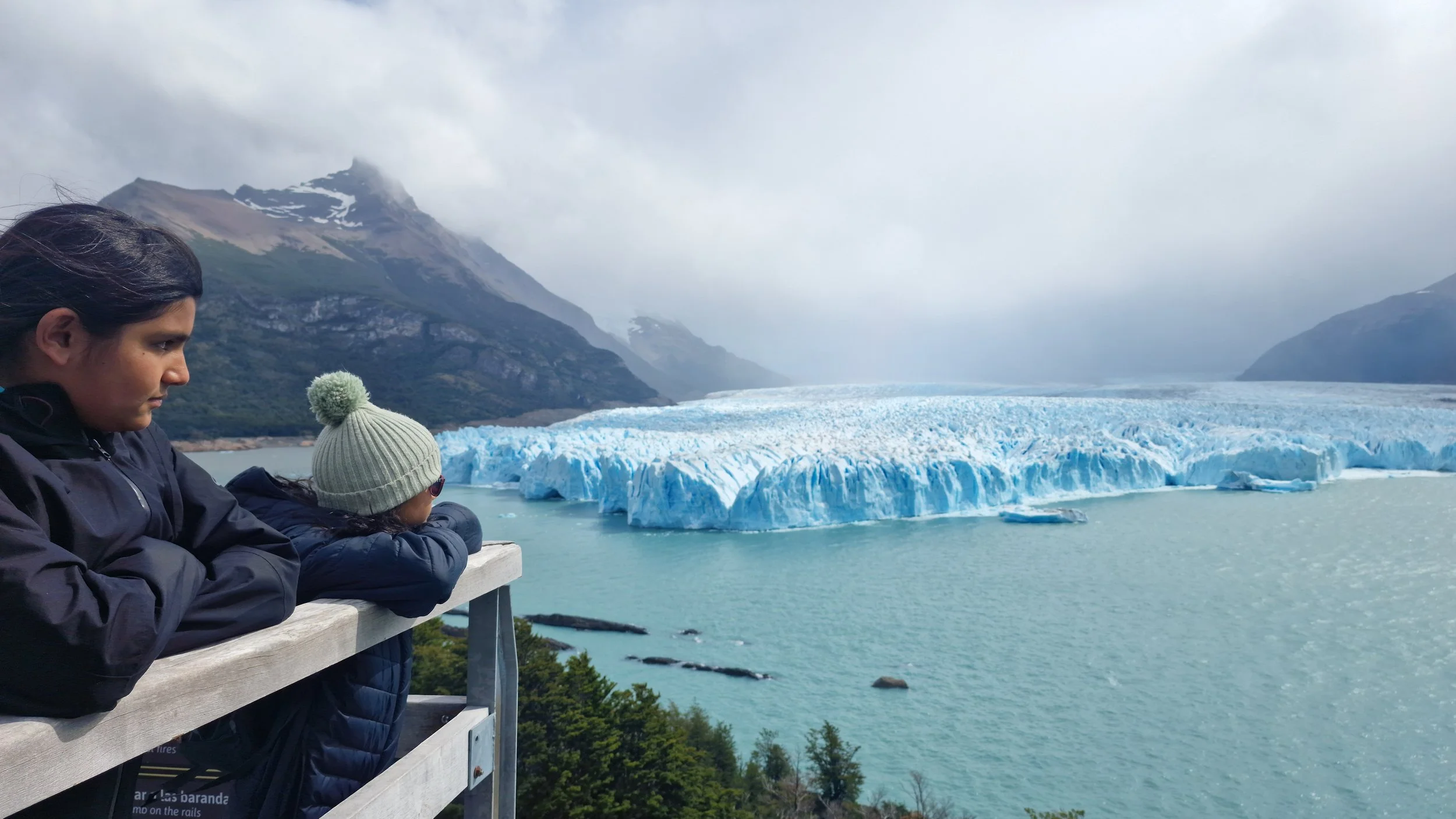
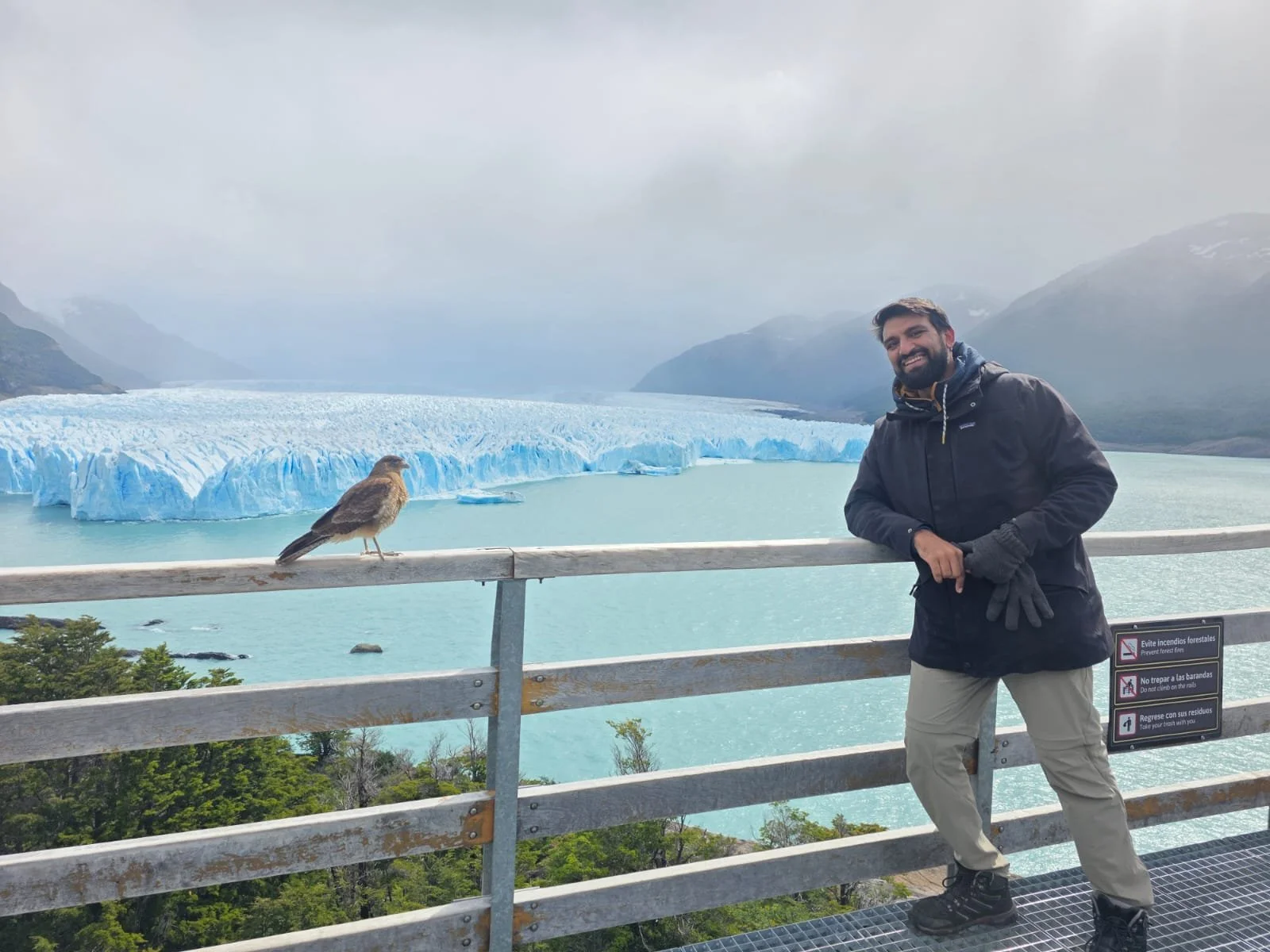
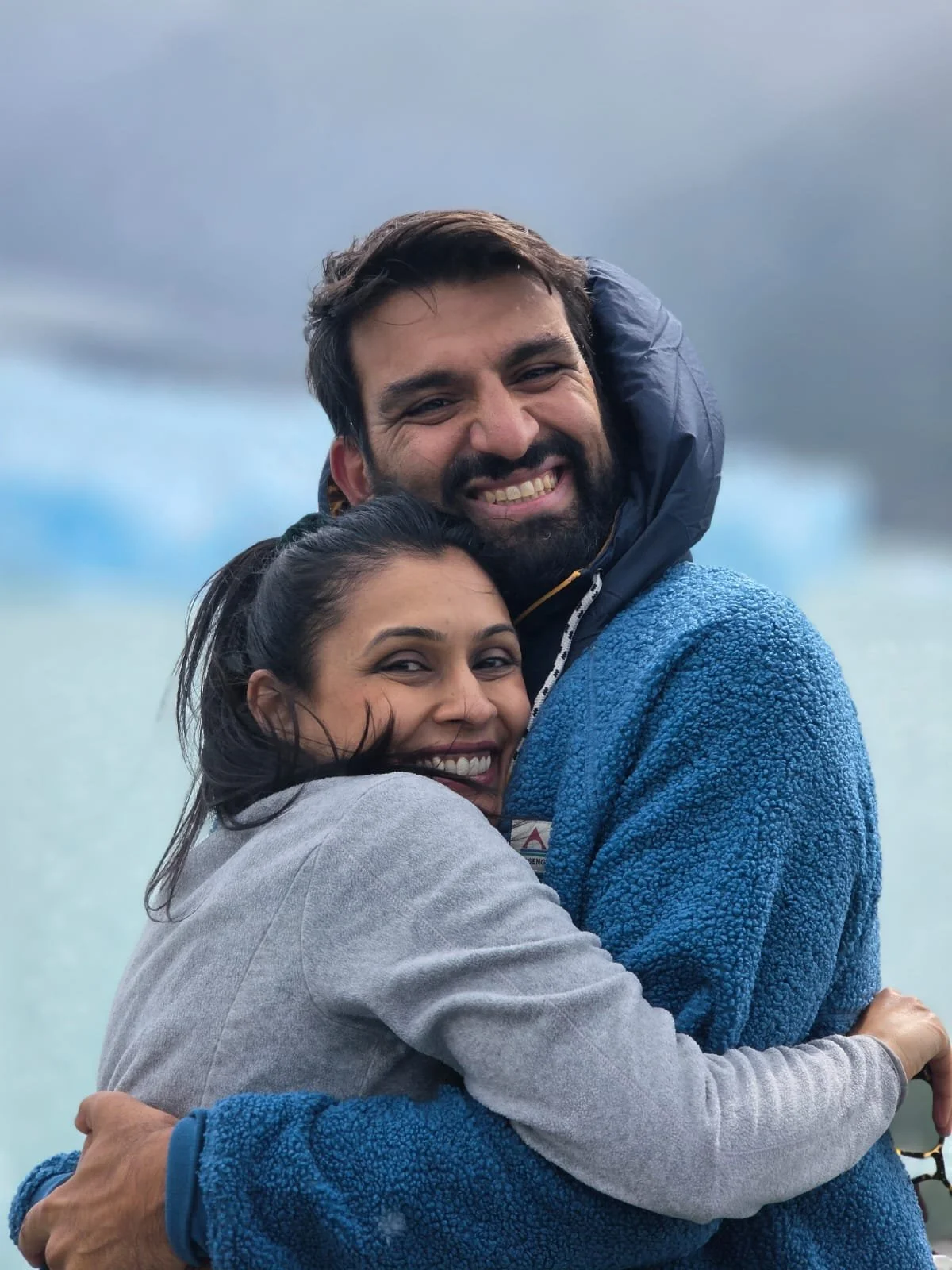
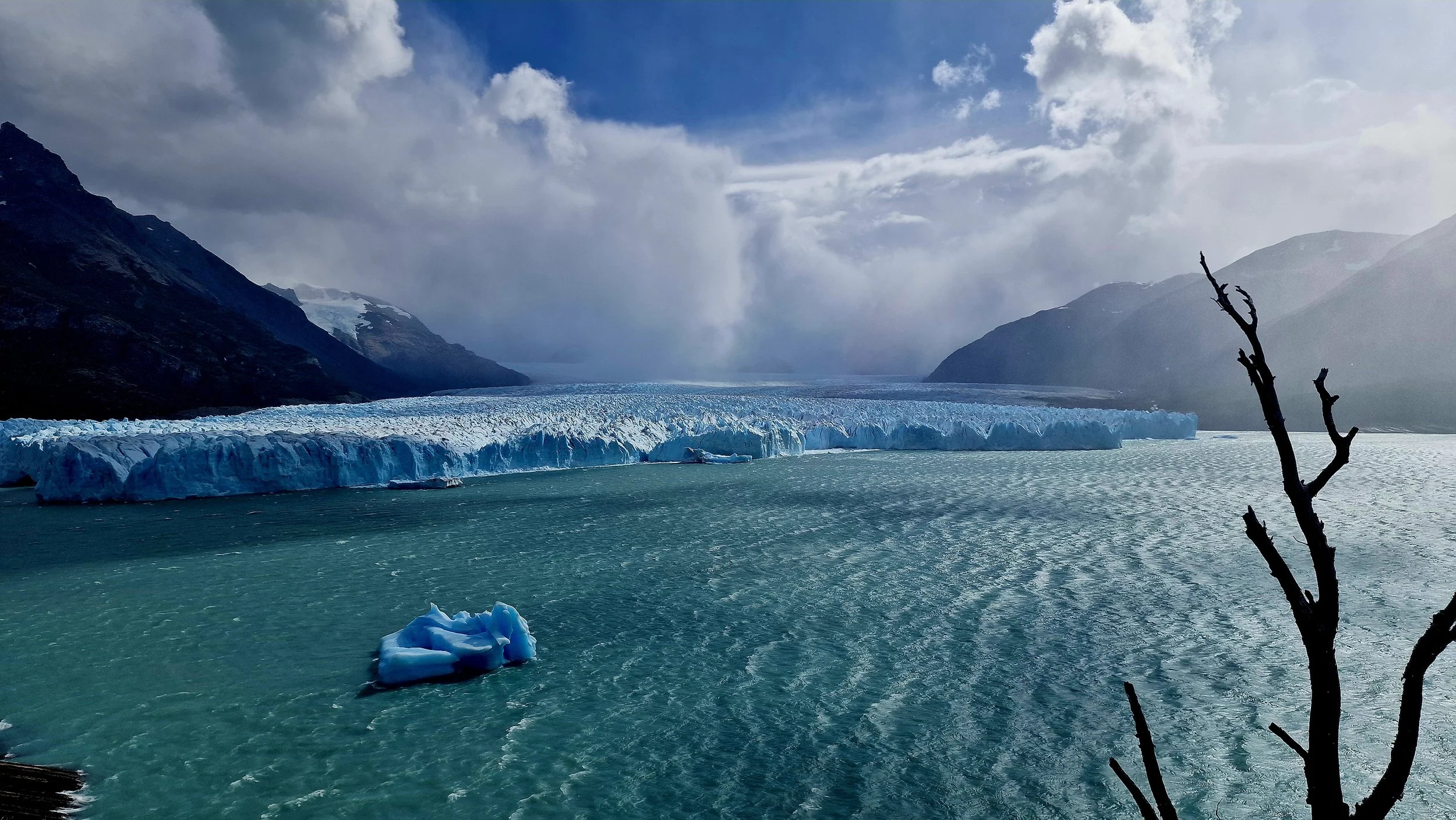
El Calafate (Argentina) - seeing the Perito Moreno glacier was breath-taking and awe-inspriing - it is one of the very few glaciers in the world that until recently (2020) was expanding or at least in steady state, however it is now believed to be in rapid retreat. Scientists are actively working on understanding what has impacted the ecological anchors that had kept it in place. We spent the majority of a day here and heard the thunderous sound of icefalls and “calfing” (cracking) of the icewall.
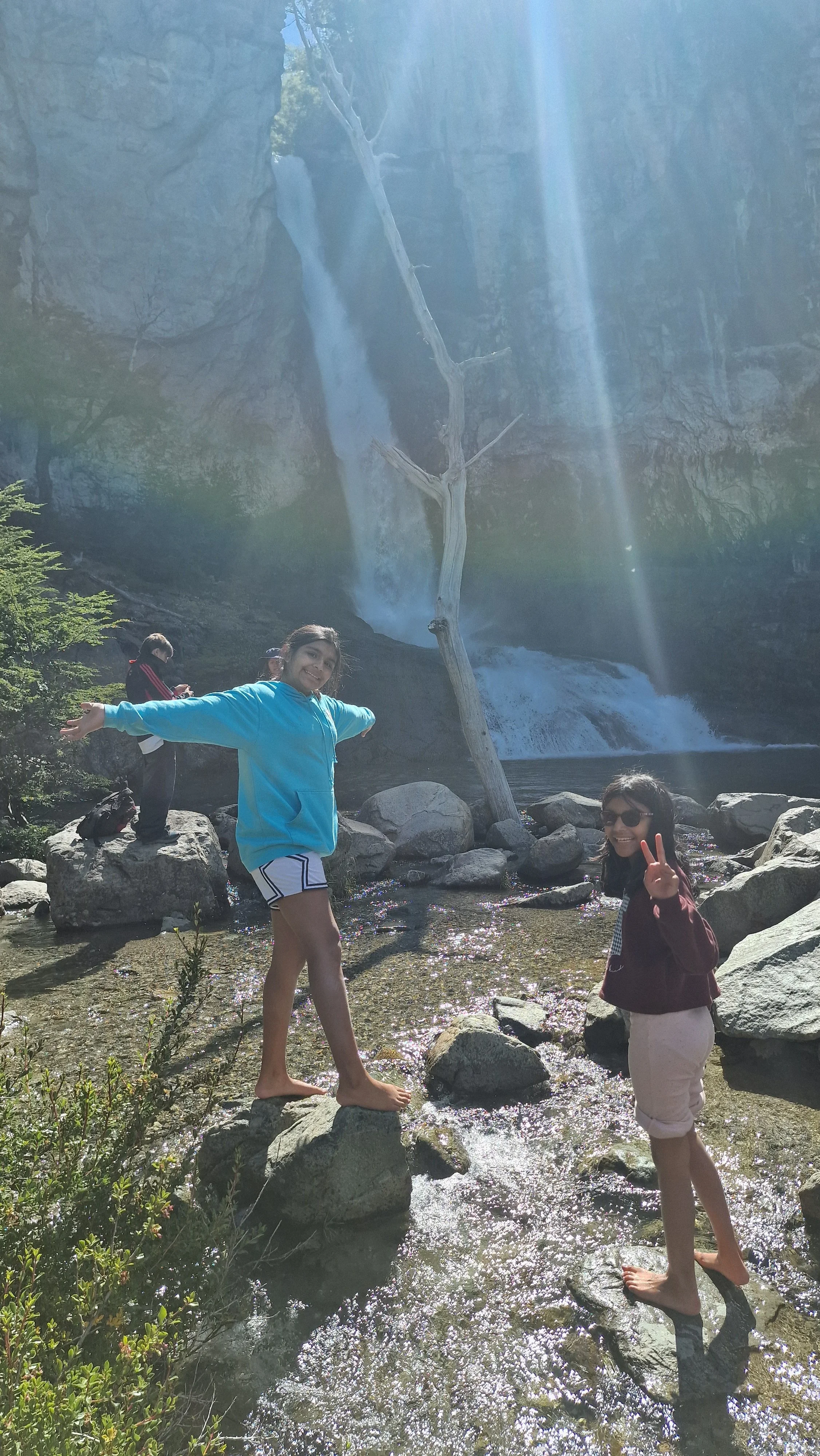
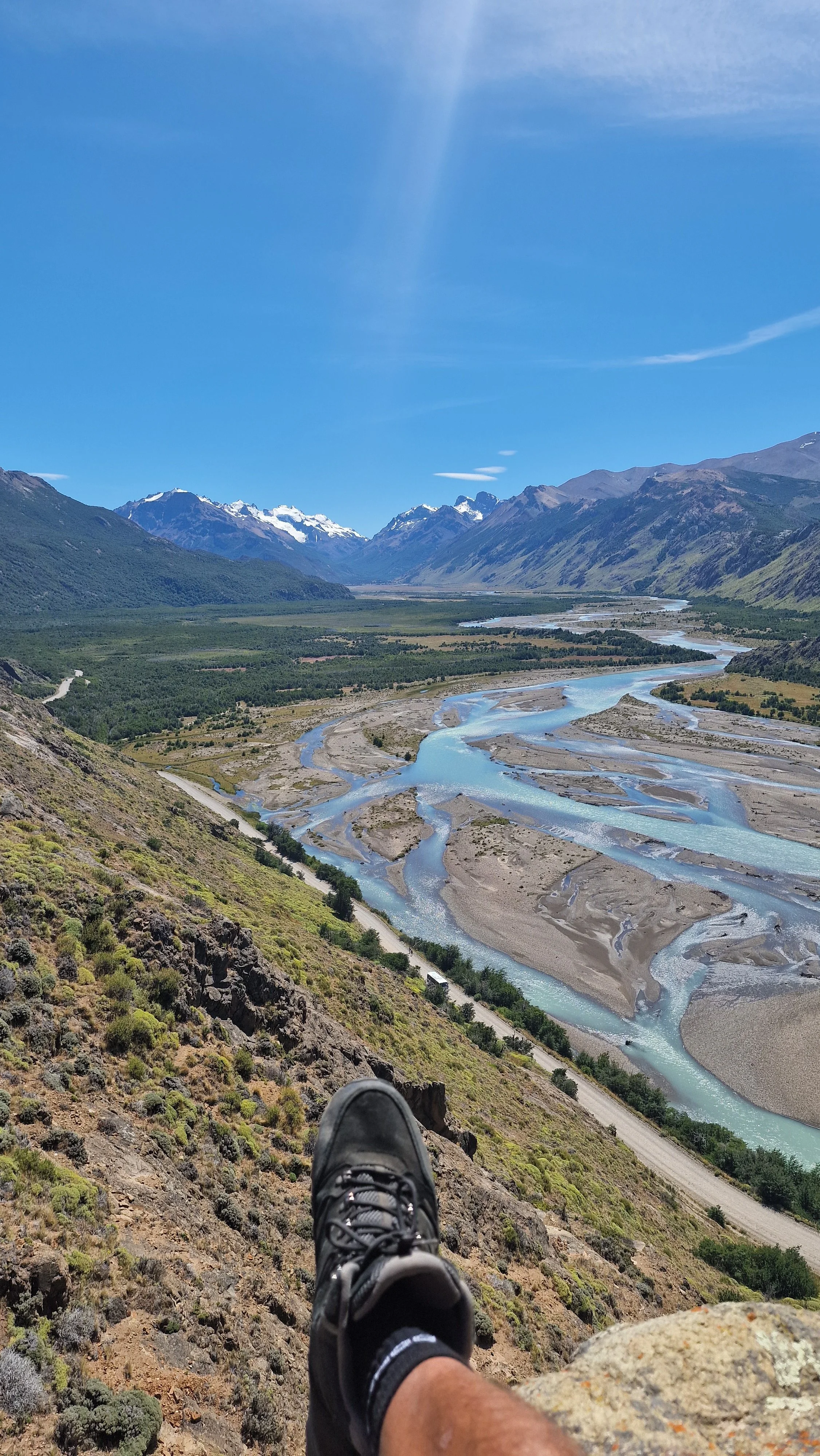
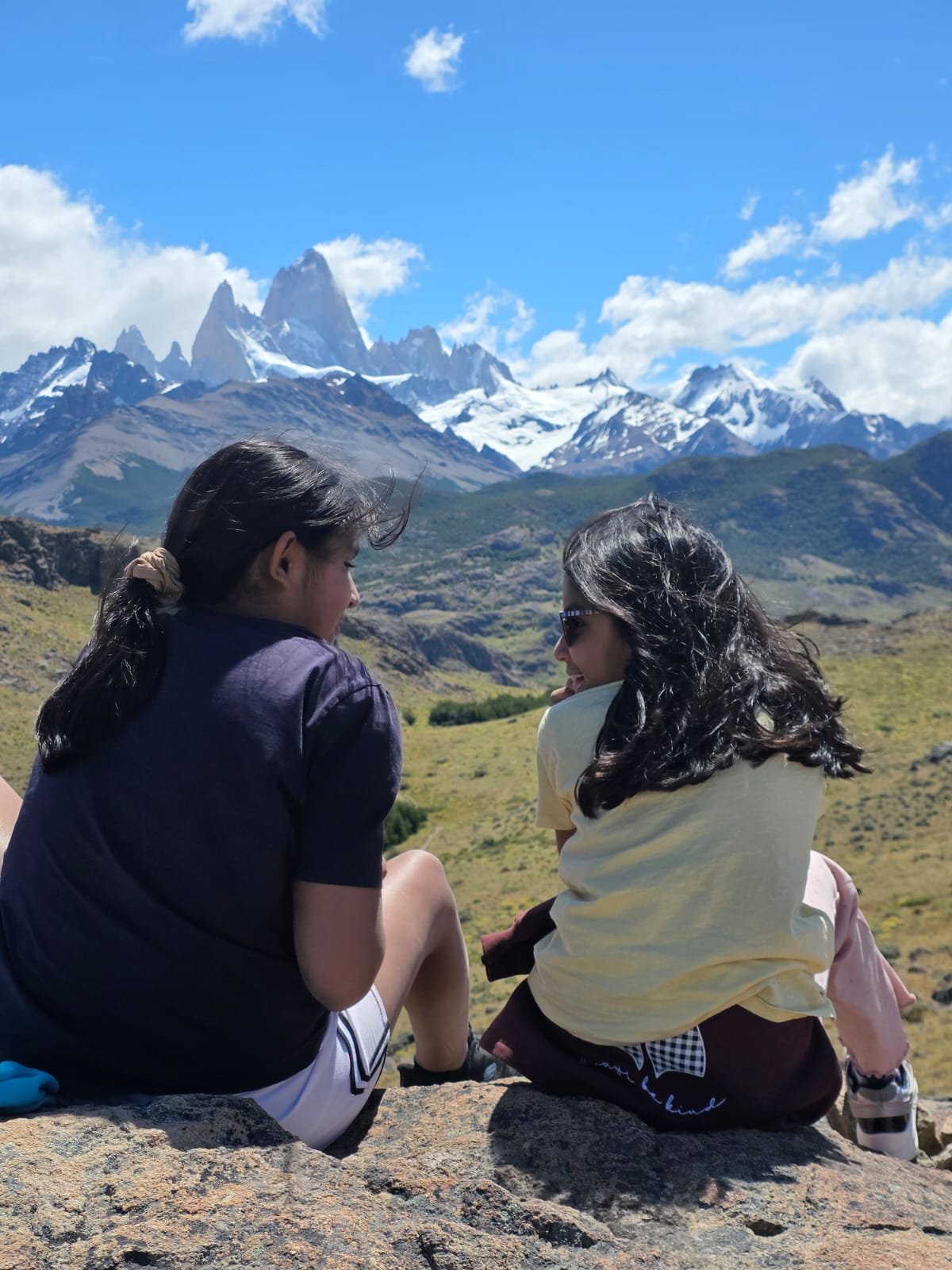
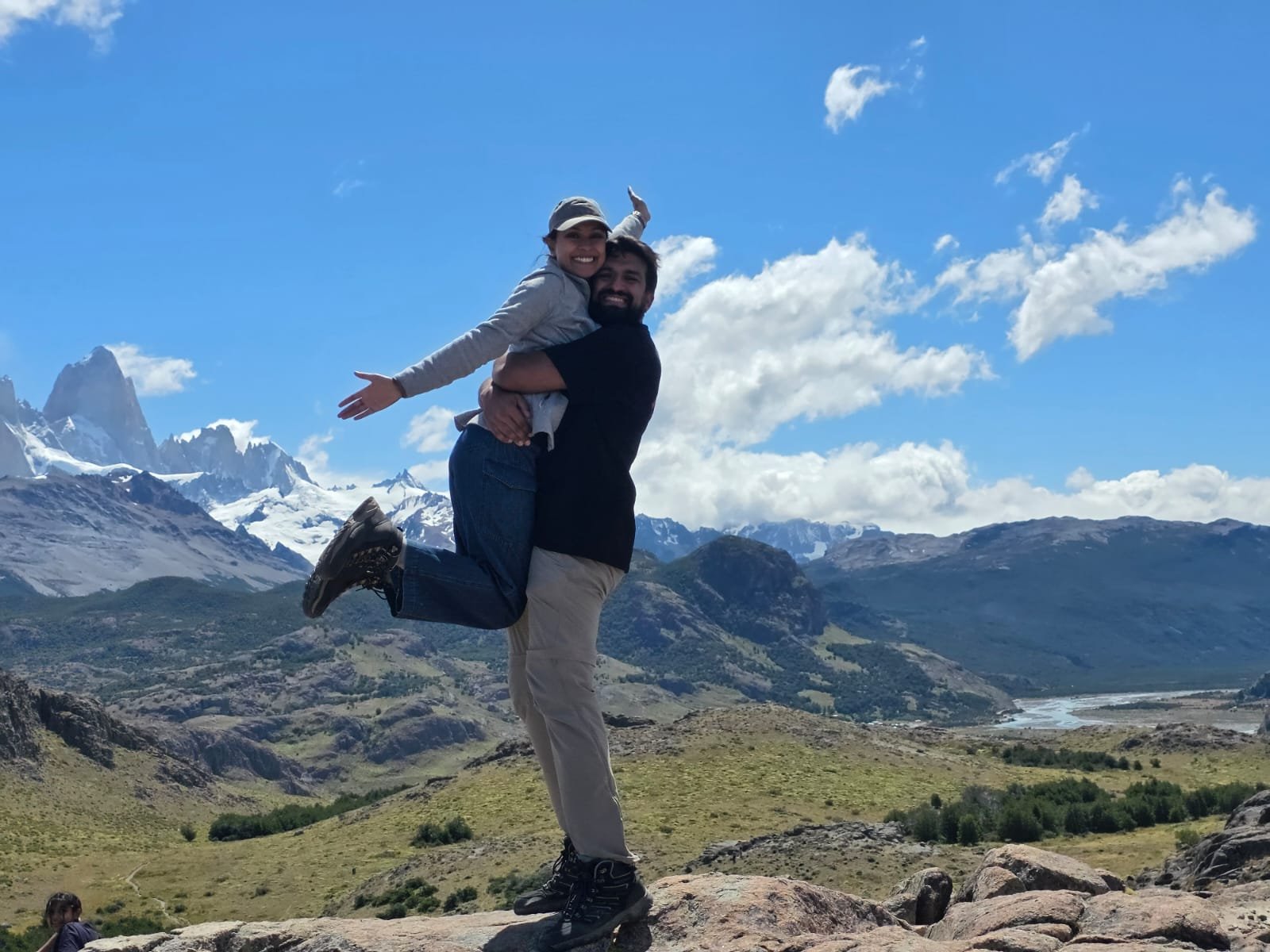
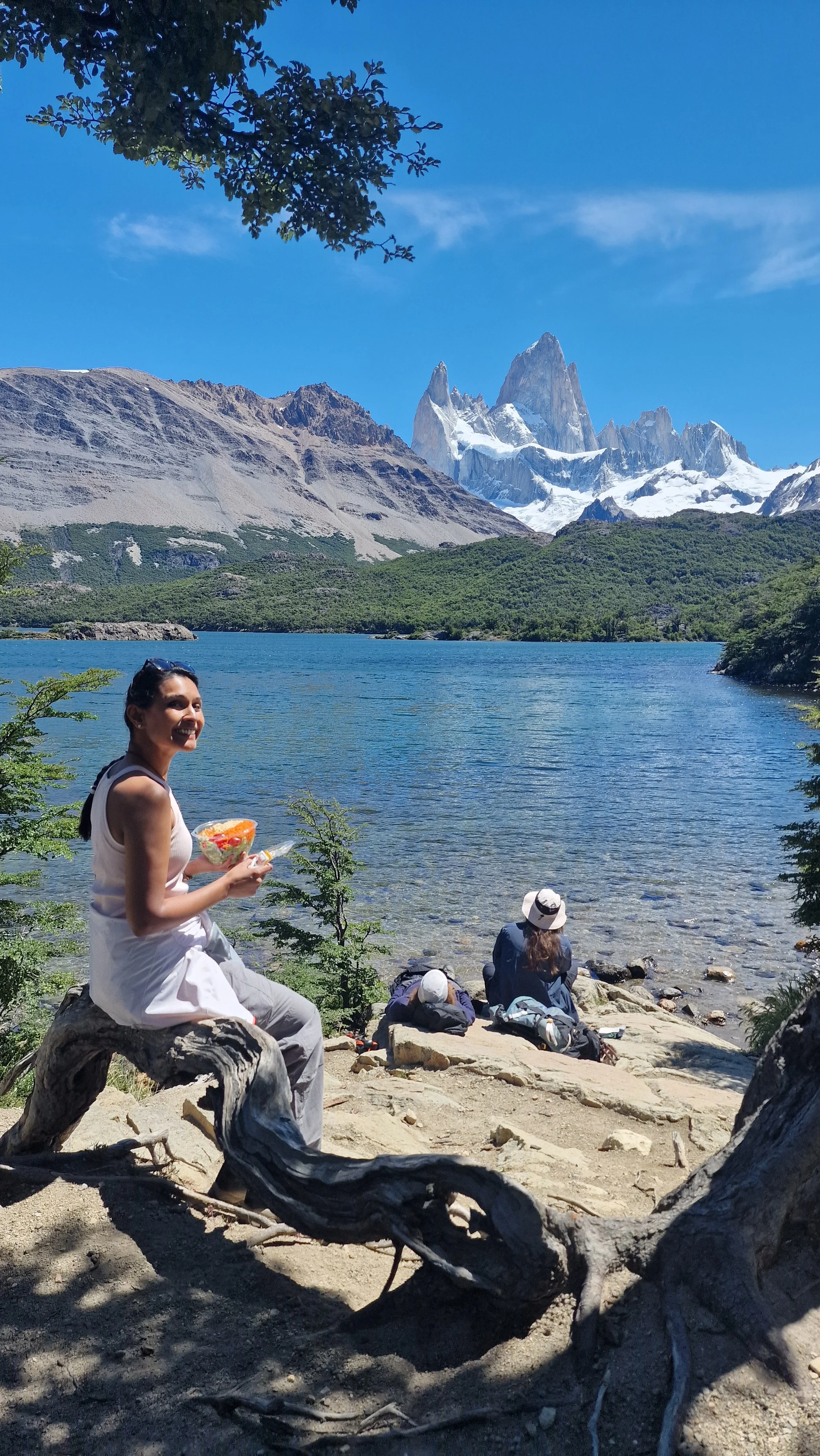
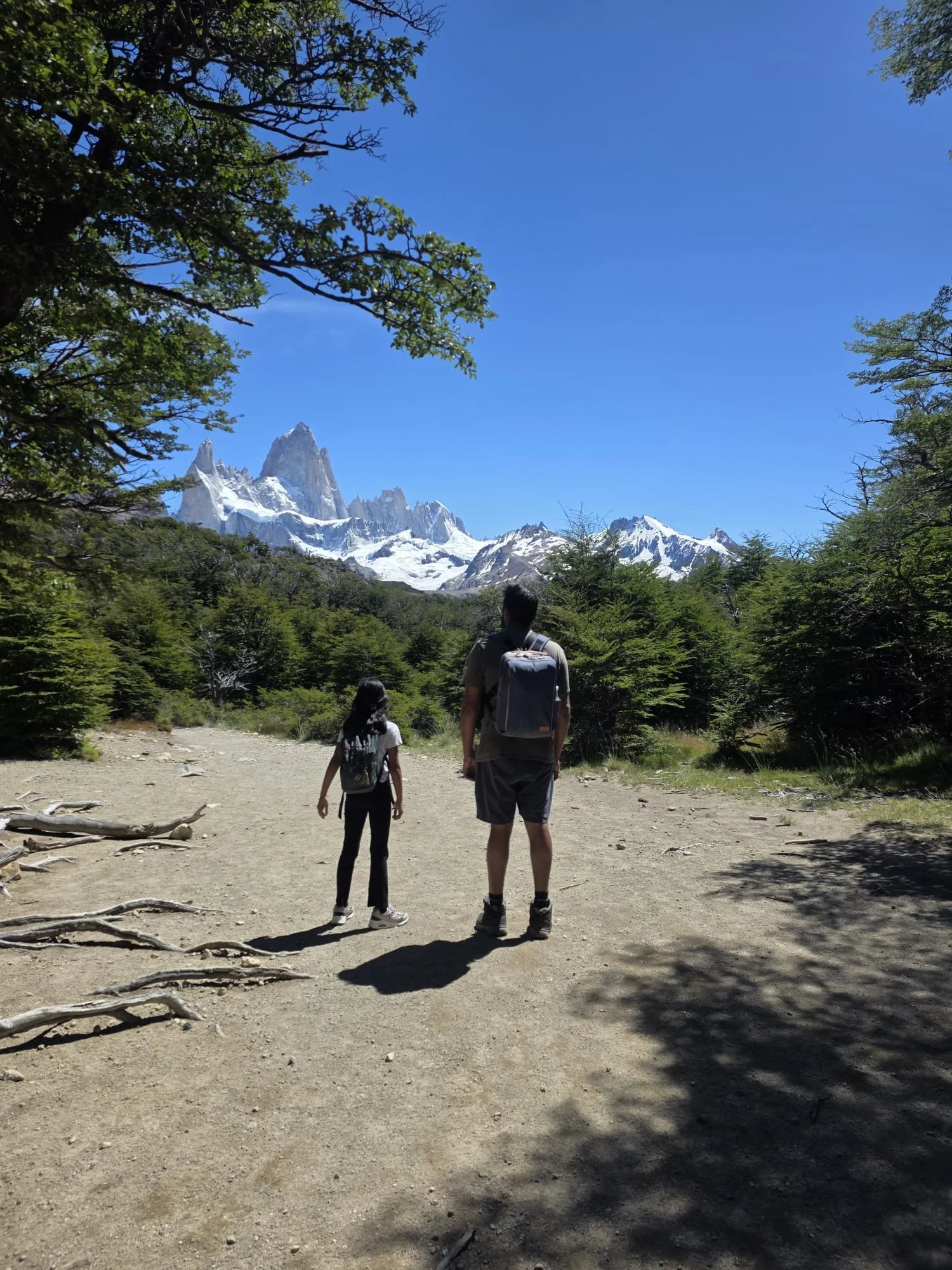
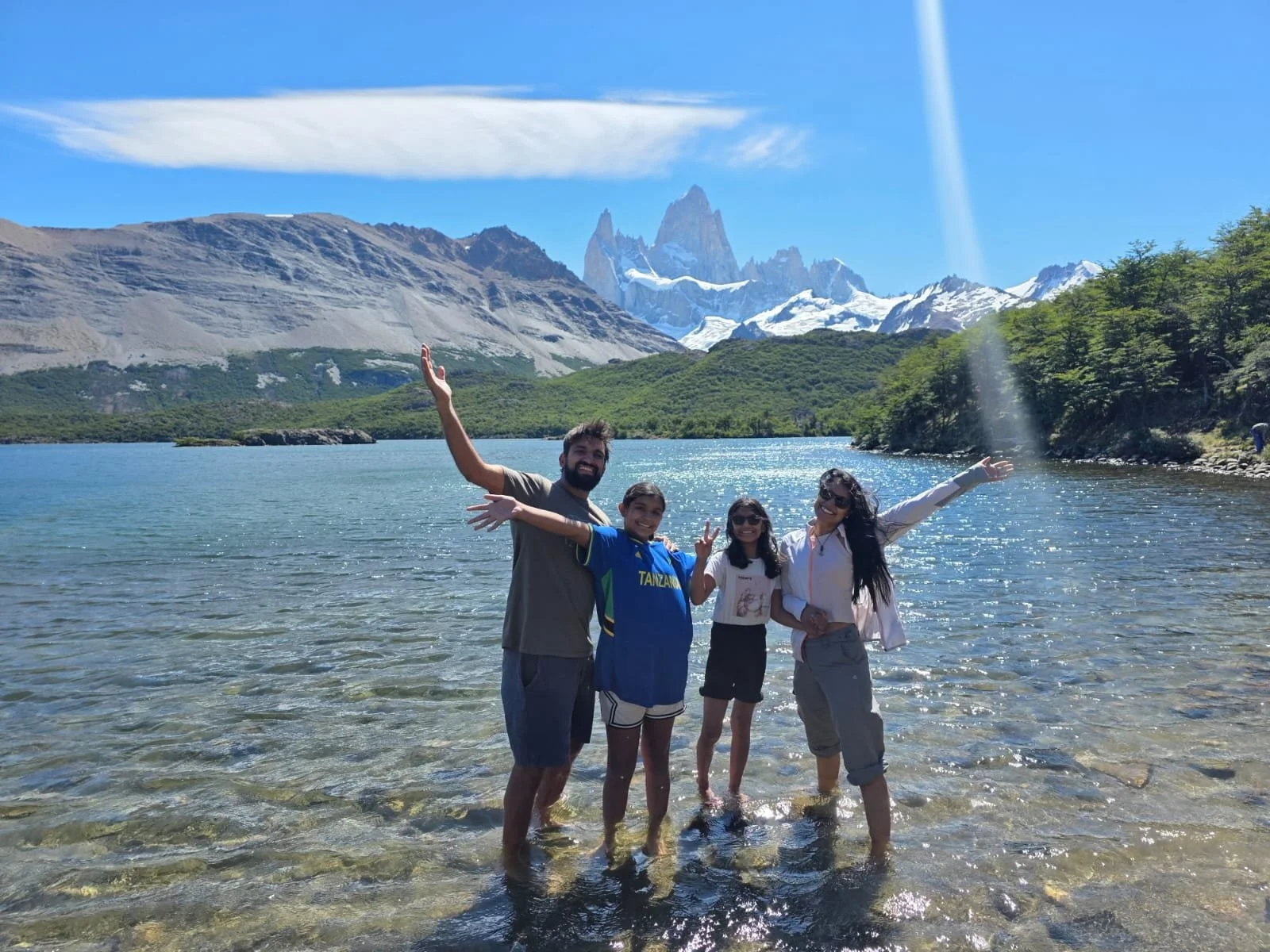
El Chalten (Argentina) - one of our favourite places, and a base for most of the longer hikes in the area, in particular to the iconic Cerro Chalten (also known as Mount Fitz Roy).